
LockOut Equipment · 15 July 2024
How to Conduct a Lockout/Tagout Risk Assessment
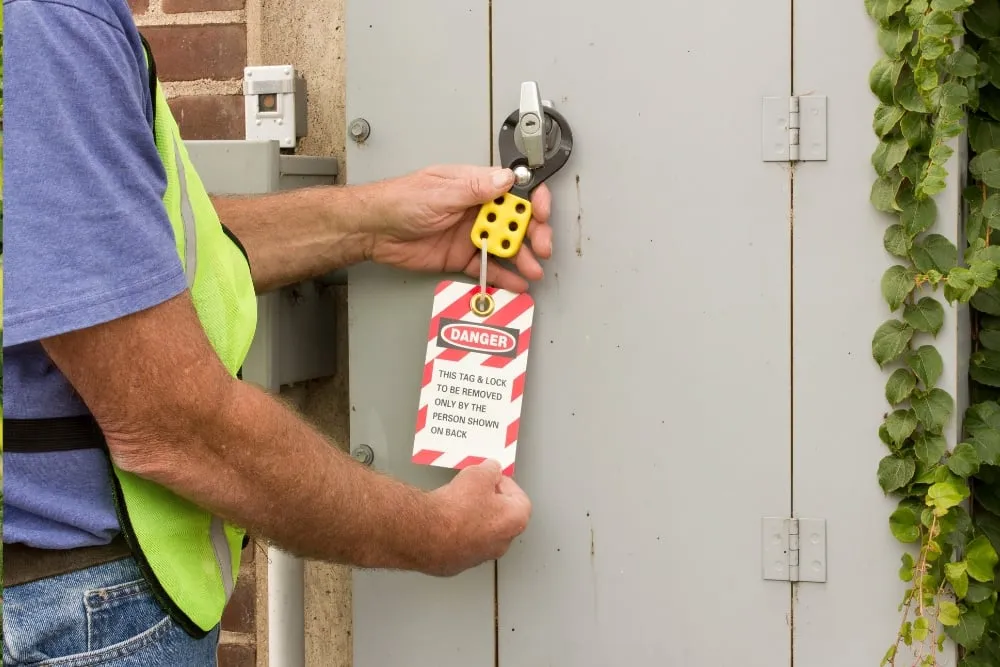
Lockout/tagout (LOTO) procedures are essential for protecting workers from hazardous energy sources during maintenance and servicing of machinery. A crucial step in implementing an effective LOTO program is conducting a thorough risk assessment. This process helps identify potential hazards, assess risks, and develop appropriate control measures to ensure the safety of personnel. In this article, we’ll guide you through the steps of conducting a lockout/tagout risk assessment for your workplace.
Understanding the Importance of a Risk Assessment
Identifying Potential Hazards
The first step in conducting a lockout/tagout risk assessment is to identify all potential sources of hazardous energy in your workplace. These may include electrical, mechanical, hydraulic, pneumatic, chemical, and thermal energy sources. Walk through your facility and make a comprehensive list of equipment and machinery that could pose risks to workers if not properly controlled during maintenance activities.
Assessing Risks
Once hazards are identified, the next step is to assess the risks associated with each energy source. Consider factors such as the likelihood of accidental startup, the severity of potential injuries, and the frequency of maintenance tasks. Assign a risk level to each identified hazard based on these criteria to prioritise mitigation efforts effectively.
Steps to Conduct a Lockout/Tagout Risk Assessment
Step 1: Gather Information
Collect documentation such as equipment manuals, schematics, and maintenance logs to understand how each machine operates and where potential energy hazards exist. Consult with maintenance personnel, operators, and safety officers to gain insights into specific risks associated with different equipment.
Step 2: Walkthrough Inspections
Physically inspect machinery and equipment to verify the presence of energy isolation points, lockout/tagout devices, and other safety features. Note any modifications or additions that may affect energy control procedures and update documentation accordingly.
Step 3: Hazard Analysis
Conduct a detailed hazard analysis for each piece of equipment identified during the walkthrough inspections. Consider factors such as stored energy, access points for maintenance, and the complexity of energy control procedures. Document findings to serve as a basis for developing specific lockout/tagout procedures.
Step 4: Risk Evaluation
Evaluate the identified hazards based on the likelihood and consequences of potential incidents. Use a risk matrix or similar tool to assign risk levels (e.g., low, medium, high) to each hazard. Prioritise mitigation actions for high-risk scenarios to minimise the likelihood of accidents and injuries.
Step 5: Control Measures
Develop and implement control measures to mitigate identified risks effectively. This may include upgrading or installing lockout/tagout devices, improving machine guarding, providing training for personnel, and establishing clear procedures for energy isolation and verification.
Implementing Your Findings
Training and Communication
Ensure that all employees involved in maintenance activities receive comprehensive training on lockout/tagout procedures, including the specific hazards identified during the risk assessment. Foster open communication between maintenance teams, supervisors, and operators to reinforce the importance of following established safety protocols.
Regular Review and Updates
Periodically review and update your lockout/tagout risk assessment to reflect changes in equipment, procedures, or workplace conditions. Incorporate lessons learned from incidents or near misses to continuously improve your LOTO program and enhance worker safety.
Securing Safety Through Assessment
Conducting a lockout/tagout risk assessment is not just a regulatory requirement but a critical step in protecting the well-being of your employees. By identifying potential hazards, assessing risks, and implementing effective control measures, you create a safer work environment where maintenance tasks can be performed confidently and without unnecessary risks.