
LockOut Equipment · 12 August 2024
Lockout/Tagout and Contractor Safety: What You Need to Know
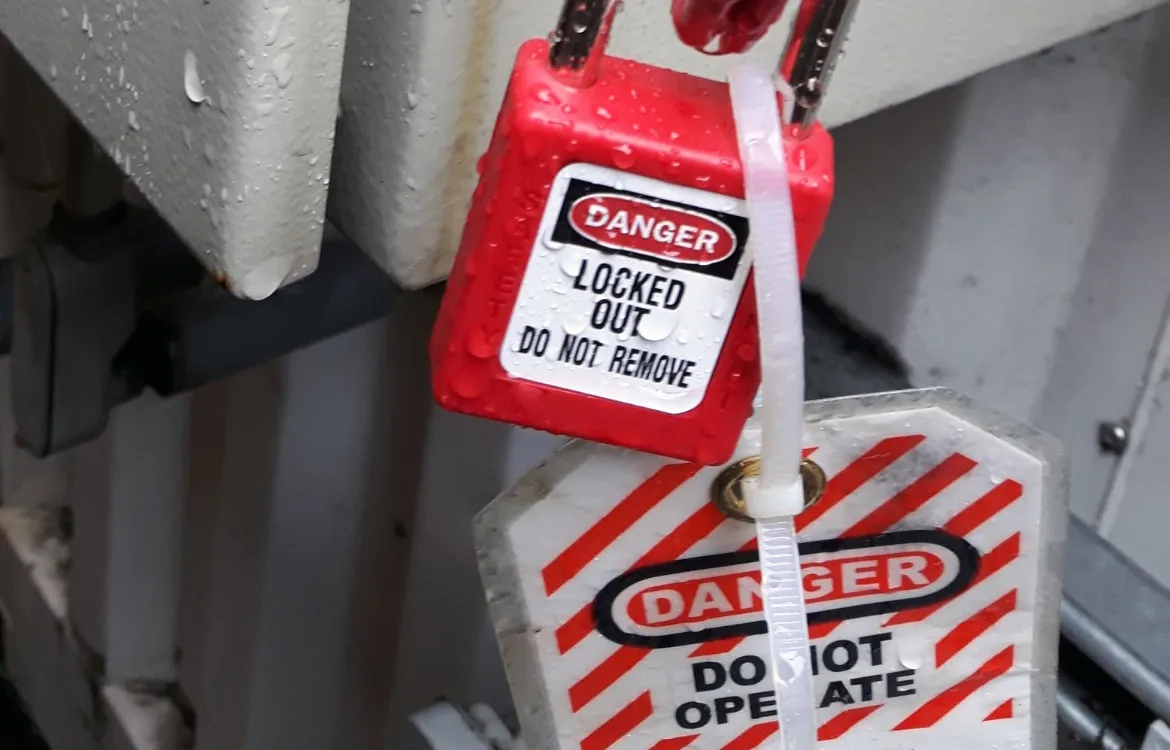
Lockout/Tagout (LOTO) procedures are crucial for ensuring safety in environments where machinery and equipment are being serviced or repaired. This article delves into the essentials of LOTO and its significance for contractor safety, highlighting best practices and the common pitfalls to avoid.

Understanding Lockout/Tagout (LOTO)
Lockout/Tagout refers to a set of safety procedures used to ensure that machines are properly shut off and not able to be started up again before maintenance or repair work is completed. The primary aim is to prevent accidental machine start-up and protect workers from potential injuries.
The Importance of LOTO in Contractor Safety
Contractors often work on machinery or systems that are already operational, making them vulnerable to unexpected start-ups or energised equipment. LOTO procedures are vital in protecting contractors from these hazards. Without proper lockout and tagout protocols, contractors risk severe injuries or even fatalities from unexpected machine activation.
Key Elements of a Lockout/Tagout Program
A robust LOTO program includes several key elements: identification of energy sources, equipment shutdown procedures, isolation of energy sources, application of lockout devices, and verification of isolation. Each step is designed to ensure that the equipment is completely de-energised before any maintenance work begins. Training employees on these steps is essential for compliance and safety.
Training and Awareness: The Foundation of Safety
Training is the cornerstone of an effective LOTO program. All employees, including contractors, must be trained in the procedures relevant to their specific roles. This training should cover how to identify energy sources, the correct application of lockout devices, and the importance of verifying that the equipment is properly de-energised. Regular refresher courses can help maintain high safety standards.
Common LOTO Mistakes and How to Avoid Them
Despite the clear benefits of LOTO procedures, mistakes can and do happen. Common errors include improper application of lockout devices, failure to verify isolation, and insufficient training. To avoid these pitfalls, ensure that all LOTO procedures are strictly followed and that any issues are promptly addressed. Regular audits and safety checks can also help identify and rectify potential problems.

The Role of Personal Protective Equipment (PPE)
While LOTO procedures are crucial, they are not a substitute for personal protective equipment (PPE). Contractors should always wear appropriate PPE to protect themselves from other potential hazards present in the work environment. This includes items such as gloves, safety glasses, and hearing protection, depending on the nature of the work.
Legal Requirements and Compliance
Compliance with LOTO regulations is not just a best practice, it’s a legal requirement. In Australia, for example, the Work Health and Safety (WHS) Act and associated regulations mandate the implementation of LOTO procedures in workplaces where machinery and equipment are used. Non-compliance can result in significant fines and legal repercussions, making it essential for businesses to adhere to these requirements.
Implementing LOTO Procedures for Contractors
When hiring contractors, ensure that they are familiar with your LOTO procedures and understand the specific requirements of your site. Provide them with the necessary training and resources to comply with your safety protocols. Clear communication about safety expectations can help prevent misunderstandings and ensure that all parties adhere to established procedures.
Regular Audits and Continuous Improvement
Maintaining a safe work environment requires ongoing effort. Regular audits of LOTO procedures and safety practices can help identify areas for improvement. Continuous feedback from employees and contractors can also provide valuable insights into the effectiveness of your LOTO program and highlight areas where additional training or adjustments may be needed.
Safety Starts with Lockout/Tagout
Lockout/Tagout procedures are a vital component of contractor safety, ensuring that maintenance and repair work can be conducted without the risk of accidental machine start-up. By implementing and adhering to effective LOTO practices, training employees, and maintaining compliance with legal requirements, businesses can create a safer work environment for everyone involved. Remember, safety is not a one-time effort but an ongoing commitment that starts with proper lockout/tagout procedures.