Lockout Tagout · 27 December 2024
Why Lockout Tagout Is Changing in 2025
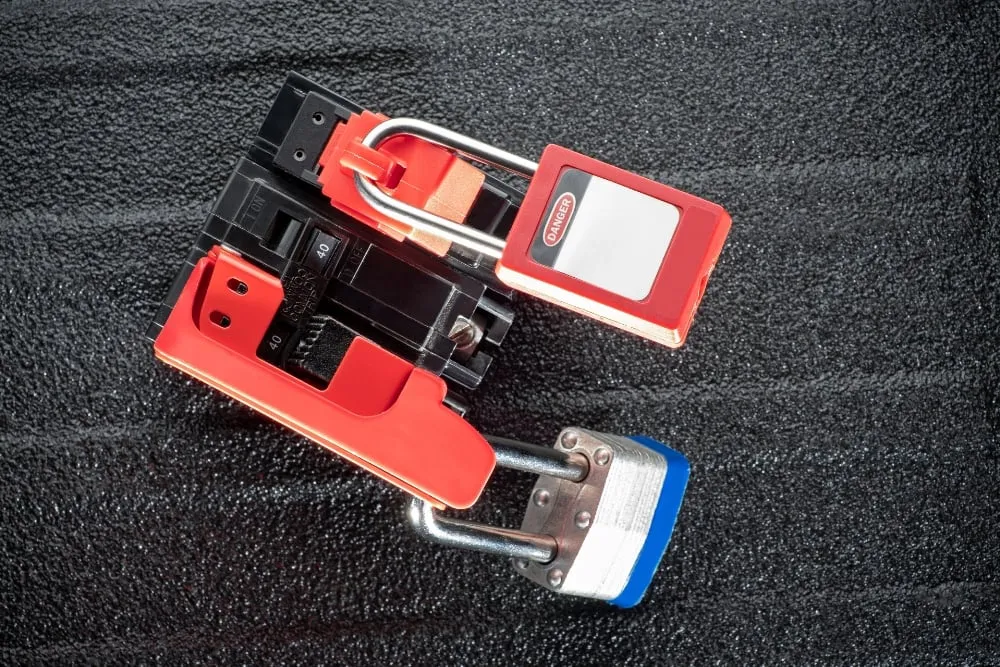
Lockout tagout is still critical for keeping workers safe, but many systems in place today no longer meet the needs of modern sites. Traditional approaches rely heavily on manual steps and paper-based tracking. These methods create delays, increase the risk of errors, and make compliance harder, especially in high-volume or multi-shift environments.
As more worksites adopt automation and tighter WHS rules, lockout tagout procedures must evolve to stay effective. Gaps in old systems not only lead to safety risks but can also result in costly penalties or failed audits.
New tools are making it easier to apply lockout tagout consistently and with better traceability. From digital logs to smart equipment, small changes can reduce human error and support compliance without slowing down operations. Safety teams can now take advantage of tools that improve both speed and accountability, while keeping workers protected during servicing and maintenance.
Digital Platforms Are Replacing Paper Logs
One major change is the move away from paper-based systems. Many sites now use digital lockout tagout platforms that provide real-time tracking of isolation points, responsible workers, and procedure status. These systems allow teams to view lockout activity on dashboards, generate automated reports, and reduce the time spent managing handovers between shifts.
Cloud-based tools allow access from mobile devices, so supervisors can check compliance without being on-site. Alerts can flag overdue jobs, missed lockouts, or potential risks. This improves transparency and reduces reliance on verbal handover or handwritten tags, both of which are prone to error.
Integration with other safety systems is also increasing. Some digital solutions connect with risk management platforms or asset maintenance software to centralise information. This shift supports consistent lockout tagout performance across teams and work areas.
Smart Locks and QR Codes Improve Control
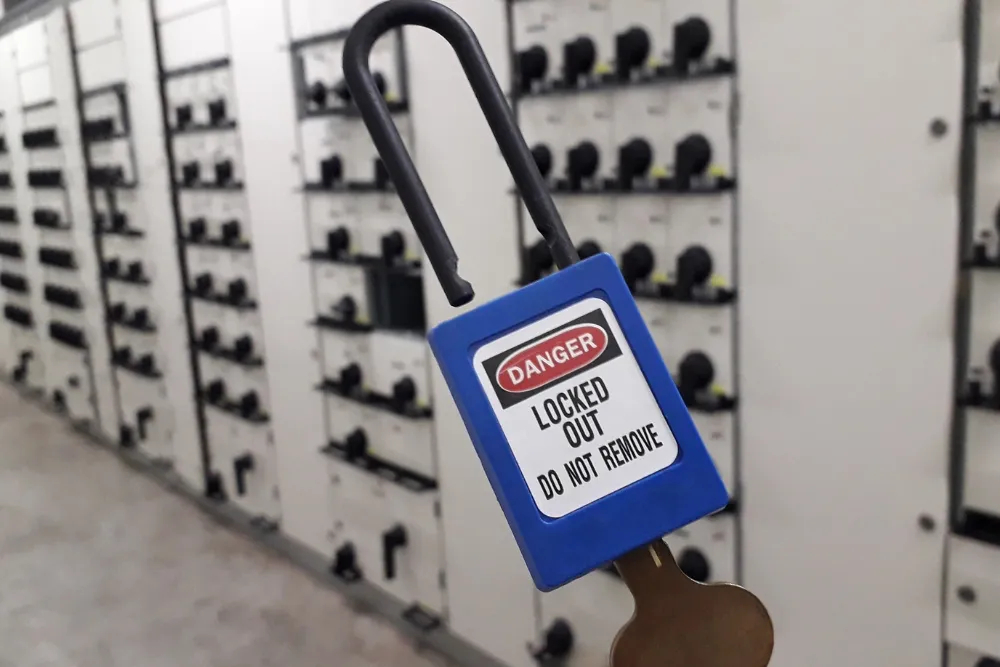
Smart locks offer greater control and visibility over who applies or removes a device. These locks often include Bluetooth, RFID, or biometric access, limiting use to authorised personnel. Each action is logged, time-stamped, and traceable, reducing the risk of accidental release.
QR codes are also becoming more common on lockout gear. Scanning a tag can bring up isolation steps, diagrams, or maintenance history directly on a phone or tablet. This removes guesswork and helps workers confirm correct procedures while in the field.
Adding QR codes or smart locks doesn’t require major process changes. They act as add-ons that improve system accuracy and support better recordkeeping. For sites with frequent contractors or equipment turnover, these tools reduce confusion and make training easier to apply.
Mobile-Based Lockout Tagout Training Tools
Onsite training is shifting away from long manuals and toolbox talks. Mobile-based tools now allow workers to access lockout tagout procedures through short videos, interactive apps, or checklists. These can be used at the point of work, not just during scheduled training days.
Digital learning platforms help onboard new staff or contractors more efficiently. Workers can review the correct lockout process for a specific machine while standing next to it, reducing errors caused by outdated memory or missing steps.
Many mobile tools now include progress tracking. Supervisors can view who has completed what training and when. This provides a clearer picture of site readiness and supports WHS compliance documentation.
Custom Lockout Kits for Site-Specific Needs
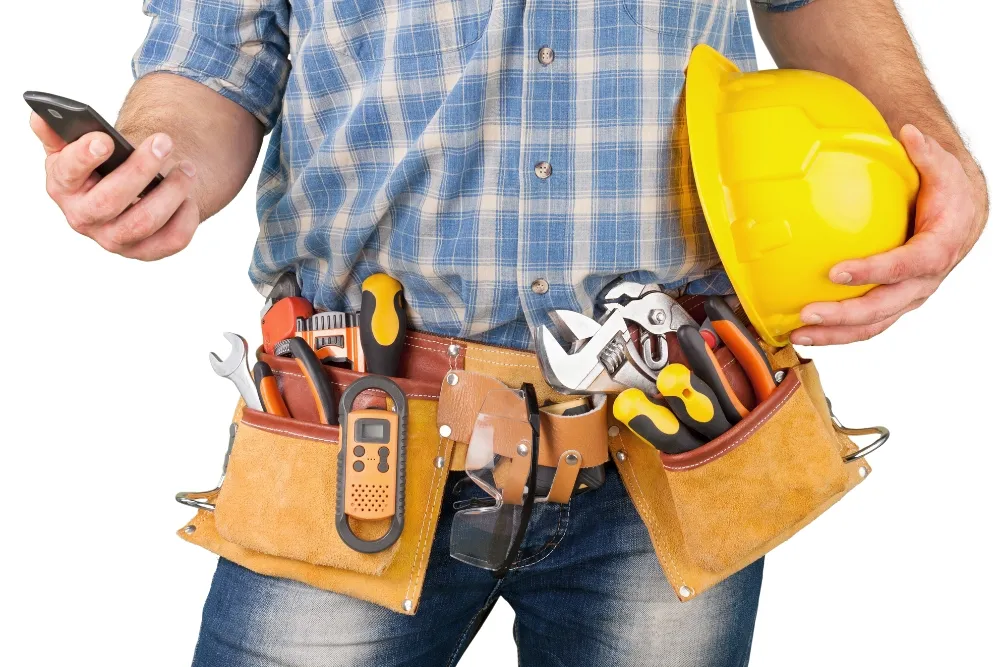
Generic lockout kits often lead to missing gear, wrong devices, or confusion about which item to use. Many businesses now assemble customised kits for each area, team, or equipment type. This ensures each kit matches the lockout tagout points found in that zone.
Customisation can include colour-coded tags, pre-labelled devices, or containers that store only what’s required for the task. This saves time during isolations and reduces clutter that may lead to errors.
Specialised kits also support consistent use across teams. By aligning the kit with current equipment and staff familiarity, workers are more likely to apply procedures correctly. This approach simplifies lockout processes without increasing risk.
IoT Integration and Remote Monitoring
IoT devices are beginning to supplement lockout tagout setups in industrial environments. Sensors can detect machine status, trigger alerts if equipment is restarted during servicing, or provide real-time feedback on isolation compliance.
This technology adds an extra safeguard beyond human checks. If a step is missed or a procedure is incomplete, the system can warn the supervisor or lock the machine from restarting. This reduces reliance on visual tags alone.
Remote monitoring is also growing. Supervisors can track lockout actions from a control room or external location. This is particularly useful on large sites or in hazardous zones where physical access is limited.

What’s Next for Lockout Tagout Procedures
Lockout tagout is becoming more connected, more visible, and more tailored to how real worksites operate. Future tools are already in trial stages and include:
- Wearable alerts when workers enter isolation zones
- Voice-activated or touch-free lockout tools
- Integration with predictive maintenance platforms
- QR-linked training guides customised to machines
These tools are designed to support fast-paced worksites without compromising safety. Many features can be added gradually, giving teams time to adapt while improving overall control.
Adopting modern tools also supports clearer documentation and audit readiness. As WHS regulators focus more on traceability and training, digitised systems can help teams stay ahead without increasing workload.
Talk to Locksafe About Smarter LOTO Systems
Locksafe supports Australian worksites with site-ready lockout tagout solutions. From custom kits and digital tools to WHS-compliant training materials, we work with safety managers to improve control and reduce risk.
Whether you’re upgrading a basic system or starting from scratch, our team can help you select the right setup for your equipment, staff, and compliance goals.
Contact us to start building a smarter lockout tagout system that fits your site’s needs.