
Tag Out System · 16 November 2023
Utilising Tag Out Systems to Achieve Regulatory Compliance

Keeping our mates safe around heavy machinery isn’t just a challenge; it’s a responsibility. We all know the worry that comes with managing risky energy sources, right? Well, we’re here to yarn about how a solid tag-out system can be your best mate in these situations.
In this yarn, we’ll break down how you can nail tag out practices to stay on the right side of the rules and more importantly, keep everyone as safe as houses. Stick with us, sorting this out is easier than you might reckon!
Key Takeaways
- A comprehensive lockout/tagout (LOTO) procedure is essential for maintaining workplace safety and achieving regulatory compliance.
- Utilising tag-out systems involves shutting down equipment, using energy isolation devices, and applying lockout/tagout tags to prevent hazardous energy release during maintenance or servicing.
- Adhering to Lockout/Tagout standard guidelines is crucial for promoting LOTO compliance through regular inspections, audits, and employee training on LOTO procedures.
- Inadequate lockout/tagout procedures can lead to common violations such as neglecting inspections, inadequate training, and using defective devices; addressing these issues ensures a safe working environment while achieving regulatory compliance.
Understanding Lockout/Tagout (LOTO)
LOTO, also known as lockout/tagout, is a safety procedure used to ensure that industrial equipment and machinery are properly shut off and not able to be started up again until maintenance or servicing is complete.
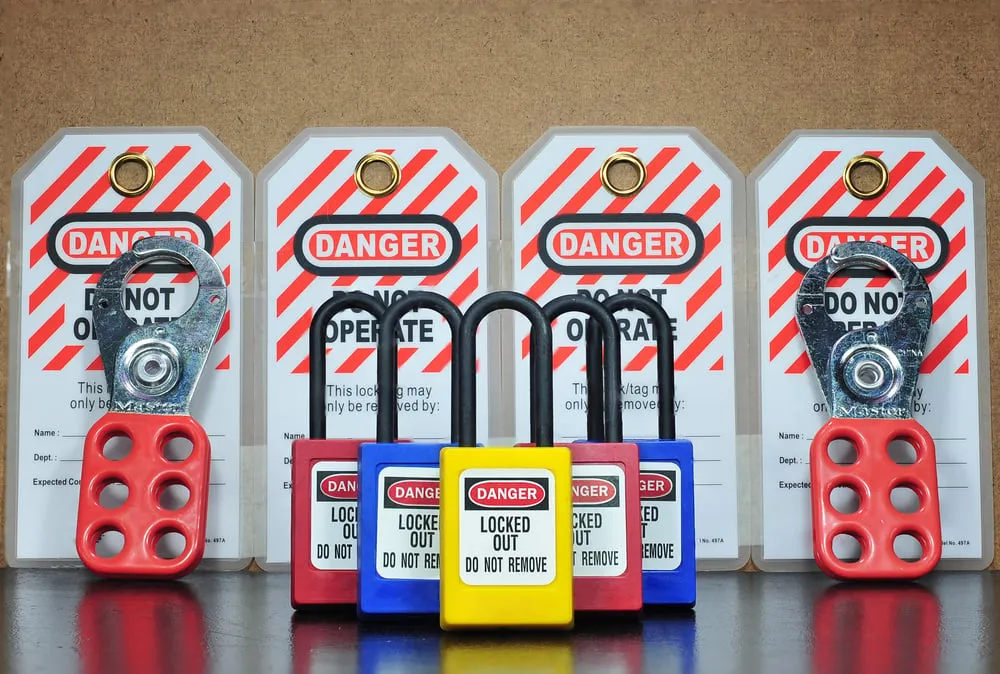
What is LOTO?
Lockout tagout, or LOTO as it’s often called, plays a crucial role in keeping us safe while working around machines that can be downright dangerous. It’s all about making sure that equipment is completely turned off and incapable of accidentally starting up again – picture putting a big red stop sign on the power controls that everyone respects.
We lock those controls down tight and slap a warning label on them, so no one even thinks about flipping the switch until it’s safe to do so.
Tagging out is part of this safety dance too. It involves attaching tags with clear warnings and instructions right there on the spot where energy sources get shut off. This way, everyone’s in the loop; from colleagues to maintenance folks know not to touch anything without checking first.
By rigorously applying these steps, we keep people protected from unexpected releases of hazardous energy, electricity, steam, pressure, you name it, that could potentially cause harm or worse during servicing or maintenance work.
Importance of LOTO
Understanding the importance of LOTO is vital for ensuring workplace safety and regulatory compliance. Implementing a comprehensive lockout/tagout procedure helps protect workers and employees from hazardous machinery, preventing potential accidents and injuries.
By effectively locking out equipment and using energy isolation devices, businesses can mitigate the risk of dangerous energy releases, safeguarding their workforce and adhering to regulations.
Properly trained employees in lockout/tagout procedures are crucial for successful implementation. Providing training on LOTO protocols not only ensures compliance with regulatory requirements but also empowers workers to play an active role in maintaining a safe working environment.
Key components of a comprehensive LOTO procedure
Ensuring the safety of employees and compliance with regulatory standards necessitates a comprehensive lockout/tagout (LOTO) procedure. The key components include identifying all energy sources, preparing a written LOTO program, providing proper training to authorised employees, using suitable locks and tags for isolation, implementing procedures for group lockout or shift changes, and conducting regular inspections to ensure effectiveness.
Clear communication about the equipment being serviced along with reliable lockout devices is essential in preventing hazardous energy release during maintenance or repair activities.
Maintaining an updated inventory of lockout/tagout devices and ensuring that all necessary materials are readily available is crucial for successful implementation. It’s imperative to involve relevant personnel in developing and reviewing the LOTO procedure regularly to address any changes in machinery or work processes.
Lockout/Tagout Standard
The lockout/Tagout standard outlines the specific requirements and exceptions for implementing LOTO procedures in different workplace settings. Non-compliance with these standards can result in serious violations and penalties, making it crucial to understand and follow them diligently.
Exceptions to the standard
Exceptions to the standard are situations where lockout/tagout may not be required. However, it’s essential to assess each case carefully and ensure that safety measures are still in place. Here are some scenarios where lockout/tagout exceptions might apply:
- Minor servicing tasks that are routine and repetitive with predictable risks, and performed during normal production operations.
- Work involving cord-and-plug connected equipment or mobile equipment, which is under the exclusive control of the employee performing the maintenance.
- Servicing that does not expose employees to unexpected energisation start-up of equipment or release of hazardous energy.
- Hot tap operations involving transmission and distribution systems for gas, steam, water, or petroleum products are performed under specific procedures to control hazards.
- Certain servicing activities on machinery if alternative measures provide effective protection from hazardous energy.
Common violations
We understand the importance of adhering to the lockout/tagout standard, and it’s crucial to be aware of common violations that can impact regulatory compliance. Here are some common violations to look out for:
- Failure to have a comprehensive and up-to-date lockout/tagout procedure in place, including inadequate isolation methods and energy control procedures.
- Neglecting to conduct regular inspections and audits of the lockout/tagout system, leading to overlooked deficiencies or outdated equipment.
- Inadequate training of employees on proper lockout/tagout procedures, resulting in misunderstandings or oversights during equipment shutdown and maintenance.
- Using defective or improper lockout/tagout devices can compromise the safety of workers when interacting with machinery or equipment.
- Lack of documentation and record-keeping related to lockout/tagout activities, including incomplete procedures, missing tags, or inadequate communication among employees involved in the process.

Steps for Implementing LOTO
Prepare for the LOTO procedure by identifying all energy sources and equipment that need to be locked out or tagged out.
Preparation
Before starting the lockout/tagout process, it is crucial to gather all necessary equipment and tools. This includes obtaining the appropriate locks, tags, and energy isolation devices required for the specific machinery or equipment being serviced.
It’s also essential to properly train and educate employees on the procedures involved in preparing for a successful LOTO implementation. Understanding the legal requirements and standards for tagout devices is paramount when getting ready to initiate the lockout/tagout process, ensuring that you are compliant with regulatory guidelines.
Preparing for a lockout/tagout requires thorough planning and coordination among all involved personnel. Identifying energy sources, understanding potential hazards associated with machinery or equipment, and having a detailed checklist in place can significantly contribute to seamlessly executing this critical safety procedure.
Shut down and isolation
To ensure safety, we must shut down and isolate the equipment. This step involves turning off the machinery or equipment and then using suitable energy isolation devices to block energy from one or more sources.
By shutting down and isolating the equipment, we prevent hazardous energy releases that could pose a danger to workers. It is crucial to adhere to this procedure as part of our lockout/tagout (LOTO) program to protect employees and comply with regulatory standards.
Properly executing the shutdown and isolation process is essential for safeguarding workers from potential hazards associated with energised equipment. Utilising tag-out systems provides an effective means of achieving regulatory compliance while promoting LOTO safety in various work environments, ensuring that dangerous equipment is properly locked out and tagged out before any maintenance or servicing work commences.
Lockout/Tagout application
After completing the shutdown and isolation process, it is crucial to proceed with the application of lockout/tagout systems to ensure equipment safety. Implementing this step involves securing energy isolation devices and affixing lockout/tagout tags on machinery or equipment.
Lockout entails physically locking an energy isolation device in the off position, while tagout involves attaching prominent warning tags to indicate that a specific machine or equipment must not be operated.
These procedures are vital for preventing accidental startup or release of hazardous energy during maintenance work.
Utilising appropriate lockout/tagout devices and procedures is non-negotiable when considering workplace safety. The presence of clear labels, secure locks, informative tags, and effective communication protocols dramatically reduces the risks associated with equipment start-up accidents and protects employees from potential harm.
Stored energy check
After completing the lockout/tagout application process, it is crucial to conduct a stored energy check. This step involves ensuring that all residual energy in the machinery or equipment has been dissipated or safely contained.
This may include releasing hydraulic pressure, discharging capacitors, and verifying that no mechanical parts are under tension. The stored energy check must be meticulously carried out to prevent unexpected startup or release of hazardous energy during maintenance or servicing.
As part of a comprehensive lockout/tagout procedure, conducting a thorough stored energy check is imperative for safeguarding employees from potential workplace hazards. By following this critical step, home, industrial, and office owners can ensure compliance with regulatory standards and promote a safe working environment for their employees.
Isolation verification
After completing the stored energy check, it is crucial to perform isolation verification to ensure that all energy sources are effectively blocked. Isolation verification involves physically testing and inspecting each energy isolation device to confirm that the equipment is properly shut off and cannot be restarted.
This step must be conducted by a qualified individual to guarantee that no hazardous energy can inadvertently re-energise the machinery or equipment, posing a risk to employees and workers.
During isolation verification, it is essential to follow a comprehensive checklist covering all aspects of isolating energy sources, as outlined in the lockout/Tagout Fact Sheet.
Re-energising equipment
After ensuring proper isolation and verifying that stored energy has been effectively controlled, the final step in the lockout/tagout process is re-energising equipment. Before restarting any machinery or equipment, it is essential to ensure that all personnel have cleared the area and are safe from any potential harm.
Once this has been confirmed, carefully remove all lockout/tagout devices and reactivate the energy sources as per the specific procedures outlined in your LOTO plan. Always follow a systematic process for re-energising equipment, including performing required system checks before resuming normal operations.
Re-energising equipment should only be undertaken by authorised personnel who have received appropriate training on lockout/tagout procedures. It’s crucial to remember that any deviation from established safety protocols during this phase could result in serious accidents or injuries.
Training Employees on LOTO Procedures
Training your employees on Lockout/Tagout procedures is crucial to ensure their safety and compliance with regulations. It’s important to involve all relevant staff and provide comprehensive training on LOTO devices and procedures.
Importance of training
Training employees on lockout/tagout (LOTO) procedures is crucial for ensuring workplace safety and regulatory compliance. It equips workers with the knowledge and skills needed to effectively implement LOTO protocols, reducing the risk of accidents and injuries.
Proper training also fosters a culture of awareness and responsibility among employees, empowering them to identify potential hazards and take appropriate action to mitigate risks.
Furthermore, investing in comprehensive training programs demonstrates a commitment to employee well-being and legal compliance. By involving all relevant personnel in LOTO training, including supervisors, maintenance personnel, and authorised employees, businesses can create a cohesive approach to energy control that aligns with standards while promoting a safer work environment for everyone involved.
Who should be involved in LOTO?
To ensure effective implementation of lockout/tagout (LOTO) procedures, the following individuals should be involved:
- Managers and supervisors: They play a crucial role in overseeing and enforcing LOTO procedures within their respective departments.
- Maintenance personnel: These employees are responsible for carrying out the lockout/tagout process on equipment and machinery.
- Safety officers: Their expertise is vital in developing, implementing, and monitoring compliance with LOTO policies and procedures.
- Operations staff: Involving operators in LOTO ensures that those who work directly with equipment are equipped to implement and adhere to lockout/tagout measures.
- Training facilitators: Personnel authorised to conduct LOTO training sessions must be involved in designing and delivering comprehensive training programs.
- Equipment manufacturers: Collaborating with manufacturers can help ensure that the safety features of machinery align with LOTO requirements.
Lockout/Tagout devices and procedures
After establishing the need for training employees on Lockout/Tagout (LOTO) procedures, it’s essential to understand the critical role of LOTO devices. Utilising reliable lockout/tagout devices and procedures is crucial in ensuring the effective isolation of energy sources during equipment maintenance or servicing activities.
Employing suitable locks, tags, and energy isolation devices is vital for preventing accidental re-energisation and protecting workers from hazardous energy while performing tasks such as repairs, adjustments, or inspections on machinery or equipment.
Implementing comprehensive lockout/tagout devices and procedures requires a clear understanding of legal requirements and standards for tag-out systems. It’s imperative to have a thorough checklist that includes details about appropriate lockout/tagout devices as well as safety measures when applying these control methods.
Maintaining LOTO Compliance
Regular inspections and audits are crucial for ensuring ongoing compliance with lockout/tagout procedures, as well as creating a comprehensive LOTO program and policy to address any potential risks or updates in regulations.
Additionally, utilising lockout/tagout software and templates can streamline the process of maintaining compliance with regulatory standards.
Inspections and audits
As part of maintaining lockout/tagout (LOTO) compliance, regular inspections and audits are crucial for ensuring the effectiveness of the LOTO program. Here’s how to conduct inspections and audits effectively:
- Regularly scheduled inspections of all equipment and machinery to check for any signs of wear, damage, or malfunction that could compromise the effectiveness of LOTO procedures.
- Conduct thorough audits of the entire lockout/tagout program to ensure that all employees are following proper procedures and using appropriate devices.
- Document all inspection and audit findings, including any corrective actions taken to address identified issues.
- Review previous inspection and audit reports to identify any recurring issues or trends that may indicate larger systemic problems with the LOTO program.
- Provide ongoing training and support to employees involved in LOTO procedures to ensure they understand the importance of inspections and audits in maintaining a safe working environment.
- Utilise lockout/tagout software and templates to streamline the inspection and audit process, making it easier to track compliance and identify areas for improvement.
Creating a LOTO program and policy
To create a robust LOTO program and policy, we need to establish clear procedures for locking and tagging out equipment. This involves identifying all energy sources and potential hazards, developing written policies for lockout/tagout, and ensuring all employees are trained in the procedures.
We need to conduct regular audits to ensure compliance with the established policies. Utilising LOTO software can streamline the management of these processes, providing templates for creating standardised lockout/tagout procedures.
By implementing a comprehensive LOTO program and policy, we can achieve regulatory compliance while promoting a safe work environment for everyone involved.
Utilising lockout/tagout software and templates
After establishing a LOTO program and policy, we can further streamline our lockout/tagout procedures by utilising software and templates. This approach assists in organising the necessary documentation, generating standardised lockout/tagout procedures, and simplifying compliance management.
Additionally, it provides a systematic way to track equipment maintenance, inspection schedules, training records, and audit results. By leveraging dedicated software and templates designed for lockout/tagout processes, we can enhance our operational efficiency while ensuring regulatory compliance with ease.
Implementing lockout/tagout software offers centralised access to critical information such as energy control procedures, equipment specifics requiring lockouts/tags outs, and employee training records on LOTO protocols.
Maximise the Use of Tag Out Systems
In conclusion, utilising tag-out systems is essential for achieving regulatory compliance and promoting workplace safety. Implementing a comprehensive lockout/tagout program ensures that dangerous equipment is properly shut off and cannot be started, safeguarding workers around machinery.
By following the lockout/tagout standard guidelines and maintaining LOTO compliance through inspections, and audits, creating a robust policy, and using appropriate software and templates, businesses can ensure employee safety and regulatory adherence.
Training employees on LOTO procedures is crucial for effectively implementing tag-out systems in the workplace.