
Tag Out System · 1 November 2023
Unleashing the Power of Tag Out Systems

Ever strolled into a bustling worksite and been greeted by the lively thrum of machinery? Yeah, we know that feeling all too well – that keen awareness that a single misstep with the gear can spell trouble.
But fret not, because lockout tagout (LOTO) is here like a trusty mate keeping us safe from those cheeky machine start-ups when we’re doing maintenance. So let’s sink our teeth into this guide to become LOTO legends and keep our crew out of harm’s way, let’s have a yarn about safety made simple!
Key Takeaways
- Lockout/tagout (LOTO) systems are essential for workplace safety, isolating hazardous energy sources during equipment maintenance or servicing.
- Compliance with OSHA standards related to lockout/tagout procedures is crucial for maintaining a safe work environment and avoiding potential violations and penalties.
- Businesses can benefit from implementing a comprehensive lockout/tagout system through proper preparation, shutdown and isolation, stored energy checks, isolation verification, and re-energising equipment.
Understanding Lockout/Tagout Systems
Lockout/Tagout systems are crucial for workplace safety, as they help in isolating hazardous energy sources during equipment maintenance or servicing. OSHA standards and violations play a significant role in enforcing the importance of these procedures.
Definition
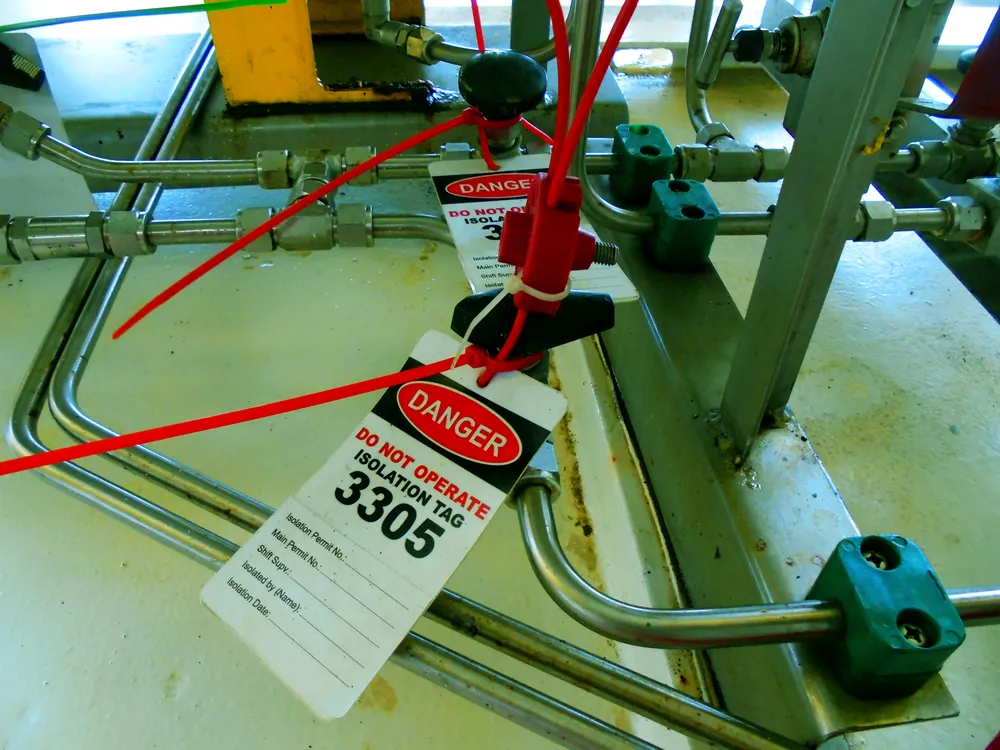
A lockout tagout (LOTO) system is a safety measure that we use to ensure the machines and equipment we work with are completely powered down and cannot accidentally start up. We place locks and tags on the energy sources, which signal to everyone that the machinery is not to be operated until these safety devices are removed.

This process keeps all of us safe from sudden releases of hazardous energy while performing maintenance or servicing tasks.
We implement this essential protocol across various settings, including homes, offices, and industrial workplaces. It involves isolating equipment from its power source by blocking or disconnecting it so no harmful energy is present.
When we follow LOTO guidelines religiously, serious accidents can be prevented, making our working environments safer for everyone involved.
Importance
Transitioning from understanding the definition of lockout/tagout systems, we emphasise the importance of implementing this safety procedure. It is crucial for businesses to prioritise lockout/tagout (LOTO) procedures to ensure the safety of their employees and prevent workplace accidents.
By isolating equipment from all energy sources before maintenance or servicing, LOTO significantly reduces the risk of unexpected start-up and potential hazards in the workplace. Understanding and implementing proper lockout/tagout procedures are essential, making a comprehensive guide to LOTO indispensable for maintaining a robust safety protocol within any business setting.
Businesses must comprehend that embracing a comprehensive guide to LOTO is not merely about compliance with regulations but also about safeguarding employees’ well-being while preserving industrial machinery.
OSHA Standards and Violations
OSHA standards mandate that businesses must comply with specific regulations to ensure the safety of their employees when working on or around equipment and machinery. Failure to adhere to these standards can result in serious violations and penalties, posing a significant risk to both employees and the business itself.
It is crucial for businesses to understand and implement OSHA standards related to lockout/tagout procedures, as non-compliance can lead to workplace accidents and potential hazards.
Business owners need to be aware of the importance of following OSHA standards regarding lockout/tagout procedures. By ensuring compliance with these regulations, they can create a safer work environment for their employees while also avoiding costly violations and penalties that may arise from non-compliance.
Key Components of a Comprehensive Lockout/Tagout Procedure
We will discuss the critical steps involved in a comprehensive lockout/tagout procedure, including preparation, shutdown and isolation, lockout/tagout, stored energy check, isolation verification, and re-energising equipment.
Preparation
To prepare for a lockout/tagout procedure, it’s essential to take the following steps:
- Identify all energy sources: Locate and document all energy sources that need to be isolated before maintenance or servicing.
- Develop a list of equipment: Create a comprehensive list of machinery and equipment that will require lockout/tagout procedures.
- Obtain necessary lockout/tagout devices: Acquire suitable lockout devices, such as padlocks and tags, to ensure proper isolation of equipment.
- Train employees on preparation procedures: Educate employees on identifying energy sources and using lockout/tagout devices effectively.
- Document preparation steps: Keep detailed records of the preparation process for future reference and training purposes.
Shut Down and Isolation
Before moving on to the next step, “Shut Down and Isolation,” it is important to ensure that all equipment and machinery are properly shut off. This involves the following steps:
- Verify that all connected power sources have been switched off to prevent any energy flow into the equipment.
- Identify and isolate all energy sources, including electrical, hydraulic, pneumatic, and potential gravity energy, to prevent accidental start-up.
- Physically lockout/tagout each energy isolation point using appropriate devices such as padlocks and tags to prevent re-energisation.
- Communicate clearly with all involved personnel about the status of the shutdown and isolation process to ensure everyone is aware of the safety precautions in place.
- Confirm that all potentially hazardous stored energy has been dissipated or controlled to eliminate any risk of unexpected release during servicing or maintenance activities.
Lockout/Tagout
Lockout/Tagout (LOTO) is a crucial safety procedure used to prevent exposure to hazardous energy from machinery and equipment. It involves the use of lockout devices, such as padlocks, to ensure that equipment is properly shut off and cannot be started. This system blocks all incoming energy and discharges all stored energy in the equipment, making it physically impossible for it to operate.
- Proper Isolation: LOTO ensures that all energy sources are isolated before maintenance or servicing, preventing unexpected start-up of equipment.
- Safety Compliance: Implementing LOTO procedures is essential for businesses to comply with safety regulations and protect the well-being of their employees.
- Preventing Hazards: A comprehensive understanding and implementation of LOTO procedures are imperative for preventing potential workplace accidents during equipment servicing.
- Employee Training: Providing thorough training on LOTO protocols is crucial for ensuring that employees understand the importance of proper lockout/tagout procedures.
- Maintenance Efficiency: By following LOTO guidelines, businesses can optimize their maintenance procedures, ensuring the safe isolation of equipment for servicing or repair.
- Risk Management: Adhering to LOTO practices helps businesses manage risks associated with operating industrial equipment, promoting a safe working environment.
- Ongoing Inspections: Regular inspections are necessary to ensure that lockout/tagout devices are functioning properly and meeting safety standards.
- Documentation and Reporting: Maintaining detailed documentation and reporting on LOTO procedures is vital for compliance, accountability, and continuous improvement in safety protocols.
- Software Integration: Implementing software solutions can streamline LOTO processes, providing templates for quick and efficient lockout/tagout procedures.
- Best Practices Implementation: Utilising clear communication, regular audits, proper device usage, and adherence to food safety guidelines are essential elements of an effective lockout/tagout program.
Stored Energy Check
A stored energy check is a critical step in the lockout/tagout procedure to ensure safety. It involves releasing or restraining any stored energy within the equipment or machinery. This step prevents the unexpected release of energy, which could lead to serious accidents. Here are the key aspects of a stored energy check:
- Verify that all sources of potential energy have been isolated and dissipated.
- Release any residual pressure, such as in hydraulic systems, through appropriate methods.
- Ensure that capacitors are discharged to eliminate electrical energy.
- Check for any remaining motion or stored kinetic energy and take necessary measures to dissipate it safely.
Isolation Verification
Isolation verification is a critical step in the lockout/tagout procedure to ensure that equipment and machinery are properly isolated from all energy sources before maintenance or servicing. Here are some essential aspects of isolation verification:
- Conduct a thorough inspection of the equipment to identify all potential energy sources, including electrical, mechanical, hydraulic, and pneumatic energy.
- Use testing equipment such as multimeters, voltage testers, and pressure gauges to verify that all energy sources have been effectively isolated.
- Ensure that isolation points are clearly labelled and easily identifiable to prevent any confusion during the verification process.
- Double-check the lockout/tagout devices and confirm that they have been properly applied to each isolation point to prevent accidental re-energisation.
- Utilise written procedures and checklists to systematically verify each isolation point, documenting the verification process for compliance and record-keeping purposes.
- Involve multiple authorised employees in the isolation verification process to provide additional oversight and accountability for ensuring the safety of maintenance personnel.
- Verify that stored energy has been dissipated or released through appropriate methods before initiating any maintenance or servicing tasks on the equipment.
- Implement regular audits and inspections of isolation points to ensure ongoing compliance with lockout/tagout procedures and maintain a safe working environment for employees.
Re-Energising Equipment
Once isolation verification has been completed, re-energising equipment must be approached with caution to ensure the safety of personnel and prevent workplace accidents. This is achieved through the following steps:
- Conduct a final inspection of all lockout/tagout devices to ensure they have been removed and all maintenance work has been completed.
- Notify all authorised employees that the equipment is about to be re-energised, ensuring that it is safe to do so.
- Verify that all employees are at a safe distance from the equipment before re-energising it.
- Gradually restore the energy supply in stages, ensuring that there are no sudden surges or spikes that could pose a hazard.
- Once energy has been restored, perform tests to verify that the equipment is functioning properly and safely before resuming normal operations.
Training Employees on Lockout/Tagout Procedures
Train your employees on the importance of Lockout/Tagout procedures and who should be involved. Provide resources and programs for ongoing safety training. Read more to ensure your workplace is compliant with occupational safety standards.
Importance of Training
Ensuring that all employees receive thorough training on lockout/tagout procedures is crucial to prevent workplace accidents and ensure their safety. Proper training provides employees with the knowledge and skills needed to effectively isolate equipment from energy sources, reducing the risk of unexpected start-ups during maintenance or servicing.
This helps businesses comply with OSHA standards and minimise violations by empowering their workforce with the necessary understanding of LOTO procedures.
Comprehensive training also enhances employee confidence in managing equipment isolation, supporting a culture of safety within the workplace. By investing in adequate resources and programs for lockout/tagout training, businesses can maintain a robust safety protocol and safeguard their employees against potential hazards.
Who Should be Involve
It is essential to ensure that multiple stakeholders are involved in the implementation of lockout/tagout procedures. The following personnel should be actively engaged in the process:
- Management: Upper management needs to endorse and actively support the lockout/tagout program, providing necessary resources and fostering a culture of safety.
- Safety Officers: They play a crucial role in developing, implementing, and maintaining the lockout/tagout program. They are responsible for conducting regular inspections and ensuring compliance with safety standards.
- Maintenance Personnel: These individuals are directly involved in the operation and maintenance of equipment, making their understanding and adherence to lockout/tagout procedures critical.
- Training Coordinators: Facilitating comprehensive training programs for employees on lockout/tagout protocols is a key responsibility. This ensures that all staff members understand the procedures and adhere to safety guidelines.
Resources and Programs
Now that we understand who should be involved in training employees on lockout/tagout procedures, let’s explore the resources and programs available to businesses. Utilizing comprehensive training materials, including visual aids like videos and instructional handbooks, can effectively convey the importance of lockout/tagout protocols.
Online courses and workshops are also valuable tools for educating employees about power isolation methods and compliance standards.
Businesses can access a range of programs designed specifically for maintaining a strong lockout/tagout system. These may include software for tracking maintenance schedules, documentation templates for recording equipment inspections, and regular safety audits to ensure compliance with food safety guidelines.
Maintaining a Strong Lockout/Tagout Program
Regular inspections are crucial for ensuring the effectiveness of the lockout/tagout program, while thorough documentation and reporting help in identifying potential risks and addressing them promptly.
Utilising software and templates can streamline the maintenance process and make it easier to track compliance with lockout/tagout procedures.
Regular Inspections
Regular inspections play a crucial role in ensuring the effectiveness of your lockout/tagout program. It helps to identify any potential issues or deviations from the standard procedures, allowing for prompt corrective action. Here are key aspects to consider during regular inspections:
- Verify that all energy isolation points are clearly labelled with appropriate tags and locks, ensuring easy identification for authorised personnel.
- Confirm that all lockout devices are in good condition, securely fastened, and used consistently as per the established procedures.
- Check for any signs of wear, damage, or tampering on lockout/tagout equipment, ensuring it is in optimal working condition.
- Review documentation and records to ensure that inspections have been conducted at scheduled intervals as per regulatory requirements.
- Evaluate the training records of employees involved in the lockout/tagout process to ensure they are up-to-date and compliant with safety protocols.
- Assess whether any changes in equipment or procedures necessitate updates to the existing lockout/tagout program.
- Conduct random spot checks to verify compliance with lockout/tagout procedures across different work areas and shifts.
Documentation and Reporting
We must maintain detailed records of all lockout/tagout procedures and activities, including equipment shut-down, isolation, and re-energising. These records are critical for documenting the steps taken to ensure the safety of employees during maintenance or servicing.
Reports should include information on who performed the procedure, when it was done, and any issues encountered. Regular inspections help in identifying potential risks and ensuring compliance with safety protocols.
With proper documentation in place, businesses can track the effectiveness of their lockout/tagout program and make improvements where needed. They can also use this information to demonstrate compliance with OSHA standards during inspections.
Software and Templates
After creating a robust lockout/tagout program, businesses can streamline their maintenance procedures and enhance workplace safety by utilising lockout/tagout software and templates.
These tools provide a structured approach to managing lockout/tagout procedures and help in documenting and tracking the process efficiently. With the aid of specialised software, companies can easily generate custom lockout/tagout procedures tailored to their specific equipment, ensuring compliance with regulations while minimising the risk of human error.
Moreover, utilising ready-made templates for lockout/tagout procedures can significantly expedite the implementation process for new equipment or machinery, simplifying training for employees and providing a standardised approach across different work areas.
Businesses are also empowered to maintain consistent documentation of all lockout/tagout activities through user-friendly software interfaces, reducing administrative burdens while enhancing accountability in safety protocols.
Best Practices for Lockout/Tagout Safety
- Clear communication and policies are essential for ensuring that all employees understand the importance of lockout/tagout procedures.
- Regular audits and enforcement help to maintain a strong culture of safety in the workplace.
- Proper use of lockout/tagout devices is crucial for preventing accidents and injuries.
- Following food safety guidelines is important when implementing lockout/tagout procedures in industries such as food processing and packaging.
Clear Communication and Policies
Effective communication and well-defined policies are essential for the successful implementation of lockout/tagout systems in any workplace. Establishing clear and concise procedures ensures that all employees understand their roles, as well as the steps required to safely isolate equipment from energy sources.
Regular training sessions and easily accessible resources help reinforce these protocols, promoting a culture of safety in the workforce. Additionally, implementing strict enforcement measures for non-compliance with lockout/tagout policies helps minimise the risk of workplace accidents and injuries.
Consistent communication regarding updates to lockout/tagout procedures is vital in ensuring that all team members remain informed about any changes or improvements to the system. Employers should also provide channels for feedback from employees to continuously improve the effectiveness of these safety measures.
Audits and Enforcement
Regular audits are crucial to ensure that lockout/tagout procedures are being followed effectively. Enforcement of policies and regulations is important in maintaining a safe work environment. Here are the key aspects of audits and enforcement:
- Conduct regular audits of lockout/tagout procedures to identify any gaps or areas for improvement.
- Ensure that all employees are trained on lockout/tagout protocols and enforce adherence to these standards.
- Implement a system for reporting and addressing any violations or non – non-compliance with lockout/tagout procedures.
- Utilise software and templates for tracking audit findings and enforcement actions.
- Establish clear consequences for non – compliance with lockout/tagout procedures to reinforce the importance of safety measures.
Proper use of Lockout/Tagout Devices
After ensuring that lockout/tagout procedures are being audited and enforced within the workplace, it is essential to also focus on the proper use of lockout/tagout devices. Here are some key points to consider:
- Always use the appropriate lockout/tagout device for the specific equipment or machinery being serviced.
- Make sure that all lockout/tagout devices are durable, standardised, and identifiable to ensure they cannot be removed or bypassed easily.
- Train employees on how to properly apply and remove lockout/tagout devices, emphasising the importance of following procedures accurately.
- Use only one employee-specific lock when multiple workers are servicing equipment to prevent accidental start-ups.
- Inspect all lockout/tagout devices regularly for damage or deterioration and replace them as necessary to maintain their effectiveness.
- Ensure that there are clear and visible labels on all lockout/tagout devices indicating who applied them when they were placed, and why they were used.
Food Safety Guidelines
Implementing food safety guidelines is imperative to protect consumers from potential hazards. Adhering to strict hygiene practices and proper handling of food products ensures that they remain safe for consumption.
Regular cleaning and sanitation help prevent contamination while maintaining optimal storage temperatures to preserve the quality and integrity of the products. Following these essential guidelines not only safeguards public health but also upholds your reputation as a provider of safe and reliable food items.
Observing stringent food safety guidelines significantly reduces the risk of foodborne illnesses and maintains consumer confidence in your products. By conducting regular inspections, adhering to proper storage protocols, and implementing thorough training for employees involved in handling food, businesses can effectively mitigate potential health risks associated with contaminated or mishandled products.
Learn about Comprehensive Guides for Businesses
In conclusion, businesses can benefit greatly from implementing a comprehensive lockout/tagout system. Understanding the importance of LOTO is crucial for protecting employees and preventing workplace accidents.
With clear communication, regular inspections, and proper training, businesses can maintain a robust safety protocol that safeguards their employees and prevents potential hazards in the workplace.