
LockOut Equipment · 2 October 2023
Types of Locks Used in Lockout Procedures
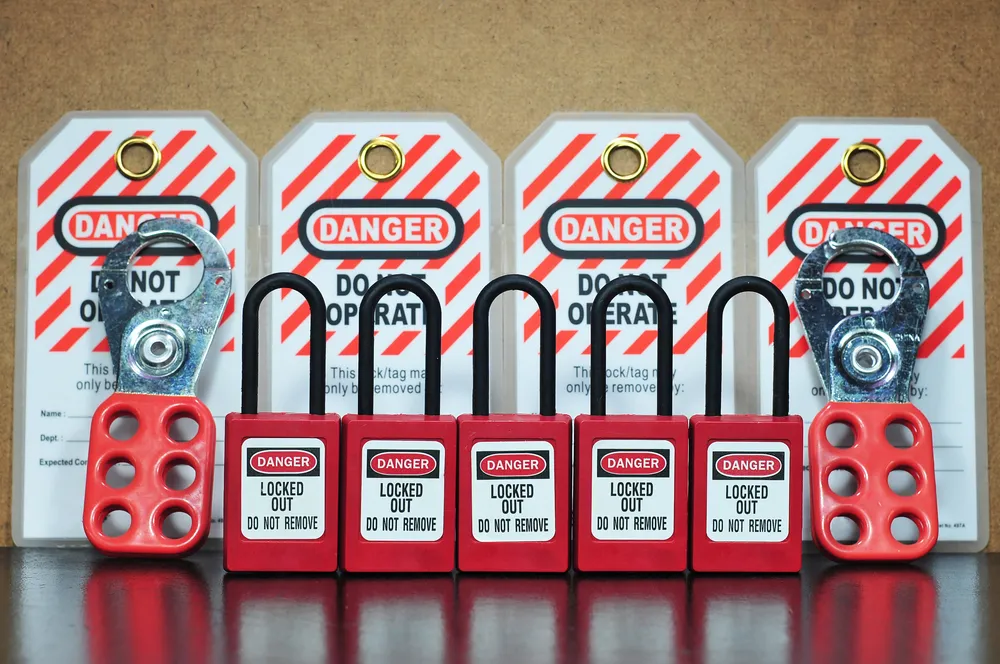
Feeling a bit swamped by the array of locks involved in lockout procedures? No worries at all! We’ve taken the time to dig deep into this issue and get our heads around it.
In this guide, we’re going to untangle different types of safes and their specific purposes so that you can suss out your options for better securing your property. Ready to take the plunge? Let’s crack on!
Key Takeaways
- Keyed locks are the most commonly used type of lock in lockout procedures.
- Valve lockout devices are essential tools for securing valves during repairs or maintenance.
- Padlocks provide an extra level of security in lockout/tagout procedures.
- Lockout devices, tagout devices, energy isolating devices, and lockout boxes are key components of a successful lockout/tagout procedure.
Importance of Lockout/Tagout Procedures
Lockout/Tagout procedures play a critical role in preventing unexpected startup or release of stored energy during maintenance and service activities. They ensure the safety of workers by establishing secure working conditions.
These lock systems prevent accidents that can result from accidental operation or use of equipment under repair or maintenance. Similarly, padlocks find frequent use in securing specific machinery or entire areas throughout service processes.
We often combine them with tags for identity verification purposes and additional safety assurance.
Applying lockout devices enables the attachment of one or more locks to an isolating mechanism, hindering its activation unintentionally. It’s standard practice to keep all keys away from the locks during such procedures; they stay safely with the person who applied the lock initially.
Meanwhile, inspecting workspaces forms a crucial part of Lockout/tagout protocols too, for guaranteeing that all pieces of equipment are appropriately secured before starting any work proceedings.
Types of Lockout Devices
There are several types of lockout devices that can be used in lockout procedures, including keyed locks, valve lockout devices, and padlocks.
Keyed locks
Keyed locks are the most commonly used type of lock in lockout procedures.
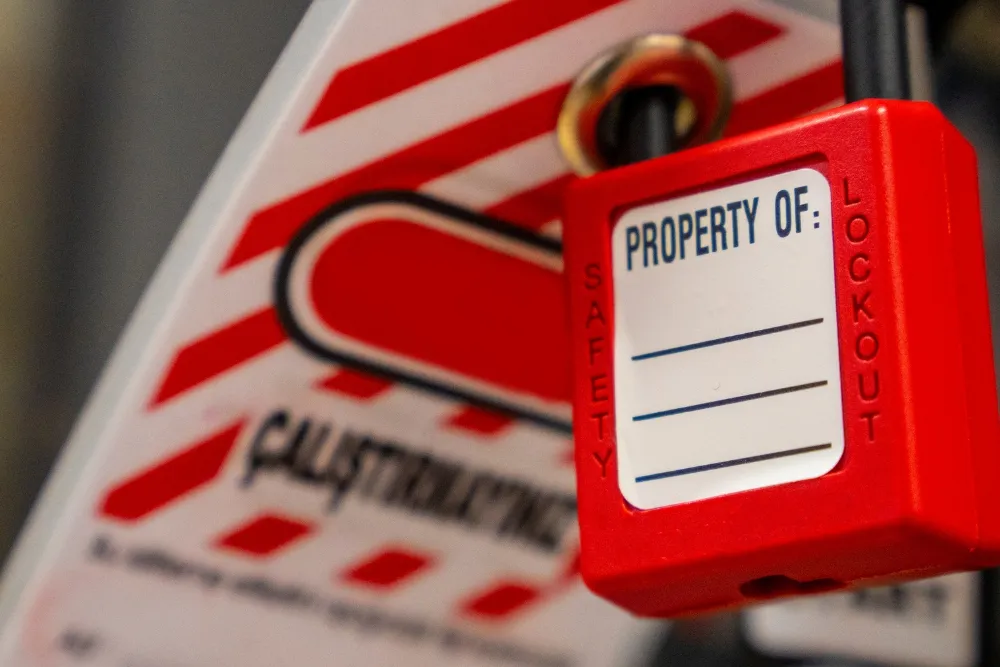
They are considered to be the cheapest and safest option for securing equipment and machinery during repairs or preventive maintenance.
When using keyed locks, it is important to remove all keys from the locks and keep them with the person who applied the lock. This helps ensure that only authorised personnel can access the locked-out area or equipment.
Additionally, lockout tags are often used along with keyed locks to identify the owner of the lock and provide extra information about why it is locked out. Lockout tags can also be used on their own in certain exceptional cases where a lock cannot be applied.
Valve lockout devices
Valve lockout devices are essential tools used in lockout procedures to ensure the safety of both homeowners and workers. These devices are specifically designed to secure valves, such as gate valves, ball valves, and plug valves, to prevent them from being accidentally activated or operated during repairs or maintenance activities.
By applying valve lockout devices, homeowners can effectively isolate the flow of fluids or gases in their plumbing systems, providing a safe working environment for themselves and any contractors carrying out necessary tasks.
These lockout devices play a crucial role in preventing accidents and injuries by minimising the risk of unexpected releases of hazardous substances while work is being performed on the valve system.
Padlocks
Padlocks are commonly used in lockout/tagout procedures to secure specific machinery, equipment, or even entire areas during repairs or preventive maintenance. These locks provide an extra level of security and prevent unauthorised access while work is being done.
Padlocks can be placed on plugs or other parts of electrical systems to ensure their proper isolation. It’s crucial to remember that all keys must be removed from these padlocks and kept with the person who applied the lock during lockout procedures.
By using padlocks, homeowners can ensure that their equipment and machines are safely locked down when not in use.
Key Components of a Lockout/Tagout Procedure
The key components of a Lockout/Tagout procedure are energy isolating devices, lockout devices, tagout devices, lockout boxes, and using specific colours for locks and tags. These components play a crucial role in ensuring the safety and effectiveness of the procedure.
To learn more about each component and how they contribute to a successful Lockout/Tagout process, keep reading.
Energy isolating devices
Energy isolating devices are a crucial component of lockout/tagout procedures. These devices ensure that equipment or machinery is completely disconnected from its energy source, making it safe for repairs or maintenance.
Energy isolating devices can include switches, valves, and breakers that physically separate the equipment from its power supply. By using these devices, homeowners can prevent accidental activation of machinery and protect themselves from potential hazards.
It is important to follow proper lockout procedures and always use the appropriate energy-isolating device for each piece of equipment to ensure safety during maintenance or repair work.
Lockout devices
Lockout devices are an essential component of lockout/tagout procedures for ensuring the safety of machinery and equipment. They allow one or more locks to be applied to energy-isolating devices, preventing their activation during repairs or maintenance.
Keyed locks, such as padlocks, are commonly used as lockout devices because they are cost-effective and secure. Lockout tags can also be used in conjunction with locks to identify the owner of the lock.
It is important to remove all keys from locks and keep them with the person who applied the lock during lockout procedures. By using lockout devices effectively, homeowners can ensure that their machinery and equipment remain safely isolated while work is being performed.
Tagout devices
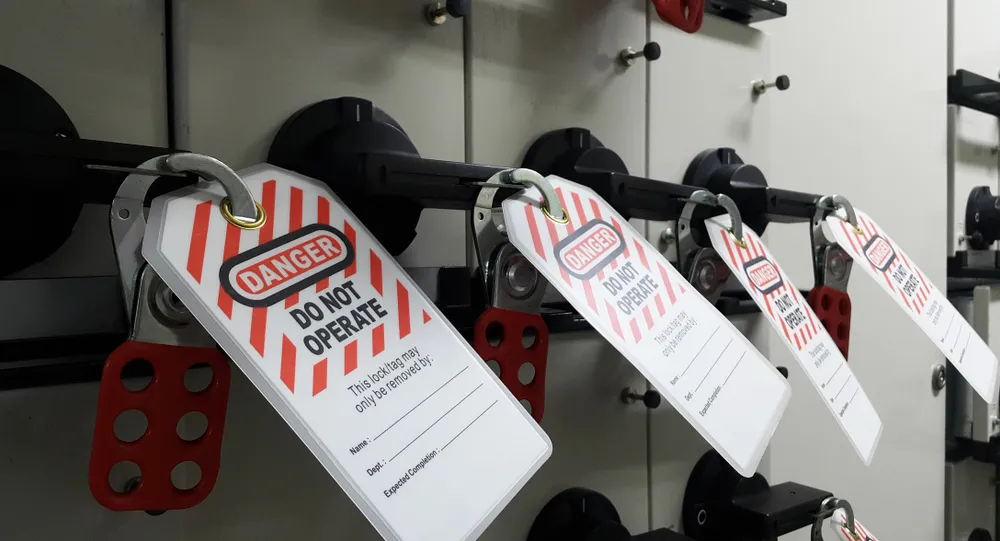
Tagout devices are an important component of lockout/tagout procedures. They work together with locks to ensure the safety of employees during maintenance or repairs. Tagout devices, also known as tags, serve as a visual warning that equipment should not be used while it is being worked on.
These tags can contain important information such as the name of the person working on the equipment and the reason for the lockout/tagout. By using tagout devices in conjunction with locks, homeowners can effectively communicate potential hazards and protect themselves and others from accidents or injuries.
Lockout boxes
Lockout boxes are an essential component of effective lockout/tagout procedures. These boxes provide a secure place to store and control the keys used during the lockout. They come in various sizes, allowing for the storage of multiple locks from different employees.
Lockout boxes not only help prevent unauthorised access to machinery and equipment but also serve as a visual reminder that work is being performed and that machines should not be started or operated.
By using lockout boxes, homeowners can ensure that their repairs and preventive maintenance work are carried out safely and efficiently, reducing the risk of accidents or injuries.
Colours of locks and tags
Locks and tags used in lockout/tagout procedures are often colour-coded to convey important information. The colours of locks and tags can help identify the purpose or status of the equipment being locked out or tagged.
For example, red locks and tags may indicate that a machine is not operational and should not be used. Yellow locks and tags might signify that maintenance work is in progress. Blue locks and tags could indicate that an energy source has been locked out for repairs or servicing.
These colour codes help improve communication and ensure everyone understands the current situation at a glance, making lockout/tagout procedures safer and more effective.
In addition to colour-coding, it’s crucial to remember that all keys must be removed from locks during lockout procedures. This ensures that only authorised personnel have access to the equipment when it’s safe to do so.
Steps in a Lockout/Tagout Procedure
The steps in a Lockout/Tagout procedure are crucial to ensuring the safety of workers and preventing accidents. From establishing procedures to removing locks and restoring energy, each step plays a vital role in effective lockout/tagout practices. Read on to learn more about these essential steps and how they can keep you safe.
Establishing procedures
To ensure the safety of your home and its occupants, it is crucial to establish lockout/tagout procedures. These procedures outline the steps you need to take when locking or tagging equipment for repairs or maintenance.
By having clear procedures in place, you can prevent accidents and protect yourself from potential hazards. Remember that all keys must be removed from locks and kept with the person who applied them during lockout procedures.
Additionally, inspection of the work area is important to make sure that all tools and equipment are properly secured.
Identifying energy sources
Identifying energy sources is a crucial step in lockout/tagout procedures to ensure the safety of homeowners. By identifying all potential sources of energy, such as electrical, hydraulic, or pneumatic systems, you can effectively isolate and control their release during repairs or maintenance.
This includes locating and labelling power switches, valves, plugs, or any equipment that may store energy even after being turned off. Remember to thoroughly inspect your work area and consult manuals or experts if needed to accurately identify all energy sources at play.
Applying lockout/tagout devices
To ensure the safety of both workers and equipment, applying lockout/tagout devices is a crucial step in lockout procedures. Lockout devices, such as padlocks, are used to secure energy-isolating devices and prevent their activation.
Meanwhile, tagout devices (tags) serve as clear warnings to employees not to use the equipment. During this process, it’s important for all keys to be removed from locks and kept with the person who applied them.
By properly applying lockout/tagout devices, homeowners can effectively isolate machinery or equipment during repairs or preventive maintenance, reducing the risk of accidents and ensuring a safe working environment for everyone involved.
Verifying isolation
To ensure the safety of everyone involved, verifying isolation is a crucial step in lockout/tagout procedures. This means checking that all energy sources are properly deactivated and secured before any work begins.
It’s important to inspect the work area carefully, making sure all tools and equipment are securely locked or tagged out. By doing this, we can minimise the risk of accidental activation or release of stored energy, keeping ourselves and others safe throughout the entire process.
Performing work
During the lockout/tagout procedure, performing work is a critical step to ensure safety. Once all energy sources have been isolated and lockout devices are in place, it’s time to start the necessary repairs or maintenance on machinery or equipment.
Remember, when performing work, be alert and cautious at all times. Keep in mind that the purpose of this step is to prevent accidents and protect yourself from potential harm caused by unexpected release of energy.
Removing locks and restoring energy
To complete the lockout procedure, it is crucial to remove all locks and restore energy to the equipment. This step ensures that machinery can safely resume its normal operations. Before removing any locks, it is important to inspect the work area and ensure that all tools and equipment are properly secured.
Once this has been done, all keys should be removed from the locks and kept with the person who applied them during the lockout process. By following these steps, homeowners can effectively remove locks and restore energy to their equipment in a safe manner.
Additional Considerations for Effective Lockout/Tagout
Training employees on lockout/tagout procedures is crucial for ensuring their safety. Regular inspections should also be conducted to identify any potential issues or violations.
Proper documentation of lockout/tagout activities is essential for record-keeping and accountability purposes. Utilising lockout/tagout software and templates can streamline the implementation process, making it easier to create and maintain effective procedures.
Overall, following these additional considerations can enhance the effectiveness of lockout/tagout practices and contribute to a safer working environment.
Training employees
We believe that training employees is a crucial aspect of effective lockout/tagout procedures. By providing comprehensive training, we can ensure that all workers understand the importance of properly isolating energy sources and applying lockout/tagout devices.
Training sessions should cover topics such as identifying energy sources, following established procedures and verifying isolation before performing any work. It’s also essential to train employees on how to recognise different types of locks and tags used in lockout/tagout procedures.
By empowering our team with the right knowledge and skills, we can create a safer work environment for everyone involved.
Regular inspections
Regular inspections are a crucial part of effective lockout/tagout procedures. It is important for homeowners to regularly inspect their equipment and machinery to ensure that all locks and devices are properly secured.
These inspections help identify any potential issues or areas of concern, allowing for prompt repairs or maintenance. By conducting regular inspections, homeowners can maintain the safety and efficiency of their lockout procedures, reducing the risk of accidents or injuries.
So, make sure to schedule regular inspections as part of your lockout/tagout routine to keep your equipment secure and your home safe.
Documentation
We understand that the last thing you want to think about during a lockout/tagout procedure is paperwork, but documentation plays a crucial role in ensuring safety and compliance. Keeping accurate records helps track the progress of each job, provides evidence of completed procedures, and assists in identifying any areas for improvement.
It’s important to document details such as the date and time of the lockout/tagout application, equipment involved, authorised personnel responsible for the locks/tags, and any special instructions or precautions.
By having proper documentation in place, you can maintain transparency, and accountability, and ultimately keep everyone safe.
Lockout/tagout software and templates
Lockout/tagout software and templates can be valuable tools for implementing and managing lockout/tagout procedures in your home. These resources help you create customised lockout/tagout procedures specific to your equipment, making it easier to ensure the safety of yourself and others.
The software allows you to easily document energy sources, identify the appropriate lockout devices, and generate step-by-step instructions for each piece of machinery or equipment.
The templates provide a framework that you can follow, saving you time and effort in developing your own procedures from scratch. By utilising lockout/tagout software and templates, you can effectively enhance workplace safety by streamlining the process of isolating energy sources properly.
Compliance with standards
To ensure the safety of your home and comply with standards, it is important to follow lockout/tagout procedures correctly. This means using acceptable locks, such as key locks, which are considered the cheapest and safest option for lockout purposes.
Additionally, make sure to properly secure energy-isolating devices with lockout devices like padlocks. Remember to remove all keys from locks during the procedure and keep them with you at all times.
By complying with standards, you can help prevent accidents and protect yourself and others in your home.
Be Familiar with the Types of Lockout Procedures
In conclusion, choosing the right types of locks is crucial for effective lockout procedures. Keyed locks, valve lockout devices, and padlocks are commonly used to secure machinery and equipment during repairs or maintenance.
By properly implementing these lockout devices, we can ensure the safety of workers and prevent accidents in the home. So remember to always use the appropriate locks when performing lockout procedures.