Tag Out System · 20 November 2023
The Future of Tag Out Systems Through Innovation and Advancement

Dealing with hazardous energy during maintenance isn’t just a tick-box exercise, it’s about keeping your mates safe on the job. We all know the stakes are high and getting it right is non-negotiable – did you hear that beefed-up lockout/tagout procedures could prevent heaps of injuries each year? Our research has been flat out and we’ve come across some clever solutions that will shake up how we manage those dodgy machines and power sources.
Keen to learn more? Let’s get stuck into how these new tricks can help make your workplace a whole lot safer for everyone involved.
Key Takeaways
- Electronic lockout/tagout systems, mobile apps, RFID technology, and augmented reality are revolutionising lockout/tagout procedures.
- These advancements offer improved workplace safety through real-time data analysis for proactive maintenance and a reduction in human error.
- Businesses are investing in advanced lockout tagout devices to adapt to full digital manufacturing methods, reflecting the industry’s shift towards embracing innovative safety equipment for improved operations.
Evolution of Lockout/Tagout (LOTO) Procedures
From traditional lockout/tagout methods to the latest technological advancements, LOTO procedures have come a long way in improving workplace safety.
Traditional LOTO methods
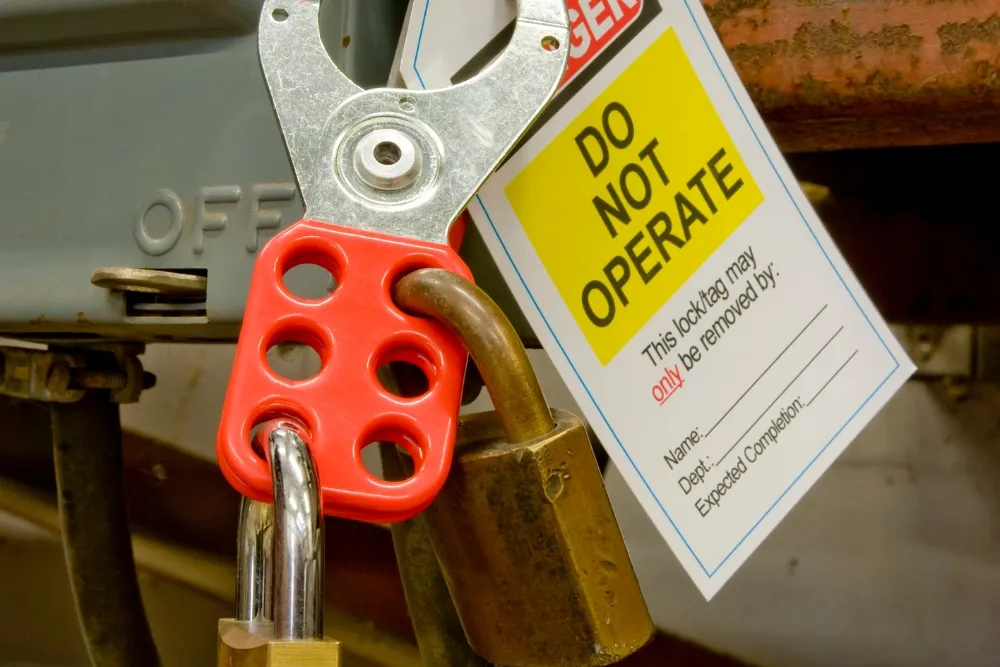
In our workplaces, whether they’re factories, offices or homes, the safety of everyone is paramount. Traditional LOTO methods have always been a cornerstone for industrial safety. They involve manual locks and tags that physically secure energy sources to keep machinery from being powered on during maintenance or repair work.
This process ensures that when someone works on a machine, there’s no chance it can be accidentally activated.
We’ve all relied on these physical lockout devices and paper tagout procedures to meet safety regulations. Workers place personal padlocks on toggle switches or valve handles; each one carries a tag with vital information about the service in progress.
These tried-and-true tactics are about creating barriers between people and potential hazards lurking in untamed energy sources, from electrical panels to gas lines, ensuring machine safety isn’t compromised while staff carry out their roles dutifully.
Emerging technological advancements
The evolution of traditional LOTO methods has paved the way for emerging technological advancements in lockout/tagout procedures. Electronic lockout and tagout systems are becoming increasingly popular, replacing physical locks and tags to enhance workplace safety.
These advanced systems offer real-time data and analytics, reducing human error while ensuring improved safety and efficiency for industrial and office owners. Furthermore, the adoption of RFID technology, mobile apps, and augmented reality is revolutionising equipment tagging with digital solutions that align with the future of manufacturing.
As we move towards a digitised era, home, industrial, and office owners are witnessing a shift in safety measures as innovative tagging technologies continue to shape the landscape of electrical safety.
Latest Innovations in Tag Out Systems
From electronic lockout/tagout systems to mobile apps and RFID technology, the latest innovations in tag-out systems are revolutionising safety procedures across industries.
Electronic lockout/tagout
Advancements in lockout/tagout procedures have led to the development of electronic systems, replacing traditional physical locks and tags. These high-tech solutions enhance workplace safety by providing real-time data and analytics while reducing human error.
The adoption of electronic lockout/tagout systems is expected to enhance safety measures in industrial workplaces, aligning with the growing trend towards digitisation and connectivity in line with the advancements in digital manufacturing.
Furthermore, the global Lockout Tagout Equipment market is witnessing an increase in the adoption of advanced lockout tagout devices such as electronic systems as they offer improved safety and efficiency for industrial and office owners.
Mobile apps
Mobile apps have revolutionised the way lockout/tagout procedures are managed, offering convenience and accessibility. These apps provide a digital platform for employees to access critical safety information, create and manage lockout/tagout procedures, and receive real-time updates on equipment status.
With mobile apps, users can also capture and store images of warnings, equipment configurations, and isolation points for future reference. This level of digitisation not only streamlines safety processes but also ensures that essential data is easily accessible to authorised personnel at all times.
In addition to their operational benefits, mobile apps contribute to enhanced workplace safety by enabling workers to communicate efficiently during maintenance activities. In industries where lockout/tagout procedures are critical for protecting employees from hazardous energy sources, these apps play a crucial role in reducing human error while facilitating effective coordination among team members.
RFID technology
Transitioning from the use of mobile apps for lockout/tagout procedures, another innovative advancement worth considering is RFID technology. With the potential to revolutionise safety programs, RFID technology allows for unique identification and tracking of equipment and personnel within a workplace setting.
By utilising radio frequency identification tags, employees can be easily identified and tracked in real-time, providing crucial data for enhancing workplace safety and security.
In addition to tracking employees, RFID tagging systems can also provide visibility into the status and location of equipment and machinery. This real-time data enables businesses to monitor maintenance schedules more effectively, reducing downtime and ensuring that equipment remains in optimal working condition.
Augmented reality
Augmented reality (AR) is transforming lockout/tagout procedures by overlaying digital information onto the real environment, providing an interactive and immersive experience. With AR technology, workers can visualise energy sources and dangerous machines in their workplace in real-time, making it easier to identify potential hazards and take necessary precautions.
This innovative approach enhances safety measures by improving workers’ understanding of their surroundings and ensuring compliance with lockout/tagout protocols. Furthermore, AR applications provide step-by-step guidance for executing LOTO procedures, reducing human error and enhancing efficiency in maintenance activities.
As the adoption of advanced lockout tagout devices continues to grow, integrating augmented reality into LOTO procedures offers a promising future for enhancing workplace safety through digitisation and connectivity.
Businesses can leverage this technology to empower their employees with enhanced situational awareness while carrying out critical tasks. The integration of AR into industrial IoT solutions represents a significant leap forward in advancing digital manufacturing capabilities.
Industry Case Studies
Explore real-life examples of how the latest tag-out systems have improved safety and efficiency in various industries. From manufacturing to construction, these case studies demonstrate the practical benefits of embracing technological advancements in lockout/tagout procedures.
Read on to discover how these innovations are shaping the future of workplace safety.
Case Study 1
We explored a leading manufacturing plant that implemented electronic lockout/tagout systems to enhance workplace safety. The adoption of these advanced systems resulted in improved efficiency, minimised downtime, and reduced accidents.
Real-time monitoring and data analytics provided insights into equipment performance while ensuring compliance with safety protocols.
Case study 2
We observed increased safety and efficiency in an industrial setting following the implementation of electronic lockout/tagout systems. Real-time data and analytics provided valuable insights into equipment usage and maintenance needs, contributing to a significant reduction in human error.
The adoption of advanced lockout tagout devices, such as electronic systems, has proven to be instrumental in enhancing workplace safety and efficiency. With the future of tag-out systems moving towards digitisation and connectivity, these advancements align with the rapid technological progress in digital manufacturing.
The global Lockout Tagout Equipment market is expected to expand at a CAGR of 6.9% during the forecast period, indicating a growing trend towards digital safety solutions like electronic lockout/tagout technology.
Advantages of Revolutionised LOTO Procedures
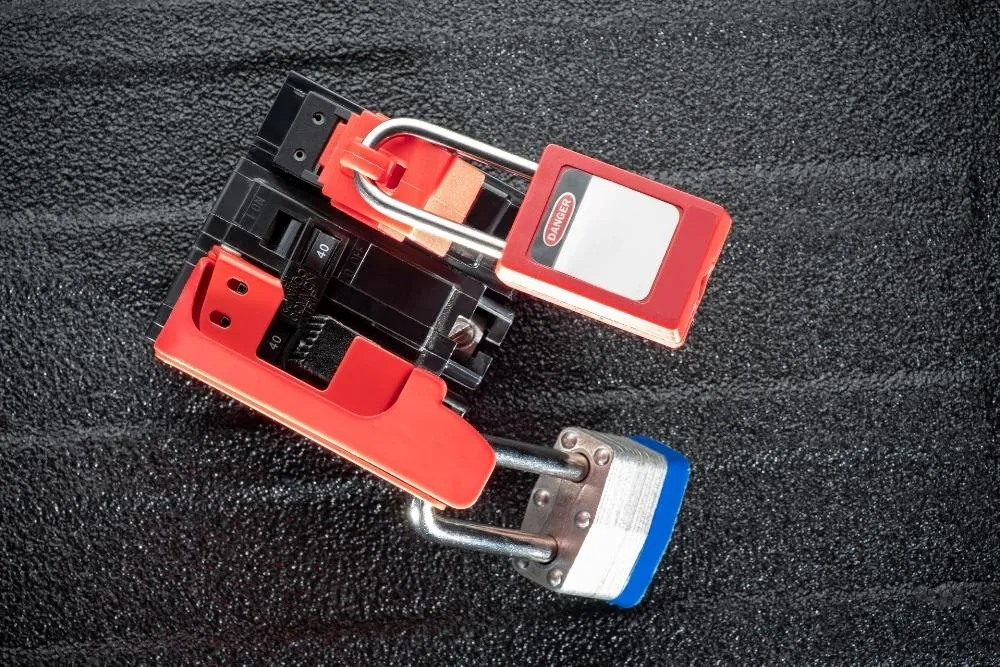
Improved safety and efficiency in the workplace. Real-time data and analytics for better decision-making. Reduced human error leading to fewer accidents. Want to learn more about how these advancements can benefit you? Keep reading!
Improved safety and efficiency
Implementing advanced lockout tagout systems is vital for improving safety and efficiency in various settings. These innovative systems, including electronic locks and tags, contribute to reducing human error and enhancing workplace safety standards.
The market’s increasing adoption of digital manufacturing emphasises the need for improved safety measures, leading to investments in advanced lockout tagout devices such as electronic systems.
Integrating these technological advancements into existing lockout/tagout procedures ensures a more efficient approach to managing maintenance tagging and equipment isolation. This transition towards digitisation not only enhances workplace safety but also aligns with the future trends of manufacturing industries.
Real-time data and analytics
Lockout tagout procedures can be significantly enhanced through real-time data and analytics. This means that information about the status of lockout/tagout devices and energy isolation points can be accessed instantly, providing accurate updates on machine shutdowns and isolations.
Through real-time data, industrial owners gain critical insights into the operational status of their equipment, enabling them to make informed decisions promptly. The integration of analytics further allows businesses to monitor historical trends and identify potential areas for improvement in their lockout/tagout processes, ultimately enhancing workplace safety and efficiency.
Advanced technological solutions such as electronic lockout/tagout systems enable the collection of crucial data related to energy isolation points, creating opportunities for predictive maintenance measures based on usage patterns.
Reduced human error
Implementing advanced lockout tagout systems can significantly reduce human error in safety procedures. By utilising electronic lockout/tagout technology, the likelihood of oversight or mistakes in manually securing equipment is minimised.
The integration of real-time data and analytics into these systems provides valuable insights to identify potential hazards and ensure compliance with safety protocols. These innovations empower workers to perform their tasks confidently and safely, contributing to a more secure work environment for all.
Moving forward, embracing digital enhancements in lockout/tagout procedures can revolutionise workplace safety measures and improve operational efficiency. Businesses should strive to adopt these advancements as part of their commitment to ensuring the well-being of employees and promoting a culture of safety within their organisation.
Potential Concerns and Future Implications
We will address potential concerns and discuss the future implications of these advanced lockout/tagout procedures, highlighting the benefits for workplace safety and the potential for further technological advancements in this field.
Addressing concerns
We understand that integrating new technological advancements into lockout/tagout procedures may raise concerns about compatibility and connectivity issues with existing systems. However, it’s important to note that many of the latest innovations in tag-out systems are designed to be adaptable and can work alongside traditional lockout methods.
Electronic lockout/tagout devices, mobile apps, and RFID technology have been developed with the flexibility to integrate with various equipment and machinery commonly used across different industries.
These advancements not only address concerns about compatibility but also provide an opportunity for workplaces to enhance their safety measures without compromising on existing infrastructure.
It’s natural for owners in various sectors to have concerns about the cost implications of implementing advanced lockout tag-out systems. Nonetheless, it’s essential to recognise the long-term benefits these innovations offer in terms of improved safety and efficiency.
Benefits for workplace safety
Implementing revolutionised lockout/tagout (LOTO) procedures brings substantial benefits to workplace safety. The advanced systems offer real-time data and analytics, allowing for better monitoring of equipment status and potential hazards.
With reduced human error, electronic LOTO devices contribute to a safer work environment by mitigating the risk of accidents during maintenance or repairs. Moreover, the adoption of electronic lockout tagout systems is expected to enhance safety measures in industrial workplaces, ensuring an overall improvement in operational efficiency.
Businesses can look forward to improved safety protocols with the adoption of innovative LOTO technologies such as electronic lockout/tagout and RFID systems. These advancements are designed to support a safer workplace environment while contributing towards more streamlined operations.
Potential for further technological advancements
Given the rapid advancements in digital manufacturing, it is evident that the future of tag-out systems holds great potential for further technological advancements. The increasing adoption of electronic lockout/tagout systems and advanced tagging technology will drive continuous innovation in safety systems.
As businesses invest in helping industries transition to full digital manufacturing, we can anticipate enhanced connectivity and digitisation within lockout/tagout procedures. This progression signifies an exciting shift towards cutting-edge technologies that are expected to revolutionise workplace safety and efficiency.
The market’s expanding demand for improved safety measures through advanced lockout/tagout devices supports the likelihood of significant technological advancements moving forward.
Dive into the Future of Tag Out Systems
In conclusion, the future of tag-out systems is embracing technological innovations and advancements to enhance workplace safety. Electronic lockout/tagout systems, mobile apps, RFID technology, and augmented reality are revolutionising LOTO procedures.
These advancements offer improved safety measures, real-time data analysis for proactive maintenance, and a reduction in human error. As we move towards digitisation and connectivity in line with digital manufacturing progress, the potential benefits for workplace safety are significant.
It’s an exciting time as businesses invest in advanced lockout tagout devices to adapt to the full digital manufacturing age.