
Tag Out System · 3 November 2023
The Cornerstone of Effective Lockout/Tagout Procedures
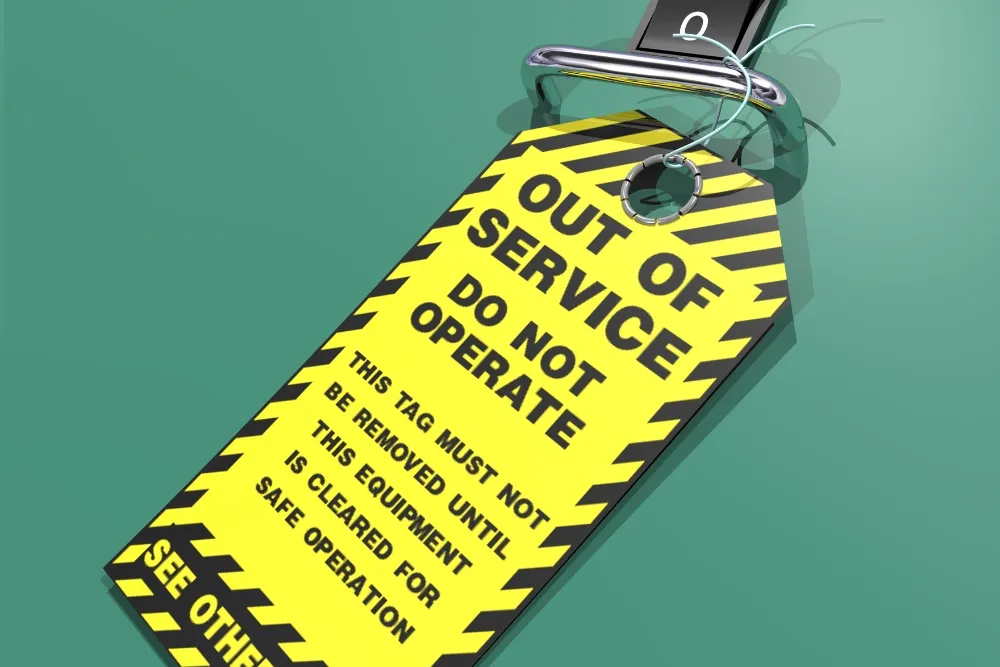
Do you worry about the safety of your equipment during maintenance? We understand the importance of ensuring that machinery is shut off and cannot be started or operated. In this blog, we will explore the crucial role of tag-out systems’ ineffective lockout/tagout procedures, offering practical advice to make maintenance safety a priority. Join us to learn how to keep your workplace safe!
Key Takeaways
- Tag-out systems act as red flags, providing clear information about the status of locked-out equipment and who is responsible for it, thus playing a pivotal role in preventing accidental machine operation during maintenance.
- Effective lockout/tagout procedures involve comprehensive training for employees on energy isolation, proper use of lockout devices, and tagging equipment to ensure workplace safety during maintenance or servicing activities.
- Compliance-driving products such as standardised locks and tags are essential for successful lockout/tagout programs. These specialised tools facilitate effective energy isolation, prevent unexpected equipment startup, and safeguard personnel from hazardous energy release.
Importance of lockout/tagout procedures
Lockout/tagout procedures are our shield against the dangers of hazardous energy. When we’re servicing or maintaining equipment, whether in a home, an office, or an industrial setting, these steps ensure that machines stay off and stay safe.
They prevent the accidental startup of mechanical equipment – something as simple as flipping a switch could lead to injury if proper safety protocol isn’t followed. We use lockout devices to physically block any attempt to re-energise machinery, safeguarding all those involved in maintenance tasks from electrical shocks or other forms of energy release.
Simultaneously, tag-out systems act like red flags; they alert everyone about what’s happening with clear information on who took action and why it’s not safe to operate the machine. It’s this combination of physical locks and informative tags that create a robust barrier against potential accidents in our workplaces.
Understanding Lockout/Tagout (LOTO)
Lockout/Tagout systems are lifesavers on the job, guarding against accidents by ensuring machines stay off when they should. Imagine a piece of equipment that can cause harm if switched on unexpectedly; we use lockout devices to secure these machines in an ‘off’ state.
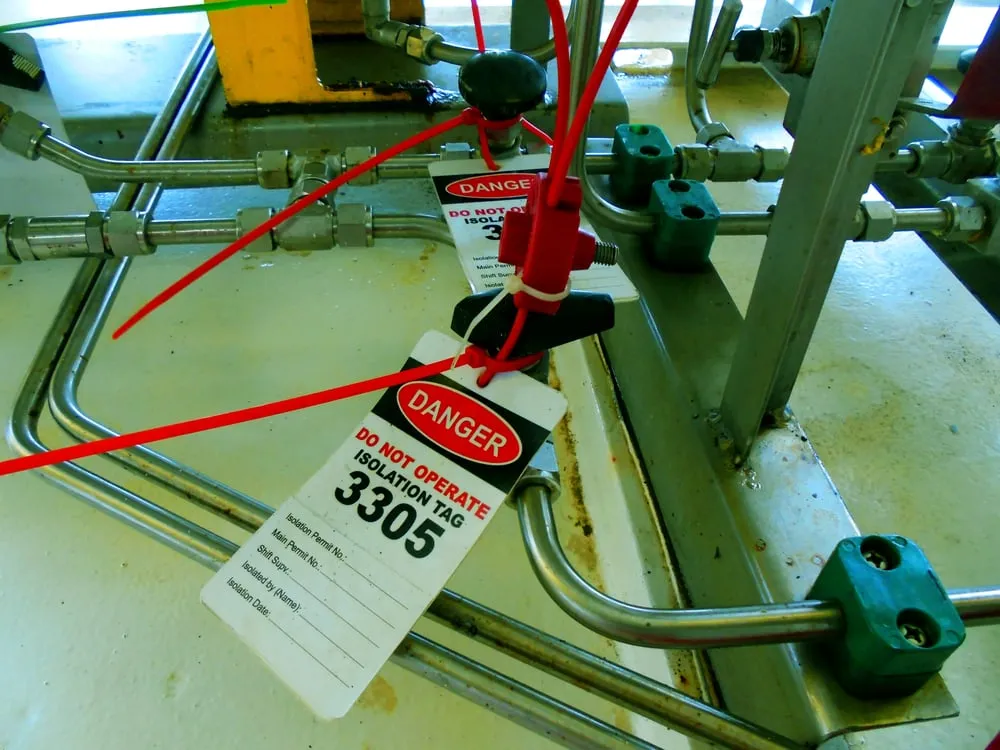
These sturdy devices come with keys or combinations that only authorised workers have access to, which means there’s no chance for accidental start-ups.
We always pair lockout with tag-out procedures because the tags serve as glaring stop signs for anyone near the equipment. They communicate crucial details such as who locked out the gear and why it’s not to be touched.
This double barrier system – physical locks and informative tags – is reinforced by our shared commitment to keep each other safe while performing maintenance or servicing operations where hazardous energy could spell disaster.
Steps of a Comprehensive LOTO Procedure
Prepare for the shutdown by identifying all energy sources, then isolate and lock out the equipment before verifying isolation. Read more to understand the importance of each step in LOTO procedures.
Preparation
Before starting any maintenance or servicing tasks, it is essential to prepare for the lockout/tagout procedure. This involves identifying all energy sources and hazardous areas of equipment that need to be isolated.
Once these are determined, the next step is to gather the necessary lockout/tagout devices, tags, and locks. Training employees on proper preparation procedures is crucial in ensuring that they understand the potential risks involved and how to effectively carry out this phase of the process.
Once all equipment has been identified, including their energy sources and isolation points, a thorough risk assessment should be conducted to ensure that no potential hazards are overlooked during preparation.
Shut Down
Before moving on to the next step, which is shutting down the equipment, it’s vitally important to fully understand and appreciate the potential risks associated with hazardous energy sources.
Shutting off the equipment must be done in a controlled manner to avoid any sudden release of energy or unexpected startup that could endanger personnel or damage property.
After completing preparations such as gathering necessary tools and notifying relevant personnel, shutting down the equipment involves following specific procedures to ensure a safe working environment.
Isolation
After the equipment shutdown comes a crucial step in the lockout/tagout process known as isolation. Isolation involves physically disconnecting the machine or equipment from its power source, ensuring that it is completely de-energised and incapable of being operated.
This may include shutting off electrical switches, blocking control valves, or isolating energy sources such as hydraulic or pneumatic systems to prevent any accidental release of hazardous energy.
Isolating machinery and equipment is an essential preventive measure to protect personnel from unexpected start-ups or energisation during maintenance or servicing activities. It forms a critical part of establishing a safe work environment and complying with regulations, ultimately ensuring the safety of both employees and assets.
Lockout/Tagout
Implementing a functional lockout/tagout program is essential for ensuring the safety of personnel during equipment maintenance, repair, or service. Lockout devices physically prevent energy release, while tagout tags provide important information about the locked-out machinery and responsible personnel.
Standardising the approach to lockout/tagout procedures is crucial in effectively managing potential risks and preventing unexpected startup or release of hazardous energy.
By following clear policies and procedures, conducting thorough training, and documenting all aspects related to lockout/tagout, home, industrial, and office owners can ensure a safe working environment for everyone involved in equipment maintenance. Ensuring compliance with established procedures will help prevent accidents and prioritise the safety of all individuals on-site.
Stored Energy Check
Transitioning from the lockout/tagout procedure, a critical step in ensuring safety during maintenance is the stored energy check. This step involves verifying that all sources of potentially hazardous stored energy have been effectively isolated and dissipated, minimising the risk of unexpected release or startup.
By conducting a thorough assessment of each piece of equipment, including electrical, mechanical, hydraulic, pneumatic, and thermal energy sources, we can ensure that no residual energy remains within the system.
This proactive approach aligns with our commitment to creating a safe work environment for everyone involved.
During the stored energy check process as part of lockout/tagout procedures, it’s important to meticulously assess all potential sources of dangerous stored energy before any maintenance work begins.
Isolation Verification
During isolation verification, it’s crucial to physically inspect the equipment to ensure that all energy sources have been effectively isolated. This step involves visually confirming that switches are in the off position, valves are closed, and any potential energy sources such as electrical, mechanical or thermal energies have been completely disconnected.
Tag-out systems play a key role during isolation verification by providing clear visual indicators that equipment is safely shut down and isolated from hazardous energy. Documentation of this process is essential for compliance and safety assurance.
Now let’s move on to discussing “Re-Energising Equipment” to complete the comprehensive lockout/tagout procedure.
Re-Energising Equipment
Before re-energising equipment, always make sure that all lockout/tagout devices have been removed and that the area is free of any obstructions. Verify that all personnel are in the clear before restarting any machinery, and double-check that all tools or maintenance items have been properly removed.
It is essential to follow this stringent safety protocol to prevent accidents and ensure the well-being of everyone involved in the process.
When conducting routine lockout/tagout procedures, it’s crucial to prioritise safety by adhering strictly to established guidelines. As we move forward into discussing key components of a successful LOTO procedure, let’s delve into how training employees play a pivotal role in ensuring compliance with safety measures.

Key Components of a Successful LOTO Procedure
Training employees is essential for a successful LOTO procedure, ensuring that everyone understands the importance of energy isolation and how to effectively implement lockout/tagout measures.
Training employees
Training employees is essential for the successful implementation of a lockout/tagout program.
Employees must receive thorough training to understand the potential risks, procedures, and importance of adhering to lockout/tagout protocols.
This includes educating them on how to properly isolate energy sources, apply lockout devices, and tag out equipment. Regular training sessions also ensure that employees stay updated with any changes in procedures or equipment, ultimately contributing to a safer work environment.
Thorough training helps employees recognise the significance of following lockout/tagout procedures at all times. It empowers them with the knowledge needed to identify hazardous energy sources and take necessary precautions when performing maintenance or servicing activities.
Compliance-driving products
After training employees on the importance of lockout/tagout procedures, investing in compliance-driving products is crucial for ensuring workplace safety. These products include lockout/tagout kits and devices that are specially designed to facilitate effective energy isolation.
By using these specialised tools, employers can adhere to lockout/tagout standards, preventing unexpected equipment startup and safeguarding personnel from hazardous energy release during maintenance or servicing.
Implementing compliance-driving products not only demonstrates a commitment to regulatory requirements but also enhances overall workplace safety by providing the necessary tools for successful lockout/tagout procedures.
Lockout/tagout programs rely on compliance-driving products such as standardised locks, tags, and devices, reinforcing the strict adherence to established safety protocols. Employers can equip their facilities with these essential tools to promote a culture of safety consciousness among employees and mitigate potential risks associated with hazardous energy control.
Lockout/tagout kits and devices
Lockout/tagout kits and devices play a vital role in ensuring the effectiveness of lockout/tagout procedures. These kits typically include padlocks, lockout hasps, tags, circuit breaker lockouts, and other necessary tools to safely isolate energy sources.
By using these compliance-driving products, employees can securely shut down machinery and prevent unexpected startup or release of hazardous energy during maintenance or servicing.
Additionally, energy isolation devices such as valve locks and electrical plug lockouts offer extra protection by physically preventing energy release. Implementing these essential devices as part of a comprehensive LOTO program significantly enhances workplace safety for both industrial and office owners.
The Role of Technology in LOTO Procedures
We’ll discuss how technology supports LOTO with software, checklists and training resources. Read more to learn about the latest advancements in maintenance safety.
Software support
Implementing a robust lockout/tagout program requires efficient management of documentation and procedures. Software support plays a vital role in streamlining these processes by providing digital platforms for maintaining policies, procedures, inspections, training records, and reports.
Utilising software support helps to ensure that all necessary information related to lockout/tagout is easily accessible and can be updated as needed. This not only enhances the organisation’s overall safety measures but also facilitates compliance with regulatory requirements.
Furthermore, software support enables tracking the progress of lockout/tagout procedures while also ensuring that employees are adequately trained and informed about the latest safety protocols.
It serves as a central hub for managing data related to equipment maintenance activities, creating checklists for lockout/tagout procedures, and offering additional resources for employee training.
Lockout/tagout checklists
Lockout/tagout checklists provide a systematic approach to ensure all necessary steps are taken before, during, and after the lockout/tagout process. They help in organising and documenting each critical stage of the procedure, ensuring that no step is overlooked or missed.
Before Lockout:
- Identify all energy sources and equipment to be locked out.
- Notify affected employees about the upcoming lockout/tagout process.
- Gather necessary lockout/tagout devices and tools.
During Lockout:
- Properly shut down the equipment following established procedures.
- Apply lockout devices to each energy source.
- Affix tag-out labels with essential information, including the reason for lockout, date, time, and responsible personnel.
Verification and Testing:
- Conduct a visual inspection to confirm that all energy sources are effectively isolated.
- Test the equipment controls to ensure they cannot be operated.
Post-Lockout:
- Document the specifics of the lockout/tagout procedure in a comprehensive checklist.
- Ensure that only authorised personnel remove the locks and tags once maintenance is complete.
Periodic Review:
- Regularly review and update lockout/tagout checklists to align with changes in equipment or procedures.
Training resources
Implementing comprehensive training resources is essential to ensure the successful implementation of a lockout/tagout program. Training employees on the importance of lockout/tagout procedures and providing them with the necessary knowledge and skills is crucial for maintaining a safe working environment. Here are key training resources that should be considered:
- Interactive training sessions that cover the fundamentals of lockout/tagout procedures, emphasising the potential risks associated with equipment maintenance, repair, or servicing.
- Accessible online courses and webinars that provide in-depth knowledge about LOTO procedures, including the identification of hazardous energy sources and proper lockout/tagout techniques.
- Engaging educational materials such as videos, infographics, and posters to visually convey important information about lockout/tagout processes and precautions to be taken.
- Practical hands-on training exercises that allow employees to apply their knowledge in real-life scenarios, reinforcing their understanding of lockout/tagout best practices.
- Regular refresher courses and assessments to keep employees up-to-date with any procedural changes or new safety measures related to lockout/tagout practices.
- Clear communication channels through which employees can ask questions, seek guidance, or report any concerns regarding lockout/tagout procedures.
How to Make Maintenance Safety a Priority with LOTO
In conclusion, tag-out systems play a vital role in lockout/tagout procedures by providing visual warnings and important information about locked-out equipment. They are essential preventive measures to ensure the safety of personnel during maintenance, repair, or servicing of machinery.
By standardising the approach to LOTO procedures and emphasising thorough training and clear communication, industrial safety can be prioritised effectively.