
LockOut Equipment · 14 October 2023
Testing and Certification of Lockout Devices

Ever found yourself scratching your head about the real significance of testing and certifying your lockout devices? Right-o, you’re not alone there. Navigating through Australian standards for LockOut/TagOut (LOTO) can feel like trying to crack The Da Vinci Code at times.
But don’t fret! This blog post is here to help you stay on top of these standards, wrap your head around LOTO procedures, and bolster safety in your workplace. So let’s crack on with this journey together and make our work environment a whole lot safer!
Key Takeaways
- Testing and certifying lockout devices are essential for workplace safety and preventing accidents.
- Australian standards outline guidelines and requirements for lockout/tagout procedures.
- Compliance – driving products such as certified padlocks, tags, and kits help maintain compliance with regulations.
- Lockout devices like padlocks, tags, and kits are necessary to effectively isolate hazardous energy sources during maintenance or repairs.
Understanding Lockout/Tagout (LOTO) in Australian Standards
LOTO is an essential safety procedure in Australian workplaces, designed to protect workers from hazardous energy sources during maintenance or repair tasks.
Importance of LOTO
Accidents and injuries at home can be prevented by implementing a proper Lockout/Tagout system. As homeowners, we need to understand the significant role of LOTO in ensuring our safety when working with electrical equipment.
It helps us control hazardous energy sources which, if not effectively managed, could inflict harm or potential damage to our property. Moreover, maintaining and inspecting our lockout systems supports their durability and guarantees efficient operation over time.
By adhering to LOTO procedures such as identifying responsibility for devices and verifying energy-control measures, we affirm our commitment towards safeguarding ourselves and others around us from possible hazards.
As essential as it may seem, compliance with these standards must not be overlooked but regarded as a fundamental necessity within every Australian household.
Australian standards for LOTO compliance
Complying with Australian standards for Lockout/Tagout (LOTO) is essential for ensuring workplace safety and preventing accidents. These standards provide guidelines and requirements for plant isolation procedures, precautions when working on energised equipment, and the proper use of lockout devices.
It is crucial to follow these standards to protect workers from hazardous energy sources and maintain a safe working environment. By adhering to Australian LOTO compliance, homeowners can take proactive steps towards creating a secure space for themselves and their families.
How to Comply with Australian Standards for Lockout/Tagout
To comply with Australian standards for Lockout/Tagout, you must follow essential guidelines and adhere to requirements for plant isolation procedures. It is crucial to take precautions when working on energised equipment.
Essential guidelines
To ensure the safety of your home and prevent accidents, it is essential to follow some guidelines when using lockout devices. First, make sure that you are familiar with the specific lockout procedures for each piece of equipment in your home.
This includes knowing how to properly shut down and isolate the equipment before applying lockout devices. Second, always use certified lockout devices that have been tested by a qualified electrician.
These devices should be able to effectively control hazardous energy sources and prevent them from being accidentally re-energised. Lastly, regularly inspect and maintain your lockout devices to ensure they are in good working condition.
Requirements for plant isolation procedures
To ensure the safety of your workplace, it is important to follow proper plant isolation procedures. This involves shutting down and isolating equipment before any maintenance or repairs are done.
To meet the requirements for plant isolation, you need to have a clear understanding of your responsibilities in controlling hazardous energy sources. It is crucial to train employees on using lockout devices specific to your facility, as well as maintaining training records.
Remember that testing and certification of these devices should be carried out by a certified electrician. By following these guidelines, you can help prevent accidents and protect workers from potential hazards.
Precautions for working on energised equipment
Working on energised equipment can be extremely dangerous and should only be done by trained professionals who understand the risks involved. Here are some important precautions to keep in mind:.
1. Personal Protective Equipment (PPE): Always wear appropriate PPE, such as gloves, safety glasses, and insulated tools when working on energised equipment. This will protect you from electrical shocks and burns.
2. Lockout/Tagout: Before performing any work, make sure the equipment is properly isolated and de-energised using lockout/tagout procedures. This involves shutting off power sources, locking them out, and tagging them to indicate that maintenance is being performed.
3. Verify De-Energisation: Never assume that a piece of equipment is de-energised based solely on visual inspections or controls indicating it’s safe to work on. Use testing devices like voltage detectors or multimeters to verify that the circuit is truly dead before starting any work.
4. Follow Safe Work Practices: Adhere to proper electrical safety protocols at all times while working on energised equipment. These include avoiding wearing loose clothing or jewellery, staying alert for potential hazards, and maintaining a safe distance from live parts.
Certification and Testing of Lockout Devices
In this section, we will explore the background and legal requirements of certification and testing for lockout devices. We will also highlight the importance of compliance-driving products and discuss the different types of lockout devices available, such as padlocks, tags, and kits.
Background and legal requirements
Testing and certification of lockout devices is a crucial aspect of ensuring workplace safety. It is important to comply with the lockout tagout Australian standards, which outline the necessary procedures, inspections, training, reports, and audits that businesses need to follow.
As part of these legal requirements, it is essential for lockout devices to be tested by a certified electrician. Equipment containing capacitors should also be fully discharged during testing.
By adhering to these background and legal requirements, we can help prevent accidents and protect workers from hazardous energy sources.
Compliance-driving products
Testing and certification of lockout devices is essential to ensure workplace safety. Compliance-driving products play a crucial role in meeting Australian standards for lockout/tagout procedures.
These products are designed to help businesses maintain compliance with regulations and protect employees from hazardous energy sources. By using certified lockout devices such as padlocks, tags, and kits, homeowners can confidently implement effective lockout/tagout procedures in their own homes.
Regular testing and certification of these devices by a qualified electrician ensure that they function properly when needed, providing an added layer of safety for everyone involved.
Types of lockout devices (padlocks, tags, kits, etc.)
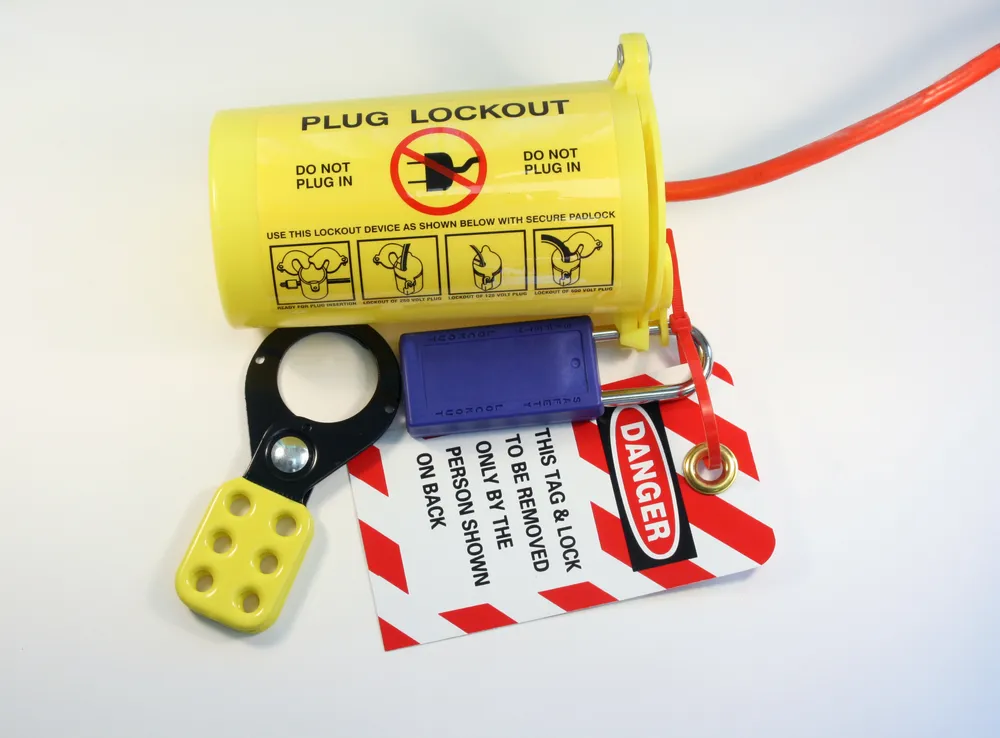
Lockout devices are an essential part of the lockout/tagout (LOTO) process, designed to keep workers safe when working on energised equipment. There are various types of lockout devices available, including padlocks, tags, and kits.
Padlocks are used to secure energy isolation points and prevent unauthorised access to equipment. Tags provide a visual warning that a piece of equipment is being worked on or should not be operated.
Kits usually consist of multiple lockout devices and accessories needed for specific tasks or applications. It’s important to choose the right type of lockout device based on your specific needs and requirements to ensure proper safety measures are in place.
Lockout devices play a crucial role in preventing accidents by effectively isolating hazardous energy sources during maintenance or repairs. Ensuring you have the right type of lockout device for each situation will help protect you and your loved ones from potentially life-threatening incidents at home.
Steps for a Successful LOTO Procedure
To ensure a successful Lockout/Tagout (LOTO) procedure, it is essential to notify affected employees, identify hazards and procedures, shut down and isolate the equipment, and apply lockout devices.
Curious to learn more? Read on for detailed guidelines on how to comply with Australian standards for LOTO procedures.
Notification of affected employees
We inform our employees about any changes or procedures related to lockout/tagout. This is done to ensure that everyone involved is aware of the potential hazards and understands their role in implementing safety measures.
By notifying affected employees, we create a culture of awareness and accountability, which enhances workplace safety. It’s important for all team members to be informed so that they can actively participate in the lockout/tagout process and contribute to maintaining a safe working environment.
Identification of hazards and procedures
Identifying hazards and the corresponding procedures is an essential step in ensuring workplace safety. As homeowners, it’s crucial to understand the potential risks associated with lockout/tagout procedures and take necessary precautions.
This involves identifying any electrical equipment that poses a hazard and recognising potential dangers such as live wires or stored energy. Furthermore, following proper lockout/tagout procedures for isolating and de-energising equipment can help prevent accidents and protect both you and your property from hazardous energy sources.
By being vigilant in assessing risks and adhering to safety protocols, you can ensure a safer working environment within your home.
Shutting down and isolating the equipment
To ensure a safe work environment, it is crucial to follow proper procedures for shutting down and isolating equipment. This involves completely deactivating the equipment and disconnecting it from any power source or energy supply.
By doing so, you minimise the risk of accidental activation and potential hazards. It’s important to remember that shutting down and isolating the equipment should only be done by trained professionals who are familiar with the specific lockout procedures for each piece of machinery.
This ensures that all necessary precautions are taken to protect workers from hazardous energy sources during maintenance or repairs. Properly shutting down and isolating equipment helps prevent accidents and promotes a safer working environment overall.
Applying lockout devices
We apply lockout devices to ensure the safety of workers and prevent accidents. Lockout devices, such as padlocks and tags, are essential for isolating equipment from energy sources during maintenance or repairs.
By applying lockout devices, we effectively shut down and isolate the equipment, preventing it from being accidentally energised. This step is crucial in protecting workers from hazardous energy sources and ensuring a safe work environment.
It’s important to follow proper procedures when applying lockout devices to guarantee their effectiveness in preventing injuries and accidents.
Importance of Partnering with Reliable LOTO Suppliers
Partnering with reliable LOTO suppliers is crucial for ensuring the safety and compliance of lockout/tagout procedures. At TUFFA Products, we offer a range of high-quality lockout devices and provide other related courses and services to assist you in meeting Australian standards.
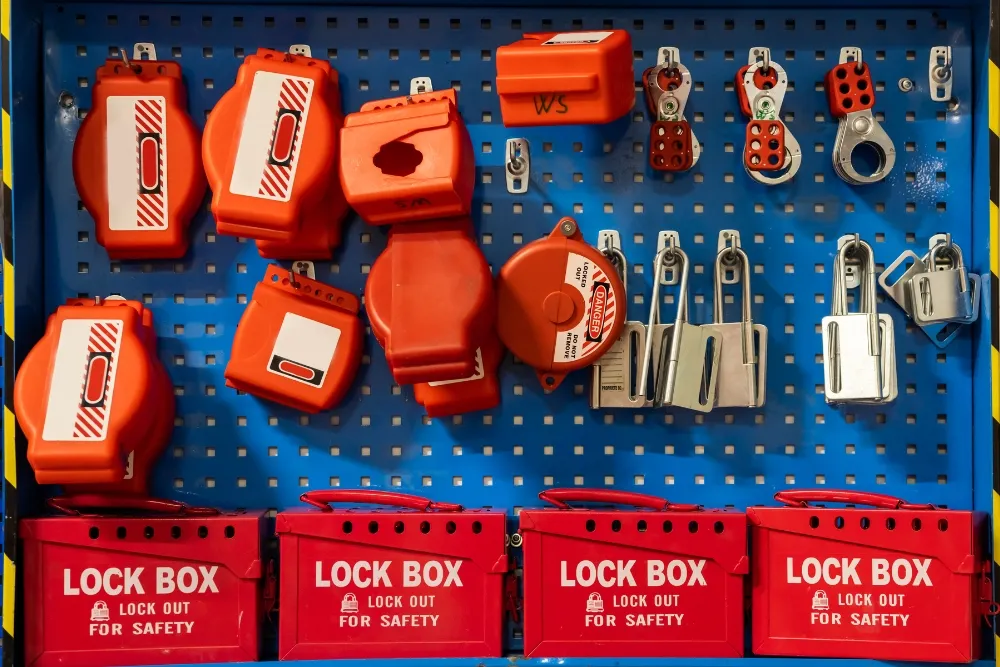
Our comprehensive compliance codes and checklists are designed to help you streamline your LOTO procedures and maintain a safe working environment.
Benefits of partnering with TUFFA Products
Partnering with TUFFA Products for your lockout device needs offers several benefits. Firstly, TUFFA Products provides a wide range of high-quality lockout devices that are designed to meet Australian safety standards.
This ensures that you have reliable and effective tools to protect against hazardous energy sources in your home or workplace. Secondly, TUFFA Products offers comprehensive training courses and services to ensure the proper use and maintenance of lockout devices.
This helps you stay updated on the latest safety procedures and regulations. Lastly, TUFFA Products also provides compliance codes and checklists to help streamline your lockout procedures and ensure full compliance with safety standards.
With their expertise and support, you can confidently implement a successful lockout program that prioritises the safety of yourself, your family, or your employees.
Other related courses and services offered
We also offer a range of other related courses and services to help you enhance your lockout tagout knowledge and ensure compliance with Australian standards. Our courses cover topics such as lockout tagout procedures, equipment restoration procedures, and workplace lock and tag knowledge.
We provide comprehensive training on the proper use of lockout devices and the importance of de-energising equipment before maintenance or repairs.
In addition to our courses, we offer compliance codes and checklists to assist you in implementing effective lockout tagout procedures in your workplace. These resources can help you create a thorough plan for identifying hazards, shutting down equipment, applying lockout devices correctly, and verifying energy control measures.
By partnering with us, you will have access to the tools and guidance needed to establish a safe working environment while meeting all regulatory requirements.
Remember that testing and certification of lockout devices is essential for maintaining workplace safety. Trusting certified electricians to conduct regular inspections ensures that your lockout systems are functioning properly and preventing accidents.
With our expertise in electrical safety testing and certification processes, we can assist you in keeping your employees safe from hazardous energy sources.
Compliance codes and checklists
Compliance with lockout tagout codes and checklists is essential for ensuring workplace safety. These codes provide guidelines and procedures that businesses must follow to prevent accidents and protect workers from hazardous energy sources.
By adhering to these codes, homeowners can create a safe environment when performing maintenance or repairs on equipment. Checklists help ensure that all necessary steps are taken, such as notifying affected employees, identifying hazards, shutting down equipment, and applying lockout devices.
Regular inspections should be conducted to verify compliance and address any potential issues promptly. It’s important to stay updated on the latest compliance codes and regularly review your checklist to maintain a safe working environment at home.
Make Sure to Ensure Your Testing and Certification
In conclusion, testing and certification of lockout devices play a vital role in ensuring workplace safety. By following Australian standards and conducting regular inspections, businesses can prevent accidents and protect their workers from hazardous energy sources.
Remember to partner with reliable suppliers who offer compliance codes, checklists, and other related services to further enhance your lockout tagout procedures. Stay proactive and prioritise the safety of your employees by staying up-to-date with proper testing and certification practices for lockout devices.