
Tag Out System · 25 February 2024
Tagging in LockOut/TagOut (LOTO) Situations

Ever had that heart-stopping moment when a machine kicks into life out of the blue? We’ve seen it happen and trust us, it’s no laughing matter. Good on ya for acknowledging that proper tagging in LockOut/TagOut (LOTO) situations is key to sidestepping those nasty surprises and fair dinkum accidents.
Through this yarn, we’re gonna walk you through how to safeguard your workplace gear with LOTO tags like a true blue pro. Stick around; your peace of mind might just be one savvy tag away!
Key Takeaways
- LockOut/TagOut (LOTO) tags are vital for safety, giving workers important info about equipment that should not be used.
- LOTO procedures protect against unexpected startups by isolating power sources and applying locks and tags with clear details like who did the lockout.
- Different energies like electrical, mechanical, and thermal can be controlled using LOTO to stop accidents in the workplace or at home.
- Mistakes in LOTO can lead to serious trouble, so it’s king to train folks properly and make sure all steps are followed right.
- Reckon you’ve got your LOTO sorted? Make sure you’re sticking to the rules – breaking them can bring big fines and risk people’s safety.
What is LOTO?
LOTO, or LockOut/TagOut, is a safety procedure used to ensure that dangerous machines are properly switched off and not able to be started up again prior to the completion of maintenance or servicing work.
This prevents the release of hazardous energy while workers are performing tasks such as repairs, adjustments, or inspections.
Definition
Lockout/TagOut (LOTO) is all about keeping us safe when dealing with industrial equipment that can be dangerous. It’s a critical safety procedure where we shut off machines and make sure they stay off by using locks and tags.
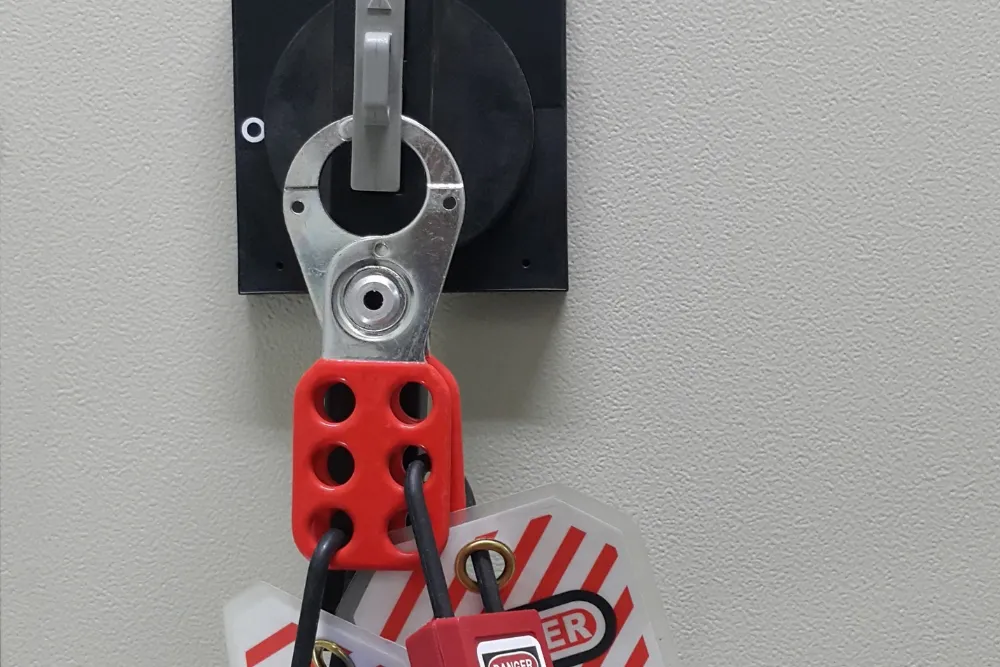
These actions prevent unexpected startups or the release of hazardous energy while maintenance is being carried out.
The essence of LOTO is to isolate power sources from equipment, securely lock them down, and then tag the lock with vital information. This includes who locked out the device, their contact details, and why it’s not to be used.
OSHA regulations require these steps because they’re proven to save lives by preventing accidents in both home and office settings. Next up, let’s delve into the purpose of this life-saving practice.
Purpose
Transitioning from understanding the definition of LockOut/TagOut (LOTO) to its purpose, it is crucial to comprehend that LOTO serves a critical role in preventing accidents and ensuring workplace safety.
By isolating power sources, locking them, and placing tags on the locks with information about the worker and the reason for LOTO, this procedure safeguards against accidental startups or operations.
Additionally, LOTO tags are used to notify affected employees and identify procedures and hazards during equipment servicing. Consequently, integrating LOTO into safety protocols not only complies with OHS requirements but also significantly reduces the risk of workplace accidents related to hazardous energy sources.
This essential procedure benefits homeowners and office owners by prioritising hazard prevention and maintaining electrical safety within their respective environments.
Moreover, as an integral part of lockout/tagout procedures, LOTO tags communicate important information about locked-out equipment while serving as a visual warning for workers. The significance lies in clearly indicating when machines or equipment should not be used, thereby enhancing workplace safety measures around energy isolation during maintenance tasks.
Types of energies LOTO prevents
- Electrical energy: Disconnecting and locking out electrical power sources.
- Mechanical energy: Locking moving parts such as conveyor belts or rotating equipment.
- Thermal energy: Isolating high-temperature equipment like boilers or ovens.
- Hydraulic energy: Blocking fluid flow in hydraulic systems using lockout devices.
- Pneumatic energy: Isolating compressed air systems to prevent accidental start-ups.
Steps for LOTO Procedure
We will discuss the necessary steps that need to be taken during a LOTO procedure, from preparation and shutdown to isolation and applying lockout/tagout. It is crucial to follow these steps carefully in order to ensure the safety of everyone involved in the maintenance or repair work.
Preparation
Before starting the lockout/tagout (LOTO) procedure, we will gather all necessary tools and equipment. This includes locks, tags, and other isolation devices required for shutting down hazardous energy sources.
Ensuring that all safety procedures are in place before commencing with LOTO is vital to prevent workplace accidents or injuries. We will also communicate the purpose of the lockout/tagout to all affected personnel.
We commence by identifying all energy sources that need to be isolated and clearly communicating this information with everyone involved in the process. Additionally, we confirm that appropriate steps have been taken for any stored or residual energy within machines or equipment, ensuring a thorough check has been carried out before moving on to isolation and applying LOTO devices.
Shut Down
After completing the preparation phase, the next crucial step in the lockout/tagout (LOTO) procedure is shutting down the equipment or machinery. This involves turning off all power sources to ensure that no energy flows through the system.
It’s important to identify and locate all potential sources of hazardous energy before initiating the shutdown process. The aim is to render the equipment or machine completely inoperative by de-energising it from all power sources.
During this stage, it’s imperative to follow a systematic approach for powering down equipment according to manufacturer guidelines and best practices. Turning off switches, valves, or other controls should be done meticulously as part of this process, ensuring that every possible source of energy is effectively turned off before moving on to isolation and applying lockout/tagout measures.
Isolation
Isolation involves disconnecting power sources and ensuring that hazardous energy is completely cut off from machines or equipment. This step is crucial in the lockout/tagout procedure to prevent accidental startups and operations.
Isolating devices, locking them out, and placing tags on the locks helps identify the worker responsible for the isolation, as well as communicate important safety information about the equipment being isolated.
Understanding the importance of isolation in LOTO situations can significantly reduce workplace accidents and injuries. By following proper isolation procedures, workers can ensure their safety when working with machinery or equipment.
The next critical step after isolation is applying lockout/tagout measures to further enhance safety protocols within the workplace.
Applying Lockout/Tagout
When applying Lockout/Tagout (LOTO), ensure the equipment is properly shut off and isolated from power sources. Tagging with LOTO tags helps to communicate important information about the locked-out equipment, including the name of the employee performing the lockout, contact details, and reasons for the LOTO.
This crucial step is essential in preventing accidental startups or operations, thereby ensuring workplace safety and compliance with OSHA requirements.
Moving on to understanding LOTO Tags and Locks.
Stored Energy Check
After applying lockout/tagout measures, the next critical step in the process is the stored energy check. This involves identifying and controlling any residual hazardous energy that may still be present within the machinery or equipment.
The purpose of this check is to ensure that all potential sources of stored energy have been safely released or contained, thus eliminating the risk of unexpected startup or release of hazardous energy.
During the stored energy check, it’s essential to inspect all components of the equipment thoroughly, including hydraulic systems, pneumatic systems, electrical circuits, and mechanical parts.
Verification and Re-Energizing
Before re-energising, ensure all employees are clear of the equipment and related hazards. Always verify that all energy sources have been properly isolated and locked out before attempting to restart or re-energise any machinery.
Confirm each lockout/tagout device has been removed only by the employee who installed it, then double-check for any residual energy that may still be present. It’s crucial to follow these steps accurately to prevent unexpected machine startup and potential workplace accidents.
Once verification is complete, carefully re-energise the equipment following standard operating procedures. Prioritise safety by ensuring all personnel understand their responsibilities during this process and remain vigilant at all times.

Importance of LOTO Compliance
Lockout/TagOut (LOTO) compliance is crucial for maintaining a safe work environment. LOTO procedures ensure that hazardous equipment is properly shut off, preventing accidental startups and operations, which can lead to severe injuries or even fatalities.
By following LOTO protocols, home and office owners can effectively mitigate potential risks associated with machinery or equipment maintenance.
The importance of LOTO compliance cannot be overstated; it not only safeguards the well-being of workers but also minimises the likelihood of workplace accidents. Adhering to LOTO regulations helps prevent the release of hazardous energy during maintenance activities, protecting employees from electrical, mechanical, hydraulic, and thermal dangers.
Additionally, complying with LOTO requirements enables employers to demonstrate their commitment to creating a secure and conducive working atmosphere for their staff members.
LOTO Tags and Locks
When it comes to LOTO procedures, the use of safety tags and locks is crucial for preventing accidents. Understanding the requirements, limitations, and types of safety tags and locks can help ensure proper compliance with LOTO regulations.
Requirements and Limitations
To ensure safety compliance, LOTO tags must include the employee’s name and contact information along with details of the person who performed the lockout. They also need to communicate essential procedural and hazard information clearly.
The LOTO tags should be durable and able to withstand environmental conditions, in line with HSE requirements for effective communication during lockout/tagout procedures.
Understanding these limitations and requirements is crucial for maintaining a safe work environment. Properly designed LOTO tags are necessary to reinforce the importance of adhering to lockout/tagout procedures and prevent workplace accidents from occurring due to equipment misuse or failure.
Types of Safety Tags
After understanding the requirements and limitations of LOTO tags, it’s essential to recognise the different types available and their specific purposes in keeping everyone safe. Here are some common types of safety tags used in lockout/tagout procedures:
- Danger Tags: These bright red tags are used for extreme hazards, warning individuals not to operate machinery or equipment while they are locked out.
- Caution Tags: Yellow caution tags are employed for potential hazards that could cause injury but may not be as severe as those indicated by danger tags.
- Out-of-Service Tags: These tags inform workers that the equipment is temporarily unavailable for use due to maintenance, inspection, or repair.
- Do Not Operate Tags: Employed during lockout for a specific piece of machinery or equipment, these tags indicate that it must not be operated.
- Informational Tags: These white tags provide detailed information about the type of energy source being controlled, further enhancing safety awareness.
- Supervisory Lockout Tags: These green-coloured tags specify that only authorised personnel can remove them and re-energise the equipment after completing necessary tasks responsibly.
Reusability
LOTO tags and locks are designed for reusability, allowing them to be used multiple times in different lockout/tagout situations. This feature makes them cost-effective and efficient for ongoing safety procedures in a variety of settings.
Reusable tags can also be customised with specific information related to the equipment being locked out, ensuring clear communication and compliance with safety regulations. LOTO tags’ reusability promotes sustainable practices by reducing waste and supporting environmental responsibility, making them an essential component of any effective lockout/tagout programme.
The reusability of LOTO tags is a practical solution that not only saves on costs but also contributes to improved workplace safety. By using durable and reusable tags, businesses and individuals can ensure they have the necessary safety devices readily available whenever lockout/tagout procedures are required.
Common Mistakes and Violations in LOTO Procedures
Many common mistakes and violations can occur during LockOut/TagOut procedures, including improper isolation of energy sources, failure to fully shut down equipment, and inadequate training for employees.
These mistakes can lead to serious accidents and injuries if not addressed properly.

Avoiding mistakes
- Ensure thorough training for all employees involved in LOTO procedures, emphasising the importance of precision and attention to detail.
- Always verify energy isolation by double-checking that all power sources have been effectively shut off and securely locked out with appropriate locks and tags.
- Prioritise effective communication among team members involved in the LOTO process to prevent misunderstandings or oversights during equipment shutdown or re-energising.
- Regularly inspect and maintain lockout/tagout devices, including tags and locks, to ensure they are in good working condition and clearly legible for easy identification.
- Adhere strictly to OSHA requirements and limitations for LOTO tags, ensuring that all necessary information, including employee names and contact details, is accurately recorded on each tag.
- Implement a robust system for documenting LOTO procedures, including creating comprehensive checklists and logs to track every step of the lockout/tagout process systematically.
- Establish clear protocols for addressing any deviations from standard LOTO procedures promptly, ensuring swift corrective action is taken when necessary.
- Conduct periodic reviews of lockout/tagout procedures to identify potential areas for improvement or updates based on evolving safety standards or equipment modifications.
Consequences of violations
After understanding the importance of avoiding mistakes in lockout/tagout (LOTO) procedures, it is crucial to comprehend the severe consequences of violations. Failure to comply with LOTO regulations can lead to catastrophic accidents and injuries.
Ignoring or bypassing LOTO procedures can result in unexpected equipment startups, posing life-threatening hazards to employees, maintenance workers, and others working near hazardous machinery.
Disregarding lockout/tagout protocols can also lead to non-compliance fines from regulatory authorities such as HSE. These penalties have significant financial implications for home and office owners.
Your Secure Space Starts with Our Tagout System!
In summary, tagging in LockOut/TagOut (LOTO) situations is crucial for workplace safety. LOTO tags effectively communicate important information about locked-out equipment, helping to prevent accidents and injuries.
Understanding the significance of LOTO tags and using them correctly is essential for maintaining a safe work environment. Employing proper tagging procedures ensures that workers are informed about potential hazards and can confidently carry out lockout/tagout processes.
Secure your workplace with Tag Out System’s advanced tagging solutions for LockOut/TagOut (LOTO) situations. Our robust tagging systems provide clear visual indicators for equipment isolation, ensuring the safety of your workforce during maintenance and repair tasks. Stay compliant and protect your employees by implementing Tag Out System’s reliable tagging solutions today. Contact Us Today!