
LockOut Equipment · 5 September 2023
Tag Out Systems for Hazardous Energy Sources
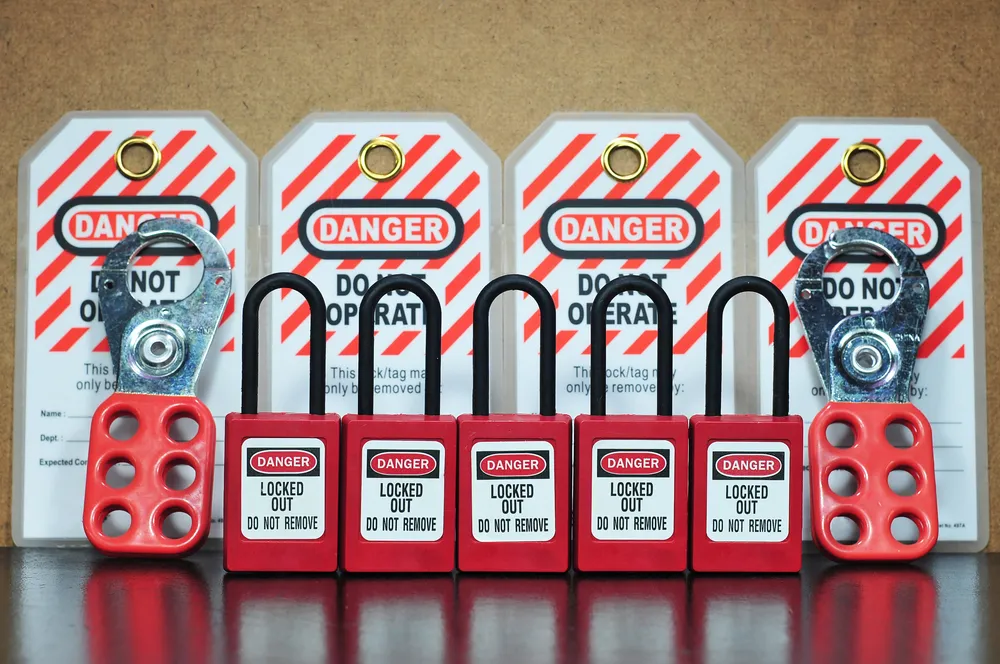
Feeling a bit swamped trying to wrap your head around the ins and outs of implementing tag-out systems for hazardous energy sources at home? Yeah, we were in the same boat until we delved into some serious research.
Turns out it’s not as tricky as it seems, mate. This blog offers a straightforward yet comprehensive guide on everything you need to grasp about lockout/tagout procedures, including how to set them up in your own home.
Key Takeaways
- Tag-out systems are essential for controlling hazardous energy sources during maintenance and service activities.
- Lockout and tagout are two methods used to control energy sources, with lockout providing more secure protection through physical disconnection or blocking of energy sources.
- Adhering to the OSHA lockout/tagout standard is crucial for creating a safe working environment and preventing accidents or injuries caused by hazardous energy.
What is Lockout Tagout?
Lockout Tagout is a safety procedure used to ensure that hazardous energy sources are properly shut off and not activated during maintenance or servicing of equipment.
Importance
Adherence to lockout/tagout procedures is crucial in our homes, particularly when dealing with potentially hazardous energy sources. These systems serve as a protective shield against unexpected machine activations that could result in dangerous situations or injuries.
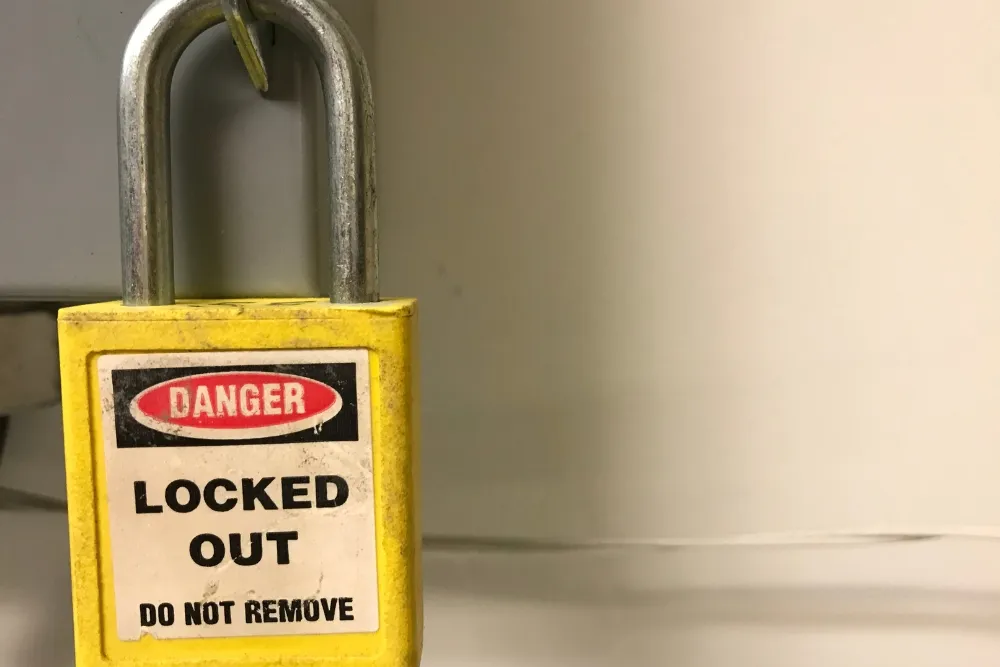
They are especially vital during maintenance operations where we disconnect devices from their power source to ensure a safe working environment. By properly implementing these safety measures, we not only comply with legal requirements but also foster a culture of safety within our households.
Taking control of hazardous energy through the effective use of tag-out systems can ultimately save lives and prevent serious accidents at home, demonstrating the true importance of these processes.
Difference between Lock Out and Tag Out
Lockout and tagout are two methods used to control hazardous energy sources on machines. While they have the same goal of protecting workers from harm, there is a difference between the two.
Lockout involves physically disconnecting or blocking energy sources to prevent them from being turned on, while tagout uses warning tags and signs to indicate that equipment should not be operated.
Lockout provides more secure protection as it requires the use of a lock and key, whereas tagout relies solely on visual warnings. Both methods are important in ensuring workplace safety and must be followed according to regulations set by OSHA.
OSHA Lockout Tagout Standard
Lockout/tagout is an essential safety standard established by OSHA to protect workers from hazardous energy sources on machines. This standard ensures that proper procedures are followed to control and isolate the energy, preventing potential accidents or injuries.
It is a legal requirement in some countries, to mandate the use of lockout/tagout procedures before any equipment service or maintenance takes place. By adhering to this standard, we can create a safer working environment and minimise risks associated with electrical, air, gas, steam, chemical, and hydraulic systems.
Lockout Tagout Devices
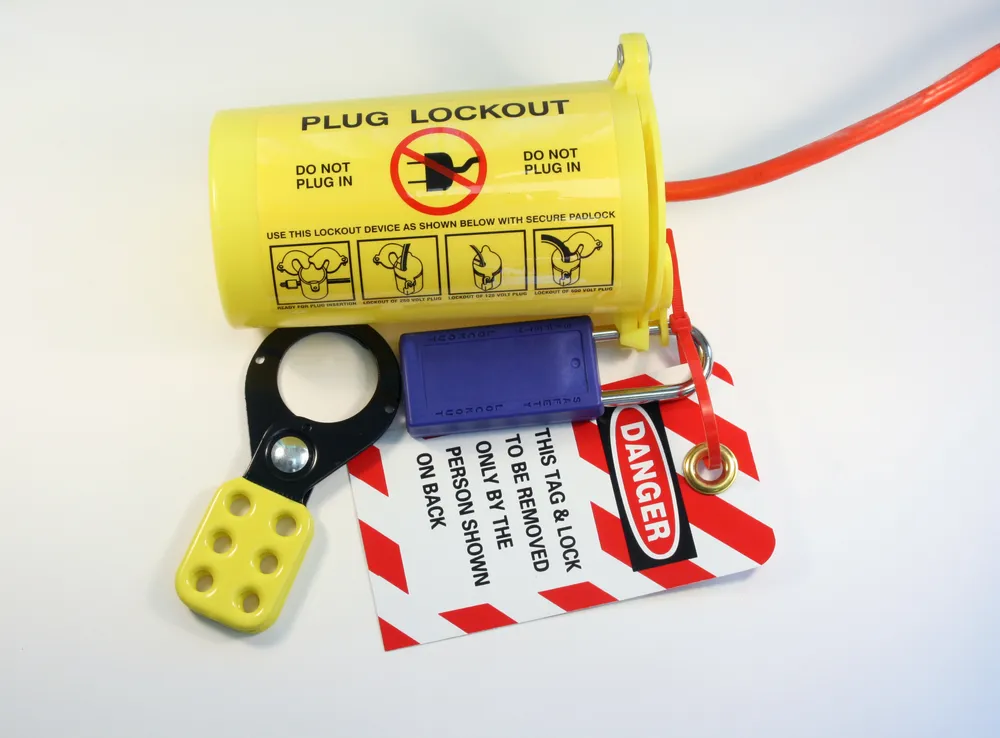
Lockout tagout devices are essential tools used to control hazardous energy sources on machines. These devices are designed to prevent the accidental release of energy during equipment service or maintenance, keeping workers safe from harm.
Locks and tags are commonly utilised in lockout/tagout procedures to ensure that machinery is completely isolated from all energy sources. With lockout devices, such as padlocks and valve covers, and tagout devices like warning tags, homeowners can effectively disable their equipment and protect against electrical hazards, chemical releases, and other potential dangers.
By using these reliable lockout tagout devices, homeowners can enhance workplace safety and mitigate risks associated with hazardous energy sources.
Lockout Tagout Procedures
In this section, we will discuss the essential steps of implementing a lockout tagout program and what to do if an employee is not available to remove the lock. If you want to ensure the safety of your employees when dealing with hazardous energy sources, read on!
Establishing a Lockout Tagout Program
To establish a lockout tagout program, we need to implement procedures that ensure machines and equipment are isolated from all energy sources. This program is crucial for the safety of workers and helps prevent accidents caused by hazardous energy sources on machinery.
By having a lockout tagout program in place, we can effectively control and disable machinery or equipment before any service or maintenance work is performed. These procedures are mandated by law in some countries and should be followed to protect both employees and property from potential harm.
Remember, implementing a lockout tagout program is an essential step towards creating a safe working environment for everyone involved.
Lockout Tagout Steps
To ensure the safety of workers and prevent accidents, lockout/tagout procedures are essential when working on equipment with hazardous energy sources. Here are the steps involved in a typical lockout/tagout procedure.
1. Identify Energy Sources: First, you need to identify all the energy sources that power the equipment or machinery.
2. Notify Affected Personnel: Inform everyone who will be affected by the lockout/tagout procedure about what is happening and why it is necessary.
3. Shut Down Equipment: Safely shut down the equipment using its normal shutdown procedures.
4. Isolate Energy Sources: Next, isolate each energy source by disconnecting or blocking them off so that no accidental startup can occur.
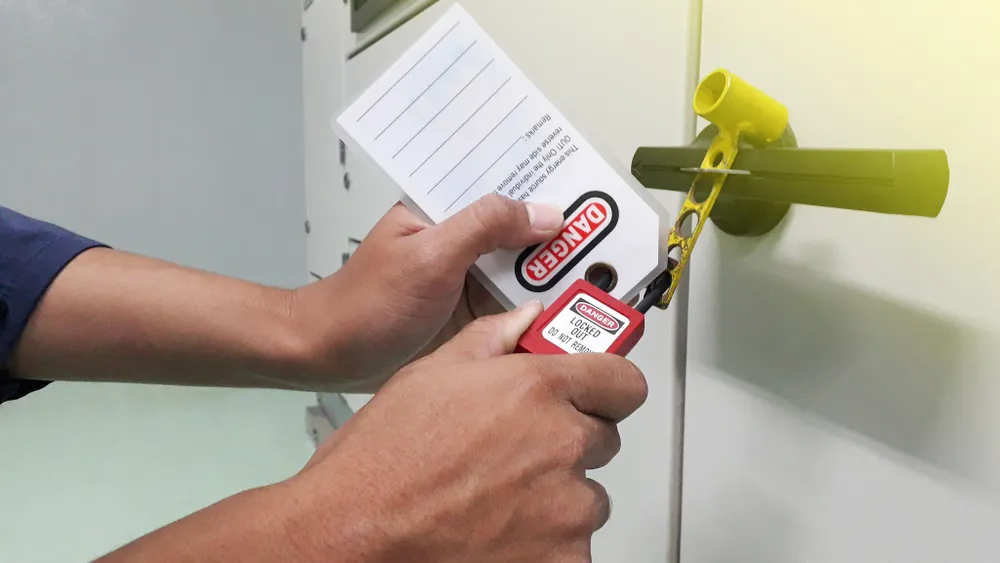
5. Apply Locks and Tags: Apply locks to all isolation devices, such as switches or valves, to keep them in a safe position and prevent re-energisation. Additionally, attach tags clearly indicating why the lock is there and who applied it.
6. Release Stored Energy: Before performing any maintenance or service tasks, release any stored energy from the equipment following proper procedures.
What to Do if an Employee is Not Available to Remove the Lock?
If an employee is not available to remove the lock, it is important to follow proper procedures to ensure safety. First, try to locate another authorised person who can assist in removing the lock.
If this is not possible, contact a supervisor or manager for guidance. Do not attempt to remove the lock yourself if you are not trained and authorised to do so. It is crucial to prioritise safety and wait for a qualified individual to address the situation properly.
Remember, following proper lockout/tagout procedures is essential for preventing accidents and protecting against hazardous energy sources.
Training and Safety
Lockout tagout training is crucial for ensuring the safety of employees working with hazardous energy sources. Clearly defining and communicating the lockout tagout policy, as well as enforcing documentation, helps to reinforce safe practices in the workplace.
Lockout Tagout Training
Lockout tagout training is essential for homeowners to ensure their safety when working with hazardous energy sources. It is important to understand the procedures and techniques involved in lockout tagout, as it helps prevent accidents and injuries caused by unexpected release of energy.
During training, you will learn about different types of hazardous energy sources such as electrical, air, gas, steam, chemical, and hydraulic systems. You will also be taught how to identify these energy sources and effectively control them through proper lockout tagout procedures.
In addition to learning about specific lockout tagout steps for each type of energy source, training will also cover topics like equipment inspections and maintenance procedures. By attending lockout tagout training sessions, you will gain a comprehensive understanding of how to safely isolate machinery or equipment from all energy sources before performing any service or maintenance tasks.
Clearly define and communicate the lockout tagout policy
We emphasise the importance of clearly defining and communicating the lockout tagout policy to ensure safety in your workplace. The lockout tagout policy outlines the specific procedures and guidelines employees need to follow when working with hazardous equipment or machinery.
By clearly communicating this policy, you help your employees understand the steps they must take to properly lock out and tag out equipment, preventing accidents caused by hazardous energy sources.
This includes identifying which equipment requires locking out, knowing how to properly secure lockout devices, understanding when it is necessary to use tags, and ensuring that everyone involved is aware of who has control over each locked-out device.
Enforce lock out tag out documentation
We ensure the enforcement of lockout/tagout documentation to maintain a safe working environment. This means strictly following procedures and guidelines for isolating equipment from hazardous energy sources before maintenance or service.
By consistently adhering to these practices, we protect workers from harm and prevent accidents caused by unexpected energisation of machinery or equipment. Enforcing lockout/tagout documentation is not only a legal requirement in some countries, but it is also an essential part of our commitment to workplace safety and occupational health.
Compliance and Audits
To ensure compliance with OSHA standards, regular audits and inspections must be conducted to assess the effectiveness of the lockout tagout program. These audits should include thorough checks of equipment, documentation, and training records.
Additionally, utilising lockout tagout software and templates can facilitate efficient auditing processes and help identify areas for improvement.
OSHA Lockout Tagout Checklist
We have developed an OSHA Lockout Tagout Checklist to help you ensure workplace safety when it comes to hazardous energy sources. This checklist is designed to guide you through the necessary steps and requirements for implementing a lockout/tagout program in your facility.
By following this checklist, you can ensure that all equipment is properly isolated from energy sources before maintenance or service work begins. This will protect both your employees and equipment from potential harm caused by the unexpected release of hazardous energy.
Stay compliant with OSHA standards and keep your workplace safe by using our comprehensive Lockout Tagout Checklist.
Periodic LOTO Inspections
We conduct periodic LOTO inspections to ensure the ongoing safety and effectiveness of the lockout/tagout procedures. These inspections are essential in identifying any potential issues or deficiencies that may arise over time.
By regularly inspecting our equipment, machinery, and lockout/tagout devices, we can detect any signs of wear and tear, damage, or malfunction. This allows us to take immediate corrective action and prevent accidents or injuries from occurring.
Our commitment to conducting periodic LOTO inspections shows our dedication to maintaining a safe working environment for everyone involved.
Perform frequent LOTO audits
We regularly conduct LOTO audits to ensure the effectiveness of our lockout/tagout procedures. These audits help us identify any gaps or weaknesses in our energy control program and take necessary actions to improve safety measures.
By performing these audits, we can prevent accidents caused by hazardous energy sources and protect both workers and equipment from harm. Our commitment to conducting frequent LOTO audits reflects our dedication to maintaining a safe working environment for everyone involved.
Lockout Tagout Software and Templates
Lockout tagout software and templates are valuable tools for implementing and managing a lockout/tagout program. With the help of these resources, homeowners can easily create customised procedures and documentation specific to their equipment.
The software provides a user-friendly interface for designing lockout/tagout procedures, while the templates offer pre-made forms and checklists that can be easily edited. Using lockout tagout software and templates ensures consistency in safety practices and helps to streamline the process of controlling hazardous energy sources in the home environment.
Responsibilities and Legal Requirements
Managers, supervisors, and principal investigators are responsible for ensuring compliance with lockout tagout procedures and legal requirements. Authorised persons must follow established procedures for isolating hazardous energy sources, while affected persons need to be aware of and adhere to safety protocols.
EH&S departments have the responsibility of overseeing and enforcing these regulations to maintain a safe working environment.
Managers, supervisors, and principal investigators
Managers, supervisors, and principal investigators play a crucial role in ensuring the safety of their employees when it comes to lockout/tagout procedures. They are responsible for implementing and enforcing these procedures to protect workers from hazardous energy sources.
By providing clear instructions and training, they can ensure that everyone understands the importance of lockout/tagout and follows the established protocols. It is their duty to lead by example and prioritise workplace safety by regularly inspecting equipment, conducting audits, and addressing any deficiencies promptly.
Managers, supervisors, and principal investigators must also stay up-to-date with OSHA standards regarding lockout/tagout procedures to ensure compliance and avoid legal issues.
Authorised Persons
Authorised persons play a crucial role in the lockout/tagout process. These individuals are responsible for carrying out the procedures to ensure that equipment is properly isolated from hazardous energy sources.
They have received specialised training and have been authorised by their employers to perform lockout/tagout activities. It is important for homeowners to understand who these authorised persons are, as they are the ones who will be implementing safety measures when working on equipment maintenance or repairs.
By entrusting these tasks to trained professionals, we can ensure that our homes and workplaces remain safe and free from potential hazards associated with energised machinery.
Affected Persons
Affected persons play a crucial role in the lockout/tagout process. They are individuals who work near or use equipment that is undergoing lockout/tagout procedures. Their safety and well-being depend on following the necessary protocols to ensure hazardous energy sources are controlled effectively.
It is important for affected persons to understand the purpose and importance of lockout/tagout procedures, as well as their responsibilities in adhering to them. By doing so, they contribute to creating a safe work environment and help prevent accidents and injuries caused by unexpected releases of hazardous energy.
Remember, everyone’s commitment to following proper lockout/tagout procedures is essential for protecting themselves and others around them.
EH&S Responsibilities
Managers, supervisors, and principal investigators have important responsibilities when it comes to lockout/tagout procedures. They must ensure that the necessary steps are taken to protect employees from hazardous energy sources on machines.
This includes establishing a lockout/tagout program, training employees on proper procedures, and enforcing documentation of lockout/tagout activities. It is their duty to create a safe work environment and comply with legal requirements for controlling hazardous energy.
Additionally, EH&S (Environmental Health and Safety) personnel play a crucial role in overseeing workplace safety and ensuring that all necessary precautions are taken to prevent accidents or injuries related to equipment maintenance and energy isolation.
Authorised persons also have a responsibility in the lockout/tagout process. They are trained individuals who carry out the actual application of locks or tags on equipment before service or maintenance begins.
Affected persons, on the other hand, need to be aware of these procedures as they may encounter locked-out machinery during their work activities.
Secure Your Space with Our Tag Out System!
In conclusion, tag-out systems are a crucial component of hazardous energy control programs. They ensure that equipment is properly isolated from all energy sources, protecting workers from harm during maintenance and service activities.
By following lockout/tagout procedures and implementing training and safety measures, organisations can create a safer work environment for everyone involved. Stay safe and prioritise workplace safety by implementing effective tag-out systems today.
Protect your workforce from hazardous energy sources with the Tag Out System. Our specialised solutions ensure your employees are safe while working on machinery and equipment. Don’t leave safety to chance – implement the best practices in hazardous energy control with Tag Out System today. Contact us now to learn how our systems can safeguard your workplace!