
Tag Out System · 10 February 2024
Tag Out Systems for Hazardous Energy Isolation

Ever caught yourself stressing about the risk of a nasty mishap while wrangling heavy machinery at home or in the office? It’s a fair concern, mate – those close shaves with hazardous energy are not to be taken lightly.
No worries though, we’ve got your back with some straightforward advice on using lockout-tagout systems. These gems will help you keep everything safe as a bank vault. So settle in, grab a cuppa and let’s walk through these canny tips together – it’s all about nailing down that peace of mind!
Key Takeaways
- Tag-out systems are part of the lockout/tagout (LOTO) procedures that ensure machinery is safely shut down and isolated before maintenance.
- Proper use of energy isolating devices, lockout and tagout devices, LOTO boxes, and colour-coded locks and tags is vital for preventing workplace accidents.
- Regular inspections, audits, and training in clear communication and documentation are necessary to enforce an effective LOTO programme.
- Implementing a comprehensive LOTO programme aligns with Australian standards for hazardous energy isolation, protecting workers from injury or worse.
- Utilising lockout tagout software along with templates and checklists can help streamline the management of LOTO procedures.
Understanding Lockout Tagout (LOTO)
Lockout Tagout (LOTO) is a safety procedure used to ensure that hazardous energy sources are isolated and de-energised before maintenance or servicing work begins. It’s important in preventing injuries and fatalities in the workplace.
Definition
Tag-out systems play a crucial role in ensuring we all stay safe while working with machinery that could release hazardous energy. They’re part of the wider lockout/tagout (LOTO) safety procedures, which involve shutting down equipment and making absolutely certain it can’t be started up again until maintenance or repairs are complete.

This process involves locking the energy-isolating devices on machinery so no one can re-energise them without removing the lock or tag.
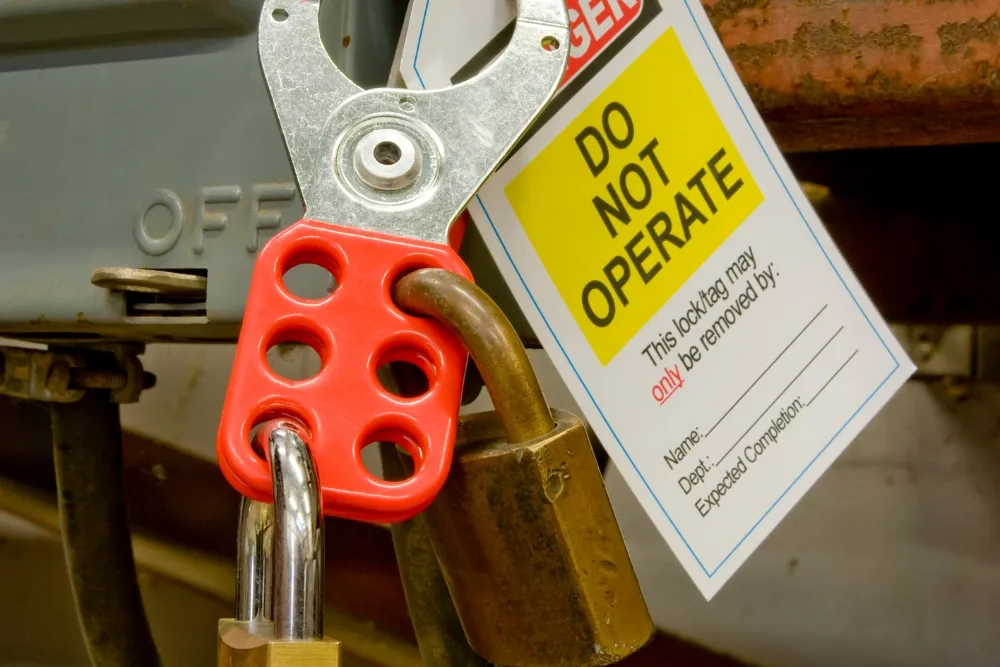
In practice, tagout means attaching a warning tag to an energy-isolating device when it is placed in the off position. These tags alert us not to operate the device until the tag is rightfully removed following completion of work and safety checks.
It’s not just about slapping on a ‘Do Not Operate’ sign; this is about setting up barriers against accidental energisation, protecting ourselves from serious harm or even death when dealing with industrial equipment powered by electricity, hydraulics, pneumatics, chemicals or thermal elements.
We follow these steps because they form an essential protection mechanism within our workplace safety protocols, a commitment to risk management that makes sure everyone goes home safe at day’s end.
Importance in preventing injuries and fatalities
Preventing injuries and fatalities is crucial in any setting. Implementing a robust lockout/tagout programme plays a significant role in achieving this goal. It ensures that workers are protected from hazardous energy sources, reducing the risk of accidents and potential harm.
Compliance with lockout/tagout standards is essential for maintaining a safe work environment while addressing the high-risk nature of working on equipment with hazardous energy sources.
Implementing strict lockout/tagout procedures is vital to prevent accidents and protect workers from injury or worse. By isolating and de-energising all energy sources before commencing work, the risks associated with machinery operation can be effectively mitigated.
Components of a LOTO System
When it comes to a Lockout Tagout (LOTO) system, there are several important components that play a crucial role in preventing accidents and injuries. From energy isolating devices to lockout and tagout devices, each part of the system is essential for ensuring equipment safety and employee protection.
Energy isolating devices
Energy isolating devices are fundamental components of a lockout/tagout system. These devices, such as switches, valves, and breakers, physically prevent the transmission or release of energy to machinery or equipment during maintenance or servicing.
By effectively isolating the energy source, these devices ensure that workers can safely carry out tasks without the risk of unexpected energisation or start-up of hazardous energy.
Complying with energy isolation procedures and using proper isolation equipment is crucial for preventing accidents and protecting individuals from potential injury when working on equipment with hazardous energy sources.
Understanding the significance of energy-isolating devices allows us to appreciate their role in maintaining workplace safety. Employing these devices ensures that all risk controls due to the high-risk nature of work involving hazardous energy are implemented effectively.
It is vital for home and office owners to recognise and adhere to proper lockout/tag-out procedures as part of their commitment to creating a safe environment for everyone.
Lockout and tagout devices
Lockout and tagout devices are crucial components of the energy isolation process, ensuring that machinery or equipment remains inoperative during maintenance or servicing. These devices physically prevent the release of hazardous energy by either locking the equipment’s power source or attaching a written warning tag to it.
Lockout/tagout procedures involve de-energising all sources, installing locks and tags, and testing the isolation before commencing work on equipment with hazardous energy sources.
Implementing a comprehensive lockout tagout system is essential for home and office owners to protect workers from potential injury or death due to accidental energisation of machinery.
A lockout/tag-out programme helps control hazardous energy, complying with safety standards and regulations for workplace isolation protocols. By using these devices as part of an isolation programme, risks associated with working on machinery with hazardous energy can be effectively managed.
LOTO boxes
LOTO boxes are essential components of a lockout/tagout system. These durable containers provide a secure place to stow locks, tags, and other devices when not in use. LOTO boxes help organise equipment and ensure that necessary tools are always readily available for isolation procedures.
Using colour-coding for different types of locks and tags allows for easy identification within the LOTO box, streamlining the process and improving efficiency.
When preparing for maintenance or servicing equipment with hazardous energy sources, having a designated LOTO box ensures that all required items are easily accessible and properly stored.
Additionally, regular inspections of the LOTO box can help maintain its effectiveness as part of an overall lockout/tagout programme.
Colour-coding of locks and tags
When using a lockout/tagout (LOTO) system, it’s important to utilise colour-coding for locks and tags. This method allows for quick identification of the responsible person or team in charge of the lockout/tagout process.
By assigning specific colours to different departments or teams, confusion can be minimised, ensuring that only authorised personnel remove locks and tags.
Additionally, utilising colour coding helps workers easily identify the status of equipment – whether it is safe to operate or still undergoing maintenance. This visual cue enhances workplace safety by reducing the risk of accidental energy re-activation during repairs or servicing activities.
Steps for a Proper LOTO Procedure
Identify and shut down plants, isolate energy sources, install locks and tags, test isolation, and establish a LOTO programme. Read on to learn about the importance of these steps in preventing workplace injuries and fatalities.
Identify and shut down the plant
To begin the lockout/tagout procedure, we need to identify and shut down the plant. This involves locating the main power source and turning it off to ensure all machinery or equipment is completely deactivated.
Once all operations have been halted, it is crucial to verify that each component of the plant has come to a complete standstill before proceeding with any isolation or maintenance tasks.
After shutting down the plant, it becomes essential for us to conduct a thorough inspection of the entire facility to confirm that no hazardous energy sources are in operation. This step ensures a safe environment for workers while they carry out necessary procedures on machinery or equipment that might pose risks when active.
Identify energy sources and hazards
After shutting down the plant, we must move on to identifying energy sources and hazards associated with the machinery or equipment. It\\’s crucial to pinpoint all potential sources of hazardous energy such as electrical, mechanical, pneumatic, hydraulic, and thermal energies within the workplace.
We also need to recognise any possible hazards that could arise during maintenance or servicing tasks, including moving parts, high temperatures, stored energy in capacitors or springs, and electric shock risks.
Being aware of these energy sources and hazards is essential for implementing a comprehensive lockout/tagout procedure that effectively isolates and de-energises all potential sources.
This step is vital in ensuring a safe working environment for everyone involved while preventing any unexpected release of hazardous energy that could lead to accidents or injuries.
Isolate and de-energise all sources
After identifying energy sources and hazards, the next crucial step in the lockout/tagout procedure is to isolate and de-energise all sources of hazardous energy. This involves shutting down machinery, equipment, or systems and then physically disconnecting or blocking energy sources to prevent any accidental startup.
By isolating and de-energising all sources, we ensure that there is no residual energy that could pose a risk to anyone working on the equipment.
Once all energy sources have been isolated and de-energised, it’s essential to follow proper procedures for installing locks and tags to clearly indicate that maintenance or servicing work is being carried out.
Install locks and tags
Before starting any maintenance or repair work, it is crucial to install locks and tags as part of the lockout/tagout procedure. These locks and tags effectively prevent the accidental start-up of machinery or equipment by securely isolating hazardous energy sources.
By doing so, homeowners and office owners can ensure the safety of everyone involved in the maintenance process. Proper installation of locks and tags is a fundamental step in complying with lockout/tagout regulations, reducing the risk of workplace accidents related to unexpected energisation.
This vital aspect of equipment isolation standards not only protects workers from potential injuries but also plays an essential role in preventing fatalities due to hazardous energy release.
Ensuring that these locks and tags are installed correctly is imperative for creating a safe work environment when dealing with machinery deactivation. As a homeowner or office owner, understanding and implementing this step will contribute significantly to workplace safety.
Continuing with proper lockout/tagout procedures ensures that all employees are protected against hazardous energy-related incidents while working on machinery or equipment.
Test the isolation
Before starting any work on the equipment, it is crucial to test the isolation of hazardous energy sources. This involves physically attempting to start the machine or equipment, ensuring that the lockout and tagout devices are effectively preventing energy flow.
By doing this, we confirm that all energy sources have been successfully isolated and de-energised, providing a safe working environment for maintenance or repairs. Testing the isolation helps prevent unexpected start-ups and ensures that workers are protected from potential hazards.
Moving on to “Establishing a LOTO Programme” let’s delve into the importance of implementing a comprehensive lockout/tag-out system in your workplace.
Establish a LOTO programme
To establish a LOTO programme, consider identifying and shutting down all plant operations. Next, ensure that all energy sources and associated hazards are isolated and de-energised properly before installing locks and tags.
Finally, conduct tests to verify the effectiveness of the isolation before commencing work on equipment with hazardous energy sources. Implementing a comprehensive lockout tagout program is crucial for ensuring the safety of workers and preventing accidents related to hazardous energy control.
Implementing a LOTO programme requires clear communication, documentation, training, and enforcement of procedures. Utilising lockout tagout software along with templates and checklists for LOTO procedures can streamline the process and ensure compliance with regulatory standards.
Complying with LOTO Australian Standards
Understanding and complying with LOTO Australian Standards is essential for workplace safety. It ensures that all lockout tagout procedures are in line with industry regulations, reducing the risk of hazardous energy-related accidents.
Importance and benefits
Implementing a comprehensive lockout/tagout system is crucial in ensuring the safety of both workers and equipment. By adhering to lockout/tagout procedures, homeowners and office managers can effectively prevent accidents caused by unexpected energisation or start-up of machinery, protecting individuals from potential injury or even fatalities.
This programme enables hazardous energy sources to be isolated and rendered inoperative before work begins on the equipment, greatly reducing the risk of workplace incidents.
Adhering to lockout/tagout standards not only ensures compliance with regulations but also provides an effective method for controlling hazardous energy, and safeguarding workers from potential harm.
Guidelines for Compliance
To comply with lockout/tagout regulations, ensure that all energy sources are identified and de-energised before maintenance or servicing. Use appropriate locks and tags to clearly indicate that equipment is under repair, and establish a comprehensive lockout/tagout programme.
Regular inspections and audits should be conducted to verify compliance with Australian standards for hazardous energy isolation.
Training employees on the importance of following LOTO procedures is crucial in enforcing compliance. Clear communication, documentation, and utilising lockout tagout software can aid in maintaining an effective LOTO system.
Inspections and audits
- Conducting routine inspections of all energy isolating devices, locks, and tags to confirm they are in good working condition and properly applied.
- Performing regular audits of the lockout/tagout programme to identify any deficiencies or areas for improvement.
- Training designated employees to carry out thorough inspections and audits in accordance with Australian standards.
- Documenting all inspection and audit findings, including any corrective actions taken, to ensure accountability and continuous improvement.
- Reviewing audit results with relevant stakeholders and implementing necessary changes to enhance the effectiveness of the lockout/tagout programme.
- Collaborating with safety inspectors or external auditors, if necessary, to validate compliance with regulatory requirements and industry best practices.
- Engaging employees in the inspection process to promote awareness and involvement in maintaining a safe work environment.
- Adhering to a structured audit schedule that aligns with legislative requirements and organisational safety objectives.
- Incorporating feedback from inspection and audit reports into ongoing training programmes to reinforce proper lockout/tagout procedures among personnel.
- Regularly communicating audit results and safety performance metrics to all relevant parties to foster transparency and accountability within the organisation.
Training and Enforcing LOTO Procedures
When it comes to training and enforcing lockout tagout procedures, clear communication and documentation are key. Utilising lockout tagout software can help streamline the process, along with templates and checklists for LOTO procedures.
Importance of clear communication and documentation
Clear communication and documentation are essential in ensuring that all employees understand and follow lockout/tagout procedures. It helps in conveying the importance of isolating hazardous energy sources and following safety protocols.
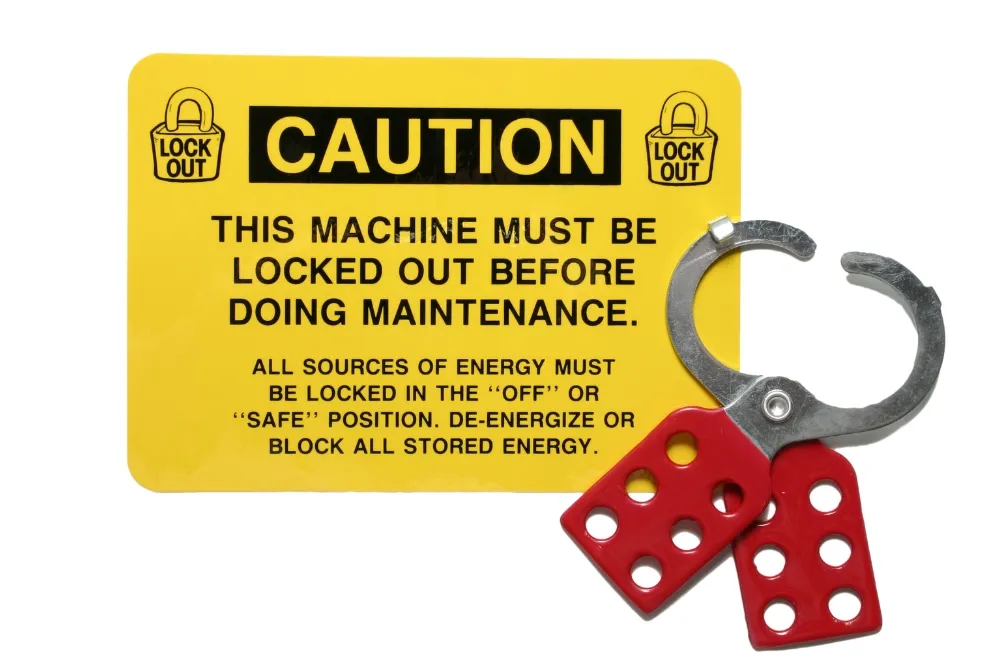
Proper communication enables everyone to be aware of potential hazards, which is crucial for preventing accidents and protecting workers from injury or fatality. Documentation plays a vital role in maintaining a record of all lockout/tagout activities, ensuring compliance with regulations and facilitating regular inspections to verify the effectiveness of the programme.
Effective communication ensures that employees have a clear understanding of how to properly isolate energy sources before initiating any work on equipment, minimising the risk of accidents due to miscommunication or misunderstandings.
Utilising lockout tagout software
To enhance the efficiency and organisation of lockout tagout procedures, utilising lockout tagout software is essential. This software allows for the central management of all lockout tagout activities, including documentation, training records, procedure templates, and equipment inventory.
By using this software, homeowners and office owners can ensure that their lockout tagout procedures are consistently followed and documented in compliance with Australian standards.
Lockout tagout software also provides easy access to information during inspections and audits, simplifying the process of demonstrating compliance with regulatory requirements. Additionally, it facilitates clear communication by providing standardised templates and checklists for LOTO procedures.
Templates and checklist for LOTO procedures
- Utilise standardised templates that outline step-by-step instructions for energy isolation and equipment de-energisation.
- Ensure the checklist captures all necessary steps, including identifying energy sources, installing locks and tags, and testing the isolation.
- Use templates specific to different types of equipment to ensure comprehensive procedure coverage.
- Regularly update the checklists to incorporate any changes in equipment or procedures to maintain accuracy.
- Incorporate visual aids into the templates to enhance understanding and compliance with safety protocols.
- Document completed checklists as part of a comprehensive record-keeping system for auditing and compliance purposes.
Customised Tagout Solutions for Every Environment!
In conclusion, implementing tag-out systems is crucial for safely isolating hazardous energy sources and preventing potential accidents. It’s essential to understand the significance of lockout/tagout procedures and comply with relevant standards to ensure worker safety.
Enforcing clear communication, and documentation, and utilising lockout tagout software are important aspects of maintaining an effective LOTO programme. By following proper procedures and training employees on LOTO protocols, businesses can effectively manage the risks associated with hazardous energy isolation.
Secure your workplace and protect your employees with Tag Out Systems from Tag Out System. Safeguard against hazardous energy by implementing our reliable tagging solutions for effective isolation procedures. Don’t compromise on safety – ensure proper tagging protocols are in place to prevent accidents and injuries. Contact us today to learn more about our Tag Out Systems and keep your workplace safe!