
Tag Out System · 27 November 2023
Tag Out Systems and the Role of Human Factors in Safety

Ever had one of those moments that send a jolt through you, when machinery kicks into gear without warning? It’s fair dinkum enough to set anyone’s heart racing. We’ve all seen it happen, and that’s exactly the reason Tag Out systems are worth their weight in gold on the job site.
In this yarn, we’re going to unravel how a simple lapse in concentration or a casual distraction can throw a spanner in the works when it comes to safety. Stick around and we’ll spill the beans on keeping your mates out of harm’s way so everyone can knock off for the day without a scratch.
Key Takeaways
- Lockout/Tagout (LOTO) procedures are crucial for workplace safety as they prevent accidental start-ups and releases of hazardous energy, significantly reducing the risk of serious injuries and fatalities.
- Human factors such as rushing and distractions can compromise LOTO procedures, highlighting the importance of effective training and regular review of safety protocols to mitigate potential risks in the workplace.
- Key elements of a successful LOTO program include comprehensive employee training, clear written procedures for equipment isolation, and regular inspections to ensure the effectiveness of safety measures.
What is Lockout/Tagout and Why is it Important for Workplace Safety?
Lockout/Tagout, or LOTO, is a safety procedure used in industrial and commercial settings to ensure that equipment and machinery are properly shut off and not able to be restarted while maintenance work is being performed.
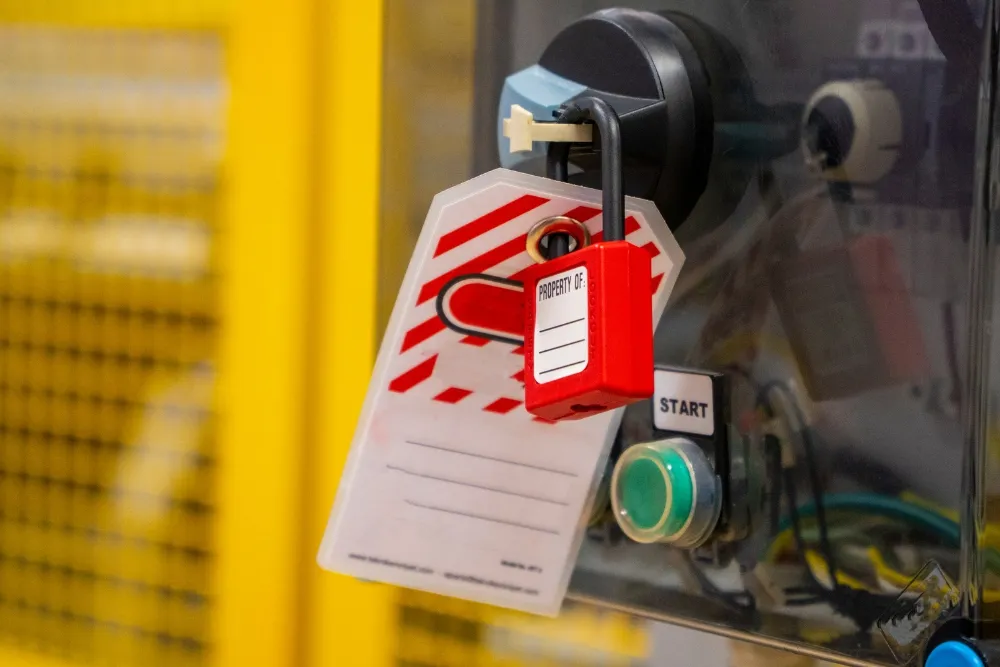
This helps prevent accidental startup, releases of stored energy, and electrical safety incidents. It’s important for workplace safety because it reduces the risk of serious injuries or fatalities due to hazardous energy sources.
Definition of Lockout/Tagout
Lockout/Tagout (LOTO) involves specific practices and procedures to disable machinery or equipment, effectively cutting off the energy supply and preventing hazardous energy release.
We use this vital safety protocol to ensure that machines stay shut down during maintenance or repair work. By implementing these controls, we protect ourselves from sudden starts or releases of stored energy which can cause serious injury or even death.
The process usually requires locks and tags as physical reminders that machinery should not be activated. Tags alert colleagues with important information about the equipment status, serving as a warning not to operate it until the tag is officially removed by authorised personnel.
Our commitment to following LOTO procedures safeguards everyone in our work environment from electrical safety incidents and enhances our workplace safety culture.
Purpose and Benefits of a LOTO Program
Lockout/tagout (LOTO) programs serve the vital purpose of safeguarding workers and employees around machinery and equipment. The primary goal is to prevent unexpected energisation or start-up of machines during maintenance, service, or repair work.
By effectively isolating hazardous energy sources, a LOTO program ensures that workers can carry out their tasks safely without the risk of injury from accidental machine activation.
Implementing a comprehensive LOTO program has numerous benefits for businesses and organisations. Not only does it protect the well-being of employees, but it also helps in avoiding potential hazards associated with servicing or maintaining machines and equipment.
Human Factors in Electrical Safety
Human behaviour plays a critical role in electrical safety, as rushing and distractions can lead to hazardous situations. It’s important to address these human factors through the implementation of effective lockout/tagout procedures.
How human behaviour impacts safety
Human behaviour plays a crucial role in safety within the workplace. Factors such as feeling rushed or losing focus can significantly compromise lockout/tagout procedures, potentially leading to hazardous situations.
It is essential to address these human factors and ensure that employees are trained to adhere strictly to safety protocols, especially when working on or near electrical circuits and equipment.
By recognising the impact of human behaviour on safety, we can take proactive measures to mitigate potential risks and create a safer work environment for everyone involved.
Implementing effective training programs and regularly reviewing safety procedures are critical steps in addressing human factors that could compromise lockout/tagout processes. Additionally, involving supervisors in training sessions and emphasising the importance of avoiding rushing or distractions can further enhance the adherence to safety protocols.
Addressing human factors through LOTO
Addressing human factors through LOTO involves implementing measures to mitigate the impact of human behaviour on safety. Rushing and distractions can compromise lockout/tagout procedures, leading to potential hazards in the workplace.
Home, industrial, and office owners must recognise the significance of addressing these human factors through effective training programs and regular review of procedures.
Ensuring that employees understand the importance of following lockout/tagout protocols helps in creating a safer work environment for everyone involved.
Implementing measures to address human factors through LOTO provides an essential layer of protection when working on or near electrical circuits and equipment. Regularly reviewing and updating lockout/tagout procedures can help reduce incidents caused by rushing or distractions in various work settings.
Key Elements of a LOTO Program
Training is essential for employees to understand the procedures and potential hazards of lockout/tagout, written procedures provide clear guidelines for equipment isolation, and regular inspections ensure that the program is being implemented effectively.
Training
Training is a fundamental aspect of a successful lockout/tagout program. Proper education and instruction for employees on how to effectively implement lockout/tagout procedures are crucial in preventing accidents and injuries.
By involving supervisors in the training process, employees can gain valuable insights and guidance to ensure that they fully understand the importance of following these safety measures.
Additionally, regular review and updates of training materials and procedures will help reinforce the significance of adhering to lockout/tagout protocols, ultimately contributing to a safer work environment.
Employee training plays a critical role in maintaining workplace safety when it comes to lockout/tagout procedures. It equips individuals with the necessary knowledge and skills to carry out proper equipment isolation practices efficiently, mitigating potential risks associated with machine maintenance or other tasks requiring energy control measures.
Written Procedures
Written procedures are a critical component of a lockout/tagout program. They provide employees with clear and specific instructions on how to safely isolate or control hazardous energy sources during maintenance or servicing.
These written procedures must outline the steps for shutting down equipment, isolating energy sources, and affixing lockout/tagout devices. It is important for home, industrial, and office owners to ensure that these procedures are easily accessible to all employees involved in the maintenance process.
Adhering to written procedures ensures that proper safety measures are followed when working with machinery or equipment. This reduces the risk of accidents and injuries caused by unexpected energisation or startup of machines, protecting both workers and employees from potential hazards in the workplace.
Inspections
Regular inspections play a vital role in ensuring the effectiveness of lockout/tagout procedures. Inspections help identify any deficiencies or issues that may compromise the safety of employees and the workplace. Regular inspections also contribute to creating a culture of safety awareness, where potential risks can be identified and addressed promptly.

Best Practices for LOTO Implementation
Involve supervisors in training, address rushing and distractions, and regularly review and update procedures for an effective LOTO program.
Involve Supervisors in Training
Supervisors play a crucial role in ensuring that lockout/tagout procedures are effectively implemented. Their involvement in training is essential to communicate the significance of adherence and provide ongoing guidance to employees.
Supervisors can reinforce the importance of following proper procedures, identify potential hazards, and ensure that all team members understand and apply lockout/tagout measures correctly.
Training sessions led by supervisors can create a culture of safety awareness wherein employees feel empowered and equipped to prioritise their well-being. With their oversight, supervisors can also monitor and assess the effectiveness of lockout/tagout practices, addressing any issues promptly to maintain a safe working environment.
Address Rushing and Distractions
To prevent accidents and injuries, it is crucial to address rushing and distractions when implementing lockout/tagout procedures. Rushing can lead to oversight or errors in following safety protocols, while distractions can divert attention from critical steps in the process.
This may compromise the effectiveness of the lockout/tagout system and increase the risk of hazardous energy-related incidents. Therefore, prioritising a focused approach and allowing sufficient time for workers to complete these safety measures is essential in maintaining a safe working environment.
Regularly reviewing and reinforcing the importance of undivided attention during lockout/tagout procedures can help minimise rushing and distractions. Additionally, incorporating reminders about potential hazards associated with disregarding these precautions, as well as providing ongoing support for employees to communicate concerns about any pressures that may be contributing to rushing or distraction, are important strategies in ensuring full compliance with safety protocols.
Regular Review and Updates of Procedures
To maintain a safe work environment, it is essential to conduct regular reviews and updates of lockout/tagout procedures. These periodic evaluations ensure that the procedures remain current and effective in safeguarding employees from potential hazards.
By consistently reviewing and updating the lockout/tagout protocols, home, industrial, and office owners can address any changes in equipment or processes, as well as incorporate any new safety standards or best practices issued by relevant authorities.
Regular review of lockout/tagout procedures enables businesses to identify any gaps or deficiencies in their safety measures. It also allows for adjustments to be made according to evolving workplace conditions or potential human factor challenges that may arise.
Resources for LOTO Training and Implementation
Explore guidelines, attend webinars, and partner with safety experts to ensure your LOTO program is effective. Stay informed and stay safe! Read on to learn more about keeping your workplace secure with tag-out systems and human factors in safety.
Guidelines and Standards
Specific guidelines and standards are in place to ensure the safety of employees when it comes to lockout/tagout procedures. These standards require employers to provide comprehensive training, develop written procedures for implementing lockout/tagout, and conduct regular inspections to verify that the procedures are being followed correctly.
Employers must ensure that all aspects of guidelines and standards are met to guarantee a safe working environment for everyone involved. This includes providing adequate resources for training, establishing clear communication channels regarding lockout/tagout procedures, and conducting routine reviews of these protocols.
Webinars and White Papers
After acquainting ourselves with the guidelines and standards, it’s imperative to further educate ourselves through webinars and white papers. These resources provide valuable insights into the latest industry practices, case studies, and expert opinions on lockout/tagout procedures.
Webinars offer an interactive platform for learning about specific aspects of tag-out systems, while white papers delve deeper into the technical details and best practices. Both home and industrial owners can benefit from these resources by staying informed about evolving safety protocols and gaining a comprehensive understanding of lockout/tagout implementation.
By actively engaging with these materials, we can enhance our knowledge base, refine our existing safety programs, and ultimately ensure a safer workplace environment for everyone.
Our commitment to safety doesn’t end with compliance; it expands through continuous learning via webinars and in-depth information provided in white papers. Investing time in attending relevant webinars tailored to our industry sector equips us with practical knowledge that enhances the efficacy of our lockout/tagout procedures.
Partner with Safety Experts
When implementing a lockout/tagout program, partnering with safety experts can provide invaluable guidance and support. Safety experts can offer tailored training programs to educate employees on the importance of lockout/tagout procedures and human factors that may compromise safety.
By working with experts, businesses can ensure that their written lockout/tagout procedures are comprehensive, up-to-date, and compliant with standards. Additionally, safety experts can conduct inspections to identify any potential gaps in the program and provide recommendations for improvement.
Collaborating with safety experts is an effective way to enhance workplace safety and prevent accidents related to hazardous energy.
Engaging with safety experts also allows businesses to stay informed about industry best practices for lockout/tagout implementation. This partnership ensures that companies have access to the latest resources, webinars, and white papers relevant to lockout/tagout procedures.
Unveil the Role of Human Factors for Safety
In conclusion, effective lockout/tagout procedures are vital for safeguarding workers and preventing potential hazards in the workplace. Implementing measures to protect employees involves addressing human factors such as rushing and distractions that can compromise safety.
By adhering to guidelines, providing thorough training, and regularly reviewing procedures, businesses can ensure a safe working environment for all.