
Tag Out System · 18 November 2023
Tag Out Systems and the Protection of Workers’ Rights

Maintaining a secure workspace is something we all reckon with. We’ve seen our fair share of challenges, trying to navigate the nitty-gritty of keeping mates at work out of harm’s way.
Have a yarn about Lockout/Tagout (LOTO), and you’ll find it’s not just some fancy jargon – it’s a solid strategy that shields thousands from injuries year on year. Fancy delving into the ins and outs of LOTO with us? Our guide doesn’t just talk the talk; it walks you through every step, ensuring workers are safe as houses.
Hang around for handy hints that offer real peace of mind!
Key Takeaways
- Lockout/Tagout (LOTO) is a critical safety protocol designed to protect workers by ensuring that machinery and equipment are securely shut off before any servicing or maintenance work begins.
- Following proper lockout/tagout procedures is essential for upholding workers’ rights to a secure working environment and preventing workplace injuries.
- Training employees on LOTO procedures, providing necessary industrial safety equipment, and adhering to Australian standards for Lockout/Tagout are crucial steps in maintaining workplace safety.
What is Lockout/Tagout?
Lockout/Tagout (LOTO) is a safety procedure used to ensure that dangerous machines are properly shut off and not able to be started up again before the completion of maintenance or servicing work.
This involves isolating energy sources, such as electrical circuits, and using lockout devices or tags to prevent any unexpected re-energising of the equipment.
Definition and purpose
Lockout/Tagout, often shortened to LOTO, is a critical safety protocol designed to protect workers by ensuring that machinery and equipment are securely shut off before any servicing or maintenance work begins.
It acts as a safeguard against the unexpected startup of machines or the release of hazardous energy that could cause injury or death. We use it because we prioritise our employees’ health and safety above all else.
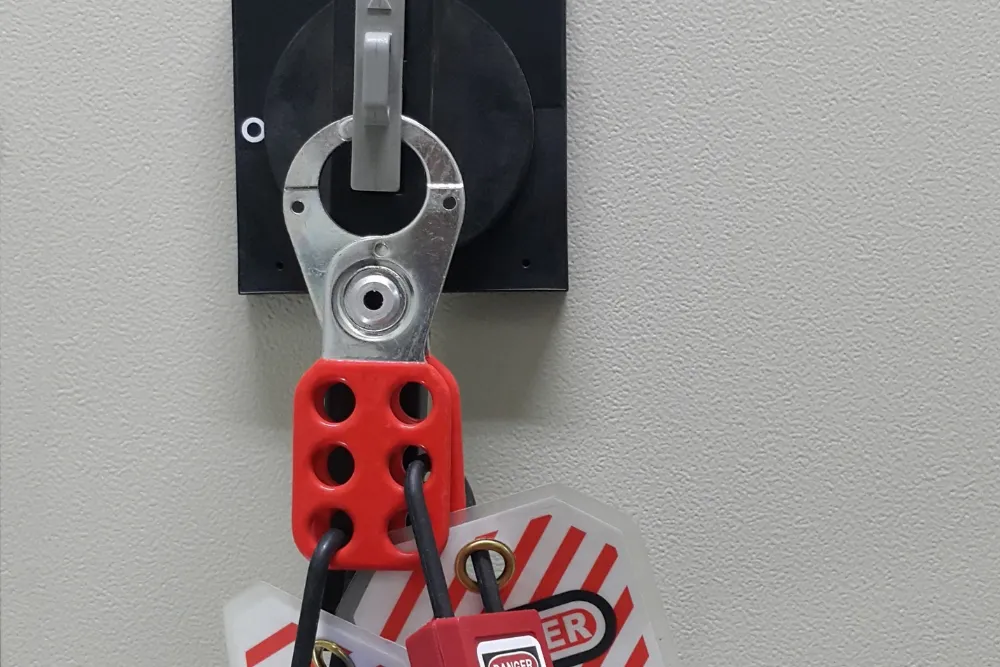
By placing locks and tags on devices, we send a clear message: this equipment is not to be operated until the lockout process has been properly completed.
The purpose behind this stringent procedure is straightforward but vital; it’s about preventing workplace injuries and upholding everyone’s right to operate within a secure environment.
In line with the Lockout/Tagout Fact Sheet, these practices ensure workers are out of harm’s way from energy sources that can hurt them when machines unexpectedly activate or release stored energy during operation or maintenance tasks.
Our commitment involves implementing these systems throughout our operations, and equipping staff with knowledge through comprehensive training sessions on LOTO methods for their well-being while handling industrial machinery and electrical circuits.
The basic process of Tagout
After understanding the definition and purpose of Lockout/Tagout, it is important to comprehend the basic process of Tagout. This process involves specific steps to ensure the safety of workers and protection from hazardous energy releases. Here are the essential steps in the basic process of Tagout:
- Preparation: Identify the equipment that needs to be locked out or tagged out, and notify all affected employees before starting the procedure.
- Shut Down: Safely shut down the machinery according to established procedures and guidelines.
- Isolation: Isolate the equipment from its energy source to prevent unexpected startup or release of hazardous energy.
- Lockout/Tagout: Securely lock out and tag out the machinery using appropriate devices to indicate that it should not be operated.
- Stored Energy Check: Verify that all forms of potentially hazardous energy have been dissipated or controlled before commencing work.
- Re-energising Equipment: When the maintenance or servicing is complete, safely restore power or energy supply following specified protocols and procedures.
Why it is necessary for worker safety
Implementing proper lockout/tagout (LOTO) procedures is imperative for worker safety and protection. Workers’ rights to a safe working environment are upheld through the establishment of lockout/tagout systems, which prevent hazardous energy releases during equipment servicing.
It’s critical to safeguard workers from potential harm while operating machinery, adhering to specific lockout/tagout standards as outlined in legislation and WorkSafe guidelines. Ensuring compliance with LOTO procedures not only protects employees but also minimises workplace injuries, underlining the necessity for prioritising worker safety through these essential practices.
The implementation of effective lockout/tagout systems serves as a fundamental aspect of maintaining workplace safety measures. By adhering to relevant Australian standards and regulations, employers can protect workers from occupational hazards and uphold their rights to work in secure environments free from the risks associated with hazardous energy sources.
Importance of Proper Lockout/Tagout Procedures
Proper lockout/tagout procedures are important for worker safety. Training employees on LOTO procedures and providing necessary industrial safety equipment is essential in preventing workplace injuries.
Training employees on LOTO procedures
Training employees on lockout/tagout (LOTO) procedures is crucial for ensuring workplace safety and protecting workers’ rights. Here are the steps to effectively train employees on LOTO procedures:
- Conduct comprehensive training sessions that cover the purpose and importance of LOTO, as well as the specific steps involved in the lockout/tagout process.
- Provide hands-on demonstrations of proper lockout/tagout techniques, emphasising the correct use of locks and tags to isolate energy sources.
- Educate employees about the potential hazards associated with servicing equipment and machinery without implementing LOTO procedures.
- Emphasise the significance of following Australian standards and regulations related to lockout/tagout for worker protection.
- Test employees’ understanding of LOTO procedures through interactive quizzes or assessments to ensure competency.
- Encourage open communication and feedback from employees regarding any concerns or questions related to lockout/tagout practices.
Top 6 industrial safety equipment required in mining operations
Proper lockout/tagout procedures in mining operations require the use of specific industrial safety equipment to ensure the protection of workers and compliance with regulations. The following are the top 6 essential safety equipment required:
- Lockout/Tagout Devices: These devices are essential for securely locking out and tagging equipment to prevent accidental energising during maintenance.
- Electrical Testing Equipment: This includes voltage testers, multimeters, and insulation resistance testers used to verify that electrical circuits are de-energised.
- Personal Protective Equipment (PPE): Workers need PPE such as hard hats, safety goggles, gloves, and protective clothing to safeguard themselves from potential hazards.
- Machine Guarding Devices: Safety guards and barriers around machinery protect workers from moving parts and rotating equipment during operation.
- Hazardous Energy Control Measures: This includes the use of energy isolation devices like valves, switches, or blocking mechanisms to isolate hazardous energy sources during maintenance.
- Warning Signs and Labels: Visible signs and labels indicating machine isolation points, dangerous areas, and lockout/tagout procedures ensure worker awareness and safety compliance within the mining environment.
Australian Standards for Lockout/Tagout
Australian Standards for Lockout/Tagout are crucial in ensuring the safety of workers and employees. These standards outline specific procedures and guidelines to protect workers from hazardous energy sources during the operation and maintenance of machinery and equipment.
The implementation of these standards is essential for upholding the rights of workers to a safe working environment and preventing workplace injuries. Employers must adhere to these standards, providing training to workers on lockout/tagout procedures, effectively safeguarding them from potential harm.
By following Australian Standards for Lockout/Tagout, employers can ensure compliance with legislation while protecting their workforce from the dangers associated with hazardous energy sources.
These standards play a vital role in maintaining a safe working environment, promoting worker well-being, and preventing workplace accidents related to machinery and equipment operations.

Steps for Proper Lockout/Tagout
Preparation involves identifying all energy sources and equipment that need to be locked out. Shut down the equipment and isolate it from all energy sources. Lockout/tagout the equipment with appropriate devices and perform a stored energy check to ensure safety before re-energising equipment.
Preparation
Before starting any lockout/tagout procedure, it’s crucial to thoroughly prepare by identifying all energy sources and equipment that will be affected. This involves understanding the machinery to be isolated, locating all energy points, and ensuring the availability of appropriate locks and tags for the isolation process.
Additionally, it is essential to inform all employees who may be affected by the lockout/tagout about the impending procedure. Adequate planning ensures a smooth execution of the process while safeguarding workers from potential harm and upholding their rights to a secure working environment.
Ensuring proper preparation aligns with Australian legislation which outlines specific procedures for safe lockout/tagout implementation required in protecting workers’ rights. Having a comprehensive plan in place before commencing any lockout or tagout activities minimises risks associated with hazardous energy releases and assists in creating a workplace atmosphere focused on employee safety and well-being.
Shut Down
Before beginning any maintenance or servicing work on machinery or equipment, it is crucial to execute a proper shutdown. This process ensures that all hazardous energy sources are turned off, and the equipment cannot be activated accidentally.
Following the lockout/tagout procedure for shutting down machinery protects workers from potential harm due to unexpected start-ups or energy releases. Therefore, this step plays a vital role in maintaining workplace safety and upholding employees’ rights to a secure working environment.
Executing an effective shutdown according to lockout/tagout guidelines safeguards against dangerous energy releases and creates a safe environment for workers performing maintenance tasks.
Isolation
Isolation is a crucial step in the lockout/tagout (LOTO) process, where machinery or equipment is physically disconnected from its power source. This prevents any unexpected startup or release of stored energy, ensuring the safety of workers and employees.
Following proper isolation procedures, including shutting down the equipment and disconnecting it from all energy sources, is essential for protecting against hazardous energy releases.
By strictly adhering to isolation protocols outlined in Australian standards and WorkSafe guidelines, employers can uphold workers’ rights to a safe working environment free from potential harm caused by energised equipment.
It is imperative to recognise the significance of isolation as part of LOTO procedures to prevent workplace injuries and protect employee rights.
Lockout/Tagout
Lockout/tagout (LOTO) is a crucial safety measure that safeguards workers and employees from potential harm while working on or near electrical circuits and equipment. LOTO ensures that dangerous machinery is properly shut off and cannot be started, preventing injuries from hazardous energy releases.
It is essential to adhere to specific lockout/tagout procedures outlined in Australian legislation and WorkSafe guidelines, upholding the rights of workers to a safe working environment and protecting them from workplace injuries.
Implementing proper lockout/tagout systems not only complies with regulations but also establishes the employer’s responsibility to protect employees from hazardous energy sources during the operation and maintenance of machinery and equipment.
Stored energy check
Before re-energising equipment, always conduct a stored energy check to ensure that no residual energy remains. This crucial step involves verifying that all moving parts have come to a complete stop and any stored electrical, hydraulic, or pneumatic energy has been safely released.
Neglecting this step could result in unexpected machinery movement, risking worker safety and violating lockout/tagout regulations.
Conducting a thorough stored energy check is essential for preventing workplace injuries and upholding workers’ rights to a safe working environment. It ensures that equipment can be safely serviced without the risk of hazardous energy releases when it is reactivated.
Re-energising equipment
After ensuring all energy sources are properly isolated and locked out, the next critical step is re-energising equipment. Before this, it’s imperative to verify that no stored energy remains within the machinery or electrical circuits.
Performing a thorough check for any residual energy ensures the safety of workers and minimises potential hazards when restarting equipment. This step is essential in preventing unexpected machine movement, electrical shock, or other accidents that could endanger the well-being of employees and workers.
Re-energising equipment must be approached with caution and adherence to strict safety protocols outlined in lockout/tagout procedures. Following this process meticulously protects not only the rights but also the lives of workers by mitigating potential risks associated with hazardous energy sources during machinery operation and maintenance.
Ensuring Worker Safety and Protecting Their Rights
We ensure worker safety and protect their rights by contacting experts in LOTO systems, following university and workplace policies, and providing proper training and competency for employees.
Contacting experts in LOTO systems
When seeking guidance on establishing effective lockout/tagout (LOTO) procedures, it is advisable to consult with experts in LOTO systems. These professionals can provide invaluable insights and recommendations to ensure the proper implementation of LOTO protocols within your workplace.
By engaging with experts, you can receive tailored advice that aligns with Australian standards and legislation, thus ensuring compliance and the utmost safety for your employees. Expert consultation also facilitates the identification of specific hazards relevant to your industry, enabling you to address potential risks comprehensively.
Reaching out to specialists in LOTO systems equips you with a deeper understanding of best practices, enhancing your capacity to safeguard worker rights and prevent workplace injuries effectively.
Following university and workplace policies
We must adhere to the lockout/tagout (LOTO) procedures set forth by both university and workplace policies. These policies are designed to protect workers from hazardous energy sources during equipment operation and maintenance.
By following these guidelines, we can ensure the safety of our employees and uphold their rights to a secure work environment.
Implementing proper lockout/tagout systems aligned with university and workplace policies is essential for safeguarding workers’ well-being. It also demonstrates our commitment to complying with industry regulations, protecting worker rights, and preventing workplace injuries.
Providing proper training and competency for employees
Following university and workplace policies, providing proper training and competency for employees is essential to ensure their safety and protect their rights in the workplace. Employees must be trained on lockout/tagout (LOTO) procedures as part of ensuring a safe working environment.
Training should cover the correct use of equipment such as locks, tags, and other safety devices to effectively isolate hazardous energy sources. Competency assessment should also be conducted regularly to verify that employees understand and can implement the LOTO procedures accurately.
Employers have an obligation under the legislation and WorkSafe guidelines to provide comprehensive training programs that equip employees with the necessary knowledge and skills to carry out LOTO processes correctly.
Protect the Rights of the Workers
Implementing proper lockout/tagout systems is crucial for protecting workers’ rights and ensuring a safe working environment. Employers must adhere to specific procedures outlined in Australian legislation to guarantee the safety and well-being of their employees.
By following these guidelines and providing necessary training, workplaces can effectively prevent workplace injuries and promote a culture of worker protection. Both employers and employees must understand the significance of lockout/tagout procedures in upholding workers’ rights.