
Tag Out System · 25 November 2023
Tag Out Systems and the Protection of the Environment
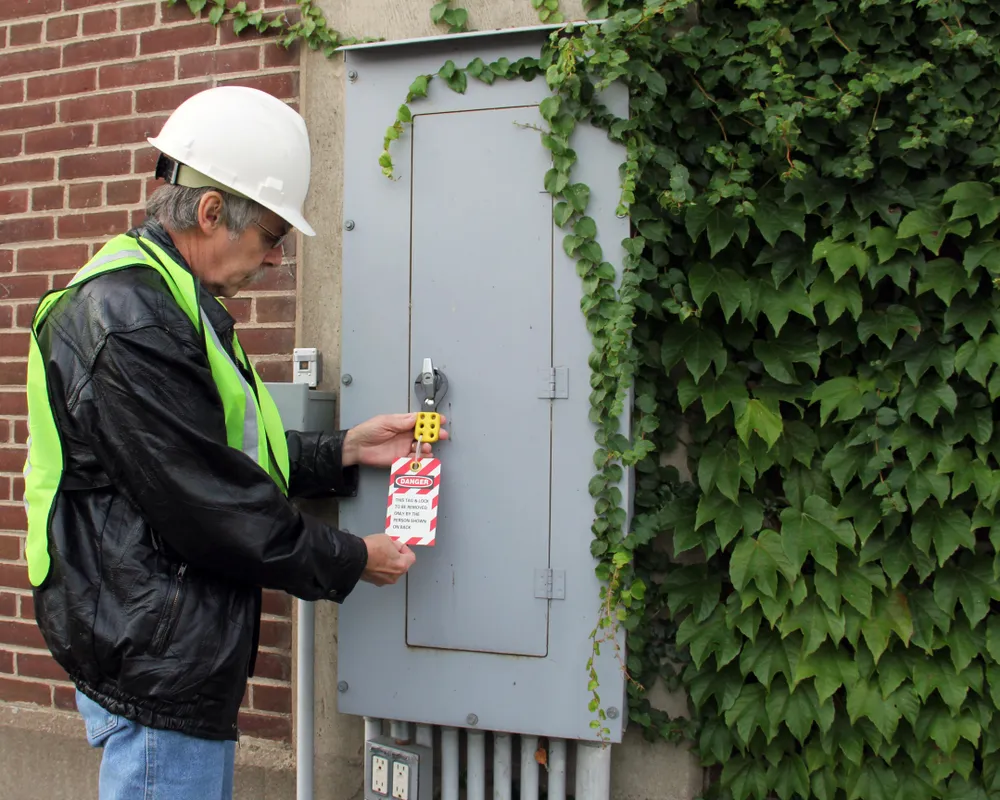
We all know the stories of workplace mishaps when machinery decides to kick into gear unannounced. Fair dinkum, it’s a serious issue that hits close to home for many of us. We’ve done our homework and found that a robust tag-out system is not just about saving digits; it’s about protecting our blue skies and clear waters too.
Our yarn today will walk you through how these systems don’t just shield our mates at work but also stand as guardians for the environment we treasure. Stick around as we delve into ways to make your workspace safer and more environmentally friendly!
Key Takeaways
- Lockout/tagout systems involve isolating and securing energy sources to prevent machinery from starting up during maintenance or servicing, safeguarding employees and the environment.
- These safety procedures play a vital role in reducing accidents, injuries, equipment malfunctions, and energy waste, promoting eco-friendly practices in industrial and office settings.
- Effective lockout/tagout implementation contributes to environmental protection by minimising the release of hazardous energy, ensuring compliance with environmental regulations, conserving resources, and establishing safer work environments.
What is Lockout/Tagout?
Lockout/tagout (LOTO) is a safety procedure used to ensure that dangerous machines are properly shut off and not able to be started up again before the completion of maintenance or servicing work. This procedure involves isolating energy sources and attaching a tag or lock to them as a means of warning others not to activate the energy source.

Definition
Lockout tagout is a vital safety measure, and it’s all about keeping us safe while machines get fixed or checked. It stops these big metal beasts from unexpectedly springing to life when we’re working on them.
Imagine putting a sturdy padlock on your bike so nobody else can ride off with it; that’s what we do with machinery, but we’re protecting people instead of bikes! We slap on locks and tags that shout out loud: “Hands off! This machine is getting some TLC!” These little lifesavers block any sneaky electricity or other energy from causing nasty surprises.
Tagging out takes this safety dance one step further. After locking things down, colourful tags hang around giving the goss on what’s happening, like warning signs saying someone’s under the hood tinkering away.
And because mistakes here could mean more than just an “oops” moment, they could hurt someone or our beautiful Earth, we follow these steps like our favourite recipe in the kitchen.
They ensure everything stays switched off until it’s good to go again, protecting not just us humans but also Mother Nature from harm due to poorly maintained gear.
Purpose
Now that we understand the definition and workings of lockout/tagout systems, let’s delve into their purpose. The primary goal of implementing lockout/tagout procedures is to safeguard employees and the environment during the maintenance or servicing of machinery and equipment.
By using locks and tags to physically prevent the operation of machines, these systems help reduce the risk of accidents, injuries, and damage to the environment. Through effective energy isolation measures, such as shutting down systems before performing maintenance or servicing, lockout/tagout procedures play a crucial role in ensuring workplace safety in various industries.
Additionally, by preventing unexpected energisation or start-up of equipment, this eco-friendly practice promotes sustainable operational practices and aids in compliance with environmental regulations.
Importance of protecting the environment
Implementing effective lockout/tagout procedures is crucial in safeguarding the environment from potential harm caused by machinery and equipment. By ensuring that machines remain completely shut off during maintenance or servicing, the risk of accidents, injuries, and environmental damage can be significantly reduced.
This helps prevent energy waste and equipment malfunctions which could lead to harmful emissions or hazardous spills. Furthermore, proper lockout/tagout practices play a pivotal role in maintaining a safe working environment for employees while also contributing to eco-friendly practices within industrial and office settings.
Minimising the release of stored energy through lockout/tagout measures not only protects employees from unexpected machinery start-ups but also aids in preserving the ecological balance by preventing accidental environmental hazards associated with malfunctioning equipment.
How Lockout/Tagout Works
Lockout/Tagout works by following specific steps and procedures to safely shut down equipment, isolate hazardous energy, and attach lockout or tagout devices to prevent accidental startup.
Different types of energy control devices can be used, such as locks, tags, chains, or valves.
Steps and procedures
Lockout/tagout involves several key steps to ensure the safety of employees and protect the environment:
- Identify all energy sources: This includes electrical, mechanical, hydraulic, pneumatic, chemical, and thermal energy sources within the machinery or equipment.
- Notify affected employees: Inform all personnel who will be affected by the shutdown of machinery or equipment for maintenance about the lockout/tagout procedure.
- Shut down the equipment: Turn off the machinery using its normal shutdown procedures.
- Isolate the energy sources: Securely isolate each energy source to prevent accidental startup, this may involve blocking valves, disconnecting power sources or other relevant steps.
- Apply lockout/tagout devices: Physically secure each energy isolation point with a lock and tag to prevent unauthorised re-energisation while work is being performed.
- Release stored energy: Safely release any residual energy that could still be present in the equipment.
- Verify isolation: Once all steps are completed, verify that no hazardous energy remains within the system before commencing maintenance activities.
- Perform maintenance tasks: Now that it’s safe to proceed, conduct necessary maintenance or servicing tasks on the machinery or equipment.
- Remove lockout/tagout devices: Once maintenance is complete and it is safe to operate the machinery again, remove all locks and tags from the equipment.
Types of energy control devices
When it comes to implementing lockout/tagout procedures, it’s essential to use effective energy control devices. These devices physically prevent the operation of machinery or equipment during maintenance activities.
Some common types of energy control devices include electrical circuit breakers, disconnect switches, and manually operated plug valves. Additionally, ball valves and block valves are also widely used for isolating equipment from hazardous energy sources.
Furthermore, other types of energy control devices such as line blinds and spectacle blinds provide additional safety measures when workers need to remove or replace sections of piping in industrial settings.

Benefits of Lockout/Tagout for the Environment
Lockout/Tagout systems help in preventing accidents and injuries, minimising equipment malfunctions, and reducing energy waste, all of which contribute to the protection of the environment.
Reducing the risk of accidents and injuries
Lockout/tagout procedures help in reducing the risk of accidents and injuries. They ensure that machines remain off during maintenance, preventing unexpected start-ups that could cause harm to employees.
Lockout/tagout systems also protect workers from exposure to hazardous energy, minimising the potential for workplace accidents and injuries.
Implementing effective lockout/tagout procedures is crucial in maintaining a safe working environment. This not only safeguards the well-being of employees but also contributes to a safer, more secure workplace for all individuals involved in machinery maintenance and equipment servicing.
Preventing equipment malfunctions
By preventing equipment malfunctions, we can ensure the safety of our employees and protect the environment from potential harm. Proper lockout/tagout procedures play a crucial role in averting unexpected energisation or start-up of machinery during maintenance or servicing.
Implementing effective lockout/tagout systems can help minimise the risk of accidents, injuries, and environmental damage by ensuring that machinery and equipment are well-maintained and serviced regularly.
This proactive approach not only safeguards the well-being of workers but also contributes to sustainable practices in both industrial settings and office environments.
Preventing equipment malfunctions is essential for maintaining a safe working environment for employees while reducing the potential impact on the surroundings. It requires diligence in adhering to lockout/tagout procedures to ensure that all energy sources are properly isolated before any maintenance work begins.
Minimising energy waste
After preventing equipment malfunctions, it is crucial to focus on minimising energy waste. Lockout/tagout procedures play a vital role in this by ensuring that machines and equipment are properly shut down during maintenance or servicing, thereby preventing unnecessary energy consumption.
This can lead to significant cost savings for businesses and also contributes to environmental sustainability by reducing overall energy usage. Implementing effective lockout/tagout systems not only protects the safety of employees but also helps in conserving resources and promoting eco-friendly practices within industrial, office, and home settings.
Lockout/tagout systems are an essential part of environmental compliance as they actively contribute to reducing energy waste through proper machinery shutdown procedures. By adhering to these safety measures, owners can minimise their carbon footprint and establish sustainable practices that benefit both their operations and the environment.
Implementation and Compliance
We will discuss the steps for developing proper procedures, ensuring employee training, and conducting audits and inspections to ensure compliance with tag-out systems. Curious about how it all works? Keep reading to find out more!
Developing proper procedures
To ensure the effective implementation of lockout/tagout systems in your home, industrial, or office setting, consider these key steps for developing proper procedures:
- Identify all energy sources and hazardous equipment that require lockout/tagout procedures.
- Create detailed written procedures for isolating energy sources and safely applying lockout/tagout devices.
- Engage employees in the development of procedures to ensure practicality and effectiveness.
- Train employees on the proper use of lockout/tagout procedures and equipment.
- Establish a clear system for documenting and communicating lockout/tagout procedures to all relevant personnel.
- Regularly review and update procedures to reflect changes in machinery or equipment.
Employee training
Employee training is essential for the successful implementation of lockout/tagout procedures. It ensures that all employees are knowledgeable and confident in performing the necessary steps to protect themselves and the environment.
- Conduct regular training sessions to educate employees about the importance of lockout/tagout procedures.
- Train employees on the specific steps and procedures for implementing lockout/tagout systems in their workplace.
- Provide hands-on training to familiarise employees with the types of energy control devices used in lockout/tagout.
- Ensure that employees understand the significance of tagging out machinery and equipment during maintenance or servicing.
- Educate employees on the potential risks associated with hazardous energy and how lockout/tagout systems mitigate these risks.
- Emphasise the importance of compliance with lockout/tagout procedures to prevent accidents, injuries, and environmental damage.
- Incorporate real-life examples and case studies into training sessions to illustrate the impact of effective lockout/tagout practices.
- Offer refresher courses periodically to reinforce understanding and ensure ongoing compliance with safety protocols.
Audits and inspections
Implementing regular audits and inspections is crucial in ensuring the effectiveness of the lockout/tagout system. It helps identify any potential gaps or deficiencies in the procedures and enhances overall safety measures.
- Regular Audits: Conduct routine audits to assess the compliance and effectiveness of lockout/tagout procedures.
- Inspections: Perform thorough inspections of equipment to ensure that all energy control devices are functioning properly and are in place.
- Documentation Review: Review documentation related to lockout/tagout procedures, including training records and maintenance logs, for accuracy and completeness.
- Employee Involvement: Encourage active participation from employees in reporting any issues or concerns related to the lockout/tagout system.
- Corrective Actions: Promptly address any identified deficiencies by implementing corrective actions to improve the safety of lockout/tagout procedures.
- Management Review: Engage management in reviewing audit findings and inspection reports to drive continuous improvement in safety practices.
- External Audits: Consider engaging external auditors periodically to provide an unbiased assessment of the lockout/tagout program’s compliance with regulations and best practices.
Help Protect the Environment
In conclusion, lockout/tagout systems play a crucial role in protecting the environment. These safety procedures reduce the risk of accidents and injuries while preventing equipment malfunctions.
By minimising energy waste, these systems contribute to eco-friendly practices and safety management in various industries. Ensuring proper implementation and compliance with lockout/tagout procedures can significantly enhance plant isolation, machinery safety, and environmental safety overall.