
Tag Out System · 23 November 2023
Tag Out Systems and the Prevention of Near Misses
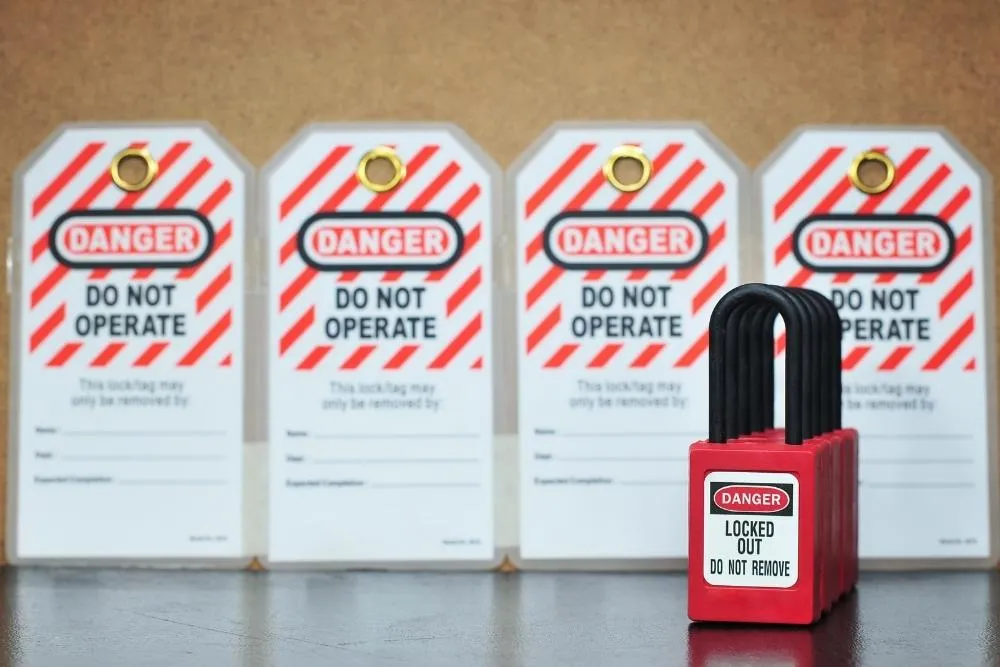
Every single day, we’re bombarded with stories of workplace tumbles and mishaps that didn’t need to happen. Just like you, we’ve copped an eyeful of those reports and reckon it’s pretty frightening, no one’s keen on a hair-raising experience on the job.
That’s why we’ve gone all out to explore tag-out systems, serving up some top-notch advice designed to sidestep those unnerving incidents. We’re sharing straight-up simple safety steps that’ll have you working smarter and breathing easier; so have a squiz for some life-saving wisdom!
Key Takeaways
- Implementing lockout/tagout procedures is essential for preventing workplace accidents and near misses caused by hazardous energy, creating a safer work environment for all employees.
- Developing machine-specific protocols and releasing stored energy are critical steps in ensuring the effectiveness of lockout/tagout measures to prevent potential accidents.
- Regular training sessions on lockout/tagout procedures and fostering a culture of safety awareness within the workplace play a vital role in promoting workplace safety and mitigating risks associated with machinery operations.
What is Lockout/Tagout (LOTO)?
Lockout/Tagout (LOTO) is a safety procedure used to ensure that dangerous machines are properly shut off and not able to be started up again until maintenance or servicing work is completed.
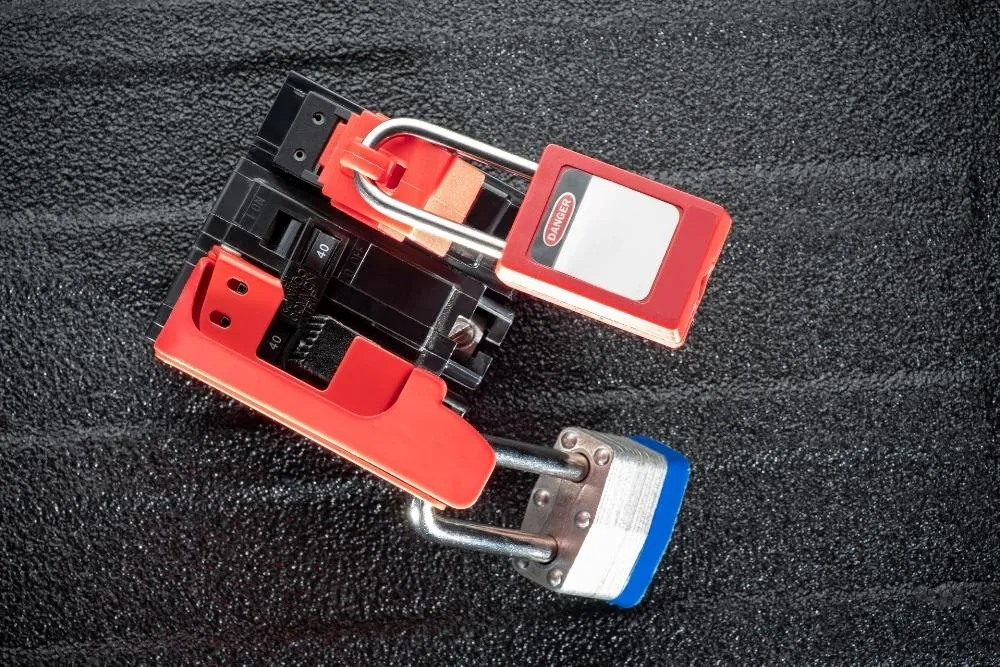
It involves affixing appropriate lockout or tag-out devices to energy isolation points, ensuring that hazardous energy sources are isolated and rendered inoperable before any work begins.
Definition
Lockout/tagout, or LOTO for short, is a safety procedure we use to make sure that dangerous machines are properly shut off and can’t be started up again before the completion of maintenance or repair work.
It involves placing a lock or tag on the energy isolation device which signifies that the equipment should not be operated. This way, we ensure no unexpected release of hazardous energy occurs while someone could get hurt.
By using devices like padlocks as part of our lockout system, we physically prevent machines from being powered on. Tags serve as clear warnings to others about equipment status and necessary precautions.
These steps are vital in safeguarding workers against injuries caused by sudden energisation or startups of machinery, essentially creating a safer environment for everyone involved.
Purpose
Lockout/tagout procedures are implemented to prevent workplace accidents and near misses caused by hazardous energy. Our goal is to protect workers from injury while working on or near electrical circuits and equipment.
By physically locking or tagging equipment, we ensure that machines remain completely and temporarily off, creating a safer work environment for everyone involved. Properly implementing lockout/tagout procedures can prevent many accidents or ‘near misses’, making it an essential part of workplace safety protocols.
Developing machine-specific procedures, releasing stored energy, and enforcing standards for lockout/tagout is crucial in ensuring the effectiveness of this safety measure. Additionally, regular training sessions on lockout/tagout procedures are important to instil a culture of safety within the workplace.
Importance in workplace safety
Implementing lockout/tagout procedures is crucial for workplace safety. This process prevents accidental activation of equipment, protecting workers from injuries caused by hazardous energy.
Following standards and developing machine-specific procedures are vital steps to prevent near misses. Utilising lockout devices as part of the protection system ensures that machines remain temporarily off, safeguarding employees and preventing potential accidents.
Maintaining a culture of using lockout/tagout procedures will reduce the risks associated with equipment isolation and energy release verification. It’s important to prioritise worker safety by regularly updating procedures and reporting any near-miss incidents or injuries promptly.
Critical Steps to Implement Lockout/Tagout Procedures
We need to develop machine-specific procedures for lockout/tagout, release stored energy before starting work, and verify lockout before beginning any task. Training our employees on these critical steps is essential for workplace safety.
Develop machine-specific procedures
To prevent accidents and near misses, we must develop machine-specific procedures. Ensure that each piece of equipment has a detailed procedure outlining the specific steps for safely locking out or tagging out the equipment. Employees must be trained on these procedures to guarantee their understanding and adherence to them. A thorough assessment of potential energy sources is essential before creating the procedures to ensure all risks are properly mitigated. Regular review and updates of these procedures are crucial to maintain their effectiveness in preventing accidents. Adhering strictly to machine-specific safety protocols is vital in minimising the risk of hazardous energy-related incidents in the workplace.
Release stored energy
Lockout/tagout procedures involve releasing stored energy to prevent accidents. Avoid accidental releases of hazardous energy by following these critical steps:
- Identify all potential sources of hazardous energy.
- Shut down the equipment or machinery using the appropriate shutdown procedures.
- Isolate and control the energy sources to ensure that no unexpected release occurs.
- Release any stored energy from capacitors, springs, or other sources.
- Verify that all energy has been released before proceeding with maintenance or repairs.
Verify lockout before starting work
Before starting any work involving equipment, it’s crucial to verify that the lockout/tagout procedure has been properly implemented. This involves checking the lockout devices and tagout systems to ensure that hazardous energy is effectively controlled and remains isolated. Here are the steps to follow:
- Inspect the lockout devices: Ensure that all energy-isolating devices are properly locked in the off position with individual locks.
- Check for tagout systems: Verify that all equipment is tagged out according to the established procedures, indicating why it is out of service.
- Test equipment controls: Confirm that switches, levers, or buttons cannot be activated and ensure that any stored energy has been completely released.
- Communicate with team members: Before commencing work, communicate with colleagues who have been involved in implementing the lockout/tagout procedures to confirm that everything is in place.
Train employees
To ensure workplace safety and prevent near misses, it is vital to train employees thoroughly in lockout/tagout procedures. Here are the essential steps for training your employees:
- Conduct comprehensive training sessions to educate employees about the importance of lockout/tagout procedures.
- Provide detailed instructions on how to identify hazardous energy sources and effectively implement lockout/tagout measures specific to each machine.
- Demonstrate the proper use of lockout devices and tagout systems, emphasising the significance of accurate application.
- Highlight the consequences of not adhering to lockout/tagout protocols, emphasising the potential risks and near-miss incidents that can occur in their absence.
- Engage in regular follow-up training sessions to reinforce understanding and address any questions or concerns raised by employees.
How LOTO Can Prevent Near Misses
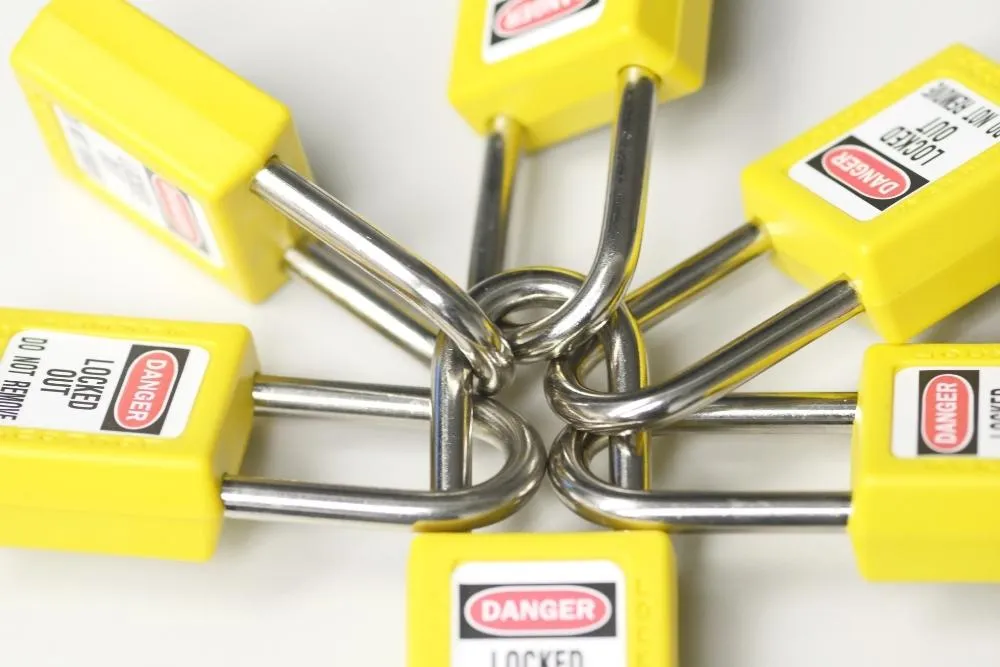
By implementing lockout/tagout procedures, we can prevent near misses caused by hazardous energy in the workplace. Creating a culture of LOTO use and having a comprehensive safety plan in place is essential to minimising the risk of near-miss incidents.
Examples of near misses caused by hazardous energy
Hazardous energy incidents can cause near misses that are potentially harmful. Here are some examples:
- Failure to release stored energy before maintenance work begins leads to unexpected equipment movement.
- Inadequate isolation of electrical circuits, resulting in accidental energisation while servicing equipment.
- Incorrect procedure for locking out machinery, leading to an unintentional start-up during maintenance or repair.
Importance of a LOTO safety plan
Implementing a robust LOTO safety plan is essential in preventing near misses and ensuring workplace safety. By developing machine-specific procedures, releasing stored energy, and training employees, a comprehensive LOTO program can effectively mitigate the risk of accidents caused by hazardous energy.
This proactive approach not only protects workers from injury but also fosters a culture of safety compliance within the organisation. Additionally, regularly updating procedures and reporting injuries or near misses are crucial components of maintaining an effective LOTO safety plan to prevent potential workplace hazards.
Investing in lockout/tagout devices and strictly adhering to established protocols will significantly contribute to accident prevention and incident reporting. Ensuring that equipment isolation procedures are followed for every task involving machinery further reinforces the importance of integrating LOTO measures into daily operations.
Creating a culture of LOTO use
To create a culture of LOTO use, we need to prioritise regular training and awareness programs for all employees. This will ensure that everyone understands the importance of lockout/tagout procedures in preventing near misses caused by hazardous energy.
Additionally, encouraging open communication and feedback regarding LOTO practices can help identify areas for improvement and reinforce a strong safety culture within the workplace.
Promoting accountability for LOTO use among all staff members is essential in creating a culture of safety. This includes recognising and rewarding individuals who adhere to lockout/tagout protocols, as well as addressing any non-compliance promptly.
Essential Components of a LOTO Program
Implementing a lockout/tagout program, reporting injuries and near misses, performing regular equipment maintenance, and updating procedures are essential components of a successful LOTO program.
Purchasing approved devices
When purchasing approved devices, it is important to consider the specific needs of your workplace. Look for equipment that meets standards and requirements for lockout/tagout procedures.
These devices should be durable, tamper-resistant, and capable of withstanding the environmental conditions of your workplace environment – all essential factors to ensure effective implementation.
In addition, it is crucial to involve employees who will be using these devices in the decision-making process. This can lead to better compliance and understanding of the importance of utilising approved devices in preventing near misses.
Reporting injuries and near misses
After purchasing approved devices and implementing lockout/tagout procedures, reporting injuries and near misses is crucial for maintaining a safe workplace environment. It’s essential to promptly report any work-related injuries or near misses to ensure that appropriate action can be taken to prevent similar incidents in the future.
Providing detailed information about the circumstances surrounding an injury or near miss can help identify potential hazards and improve safety protocols. By actively reporting injuries and near misses, we contribute to creating a culture of transparency and continuous improvement in workplace safety practices.
Employees should feel encouraged to promptly report any injuries or near misses without fear of retribution, as this will enable us to assess the effectiveness of existing safety measures and make necessary adjustments.
Regular equipment maintenance
Regular equipment maintenance is crucial in ensuring that lockout/tagout procedures remain effective in preventing near misses. This includes regularly inspecting and servicing lockout devices, such as padlocks, to ensure they are functioning properly and can securely prevent accidental activation of machinery or equipment.
Additionally, maintaining and replacing worn or damaged components of the lockout/tagout system, such as tags and safety locks, is essential for upholding workplace safety standards.
Furthermore, conducting routine checks on energy control procedures and updating them according to any changes in the machinery or workplace layout is vital for preventing accidents caused by hazardous energy.
Updating procedures
Regular equipment maintenance ensures that all lockout/tagout procedures are up-to-date and effective.
- Review procedures at least annually to incorporate any changes in equipment or processes.
- Conduct a thorough assessment of potential hazards and update procedures accordingly.
- Train employees on any revisions to the lockout/tagout procedures to ensure proper implementation.
- Communicate any updates in procedures to all relevant staff members.
Don’t Let Near Misses Happen
In conclusion, implementing lockout/tagout procedures is crucial in preventing near misses and ensuring workplace safety. By developing machine-specific protocols and releasing stored energy, accidents caused by hazardous energy can be avoided.
Purchasing approved devices and regularly updating procedures are essential components of a robust lockout/tagout program. Reporting injuries and near misses, along with training employees on the importance of lockout/tagout, creates a culture of safety within the workplace.
Preventing accidents through proper implementation of lockout/tagout measures is imperative for protecting workers from potential harm.