
Tag Out System · 13 November 2023
Tag Out Systems and the Prevention of Catastrophic Accidents

Every workplace is on the lookout to sidestep accidents and let’s face it, the thought of a major mishap can feel like a billy boiling over. You’re not flying solo with these concerns – we’ve walked that walk and stumbled upon how invaluable tag-out systems can be.
Honestly, guidelines are more than just rules; they’re lifesavers for countless Aussie workers clocking in each day. Our yakka here is to break down those steps your mob can follow to slot these systems into place effectively.
Sticking with us through this yarn could make all the difference because when knock-off time rolls around, everyone deserves to head home safe as houses. Keep your eyes peeled – this read might just change the game at your worksite!
Key Takeaways
- Tag Out Systems play a crucial role in preventing catastrophic accidents by providing visual indication and physical barriers to prevent accidental energisation of equipment during maintenance or repairs.
- Properly designed and implemented tag-out systems, including tags, locks, and procedures, are essential components for safeguarding workers from hazardous energy sources in industrial settings.
- Employee training, regular inspections, audits, and consistent updates to maintenance procedures are vital for ensuring the ongoing effectiveness of Tag Out Systems in preventing workplace accidents.
Understanding Tag Out Systems
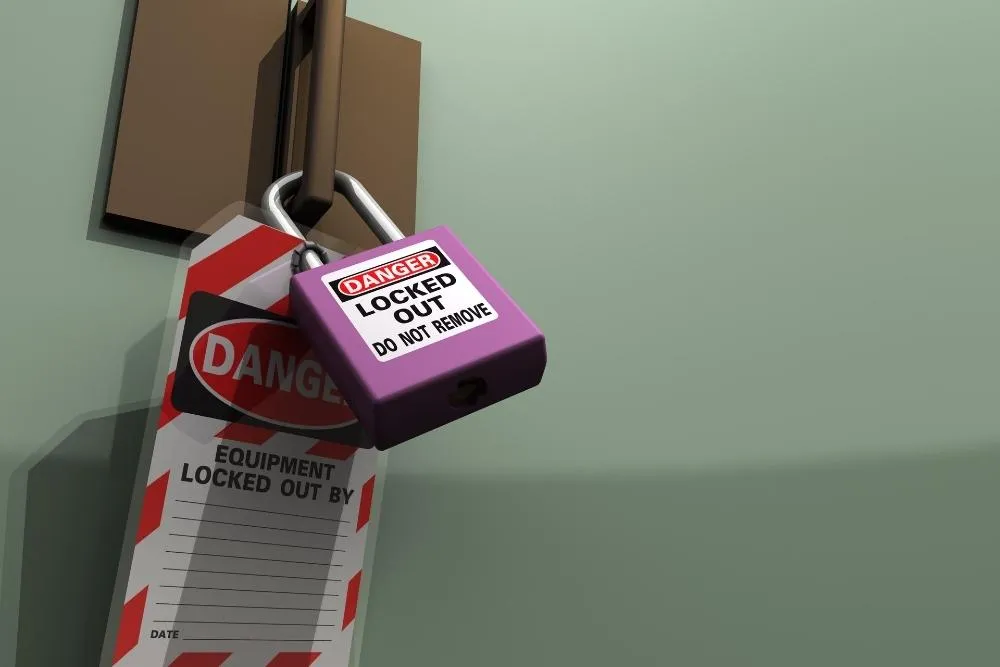
A Tag Out System is a safety procedure that helps prevent accidental startup or release of hazardous energy by providing a visual indication that equipment is being serviced or maintained. This system plays a critical role in ensuring the safety of workers and preventing catastrophic accidents in the workplace.
Definition and purpose
Tag Out Systems are our safeguard against sudden releases of harmful energy during equipment maintenance or repair. By attaching a tag-out device, we signal to everyone in the vicinity that machinery must not be operated.
This helps prevent any accidental startups or dangerous discharges that could lead to serious injuries or worse. The purpose is clear: keep workers safe and avoid life-threatening incidents by clearly marking out-of-service equipment.
These systems form part of our risk management strategy, integrating lockout/tagout procedures which are crucial for occupational health and safety. They’re more than just labels; they’re lifesavers in industrial settings where the line between routine operations and potential accidents can be thin.
Following this essential component comes another – the importance of preventing accidents – ensuring every team member goes home safely at the end of each day.
Importance in preventing accidents
Implementing a Tag Out System is vital in preventing catastrophic accidents in the workplace. Accidents can be prevented with the implementation of Lockout Tagout systems, which protect workers from injury while working on or near electrical circuits and equipment.
These systems play a crucial role in safeguarding employees from hazardous energy sources, providing a visual indication of equipment status and preventing inadvertent energisation. Lockout/Tagout Fact Sheet describes the essential practices necessary to disable machinery or equipment for safety purposes, highlighting that training is fundamental for introducing safety concepts and accident prevention measures in facilities.
Additionally, lockout/tagout procedures should be included in safety checklists to ensure that specific requirements for tagout devices are met to guarantee workplace safety.
Components of a Tag Out System
Tags and locks are essential components of a tag-out system, providing visual indication and physical barriers to prevent accidental energisation of equipment. Proper procedures must also be in place for effective implementation.
Tags
Tags are a crucial component of a tag-out system, providing a visual indication of the equipment’s status. They serve as a warning to employees and contractors that machinery or equipment is undergoing maintenance or repairs and should not be operated.
These tags also communicate important information such as the reason for the lockout/tagout, the person responsible for it, and when it was applied. By adhering to specific requirements for tagout devices, workplaces can ensure safety while preventing catastrophic accidents.
Properly designed and implemented tag-out systems have been proven to play a vital role in accident prevention by protecting workers from hazardous energy sources. All stakeholders must understand the significance of these tags in maintaining workplace safety protocols and preventing inadvertent energisation.
Locks
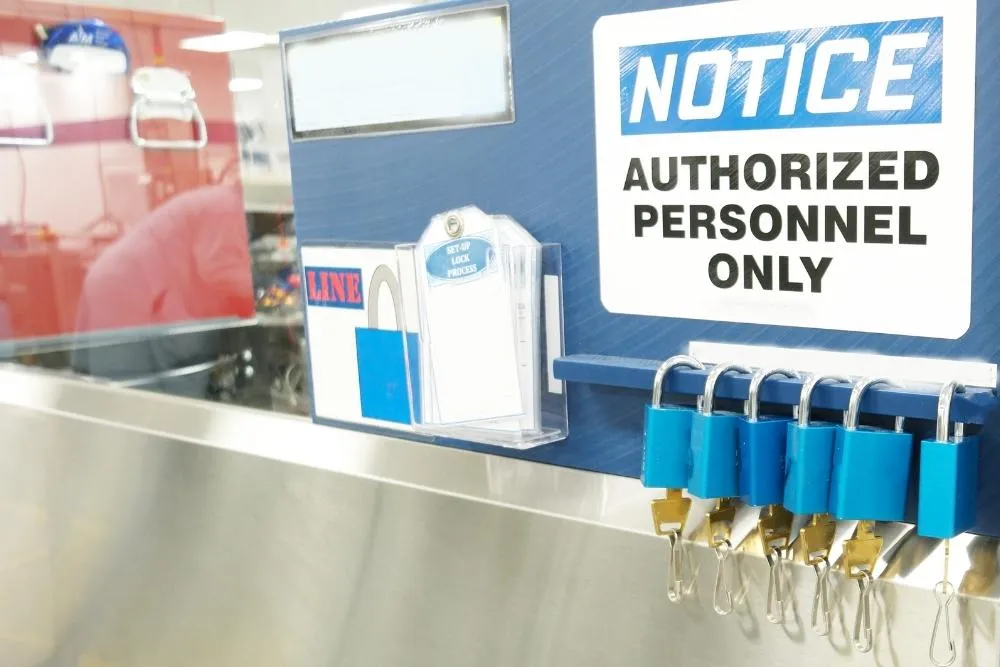
Locks are a crucial component of a tag-out system, providing physical barriers to prevent the unexpected activation of machinery. They are used to secure energy isolation devices in their “off” or “safe” position, ensuring that equipment cannot be operated while maintenance or servicing is taking place.
Lockout/tagout procedures require locks that can only be removed by the individual who installed them, creating an additional layer of safety for workers. It’s important to choose high-quality locks and ensure they are durable enough to withstand industrial settings, where harsh conditions may be present.
Lockout/tagout programs involve specific requirements for lockout devices, including colour-coding and labelling for clear identification. Implementing these standards ensures consistency across various equipment and facilities, making it easier for workers to understand and comply with safety protocols.
Procedures
Implementing effective procedures is crucial for the successful operation of a tag-out system. Lockout/Tagout Fact Sheet outlines specific requirements for tag-out devices to ensure safety in the workplace, which includes clear and structured procedures for disabling machinery or equipment to prevent hazardous energy.
Regular training on lockout/tagout procedures should be included in safety checklists to arm employees with essential knowledge on how to execute these processes effectively, thereby preventing catastrophic accidents.
Proper documentation and communication of tag-out procedures across all levels of the organisation are imperative to guarantee that everyone understands their role and responsibilities when it comes to implementing this critical safety measure.
Adhering strictly to standard operating procedures when it comes to lockout/tagout is paramount in ensuring the protection of workers from injury while working on or near electrical circuits and equipment.
Implementing a Tag Out System in the Workplace
We can ensure workplace safety by providing thorough employee training and education, conducting regular inspections and audits, and consistently updating maintenance procedures.
Employee training and education
Employee training and education play a crucial role in the successful implementation of tag-out systems. Training helps employees understand the importance of lockout/tagout procedures, as well as how to use tags and locks effectively. It also familiarises them with guidelines for preventing hazardous energy exposure.
Education ensures that workers are aware of the potential risks associated with equipment energisation and emphasises the need for strict adherence to safety protocols. Furthermore, regular training sessions keep employees informed about any updates or changes in tag-out procedures, ensuring their knowledge remains current and relevant.
Regular inspections and audits
After thoroughly educating employees on the importance and procedures of lockout/tagout systems, it is imperative to schedule regular inspections and audits to ensure the ongoing effectiveness of the system. This involves:
- Conducting routine visual checks on tags and locks to identify any signs of wear or damage, ensuring they remain fully functional at all times.
- Performing periodic reviews of lockout/tagout procedures to verify they align with current safety standards and regulations, thereby addressing any potential gaps in the system.
- Engaging in frequent discussions with employees about their experiences with the lockout/tagout system, providing an opportunity for feedback and addressing any concerns that may arise.
- Collaborating with safety professionals to conduct comprehensive audits of the workplace, aiming to identify areas of improvement within the lockout/tagout program.
Maintenance and updates to procedures
Regular inspections and audits ensure that our tag-out systems are functioning correctly. To maintain their effectiveness, it is crucial to regularly review and update our procedures to reflect any changes in equipment or regulations. Here’s how we can achieve this:
- Schedule regular reviews of tag-out procedures to identify any necessary updates.
- Stay informed about changes in industry regulations and standards related to lockout/tagout.
- Review incident reports to identify areas where procedures could be improved or updated.
- Regularly communicate with employees who use the tag-out system for feedback on its effectiveness.
- Ensure that all new equipment installations or modifications have corresponding updates to the tag-out procedures.
- Conduct training sessions to educate employees about any changes in the lockout/tagout procedures.
Benefits of a Tag Out System
A Tag Out System provides a visual indication of equipment status, protection from hazardous energy sources, and prevention of inadvertent energisation. Read more about the importance of implementing a Tag Out System in preventing catastrophic accidents.
Visual indication of equipment status
Tag Out Systems provide a visual indication of equipment status, allowing employees to easily identify whether machinery is operational or undergoing maintenance. This clear visual signal helps prevent accidental energisation of equipment and ensures that workers can perform their tasks safely.
By using tags and locks to visually communicate the status of machinery, workplaces can minimise the risk of hazardous energy exposure and enhance overall safety protocols.
Employees need to be constantly aware of the status of industrial equipment they work with daily. With a visual indication system in place, such as tag-out systems, employees benefit from an added layer of protection by being able to see if a piece of machinery is safe for use or requires servicing.
Protection from hazardous energy sources
By protecting workers from hazardous energy sources, lockout/tagout systems play a crucial role in preventing catastrophic accidents in the workplace. These systems ensure that equipment and machinery are properly de-energised to prevent unintended startup or release of hazardous energy during maintenance or servicing.
The implementation of lockout/tagout procedures is essential for safeguarding employees against accidental exposure to dangerous energy sources, reducing the risk of workplace injuries and fatalities.
When designing lockout/tagout programs, it is critical to adhere to specific requirements for tag-out devices and provide thorough training on safety procedures. This comprehensive approach enhances workplace safety by minimising the potential for severe accidents stemming from hazardous energy sources.
Prevention of inadvertent energisation
Prevention of inadvertent energisation is crucial to avoid catastrophic accidents in the workplace. This can be achieved by strictly adhering to lockout/tagout procedures and ensuring that equipment and machinery are effectively de-energised before any maintenance or repair work commences.
Implementing comprehensive training programs for employees on identifying and mitigating hazardous energy sources will significantly reduce the risk of accidental energisation. Regular safety audits should also be conducted to confirm that all lockout/tagout devices are functioning correctly, with clear visual indicators preventing inadvertent activation.
It’s important to note that incorporating specific requirements for tagout devices into safety checklists is paramount in preventing catastrophic accidents due to unintentional energisation.
Prevent Catastrophic Accidents Now
In conclusion, implementing a Tag Out System is essential for preventing catastrophic accidents in the workplace. Regular inspections and employee training are crucial for maintaining the effectiveness of these systems.
The visual indication of equipment status and protection from hazardous energy sources make Tag Out Systems a critical safety measure. Employee education and consistent maintenance of procedures are key to ensuring the success of these accident prevention measures.