
Tag Out System · 28 November 2023
Tag Out Systems and the Importance of Continuous Improvement
Are you feeling a bit anxious about the safety risks your workers might be up against with all that machinery buzzing about? We get it, mate. It’s a fair dinkum concern, and we reckon one serious mishap is one too many.
So let’s yarn about tag-out systems, these are critical steps for locking off equipment energy sources to keep your team out of strife. Our insights are going to help you beef up these life-saving procedures no worries.
Ready to give your workplace safety a real nudge in the right direction? Let’s get stuck into it!
Key Takeaways
- Lockout/Tagout (LOTO) procedures are critical for preventing hazardous energy release during maintenance, and they involve isolating, locking, and tagging machinery or equipment.
- Continuous improvement in LOTO procedures enhances workplace safety by identifying areas for enhancement and integrating safety into the company culture.
- Comprehensive training of employees on lockout/tagout procedures, providing required industrial safety equipment, and implementing best practices are vital components of a successful LOTO program.
What is Lockout/Tagout (LOTO)?
Lockout/Tagout (LOTO) is a safety procedure used to ensure that dangerous machinery or equipment is properly shut off and not able to be started up again before maintenance or repair work is completed.

Definition
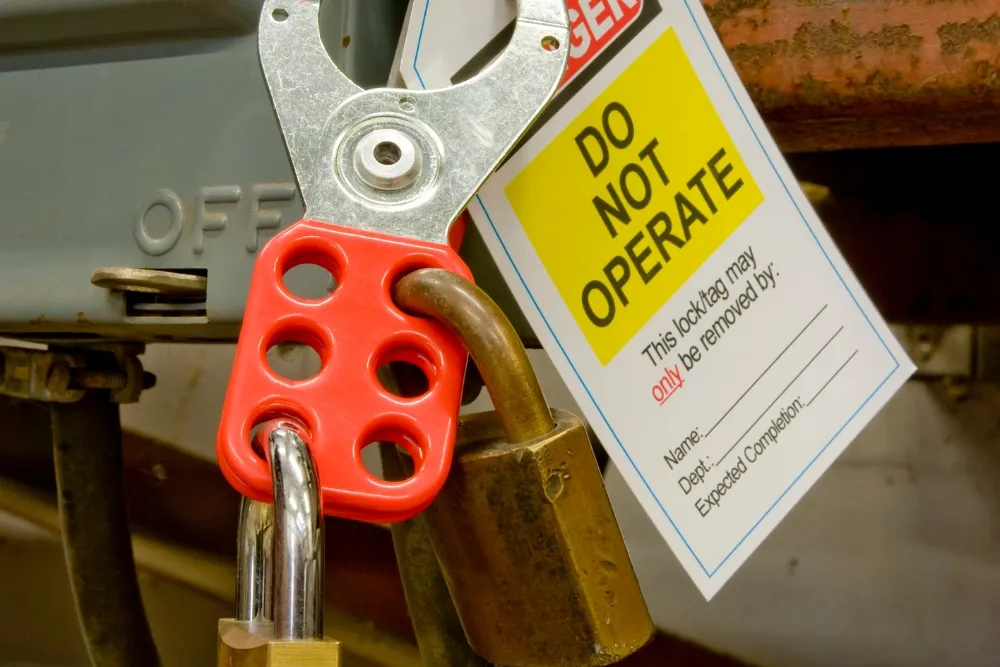
Lockout/tagout procedures are our frontline defence against unexpected startups or releases of hazardous energy during maintenance activities. We use lockout devices, like padlocks, to physically secure the energy-isolating mechanisms on machinery.
This ensures that no one can operate the equipment until we’ve finished servicing it and have removed the locks. Tagout devices, typically tags attached alongside these locks, provide an additional warning: they alert everyone onsite that certain pieces of equipment are off-limits and undergoing maintenance.
These safety measures help us control energy in the workplace effectively, whether that means electricity, hydraulics, pneumatics or any other form of power that could cause harm.
They keep us safe by preventing accidents during machine operation and maintenance. By adhering strictly to a clear lockout/tagout protocol, we minimise risk and enhance occupational safety for everyone involved in handling machinery at work.
Our commitment is not just about following regulations; it’s about fostering a culture where every team member understands the importance of isolation and tagging for hazard prevention.
How it works
Lockout/tagout (LOTO) procedures, as mentioned in the previous section, involve locking and tagging the energy sources of equipment to prevent accidental startup or release of hazardous energy. Here’s a detailed overview of how LOTO procedures work:
- An authorised employee initiates the LOTO process by isolating the machinery or equipment from its energy source.
- The isolation point is then locked using a lockout device, such as a padlock, to secure it in a deactivated state.
- A tagout device, such as a warning tag, is attached to the locked isolation point to warn employees not to use the equipment until the LOTO process is completed.
- Only the employee who initiated the LOTO procedure can remove the lock and tag once maintenance or servicing is complete.
- Before restarting the machinery or equipment, employees must ensure that all locks and tags are removed, and it is safe to do so as per company safety protocols.
- Regular training and clear communication are essential to ensure that all employees understand and comply with LOTO procedures.
- Continuous improvement in LOTO procedures involves regularly reviewing and updating processes based on risk assessments and changing safety regulations.
- Compliance with LOTO procedures is crucial for creating a safe work environment that protects both employees and machinery from potential accidents and injuries.
Why it is needed
Lockout/tagout procedures are necessary to protect workers from the hazards of machinery operation and equipment maintenance. Implementing these safety measures can significantly reduce workplace accidents and injuries, ensuring a safe environment for employees.
With a comprehensive lockout/tagout program in place, businesses can comply with safety standards while safeguarding against the risks associated with energy control and industrial equipment operation.
Continuous improvement in lockout/tagout procedures is crucial to adapting to evolving safety regulations and changes in equipment. By identifying areas for enhancement, organisations can strengthen their lockout/tagout program sustainability, thereby prioritising the well-being of employees and maintaining workplace safety measures.
The Importance of Continuous Improvement in LOTO Procedures
Continuous improvement in LOTO procedures is crucial for enhancing workplace safety and minimising the risk of accidents. Identifying areas for improvement and incorporating safety into the workplace culture are key factors in maintaining a comprehensive LOTO procedure.
Identifying areas for improvement
To improve our lockout/tagout procedures, we can:
- Regularly review and update our equipment energy control policy/program to align with the latest safety regulations and best practices.
- Conduct thorough hazard identification assessments to identify any new risks or potential safety gaps in our workplace.
- Encourage open communication with employees to gather feedback and suggestions for enhancing our lockout/tagout procedures.
- Implement regular audits and inspections to ensure that all equipment is properly labelled, secured, and maintained according to safety standards.
- Provide ongoing training for employees on the importance of lockout/tagout procedures and how to effectively implement them.
Incorporating safety into workplace culture
To create a workplace culture that prioritises safety, it is crucial to integrate safety procedures into everyday operations. This involves promoting open communication about safety concerns and actively involving employees in the development and improvement of safety protocols.
By fostering an environment where employees feel empowered to raise safety issues and suggest improvements, businesses can continuously enhance their lockout/tagout procedures while ensuring compliance with machine safety regulations.
Moreover, providing comprehensive training on lockout/tagout procedures and regularly updating employees on any changes or enhancements will reinforce the importance of workplace energy control policies.
Key Components of a Comprehensive LOTO Procedure
Training employees on the proper lockout/tagout procedures, providing them with required industrial safety equipment, and implementing best practices are vital components of a comprehensive LOTO procedure.
Training employees
Training employees on lockout/tagout procedures is crucial for ensuring workplace safety and compliance. Here’s what’s involved:
- Conduct comprehensive training sessions to educate employees about the importance of lockout/tagout procedures and their role in maintaining a safe work environment.
- Provide hands-on demonstration and practice for employees to understand the correct use of lockout/tagout devices and equipment isolation methods.
- Develop training materials that are tailored to different job roles, ensuring that specific risks and responsibilities are communicated.
- Regularly assess employee understanding of lockout/tagout procedures through quizzes, workshops, or practical assessments.
- Encourage open communication between employees and management regarding any challenges or concerns related to lockout/tagout procedures.
Required industrial safety equipment
Upon training employees in lockout/tagout procedures, it is crucial to ensure that the necessary industrial safety equipment is provided for the safe execution of these procedures. Here are the key components of industrial safety equipment required for lockout/tagout procedures:
- Personal protective equipment (PPE) such as gloves, goggles, and face shields to protect against potential hazards during the lockout/tagout process.
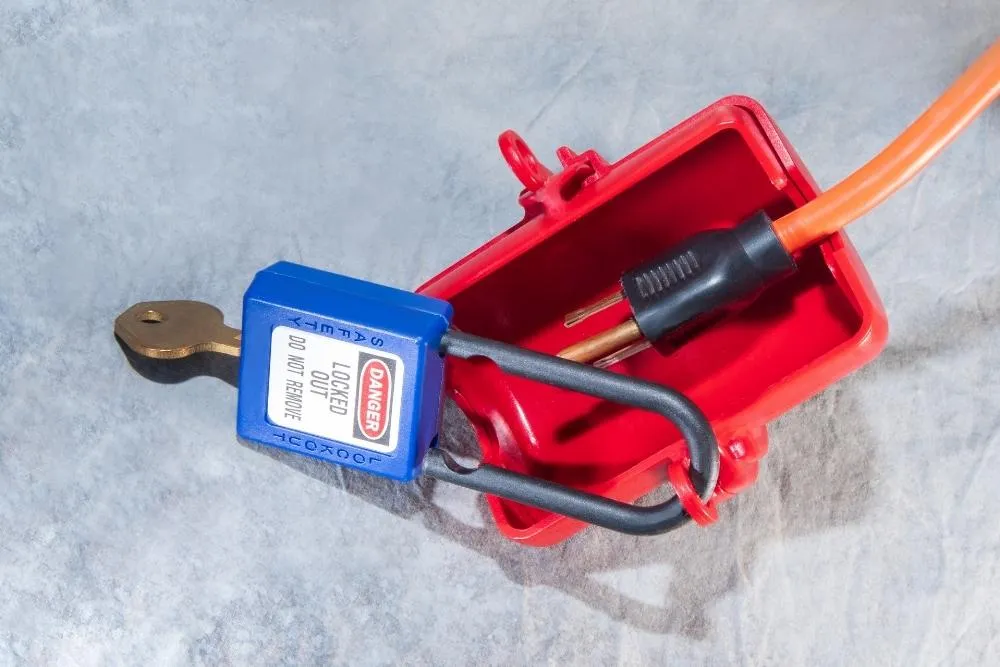
- Lockout devices including padlocks, lockout hasps, and circuit breaker lockouts to effectively secure energy isolating devices.
- Tagout devices like tags and warning signs to communicate the status of locked-out equipment and provide visual warnings to personnel working in the area.
- Lockboxes or group lockout boxes for securing multiple energy control points with a single device, ensuring coordinated and controlled locking and unlocking activities.
- Safety signs and labels to mark hazardous energy sources and provide instructions for safe operation during tag-out procedures.
- Communication equipment such as two-way radios or signalling devices to maintain clear communication between employees involved in the lockout/tagout process.
- Verification equipment like test instruments or meters to verify that energy sources have been effectively isolated before commencing maintenance or servicing tasks.
- First aid kits are readily available in case of any emergencies or injuries that may occur during the implementation of lockout/tagout procedures.
- Barrier devices such as barriers, fences, or guards prevent unauthorised access to energised equipment during lockout/tagout activities.
- Machine-specific safety tools and accessories designed for particular machinery operations, ensuring comprehensive protection during maintenance and service activities.
Best practices
After ensuring that the required industrial safety equipment is in place, it is crucial to follow best practices for effective lockout/tagout procedures. Here are some key best practices to consider:
- Conduct regular inspections of machinery and equipment to identify any potential issues or hazards that may require lockout/tagout procedures.
- Ensure that all employees receive thorough training on lockout/tagout procedures and are aware of the importance of using safety devices.
- Implement a clear and comprehensive energy control policy/program that outlines the steps for proper lockout/tagout procedures.
- Regularly review and update the lockout/tagout program to incorporate any new safety regulations or changes in equipment.
- Encourage open communication among employees regarding any concerns or suggestions for improving lockout/tagout procedures.
- Establish a system for thorough documentation of all lockout/tagout activities, including who performed the procedure and when it was carried out.
- Periodically review the effectiveness of lockout/tagout procedures and make necessary adjustments based on feedback from employees and incident records.
- Provide adequate resources, such as locks, tags, and other necessary safety equipment, to ensure that employees can effectively carry out lockout/tagout procedures.
Performing LOTO Procedures Safely with SafetyCulture
When it comes to performing LOTO procedures safely, SafetyCulture provides the best tools and resources. Learn more about how SafetyCulture can enhance workplace safety by reading our blog!
Benefits of using SafetyCulture
Implementing SafetyCulture in your workplace brings numerous benefits. It enhances workplace safety by streamlining lockout/tagout procedures, ensuring that employees are well-trained and equipped with the necessary safety gear.
This comprehensive system aids in identifying key risk indicators and continuously improving safety protocols to adapt to changing equipment and regulations, thus providing a sustainable solution for maintaining a safe work environment.
The use of SafetyCulture also helps in complying with lockout/tagout procedures, significantly reducing workplace accidents and injuries while fostering a culture of safety within the organisation.
Food safety guidelines
Continuously improving food safety guidelines is crucial for maintaining a safe and healthy workplace. Implementing proper lockout/tagout procedures in food preparation areas minimises the risk of accidental equipment startup or release of hazardous energy, reducing the potential for workplace accidents and injuries.
Adhering to comprehensive LOTO procedures ensures compliance with safety regulations, creating a secure work environment that safeguards the well-being of employees and upholds food safety standards.
Regularly updating and reinforcing food safety guidelines within workplace policies empowers home, industrial, and office owners to prioritise employee safety while also maintaining the integrity of their products. Training employees on lockout/tagout procedures in conjunction with specific machinery operation protection measures is essential for minimising risks associated with mechanical aids in manual handling.
Safety training and key risk indicators
Implementing safety training for employees is crucial to ensure that they understand the importance of lockout/tagout procedures and can effectively carry them out. Key risk indicators can help in identifying potential hazards and taking proactive measures.
- Conduct regular safety training sessions to educate employees about the lockout/tagout procedures, potential risks, and best practices.
- Provide thorough information on how to identify key risk indicators in machinery operation to prevent accidents.
- Ensure that all employees are trained on using lockout/tagout equipment correctly and safely.
- Integrate key risk indicator identification into ongoing safety training programs to keep employees informed and prepared.
- Emphasise the importance of reporting any identified key risk indicators promptly to mitigate potential hazards.
Achieve Continuous Improvement with Tag Out Systems
In conclusion, continuous improvement in lockout/tagout procedures is vital for workplace safety. Identifying areas for enhancement and integrating safety into the company culture are crucial steps.
Developing and documenting an equipment energy control policy/program sets the stage for effective lockout/tagout success. Properly implemented procedures can significantly reduce workplace accidents and ensure employee well-being.
Compliance with these measures remains essential in creating a safe work environment.