
LockOut Equipment · 1 September 2023
Tag Out System Integration with Maintenance Programs
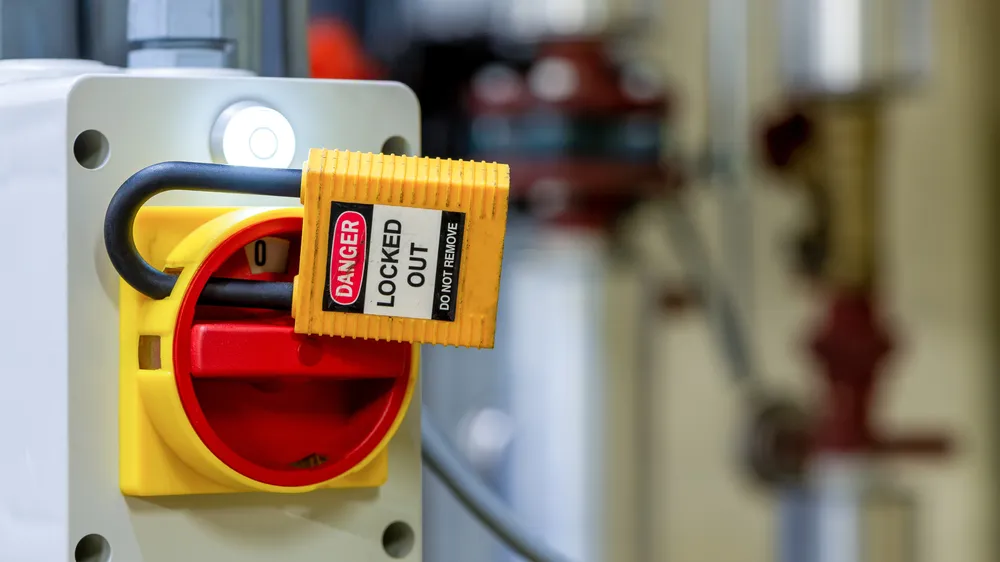
Are you always a bit on edge about the possible mishaps when doing maintenance work around your house? We’ve all had those moments, stressing over the hidden dangers that might be lurking in our home appliances and systems.
Well, this article is ready to step up as your knight in shining armour, offering a comprehensive guide on integrating lockout/tagout procedures with your home upkeep routines. Prepare yourself for a safety game-changer that’s set to not only transform how you handle maintenance but also boost your confidence every time you tackle it!
Key Takeaways
- Lockout/Tagout is a vital safety procedure that involves isolating energy sources and implementing lockout/tagout devices to prevent accidental equipment startup during maintenance work.
- Integrating lockout/tagout into maintenance programs is crucial for the safety of workers and the prevention of accidents.
- Steps in the lockout/tagout process include preparing for the procedure, shutting down equipment, isolating energy sources, implementing lockout/tagout devices, checking for stored energy, and verifying the effectiveness of the procedure.
What is Lockout/Tagout and Why is it Important?
Lockout/Tagout is a vital safety procedure in maintenance programs, which involves isolating energy sources and implementing lockout/tagout devices to prevent accidental equipment startup.
It is crucial for the protection of workers from hazardous energy and potential injuries.
Lockout/Tagout definition
Lockout/Tagout refers to safety procedures used in industry and research settings to ensure dangerous machines are properly shut off and not restarted before maintenance or service work is completed.
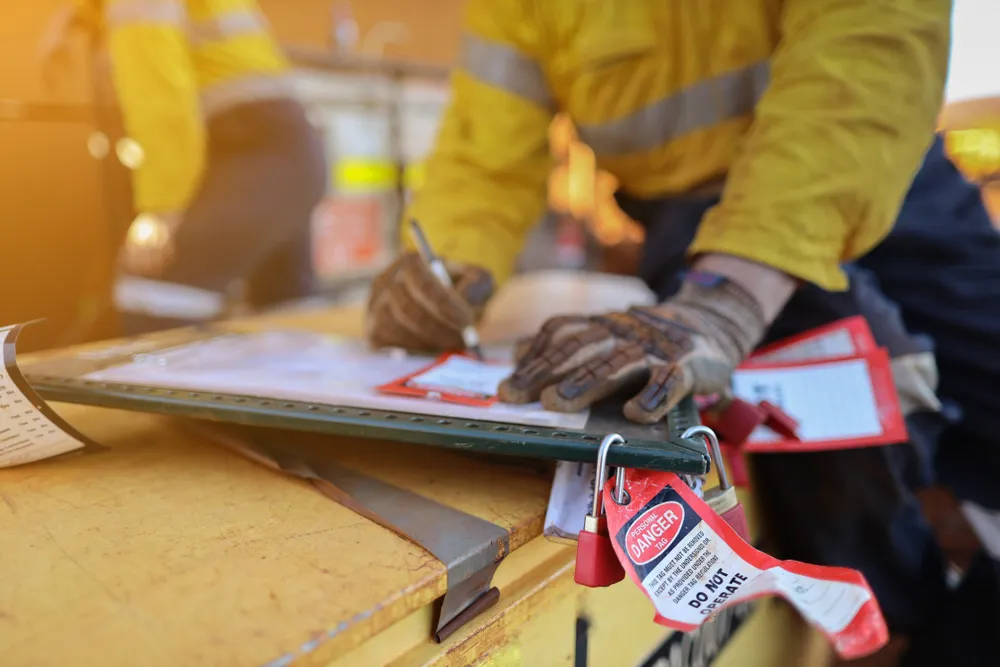
These processes safeguard employees from the unexpected release of hazardous energy or accidental startup of equipment during repair activities. Lockout involves securing the device with a padlock while tagout includes adding a warning sign or tag, providing crucial information about why the equipment is out of use.
Together, lockout/tagout ensures both physical protection through locks and informative protection via tags. It’s more than just using these locks and tags; it also encompasses correct training, thorough documentation, and clear communication among workers for effective program implementation.
With successful integration into maintenance programs, we create safe working environments free from unwanted surprises related to machinery operations.
Importance of Lockout/Tagout in maintenance programs
Lockout/Tagout is a crucial aspect of maintenance programs that cannot be overlooked. It plays a vital role in ensuring the safety of workers and preventing accidents during equipment maintenance.
By implementing lockout/tagout procedures, you can effectively protect maintenance workers from unexpected release of hazardous energy or accidental startup of assets. This involves locking and tagging the energy sources of equipment to prevent any mishaps while repairs or servicing are being carried out.
It’s important to understand that simply using locks and tags is not enough; proper training, documentation, and communication are essential components for an effective lockout/tagout program.
Steps of Lockout/Tagout
The steps of Lockout/Tagout include preparing for the procedure, shutting down the equipment, isolating energy sources, implementing lockout/tagout devices, checking for stored energy, and verifying the effectiveness of the procedure.
Prepare for the procedure
Before starting the lockout/tagout procedure, it’s crucial to take some important steps to ensure safety. First, make sure all affected employees are notified about the upcoming maintenance activities.
This helps everyone be aware of potential hazards and prevents accidental startup of equipment. Next, identify the specific procedures and hazards associated with the task at hand.
Understanding these details is essential for creating an effective lockout/tagout plan. Finally, gather all necessary tools and equipment needed for the procedure, such as locks, tags, and personal protective gear.
Shut down the equipment
To ensure your safety during maintenance procedures, it is crucial to shut down the equipment properly. This step involves turning off the power or energy sources that supply the equipment.
By doing so, you prevent any unexpected startup or release of hazardous energy while you work on the machinery. Shutting down the equipment effectively is an essential part of the lockout/tagout process and helps keep you protected from potential accidents or injuries.
Remember, always follow the manufacturer’s instructions and any specific protocols outlined in your maintenance program for shutting down equipment safely.
Isolate energy sources
To ensure a safe maintenance process, it is crucial to isolate the energy sources of equipment. This means cutting off the power supply or shutting down any other forms of energy that could activate the machinery.
By isolating these sources, we can prevent accidental startup or release of hazardous energy during maintenance work. It’s important to remember that lockout and tagout procedures go hand in hand with isolation, as they add an extra layer of protection by physically locking and tagging the equipment.
Taking these steps helps create a safer environment for both maintenance workers and homeowners alike.
By isolating energy sources before performing any maintenance tasks, we reduce the risk of accidents or injuries caused by unexpected machine activation. Whether it’s shutting off electricity, closing valves, or blocking air supplies, properly isolating energy sources ensures that no unintended operations occur while maintenance work is being done.
Implement lockout/tagout devices
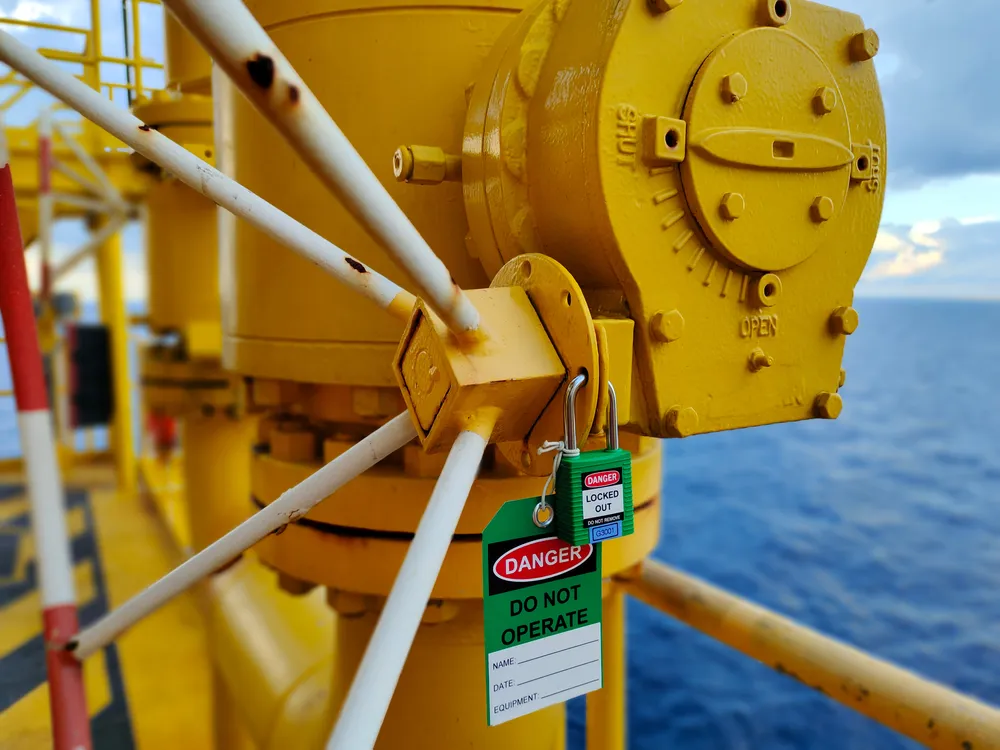
To ensure the safety of maintenance workers and prevent accidents, it is crucial to implement lockout/tagout devices during equipment shutdown. Lockout/tagout devices are physical barriers that help prevent accidental startup or release of hazardous energy.
These devices include locks, tags, chains, and blocks that effectively isolate energy sources and communicate the status of equipment to other workers. By using these devices, you can confidently perform maintenance tasks without worrying about unexpected hazards or injuries.
Check for stored energy
We must always remember to check for stored energy when implementing lockout/tagout procedures. This is a crucial step in ensuring the safety of maintenance workers and preventing accidents.
Stored energy refers to any potential source of power or hazardous energy that could be released unexpectedly during maintenance activities. By carefully inspecting equipment and systems, we can identify and properly address any remaining stored energy before proceeding with the lockout/tagout process.
This may involve releasing pressure, draining fluids, or discharging capacitors to eliminate the risk of accidental startup or release of dangerous energy. Taking this extra precaution helps to protect both workers and equipment from harm.
Verify the effectiveness of the procedure
To ensure the safety of our maintenance work, it’s crucial to verify the effectiveness of the lockout/tagout procedure. This step involves checking that all energy sources are properly isolated and that no hazardous energy can be released.
By doing so, we can prevent accidental startup or unexpected releases, keeping ourselves and our equipment safe. Proper verification ensures that all steps in the lockout/tagout process have been followed correctly, reducing the risk of accidents or injuries during maintenance activities.
So let’s take a moment to double-check our procedures and make sure everything is secure before starting any work.
Simplifying Lockout/Tagout with a CMMS
Using a computerised maintenance management system (CMMS) simplifies Lockout/Tagout procedures by automating and streamlining the process, resulting in improved efficiency and accuracy.
Benefits of using a computerised maintenance management system (CMMS)
A computerised maintenance management system (CMMS) offers many benefits for homeowners. Firstly, a CMMS helps in automating and streamlining lockout/tagout procedures, making it easier to manage and track critical maintenance information.
This saves time and effort by eliminating the need for manual record-keeping. Secondly, using a CMMS improves efficiency and accuracy in lockout/tagout procedures, reducing the chances of errors or oversights that could lead to accidents or injuries.
With a CMMS, you can easily create customised lockout/tagout procedures tailored to your specific needs. Lastly, a CMMS provides peace of mind by ensuring compliance with safety protocols and regulations such as OSHA standards.
Automation and streamlining of Lockout/Tagout procedures
Lockout/Tagout procedures can be time-consuming and complex, but automation through a computerised maintenance management system (CMMS) like Brightly’s can simplify the process. With the CMMS, engineers and specialists can easily create and manage lockout/tagout procedures, ensuring consistency and accuracy.
The system automates tasks such as generating work orders, notifying affected employees, and tracking lockout/tagout documentation. By streamlining these procedures, homeowners can ensure that their equipment is properly isolated before maintenance or repairs are conducted, minimising the risk of accidents and injuries.
Improved efficiency and accuracy
Our integration of lockout/tagout procedures with maintenance programs also brings improved efficiency and accuracy to your operations. By utilising our CMMS (Computerised Maintenance Management System), you can automate and streamline the lockout/tagout process, saving valuable time and reducing the risk of human error.
With our system, engineers and specialists can easily access customised lockout/tagout procedures specific to their needs. This ensures that all necessary steps are followed consistently, minimising the chance of accidents or equipment damage.
Plus, our training and education resources help employees understand the importance of lockout/tagout and how to execute it effectively.
By incorporating lockout/tagout into your maintenance programs, you not only enhance safety protocols but also optimise asset management and preventive maintenance efforts. Our CMMS provides a comprehensive solution for work order management, maintenance planning, equipment tracking, and more.
Integrating Lockout/Tagout into Maintenance Programs
Integrating Lockout/Tagout into Maintenance Programs is crucial for ensuring safety and efficiency. Find out how to customise procedures, train employees, and incorporate this important practice into your maintenance program.
Importance of incorporating Lockout/Tagout into maintenance programs
Incorporating Lockout/Tagout into maintenance programs is crucial for ensuring the safety of workers and preventing accidents. By including lockout/tagout procedures as part of your regular maintenance protocols, you can effectively protect employees from unexpected releases of hazardous energy or equipment startups during maintenance activities.
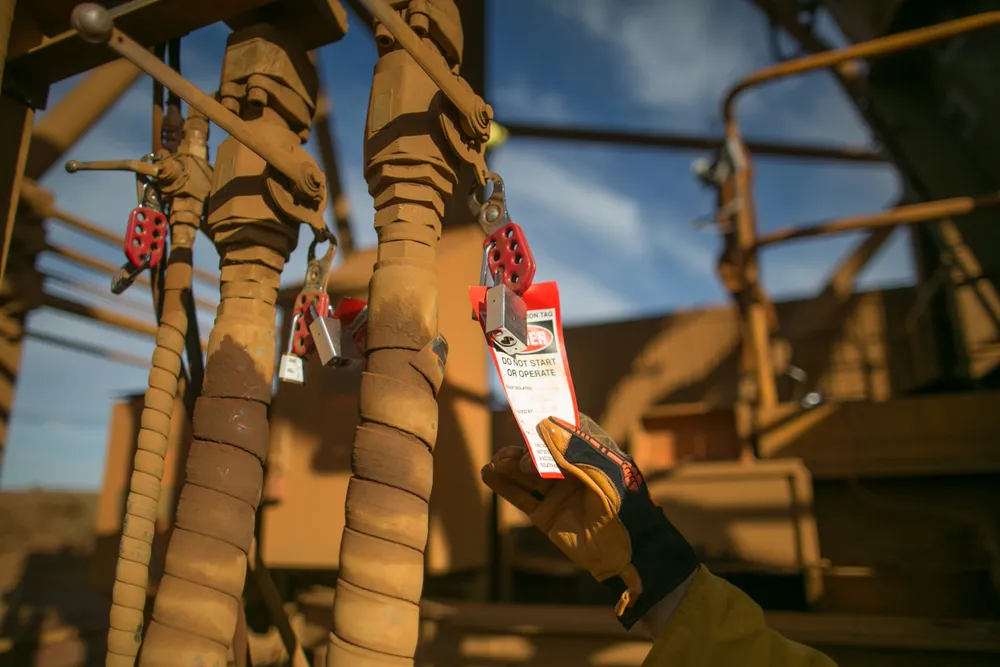
This not only promotes a safe work environment but also helps to comply with regulations set by organisations like OSHA (Occupational Safety and Health Administration). Remember, proper lockout/tagout procedures go beyond simply using locks and tags – they involve comprehensive training, documentation, and communication to safeguard everyone involved in the maintenance process.
Customising Lockout/Tagout procedures for specific needs
We understand that every home is unique, and so are the maintenance needs. That’s why customising lockout/tagout procedures for specific needs is crucial in ensuring the safety of you and your loved ones.
By tailoring these procedures to your specific equipment and energy sources, you can effectively prevent accidents and protect against unexpected releases of hazardous energy during maintenance activities.
Whether it’s identifying potential hazards, notifying affected individuals, or implementing the right lockout/tagout devices, customising these procedures will help create a safer environment within your home.
Training and education for employees
We prioritise the safety of our employees by providing comprehensive training and education on lockout/tagout procedures. Our goal is to ensure that every employee understands the importance of properly locking and tagging equipment to prevent accidents and protect against hazardous energy releases.
Through interactive workshops, safety demonstrations, and informative materials, we equip our team with the knowledge and skills needed to perform their job safely. By investing in training and education, we create a culture of awareness and responsibility, where everyone takes an active role in maintaining a safe work environment.
Tag Out System Tailored to Your Needs
In conclusion, integrating a tag-out system with maintenance programs is crucial for ensuring the safety of workers and preventing accidents. By customising lockout/tagout procedures to specific needs and providing training for employees, maintenance programs can effectively incorporate these practices.
With the use of a computerised maintenance management system (CMMS), automation and streamlining of lockout/tagout procedures can further improve efficiency and accuracy in maintaining a safe work environment.
Prioritise safety and efficiency in your industrial facility with Tag Out System’s expert Tag Out System Integration. Our comprehensive maintenance programs, combined with cutting-edge tagging systems, ensure seamless operations and protect your valuable assets. Don’t compromise on safety and compliance. Reach out to Earth Plumbing today to integrate Tag Out Systems into your maintenance strategy and experience worry-free operations like never before! Contact Us Today!