
Tag Out System · 17 November 2023
Tag Out System as A Valuable Tool for Accident Prevention and Investigation
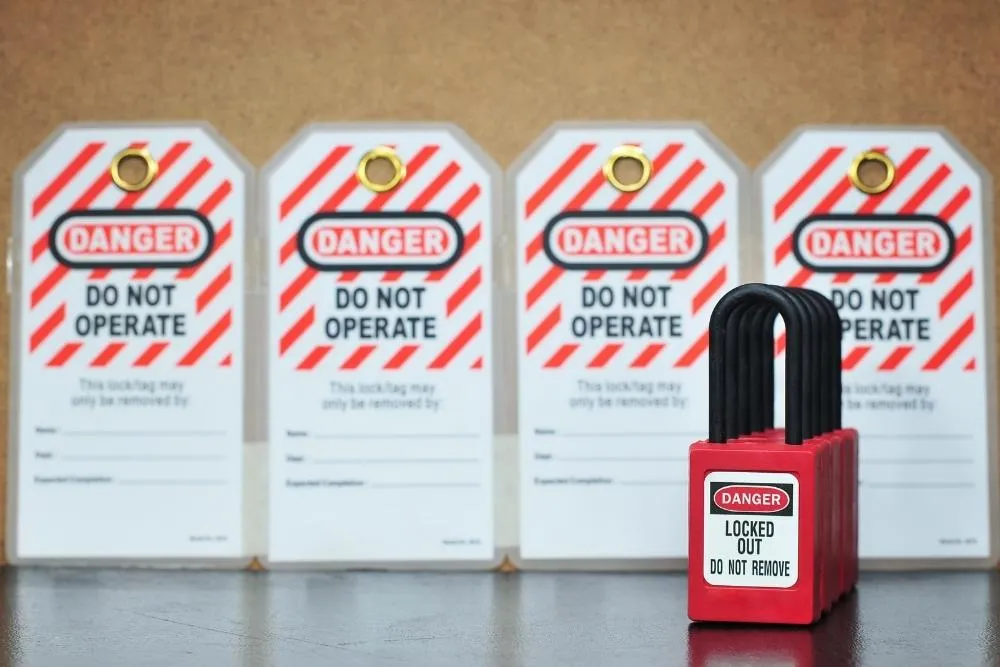
Experiencing workplace accidents due to machine malfunctions or unexpected energy releases can be a terrifying and dangerous ordeal. As someone who has also faced the challenges of workplace safety, we understand the importance of implementing effective safety procedures. Did you know that compliant lockout/tagout programs can prevent workplace injuries and even death? In this blog, we will explore how tag-out systems play a crucial role in accident prevention and investigation, offering valuable insights into ensuring workplace safety. Stay tuned to discover how you can protect yourself and your employees from potential hazards!
Key Takeaways
- Tag-out systems, a critical component of lockout/tagout (LOTO) programs, prevent workplace accidents by ensuring machinery remains completely off during maintenance work.
- Compliant LOTO procedures not only protect workers from potential harm caused by unexpected machine movements or energy surges but also aid in investigating the causes of accidents that may occur in a work environment.
- Understanding and adhering to the OSHA Lockout Tagout Standard is crucial for both preventing workplace incidents and ensuring the safe investigation of machinery-related accidents.
- Key elements of a strong LOTO program include involving key stakeholders, implementing proper devices and procedures, and conducting regular inspections and training to maintain effectiveness.
Overview of lockout tagout (LOTO) systems
We take workplace safety seriously, and one key method we rely on is lockout tagout (LOTO) systems. These systems are life-savers that keep our machines off when they need to be, fully and temporarily, eliminating the chance of accidental startup or release of stored energy while maintenance work is being done.
Lockout uses locks to hold energy control devices in a safe position; this prevents anyone from re-energizing the equipment until the locks are removed. Tagout complements this by attaching tags that give critical information about the lockdown and warning against operating the equipment.
Having robust LOTO procedures isn’t just about following rules; it’s about keeping each other safe from harm caused by unexpected machine movements or energy surges. We’re committed not only to preventing workplace injuries but also to ensuring every team member knows why these steps matter in guarding our machinery, and their well-being.
Our approach aligns with environmental health and safety regulations and leads us towards a stronger culture of accident prevention through proper isolation of hazardous energy sources.
Next, let’s delve into how crucial LOTO systems are for accident prevention and investigation.
Importance of LOTO for Accident Prevention and Investigation
LOTO, which stands for lockout tagout, is a critical safety procedure that helps prevent accidents and ensures the safe investigation of incidents involving machinery.

Definition of LOTO
LOTO stands for Lockout/Tagout, a safety procedure we use to make sure that dangerous machines are properly shut off and can’t be started up again before the completion of maintenance or repair work.
It involves placing a lock and tag on the energy-isolating device of equipment. This critical step keeps it from being powered on accidentally, which could lead to injuries or even death.
By following stringent LOTO protocols, we ensure machinery is isolated safely during repairs, effectively preventing accidental reactivation.
We apply these safety protocols firmly across homes, offices, and industries because energy isolation is key to protecting everyone who might come into contact with potentially hazardous equipment.
Tags give clear instructions about why the machine is out of operation and warn against reenergizing it while it’s locked out. Our commitment to using lockout/tagout systems isn’t only about meeting regulations; it’s about ensuring our collective well-being by avoiding unexpected startups or releases of stored energy in every workspace environment.
Role of LOTO in machine guarding
After understanding the differences between lockout and tagout, it’s crucial to recognize the significant role of LOTO systems in machine guarding. LOTO plays a vital part in safeguarding machinery by isolating energy sources and placing locks and tags during maintenance or servicing, effectively preventing accidents caused by unexpected startups or the release of stored energy.
This essential safety measure ensures that machines remain completely off, protecting workers from potential harm while working on or near electrical circuits and equipment.
Compliant lockout/tagout programs not only prevent workplace injuries but also aid in investigating the causes of accidents that may occur in a work environment. By following specific lockout/tagout procedure checklists and guidelines, businesses can ensure worker safety while maintaining their equipment, ultimately reducing the risk of incidents and promoting a safer work environment for all.
OSHA Lockout Tagout Standard
The OSHA Lockout Tagout Standard outlines the regulations and requirements for implementing proper LOTO procedures in the workplace. Understanding and adhering to these standards is crucial for ensuring the safety of employees and preventing accidents.
Overview of OSHA regulations
OSHA regulations play a crucial role in ensuring workplace safety. Compliant lockout/tagout programs can prevent workplace injuries and deaths, making it an essential practice for home, industrial, and office owners.
These regulations are designed to avoid accidental machinery startups or the release of stored energy during maintenance or servicing. It is important to note that OSHA requires specific lockout/tagout procedure checklists and guidelines to be followed for the safety and effectiveness of the system.
This ensures that equipment shutdown, machinery isolation, and stored energy release prevention are effectively managed.
Lockout/Tagout procedures are vital in preventing accidents at workplaces where machines have the potential to cause harm through unexpected startup or release of stored energy. These regulations must be followed diligently even in electrical circuits to prevent hazards in the workplace.
Exceptions and violations related to LOTO
Continuing from the overview of OSHA regulations, exceptions and violations related to LOTO are important aspects that home, industrial, and office owners should be aware of. It’s crucial to understand these exceptions and violations to ensure the effectiveness of your lockout tagout system.
- Certain minor servicing activities may be exempted from full LOTO procedures if they meet specific criteria, such as being routine, repetitive, integral to production, and safeguarded by alternative measures.
- Violations related to LOTO can lead to severe penalties and fines due to non – non-compliance with safety regulations, potentially resulting in workplace accidents.
- Failure to provide proper training on lockout tagout procedures or not having written energy control procedures are common violations that can lead to serious consequences.
- It is essential for employers to regularly assess their LOTO programs and address any deficiencies or violations promptly to maintain a safe work environment.
- Exceptions relating to task-specific procedures must adhere strictly to OSHA requirements regarding de-energizing equipment and ensuring the safety of employees involved in maintenance tasks.
- Even when exceptions apply, employers must prioritize employee safety by ensuring that adequate measures are in place for effective energy isolation during servicing or maintenance tasks.
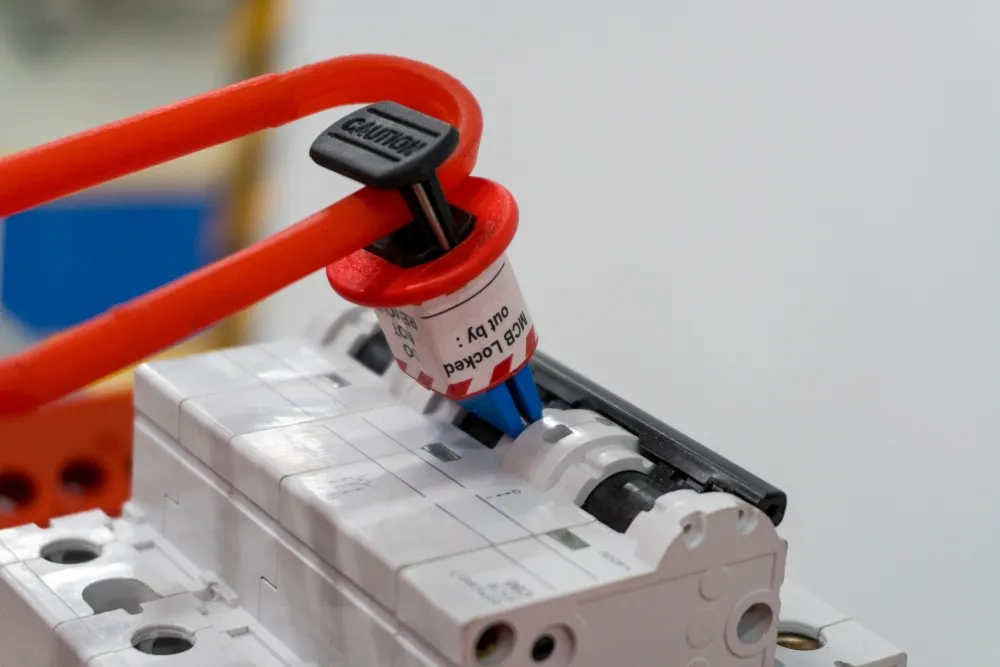
Elements of a Strong LOTO Program
Identifying and involving key stakeholders is crucial for a strong LOTO program. Proper devices and procedures, along with regular inspections and training, are essential for preventing accidents.
Identifying and involving key stakeholders
We identify and involve key stakeholders by:
- Initiating discussions with management, workers, and safety representatives to gain their insights into the best lockout/tagout procedures for specific machinery.
- Consulting with maintenance personnel to understand the technical aspects of equipment and identify potential hazards in the workplace.
- Collaborating with relevant departments such as operations, engineering, and procurement to ensure a comprehensive approach to implementing lockout/tagout systems.
- Engaging external experts or consultants to provide specialized knowledge on developing and maintaining effective lockout/tagout programs.
- Conducting regular meetings or training sessions involving all stakeholders to address any concerns, ensure compliance with regulations, and keep everyone updated on any changes or improvements in the lockout/tagout procedures.
- Seeking feedback from employees at all levels to continuously improve the effectiveness of the lockout/tagout system and address any practical challenges they may encounter during its implementation.
- Involving legal counsel or safety regulators when updating or modifying the lockout/tagout policies to ensure adherence to all legal requirements and industry standards.
Proper LOTO devices and procedures
Proper LOTO devices and procedures are crucial for ensuring the safety of workers and preventing accidents in the workplace. Here are the key elements of a strong LOTO program:
- Use appropriate lockout/tagout devices: Employ specific locks and tags designed for LOTO to secure energy sources effectively, preventing accidental startup during maintenance.
- Develop comprehensive LOTO procedures: Create detailed step-by-step guidelines for isolating energy sources, including shutting down equipment, applying locks and tags, releasing stored energy, and testing the machine to verify its state.
- Provide thorough training: Train all personnel involved in LOTO procedures on how to correctly identify energy sources, apply locks and tags, understand isolation points, and follow safety protocols.
- Conduct regular inspections: Establish routine checks to ensure that LOTO devices are used properly and remain effective. Inspections should identify any faulty equipment or procedural gaps to maintain a safe working environment.
- Implement clear communication protocols: Establish effective communication channels between maintenance personnel, equipment operators, and other stakeholders involved in LOTO processes to ensure everyone is aware of the status of locked-out machinery.
- Document LOTO activities: Maintain accurate records of all lockout/tagout activities, including who performed the procedure, when it was done, which specific machines were involved, and any unusual findings during the process.
Regular inspections and training
Regular inspections and training play a crucial role in maintaining the effectiveness of lockout/tagout (LOTO) systems. Home, industrial, and office owners need to prioritize these aspects to ensure workplace safety. Regular inspections and training are necessary for the following reasons:
- Ensuring compliance with LOTO procedures and regulations is essential for preventing workplace injuries and fatalities.
- Identifying and correcting any deficiencies or malfunctions in LOTO devices and procedures consistently.
- Training employees on proper LOTO implementation, emphasizing the importance of following protocols to prevent accidents.
- Educating workers about potential hazards associated with complex machinery to enhance their understanding of safety measures.
- Conducting periodic assessments of LOTO programs to measure their effectiveness and identify areas for improvement.
Challenges and Solutions in LOTO Implementation
Communication barriers, complex machinery, and resistance to change can hinder the successful implementation of LOTO systems. However, improved protocols and technology solutions can help overcome these challenges and ensure a safer work environment.
Communication barriers
Effective communication is crucial in ensuring the success of a lockout/tagout (LOTO) program. Clear and concise instructions need to be communicated across all levels of the organization, from management to the maintenance team.
Misunderstandings due to unclear instructions or language barriers can lead to serious accidents. Regular training and clear visual aids can help overcome these barriers by ensuring that everyone involved understands the importance of LOTO procedures and how to implement them correctly.
Furthermore, all employees need to have open lines of communication with each other about any potential hazards or issues that may arise during equipment maintenance or servicing.
Complex machinery
Overcoming challenges with improved protocols and technology is essential in handling complex machinery. The intricate nature of modern equipment requires a thorough understanding of lockout/tagout procedures to ensure the safety of workers and prevent accidents.
Home, industrial, and office owners must recognize that effective lockout/tagout programs must address the specific complexities associated with different types of machinery.
Implementing tailored protocols and training employees on the unique aspects of complex machinery is vital for maintaining a safe working environment.
Integrating advanced technological solutions into lockout/tagout systems can greatly enhance safety measures when dealing with complex machinery. Home, industrial, and office owners should consider investing in innovative technologies that offer more precise control over energy isolation processes for intricate equipment.
Overcoming challenges with improved protocols and technology
We can overcome challenges in lockout/tagout implementation by embracing improved protocols and technology. Here’s how:
- Implementing clear and precise communication protocols to ensure that all workers understand the importance of lockout/tagout procedures and their role in maintaining safety.
- Utilizing advanced lockout/tagout devices with enhanced features such as digital controls and remote monitoring capabilities to increase efficiency and accuracy.
- Incorporating training programs that leverage virtual reality and simulation technologies to provide hands-on experience in dealing with complex machinery and lockout/tagout scenarios.
- Integrating IoT (Internet of Things) technologies to enable real-time tracking of energy isolation and equipment status, ensuring comprehensive safety monitoring during maintenance activities.
- Developing smart lockout/tagout systems that can automatically detect machine shutdown requirements based on predefined criteria, streamlining the process while minimizing human error.
The Future of LOTO Systems
Advancements in technology and the integration of IoT will play a crucial role in enhancing LOTO systems, making them more efficient and reliable for accident prevention and investigation.
Technological advancements
Technological advancements in lockout/tagout (LOTO) systems have revolutionized equipment protection, ensuring safer workplace environments. IoT integration allows for real-time monitoring and control of machinery shutdown, enhancing safety procedures and minimizing the risk of accidents.
These advancements also enable automated equipment shutdown with the use of sensors and remote access, significantly improving machinery protection while enhancing operational efficiency.
The integration of advanced technology into LOTO systems is pivotal in elevating occupational health and safety standards across various industries.
As a crucial component of our ongoing commitment to safety, we are continually exploring innovative ways to leverage technological advancements in LOTO systems to further strengthen our equipment protection protocols.
Integration with IoT
As technology continues to advance, the integration of lockout/tagout (LOTO) systems with the Internet of Things (IoT) presents an exciting opportunity for home, industrial, and office owners.
By connecting LOTO devices to IoT platforms, users can remotely monitor and control energy isolation points, enhancing safety protocols and reducing human error. This integration also enables real-time data collection on machine status and maintenance activities, allowing for proactive identification of potential issues before they become safety hazards.
Moreover, IoT integration provides valuable insights into equipment performance and usage patterns, supporting informed decision-making for maintenance scheduling and resource allocation.
The ability to leverage IoT data analytics enhances overall operational efficiency while ensuring compliance with LOTO procedures. As this technological convergence continues to evolve, it holds great promise in revolutionizing workplace safety practices across various industries.
Prevent Accidents with Tag Out Systems
In conclusion, tag-out systems play a crucial role in preventing accidents and investigating their causes. They help ensure that machines remain completely off while maintenance or servicing is being performed.
Compliant lockout/tagout programs are essential for workplace safety, protecting workers from injury and even death. By isolating energy sources and implementing proper procedures, tag-out systems are valuable tools in accident prevention and investigation.