
LockOut Equipment · 15 March 2024
Tag Out Solutions for Multi-Energy Sources

Juggling multiple energy sources around the house or at work can be a bit of a headache, right? We totally get it – we’ve been through the wringer ourselves. Did you know that a whopper 65% of workplace mishaps stem from not having a tight rein on energy control? Our yarn here dishes out some ace tag-out strategies for managing your multi-energy mix without getting your wires crossed.
Stick around for some top-notch safety pointers!
Key Takeaways
- Lockout/Tagout procedures are vital for safety, preventing accidents by making sure equipment can’t start up unexpectedly. They help us stay safe and follow OSHA rules.
- Different energy sources like electrical, hydraulic, and pneumatic need specific lockout or tagout methods to prevent danger. Lockouts physically block access to power sources while tagouts label devices as off-limits.
- Following the 7-step Lockout/Tagout procedure is key to ensuring everyone’s safety around machinery. This includes preparation, notification of shutdowns, isolating energy sources, applying locks or tags, checking for leftover energy, and double-checking everything is secure before work starts.
- Using proper Lockout/Tagout gadgets such as padlocks for lockouts or labels for tagouts helps keep workers safe from unexpected energy releases. LOTO boxes store these tools securely when not in use.
- Keeping a solid lockout/tagout program going means setting clear rules (a LOTO policy), checking regularly how things are going (audits), teaching everyone involved about the risks and correct procedures (training), using software to track what’s happening with equipment isolation (lockout/tagout software), and staying updated on legal requirements from OSHA.

Understanding the Purpose and Importance of Lockout/Tagout
Lockout/Tagout procedures play a critical role in ensuring workplace safety by preventing accidents related to unexpected energisation or start-up of machinery and equipment. We make sure that hazardous energy sources, including electricity, hydraulic, pneumatic, mechanical, and others are properly isolated and made inoperative before any maintenance or repair work begins.
This way, we safeguard those working directly with the machinery as well as those in the vicinity from severe injuries or even fatalities.
These practices are not only about physical safety; they also contribute significantly to risk reduction and compliance with OSHA regulations. Adhering to a strict lockout/tagout protocol ensures that we meet legal standards while protecting our team members from potential hazards associated with energy sources.
Next up, let’s distinguish between lockout and tagout – understanding their differences is key to implementing effective safety measures.
The Difference Between Lockout and Tagout
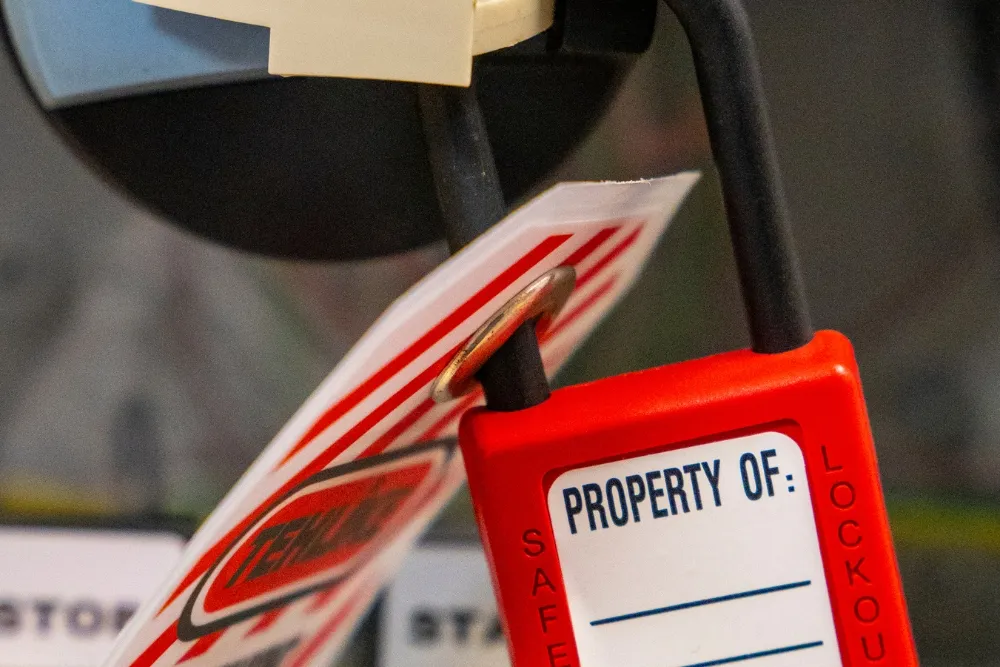
Lockout and tagout are two distinct safety procedures used to control hazardous energy during maintenance and repair of equipment. Lockout involves physically securing the energy-isolating devices with a lock, ensuring that no energy can be released.
Tagout, on the other hand, uses tags or labels to indicate that the equipment is not to be operated and why it’s been taken out of service. While both methods are important in preventing accidental start-up of machinery or equipment, lockout provides a higher level of protection as it physically prevents access to the power source.
Using lockout is crucial when working on electrical systems, where a visual tag might not provide enough warning against re-energising the circuit accidentally. In contrast, tagout is more suitable for situations where only limited risk is present when servicing equipment.
Both methods should always be used together when performing maintenance tasks on machinery powered by different energy sources like electricity, hydraulic systems, and pneumatic machinery – providing comprehensive protection against unexpected energisation.
The 7 Steps of a Lockout/Tagout Procedure
When conducting a lockout/tagout procedure, we follow seven crucial steps to ensure safety and prevent accidents. Each step is carefully designed to make sure that the energy sources are effectively isolated and tagged, protecting both personnel and equipment.
- Preparation: Identifying energy sources and understanding the type of energy they represent such as electrical, mechanical, hydraulic, pneumatic, chemical, thermal or other hazardous forms of energy.
- Notification: Informing all affected employees about the impending shutdown.
- Shutdown: Turning off the equipment following standard operating procedures.
- Isolation: Isolating all energy sources using appropriate isolating devices like switches, disconnects or valves.
- Applying lockout/tagout devices: Attaching lockout and tagout devices to the isolation points to indicate that maintenance or servicing work is taking place.
- Release of stored energy: Verifying that no residual energy remains within the equipment by methods like bleeding or grounding.
- Verification: Checking the isolation and de-energisation before commencing any maintenance or servicing activities.
This comprehensive procedure when followed diligently ensures a safe working environment for everyone involved with minimal risk of accidental injuries or damage.
Lockout/Tagout Devices
Lockout/tagout devices provide essential safeguards for protecting workers from hazardous energy sources. These devices help prevent accidental re-energisation of equipment during maintenance procedures, ensuring the safety of personnel and preventing potential accidents.
Energy Isolating Devices
Energy isolating devices are crucial for safely separating equipment from energy sources during maintenance or servicing. These devices help prevent accidents and ensure compliance with safety regulations.
By properly utilising energy isolating devices, such as circuit breakers, disconnect switches, and block valves, potential hazards associated with electrical, mechanical, hydraulic, pneumatic, chemical, thermal or other energy sources can be effectively controlled.
Using the right energy-isolating device for each specific source is essential to minimise risks and protect individuals working on machinery or equipment. Choosing the appropriate device is a vital part of creating a safe work environment that minimises accidents and maximises efficiency in multi-energy source settings.
Lockout Devices
Lockout devices are essential for ensuring the safety of personnel and preventing accidents when working on equipment. These devices physically prevent machines or power sources from being turned on, protecting workers from hazardous energy.
They typically include padlocks, lockout hasps, valve lockouts, and electrical circuit breakers. It’s crucial to use these devices correctly in line with HSE standards to effectively isolate all energy sources before maintenance work begins.
Tagout Devices
Tagout devices are essential for providing an additional layer of protection when isolating equipment from energy sources. By using tagout devices, such as tags, signs, and labels, you can clearly communicate the status of locked-out equipment to all personnel in the area.
These devices are designed to prevent misunderstandings and ensure that no one inadvertently restores power or operates machinery undergoing maintenance.
Using these simple yet effective tagout solutions can help minimise risks associated with hazardous energy and promote a safe working environment. Whether you’re a homeowner or a business owner, implementing tagout devices as part of your lockout/tagout procedure is crucial for preventing accidents and ensuring compliance with safety regulations.
LOTO Boxes
LOTO boxes are essential for keeping your lockout/tagout devices secure and accessible. These sturdy containers provide a designated place to store keys, tags, and other necessary equipment when not in use.
LOTO boxes come in various sizes to accommodate different workplaces and can be mounted on walls or carried as portable kits, ensuring that the right materials are always within reach.
By properly storing lockout/tagout tools in LOTO boxes, you can maintain a safe and organised environment while preventing accidents related to hazardous energy sources.

Ensuring Safety and Compliance with a Comprehensive Lockout/Tagout Programme
To ensure safety and compliance with a comprehensive Lockout/Tagout programme, it’s essential to establish a strong LOTO policy and perform regular audits and inspections. Providing proper training, utilising Lockout/Tagout software, and staying up-to-date on HSE standards and regulations are also crucial for maintaining a safe work environment.
Learn more by exploring the full article.
Establishing a LOTO Policy
When establishing a LOTO policy, it is crucial to assess all energy sources and equipment within your facility. Obtain input from employees who operate the machinery to ensure all potentially hazardous energy sources are identified.
Implement clear guidelines for the use of lockout/tagout procedures, incorporating industry best practices and relevant HSE standards.
Regularly update your LOTO policy in line with any changes in equipment or safety regulations. Prioritise training sessions that provide practical guidance on executing the procedure correctly, emphasising the importance of adhering to the LOTO policy at all times.
Performing Regular Audits and Inspections
Performing regular audits and inspections is essential to ensure the effectiveness of our lockout/tagout programme. It allows us to identify any potential hazards or issues and take corrective actions proactively. Here are some key aspects to consider:
- Schedule regular inspections of all energy control procedures and devices to ensure they are functioning correctly and are compliant with safety standards.
- Conduct thorough audits of work areas to identify any new hazards or changes that may affect energy control measures.
- Verify that all employees are following the lockout/tagout procedures accurately and consistently in their daily tasks, noting any non-compliance or gaps in training.
- Document all audit findings, including any deficiencies or areas for improvement, and implement necessary corrective actions promptly.
- Review the effectiveness of the lockout/tagout programme periodically to adapt to changing equipment, processes, or regulations.
- Involve employees in the auditing process by encouraging them to report any concerns or suggestions for enhancing safety and compliance.
- Utilise digital tools or software for conducting audits efficiently and maintaining comprehensive records of inspections and corrective actions taken.
Providing Proper Training
- We conduct comprehensive training sessions on energy dissipation methods to ensure everyone is aware of the risks and safety measures.
- Clearly communicate the purpose of lockout/tagout to all employees, highlighting the importance of equipment isolation and energy dissipation.
- Train staff on the proper use of lockout/tagout devices for different energy sources, including renewable and multifuel energy solutions.
- Educate employees on using energy tagging systems and tagging technology, emphasizing the importance of power source protection and risk prevention.
- Provide detailed training on managing and tracking energy consumption, focusing on energy efficiency solutions to prevent accidents and promote safety.
- Ensure a thorough understanding of OSHA standards and regulations through training sessions tailored towards compliance with ever-evolving industry requirements.
- Conduct practical demonstrations to familiarise individuals with utilising lockout/tagout software for equipment isolation in a variety of scenarios.
- Continuously reinforce the knowledge gained from training by implementing regular audits and inspections as part of our commitment to accident prevention and equipment isolation.
By prioritising proper training in our lockout/tagout programme, we equip our team with essential skills to manage multi-energy sources safely and effectively. This proactive approach underpins our commitment to risk prevention and ensures compliance within an ever-changing regulatory realm.
Utilising Lockout/Tagout Software
Utilising lockout/tagout software is essential for efficient energy management and ensuring workplace safety. The software allows us to document and track all lockout/tagout procedures, equipment, and inspections in one centralised system.
By using this technology, we can easily generate reports for compliance audits, making it simpler to demonstrate our commitment to safety regulations.
This software also aids in scheduling routine equipment inspections and ensuring that proper training has been completed by employees. It provides a comprehensive overview of the lockout/tagout programme, enabling us to identify areas for improvement and proactively address any potential hazards.
Staying Up-to-Date on OSHA Standards and Regulations
Staying current with HSE standards and regulations is crucial for ensuring a safe work environment. Regularly reviewing the latest HSE requirements helps us to stay compliant and protect our employees from potential hazards.
By keeping abreast of any changes, we can make necessary adjustments to our lockout/tagout procedures and equipment, thus safeguarding our team members and business operations.
Your Secure Space Starts with Our Tagout System!
Tag Out Solutions for Multi-Energy Sources are crucial for ensuring safety and compliance. Energy Isolating Devices, Lockout Devices, Tagout Devices, and LOTO Boxes play a vital role in the process.
Establishing a comprehensive Lockout/Tagout Programme with regular audits, proper training, and updated HSE standards is essential. Homeowners and business owners need to prioritise the implementation of these solutions to effectively manage hazardous energy across various sources.
Attention all industries with multi-energy sources! Are you struggling to manage safety protocols across various energy systems? Our Tag Out System provides specialised solutions tailored for multi-energy environments. From electrical to mechanical to hydraulic systems, we’ve got you covered. Ensure comprehensive safety and compliance across all energy sources with our customisable Tag Out solutions. Don’t compromise on safety – contact us today to streamline your tag-out procedures!