
LockOut Equipment · 14 September 2023
Tag Out Procedures for Hydraulic Systems
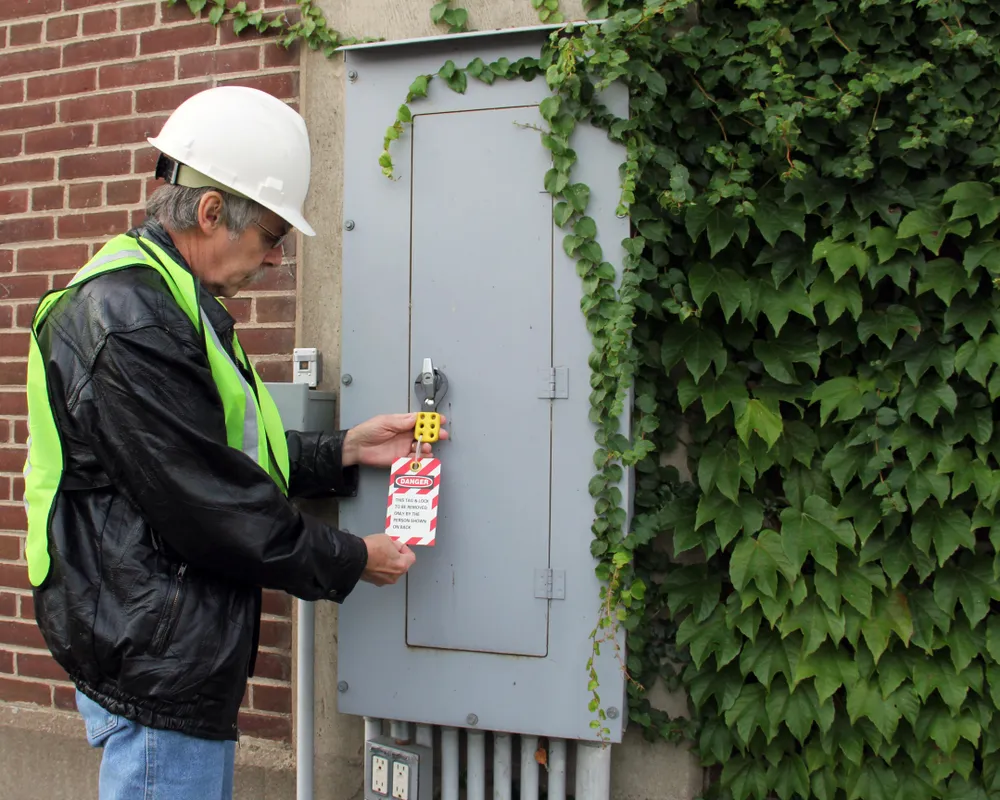
Crikey, managing hydraulic systems can be a bit of a sticky wicket, don’t you reckon? We’ve had our fair share of challenges with it too. And let’s not beat around the bush here – safety is no laughing matter.
So today mate, we’re going to have a yarn about the vital steps in tag-out procedures for hydraulic systems. Sometimes overlooked but as important as putting sunscreen on at Bondi Beach! Let’s dive right into it and ensure your work site stays safe while operating these ripper machines!
Key Takeaways
- Tag-out procedures are crucial for ensuring the safety of workers when working with hydraulic systems.
- Following proper lockout/tagout procedures can help prevent accidents, injuries, and equipment damage or failure.
- Locking out and tagging out hydraulic systems involves isolating the system, de-energising energy sources, using lockout and tagout equipment, and following specific steps to safely perform maintenance or repairs.
Importance of Lockout/Tagout Procedures for Hydraulic Systems
Lockout/tagout procedures are crucial for hydraulic systems to ensure worker safety, prevent accidents and injuries, and comply with safety regulations.
Ensuring worker safety
The safety of every worker is our utmost priority. Hydraulic systems can be extremely dangerous if not handled carefully, hence the need for tag-out procedures. These guidelines exist to protect employees from unexpected system startups or energisations that could lead to severe accidents and injuries.
We strictly adhere to these procedures, making sure everyone involved in handling hydraulic systems has a clear understanding of them and executes each step meticulously. Tags and labels are used as precautionary measures on systems locked out for maintenance or servicing, providing vital information such as reasons for the lockout, the time it was implemented, and who is overseeing the process.
They work as constant reminders distinguishing safe zones from danger points within the workplace environment. Take note; a comprehensive tag-out procedure always complements a physical lockout system enhancing overall workplace safety.
Preventing accidents and injuries
We can prevent accidents and injuries by following proper lockout/tagout procedures for hydraulic systems. These procedures are essential to ensure the safety of both workers and homeowners.
By isolating and de-energising the hydraulic system, we eliminate the risk of unexpected movement or release of hydraulic energy, which could lead to serious accidents. Implementing lockout and tagout equipment, such as machine identification tags and padlocks, helps us communicate clearly about the status of the system to others in the workplace.
By complying with safety standards and regulations through effective lockout/tagout procedures, we can minimise the chances of accidents or injuries occurring during maintenance or servicing tasks.
Compliance with safety regulations
We understand the importance of complying with safety regulations when it comes to working with hydraulic systems. Following these regulations is crucial for ensuring the safety of both employees and homeowners.
By implementing lockout/tagout procedures, which involve using labels or tags to provide information about why the system has been locked out, when the lock and tag were applied, and the name of the person responsible for the lockout, you can demonstrate your commitment to maintaining a safe environment.
Compliance with safety regulations not only helps prevent accidents and injuries but also ensures that you are meeting OSHA standards. So make sure to prioritise compliance in order to keep everyone safe and secure.
Devices Used for Lockout/Tagout in Hydraulic Systems
In lockout/tagout procedures for hydraulic systems, several devices are used to ensure the safety of workers and prevent accidents. These devices include machine identifications, padlocks, and energy-isolating devices such as primary drive units.
Machine identifications
Machine identifications are an essential part of lockout/tagout procedures for hydraulic systems. By clearly labelling each machine, you can easily identify which equipment needs to be locked out or tagged out before maintenance or repairs can be performed.
This helps ensure that no one accidentally starts the machine while work is being done, preventing potential accidents and injuries. Remember, proper machine identification is key to maintaining a safe working environment when it comes to hydraulic systems.
Padlocks
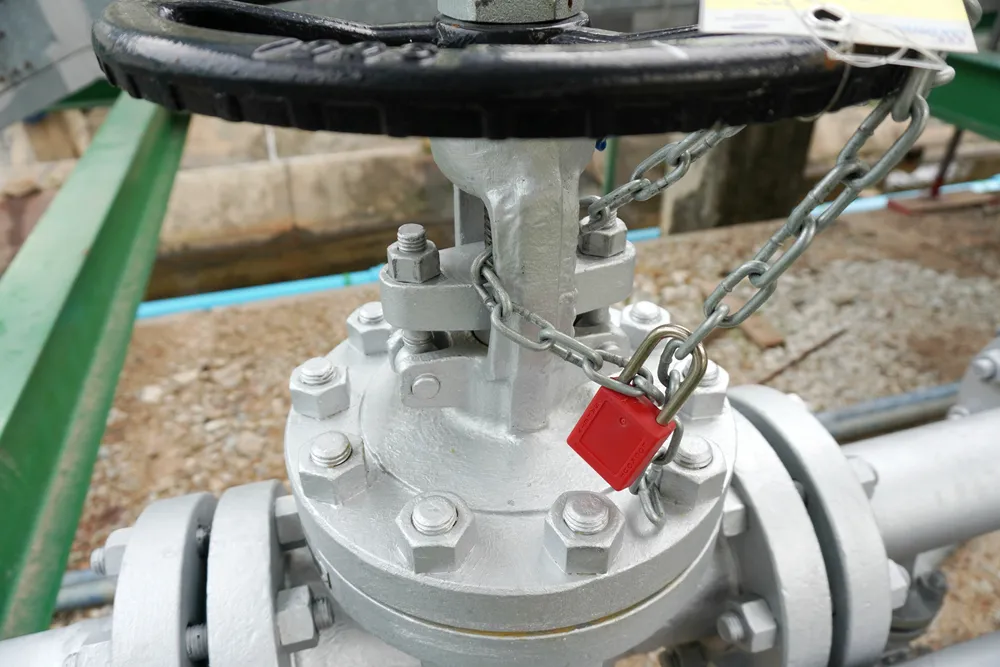
Padlocks are an essential device used in lockout/tagout procedures for hydraulic systems. These sturdy locks provide a physical barrier and prevent unauthorised access to the system, ensuring the safety of both workers and homeowners.
By securely locking out the system with a padlock, you can be confident that there will be no unexpected energisation or startup of the hydraulic system while maintenance or repairs are being performed.
This simple yet effective measure helps eliminate any potential risks and promotes a safe working environment for everyone involved.
Properly identifying and using padlocks as part of your lockout/tagout procedure is crucial. Make sure to choose durable padlocks that can withstand harsh conditions, such as exposure to weather elements or chemicals.
It’s also important to clearly label each padlock with information indicating why the system has been locked out when it was applied, and who is responsible for the lockout. This clear communication ensures that everyone in the vicinity understands the status of the hydraulic system and avoids any confusion or accidents.
Energy isolating devices
Energy isolating devices are an important component of lockout/tagout procedures for hydraulic systems. These devices help to safely shut down and isolate the energy sources in the system, protecting workers from potential hazards.
Examples of energy-isolating devices include valves, switches, and circuit breakers that can be used to control the flow of hydraulic fluid or electricity. By properly using these devices, homeowners can ensure that their hydraulic systems are securely powered off and that maintenance work can be carried out safely without any unexpected energisation or startup of the system.
Hazards of Working on Unsecured Hydraulic Systems
Working on unsecured hydraulic systems can be extremely dangerous. Unexpected movement or release of hydraulic energy can cause serious injuries or even fatalities. Equipment damage or failure is also a risk, leading to costly repairs and downtime.
Additionally, there is the danger of electrical shock when working with live hydraulic components. Read more to understand the risks involved and learn how proper lockout/tagout procedures can mitigate these hazards.
Risk of unexpected movement or release of hydraulic energy
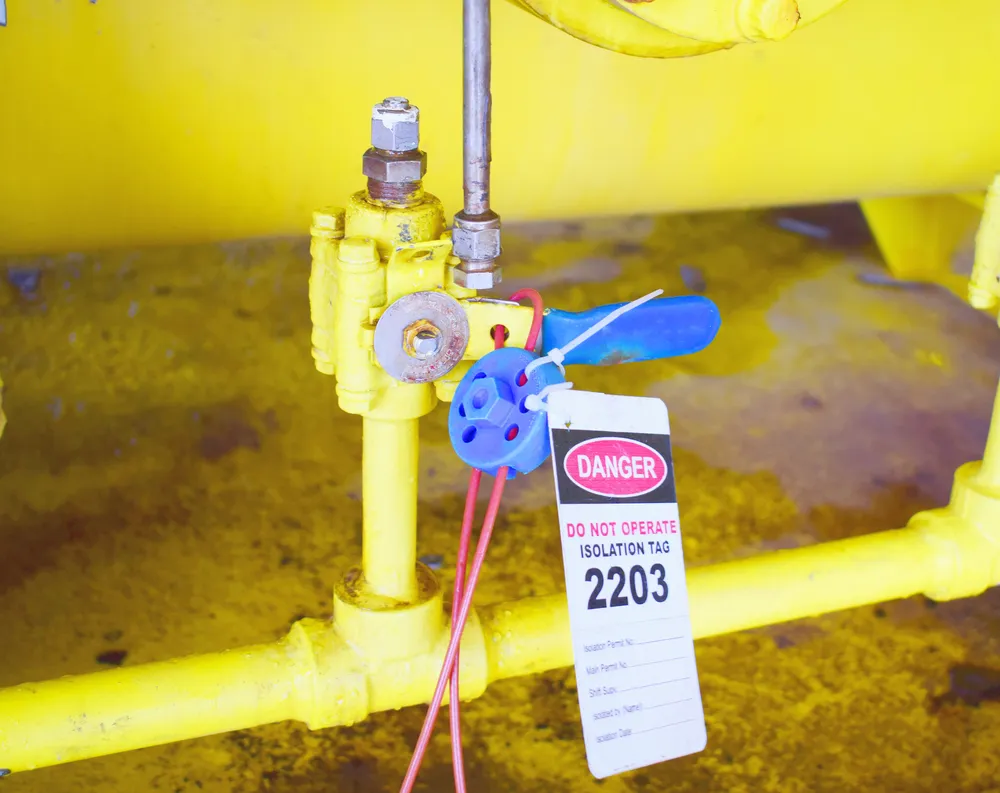
When working on hydraulic systems, there is always a risk of unexpected movement or release of hydraulic energy. This can happen if the system is not properly locked out and tagged out.
If the system is not securely shut down, it could suddenly start up, causing equipment to move unexpectedly or release dangerous levels of energy. This poses a serious safety hazard for anyone in the vicinity.
To prevent accidents and injuries, it is crucial to follow proper lockout/tagout procedures and ensure that hydraulic systems are thoroughly secured before any maintenance or service work begins.
Potential for equipment damage or failure
One important reason to follow proper tag-out procedures for hydraulic systems is to avoid the potential for equipment damage or failure. Hydraulic systems contain various components that are critical for their operation, such as pumps, valves, and cylinders.
If these components are not properly locked out and tagged out before maintenance or servicing, there is a risk of causing damage or even complete failure of the system.
When hydraulic systems are not securely locked and tagged during maintenance activities, there is a chance that accidental activation could occur. This unexpected movement can put excessive stress on certain components, leading to their malfunction or breakage.
Additionally, if the system is not properly depressurised and isolated before work begins, it can cause fluid leaks or other internal damage to key parts.
By following proper tag-out procedures for hydraulic systems, you can significantly reduce the risk of equipment damage or failure. Taking these precautions ensures that all necessary steps are taken to secure the system before any maintenance work starts.
It also helps identify potential issues beforehand so they can be addressed safely without jeopardising the overall functionality of the equipment.
The danger of electrical shock
Electrical shock is a serious danger when working with hydraulic systems. It can occur if there is a fault in the electrical components of the system or if proper safety measures are not followed.
The impact of electrical shock can range from mild discomfort to severe injury or even death. It is important for homeowners to understand and respect the risks associated with electricity when maintaining or servicing hydraulic systems.
By following proper lockout/tagout procedures, ensuring that power sources are de-energised, and using appropriate personal protective equipment, the risk of electrical shock can be minimised and everyone involved can stay safe.
Steps for Proper Lockout/Tagout Procedure
To ensure the safety of workers and prevent accidents, there are several steps that need to be followed for a proper lockout/tagout procedure in hydraulic systems.
Isolate hydraulic system
To ensure the safety of your hydraulic system, it’s important to isolate it properly before performing any maintenance or repairs. This means shutting off all power sources and making sure that no energy is running through the system.
By isolating the hydraulic system, you can prevent unexpected movement or release of hydraulic energy, reducing the risk of accidents and injuries. It’s a crucial step in following lockout/tagout procedures and ensuring compliance with safety regulations.
Remember, always prioritise your safety when working with hydraulic systems by properly isolating them before starting any work.
De-energise hydraulic energy sources
To ensure your safety when working on hydraulic systems, one important step is to de-energise the hydraulic energy sources. This means shutting off the power supply or stopping the flow of hydraulic fluid in order to eliminate any potential risks.
By de-energising the system, you prevent unexpected movement or release of hydraulic energy, reducing the risk of accidents and injuries. It is crucial to follow proper lockout/tagout procedures and use mechanical energy isolating devices to ensure that all sources of energy are effectively shut down before starting any maintenance or servicing tasks.
Remember, always prioritise your safety by de-energising hydraulic energy sources before working on a system.
Lockout and tagout equipment
To properly secure and ensure the safety of your hydraulic system, it is essential to use lockout and tagout equipment. This equipment consists of physical locks and tags that are used in conjunction with each other.
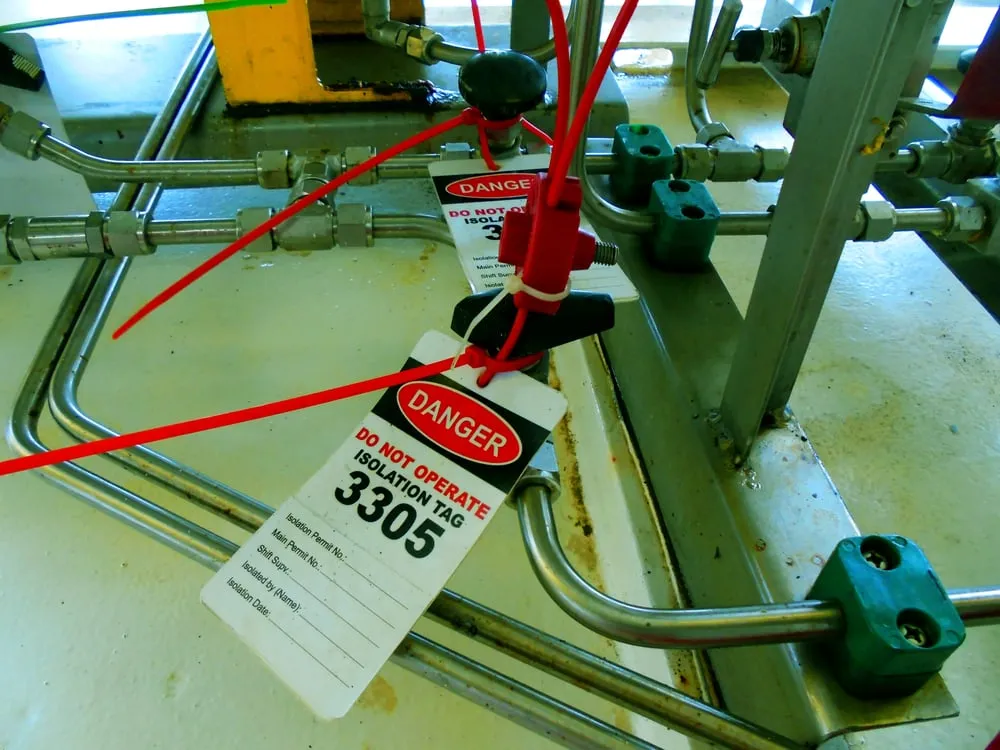
The lock is placed on the energy-isolating device to physically prevent someone from energising or starting the system. The tag provides important information about why the system has been locked out, when it was locked out, and who is responsible for the lockout.
Together, these measures help to eliminate any potential risks associated with unexpected energisation of the hydraulic system. By using lockout and tagout equipment, you can effectively communicate the status of the locked-out system to others in your household or workplace, ensuring everyone’s safety during maintenance or servicing activities.
Benefits of Effective Lockout/Tagout Procedures
Effective lockout/tagout procedures provide numerous benefits, including reduced risk of accidents and injuries, increased worker confidence and productivity, prevention of equipment damage or downtime, and compliance with safety standards and regulations.
Reduced risk of accidents and injuries
We can’t emphasise enough the importance of implementing effective lockout/tagout procedures for hydraulic systems. By properly isolating and de-energising the system, as well as using lockout devices and tags to indicate its status, we significantly reduce the risk of accidents and injuries.
This means fewer instances of unexpected movement or release of hydraulic energy, lower chances of equipment damage or failure, and a decreased danger of electrical shock. With these safety measures in place, we can prioritise the well-being and protection of everyone working on or around hydraulic systems.
Increased worker confidence and productivity
Implementing effective lockout/tagout procedures for hydraulic systems can significantly increase worker confidence and productivity. When workers know that proper safety measures are in place, they feel more secure and empowered to perform their tasks efficiently.
This sense of confidence leads to a boost in productivity as employees can focus on their work without worrying about potential accidents or injuries.
Additionally, when workers have confidence in the safety protocols for hydraulic systems, they are more likely to adhere strictly to these procedures. This adherence ensures that all necessary steps are taken to lock out and tag out the equipment properly, reducing the risk of unexpected energisation or startup of the system.
By following these established procedures consistently, workers can complete maintenance tasks effectively and efficiently, minimising downtime and maximising overall productivity.
Moreover, increased worker confidence also stems from having a clear understanding of how lockout/tagout procedures work. Proper training and education on these safety protocols enable employees to confidently implement them whenever required.
They become familiar with machine identification practices, energy isolating devices, padlock usage techniques, and other relevant aspects of the procedure. With this knowledge at hand, workers can carry out their tasks with greater assurance while maintaining a higher level of personal safety.
Prevention of equipment damage or downtime
Proper lockout/tagout procedures for hydraulic systems are essential in preventing equipment damage or downtime. By following these procedures, homeowners can ensure that their hydraulic systems are safely shut down and secured before maintenance or servicing.
This helps to eliminate the risk of unexpected energisation, which can lead to equipment failures or malfunctions. Implementing effective lockout/tagout measures not only protects the well-being of workers but also safeguards the longevity and performance of hydraulic equipment.
Compliance with safety standards and regulations
We must comply with safety standards and regulations when working on hydraulic systems to ensure the well-being of our employees. Following the proper lockout/tagout procedures is essential in preventing accidents, injuries, and unexpected energisation of hydraulic systems.
By adhering to these guidelines set by OSHA, we can maintain a safe work environment and avoid any potential risks or penalties associated with non-compliance. Safety should always be a top priority for us as homeowners.
Enhanced Safety Measures for Every Space
In conclusion, implementing effective tag-out procedures is vital for the safety of workers and compliance with safety regulations when working with hydraulic systems. By using tags in conjunction with physical lockout devices, employees can clearly communicate the status of a locked-out system and prevent unexpected energisation or startup.
These procedures help reduce the risk of accidents and injuries, increase productivity, and ensure proper maintenance and servicing of hydraulic systems.
Keep your hydraulic systems safe and your operations running smoothly with Tag Out System’s expert Tag Out procedures. Hydraulic systems are essential, and so is their safety. Take immediate action to protect your team and equipment. Contact us today to learn how our Tag Out procedures can ensure the highest level of safety and compliance for your hydraulic systems. Don’t compromise when it comes to safety – trust Tag Out System to safeguard your operations. Act now to secure your hydraulic systems and prioritise the well-being of your workforce!