
Tag Out System · 26 February 2024
Tag Out Procedures for Electrical Systems
Crikey, encountering a live wire can quickly flip a regular day on its head, and that’s something we’re all keen to avoid. Our crew has been hard at it, sifting through the nitty-gritty to arm you with the know-how needed to keep you and your mates safe from these lurking dangers.
In this yarn we’re spinning on the blog today, you’ll discover how a few straightforward steps in tagging and locking out could be all it takes to sidestep any electrical nasties at work or around the house.
Key Takeaways
- Always use lockout tagout procedures to control hazardous energy and prevent accidents when working with electrical systems; proper isolation ensures equipment stays off during maintenance or repair.
- Utilise a range of lockout tagout products like padlocks, tags, kits, and circuit breaker lockouts to adhere to safety standards, good practice keeps everyone safe from unexpected machine startups.
- Implement strong energy programmes in workplaces by combining training, software solutions, expert consultations and the right equipment for comprehensive safety protocols.
- Regularly perform corrective, preventative and predictive maintenance on electrical systems; following correct lockout tagout steps protects workers from potential harm during these operations.
- Choose reliable safety gear such as absorbent supplies for spills and eyewash stations for emergencies as part of your overall strategy to maintain a secure work environment around electricity.
Understanding Lockout Tagout Procedures
Understanding lockout tagout procedures is crucial for ensuring the safety of electrical systems. Compliance-driving products such as padlocks, tags, and kits are essential tools in this process.
Purpose and importance
We know how vital it is to control hazardous energy in the workplace, and that’s where lockout tagout procedures come into play. These steps are crucial for safeguarding us while we work on or near electrical systems.
By isolating energy sources with locks and tags, we prevent accidents and injuries by making sure machinery stays off when it needs to be. It’s all about putting a solid barrier between workers and potential danger from unexpected energisation or startup.
Our safety hinges on following these procedures every single time. They are designed to protect us from harm by ensuring that once a piece of equipment is turned off, it stays off until maintenance or repairs are safely completed.
This process isn’t just about slapping on a tag; it involves verification tests after isolation to confirm that no lurking electrical energy remains. By doing so, we create a secure environment where we can confidently carry out our tasks without fear of an electrical mishap throwing things into chaos.
Compliance-driving products
Lockout tagout compliance-driving products are crucial for ensuring workplace safety, especially in electrical systems. The use of lockout devices such as padlocks and kits, along with tags, helps to prevent accidental start-up or release of hazardous energy during maintenance or service procedures.
These products play a vital role in meeting lockout tagout standards and guidelines while safeguarding employees from potential electrical hazards.
Implementing effective compliance-driving products not only ensures regulatory adherence but also promotes a safe work environment. By utilising these lockout tagout equipment, such as padlocks and tagging systems, home and office owners can effectively prevent workplace accidents related to electrical machinery and equipment by isolating energy sources during servicing or repair activities.
Types of lockout tagout equipment (padlocks, tags, kits, etc.)
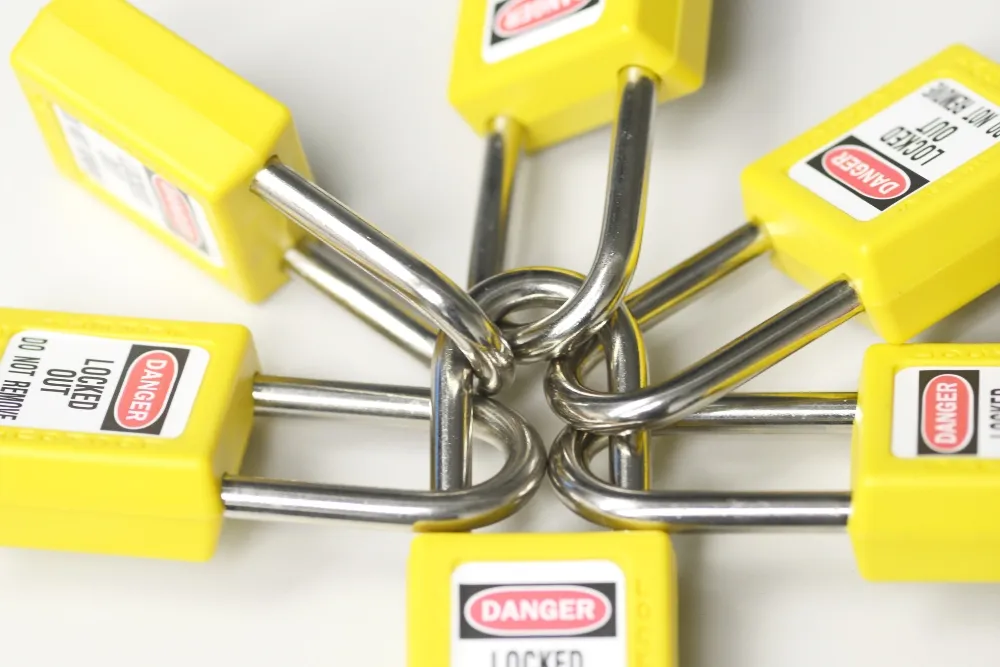
- Padlocks: These sturdy locks are used to secure energy-isolating devices in the off position, preventing the release of hazardous energy during maintenance or servicing.
- Tags: Tags provide vital information about the lockout status of equipment, machinery, or electrical circuits. They serve as a visual indicator that the machinery or equipment is locked out.
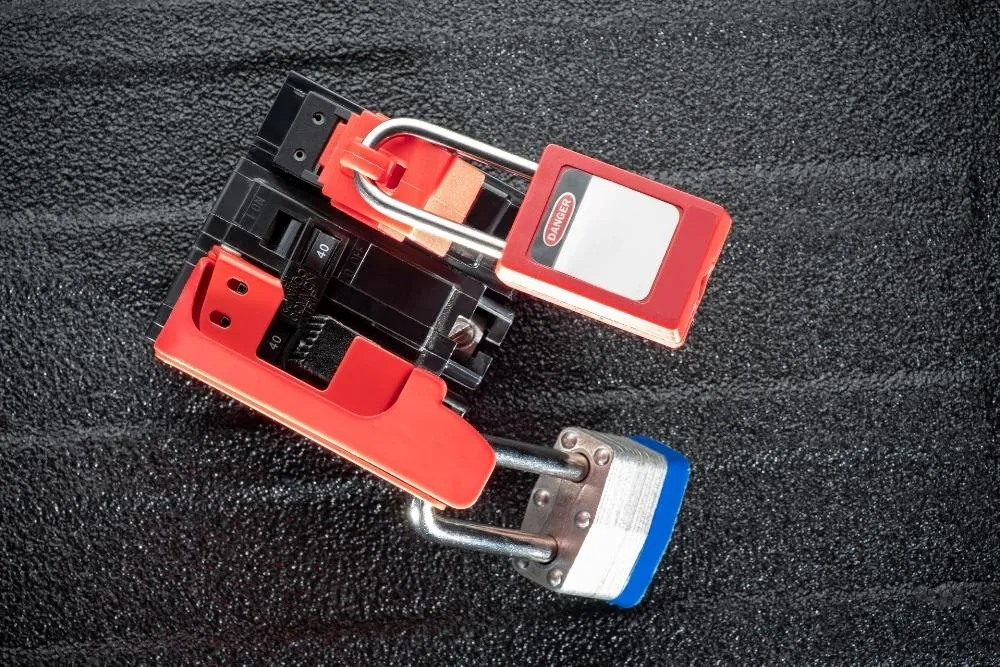
- Lockout Kits: These comprehensive kits contain a variety of lockout devices, tags, hasps, circuit breaker lockouts, and other tools needed to effectively isolate energy sources during maintenance.
- Circuit Breaker Lockouts: These devices are specifically designed to fit onto circuit breakers and prevent them from being turned on whilst maintenance work is being carried out.
- Valve Lockouts: Used to secure valve handles in an off or closed position, preventing the flow of hazardous materials and energy during maintenance or repair work.
- Cable Lockouts: These versatile devices can be used to secure multiple energy control points such as gate valves, electrical disconnect switches, and pneumatic line shut-off points.
- Hasps: Used to group multiple padlocks together to ensure that all energy-isolating devices are secured properly before maintenance work begins.
Steps of a Lockout Tagout Procedure
The steps of a lockout tagout procedure are crucial for ensuring the safety of employees and preventing accidents in the workplace. From preparing for shutdown to verifying isolation, each step plays a vital role in protecting against hazardous energy and machinery risks.
Preparing for shutdown
Before shutting down electrical systems, it is crucial to plan the process thoroughly. We need to ensure the safety of all personnel involved in the shutdown process. Identifying and notifying affected employees is a key step in preparing for the shutdown; this ensures everyone is aware of the upcoming maintenance activities.
Additionally, we should also identify any potential hazards that may arise during or after the shutdown.
Shutting down equipment according to specific lockout tagout procedures is essential for minimising risks. In conjunction with tagging out procedures, this helps prevent accidental exposure to hazardous energy from electrical equipment and machinery.
Notifying affected employees
When performing a lockout tagout procedure for electrical systems, it is essential to notify all affected employees. This critical step ensures that everyone is aware of the upcoming equipment shutdown and can prepare accordingly.
Moreover, notifying employees about the lockout tagout procedure helps prevent any accidental exposure to hazardous energy or electrical shocks during maintenance activities.
Proper communication and clear instructions are crucial for maintaining a safe work environment and preventing workplace accidents associated with working on or near electrical circuits and equipment.
Identifying hazards and procedures
When identifying hazards and procedures for electrical systems, it is crucial to assess potential risks associated with machinery and equipment. Identifying these hazards involves recognising potential sources of energy release and understanding the specific lockout tagout steps needed for each piece of equipment to ensure worker safety.
This may include inspecting electrical panels, switches, or control circuits for any potential risk factors before initiating the lockout tagout process.
Additionally, communicating these identified hazards effectively to all personnel involved in the lockout tagout procedure is vital. Clear communication ensures that everyone understands the specific procedures required for safely isolating electrical equipment.
Once hazards are identified and communicated, following established lockout tagout steps will help prevent workplace accidents when carrying out maintenance or repairs on electrical systems.
Shutting down equipment
When shutting down equipment, it is crucial to follow a systematic approach to ensure the safety of all individuals involved. Begin by informing affected employees that the machinery will be taken offline.
Next, identify any potential hazards and implement the necessary procedures for each piece of equipment being shut down. Afterwards, physically power off or de-energise the machinery as per standard protocol, ensuring all energy sources are safely isolated.
Before moving on to applying lockout tagout devices, it is important to verify that isolation has been successful through comprehensive testing methods. Once this step is completed, proceed with confidence in bringing the equipment back online while maintaining strict adherence to established safety guidelines.
Applying lockout tagout devices
When applying lockout tagout devices to electrical systems, it is crucial to use physical lockout systems in conjunction with tags. These devices ensure the safety of workers by preventing accidental exposure to hazardous energy from electrical equipment and machinery.
It is important to securely attach tags to prevent accidental detachment during use, especially for electrical systems. Additionally, after isolation is performed in a lockout tagout procedure, tests must be conducted to prove that the electrical energy has been eliminated from the circuit.
The application of lockout tagout devices involves following specific guidelines and standards set out for workplace safety. Lockout devices such as padlocks play a key role in conjunction with tags to ensure worker safety and prevent accidents related to electrical hazards.
Verifying isolation and bringing equipment back online
After applying lockout tagout devices, the next critical step is to verify isolation and bring equipment back online. This involves conducting tests to ensure that electrical energy has been completely eliminated from the circuit before proceeding with any maintenance or repair work.
Once isolation is confirmed, equipment can be safely re-energised following specific safety protocols and procedures.
Verifying isolation is a crucial aspect of the lockout tagout procedure for electrical systems as it helps prevent accidental exposure to hazardous energy. It ensures that workers are protected from potential risks when working on or near electrical circuits and machinery, promoting workplace safety and preventing accidents.
Implementing an Effective Lockout Tagout Programme
We’ll discuss the importance of a strong energy program, the services available, and resources for choosing the right equipment. Don’t miss out on this crucial information to ensure workplace safety!
Importance of a strong energy programme
Implementing a strong energy programme is crucial for upholding workplace safety and preventing accidents related to electrical systems. By adhering to a comprehensive lockout tagout procedure, the risk of unintentional exposure to hazardous energy from electrical equipment can be significantly minimised.

Proper implementation of a robust energy programme not only ensures worker safety but also safeguards against potential damage to machinery and equipment, promoting an overall efficient operational environment.
An effective energy programme provides clear guidelines in accordance with specific standards, ensuring that workers are adequately trained and equipped with the necessary resources to adhere to lockout tagout procedures.
This proactive approach ultimately contributes to creating a secure work environment where the risks associated with working on or near electrical circuits and equipment are mitigated through careful management of hazardous energy control measures.
Services, software, and products available
We have a range of services, software, and products available to assist in implementing an effective lockout tagout programme for electrical safety:
- Training Programmes: These programmes provide comprehensive education on lockout tagout procedures for electrical systems, ensuring that employees understand the importance and process.
- Safety Software: Utilise specialised software to manage and organise lockout tagout procedures, helping to streamline compliance and record-keeping.
- Lockout Tagout Kits: These kits contain all the necessary equipment, including padlocks, tags, and devices, required for properly isolating electrical systems during maintenance or repair.
- Safety Consultation Services: Seek professional guidance from safety experts who can assess workplace needs and recommend the most suitable lockout tagout products and procedures.
- Customised Procedure Guides: Create tailored lockout tagout procedure guides specific to the electrical systems in your home or office, ensuring clarity and ease of use for employees involved in the process.
- Equipment Maintenance Software: Implement software designed to schedule and track maintenance tasks on electrical systems while integrating proper lockout tagout protocols into the maintenance schedule.
- Supplier Resources: Engage with suppliers who offer a variety of lockout tagout equipment options tailored to meet the specific requirements of electrical isolation procedures.
- Safety Product Training: Access training materials for employees on how to properly use safety products such as padlocks, tags, and other devices required for effective electrical system isolation.
- Auditing Tools: Use tools or software designed to conduct regular audits of lockout tagout procedures for electrical safety compliance within your workplace environment.
- Emergency Response Systems: Invest in emergency response systems that are integrated with lockout tagout protocols to ensure swift action in case of an unforeseen incident related to electrically isolated equipment.
Resources and guides for choosing the right equipment
When selecting lockout tagout equipment for electrical systems, consider the following factors to ensure the safety and compliance of your workplace:
- Determine the specific needs of your electrical systems and identify the types of energy sources that need to be isolated, such as electrical panels, switches, or machinery.
- Research and consult relevant occupational health and safety standards and guidelines to understand the requirements for lockout tagout procedures in electrical environments.
- Evaluate the available products on the market, including lockout devices, tags, kits, and other compliance-driving products, to choose those that best suit your workplace’s needs.
- Consider seeking expert advice from suppliers or manufacturers with experience in providing lockout tagout equipment for electrical systems to ensure proper selection and implementation.
- Review case studies or success stories from similar workplaces to gain insights into effective practices and successful implementation strategies for lockout tagout procedures in electrical environments.

Electrical Maintenance and Lockout Tagout Procedure
Electrical maintenance is essential for keeping your electrical systems running smoothly. It involves corrective, preventive, and predictive measures to ensure the safety and functionality of your electrical equipment.
Proper lockout tagout procedures are crucial during electrical maintenance to prevent accidents and keep workers safe.
Types of electrical maintenance (corrective, preventive, predictive)
- Corrective Maintenance: Involves repairing or replacing faulty components or equipment after a breakdown or failure, to restore the system to its proper working condition.
- Preventive Maintenance: Focuses on regular inspections, testing, and servicing of electrical equipment to identify and address potential issues before they escalate into major problems.
- Predictive Maintenance: Utilises advanced techniques such as infrared thermography and vibration analysis to predict potential equipment failures based on early warning signs, allowing for timely intervention and preventing unexpected downtime.
Importance of proper lockout tagout procedure for electrical systems
Proper lockout tagout procedures for electrical systems are critical for ensuring workplace safety. Implementing a thorough lockout tagout programme helps protect workers from potential injuries caused by unintentional exposure to hazardous energy from electrical equipment and machinery.
By following specific guidelines and standards, such as preparing for shutdown, notifying concerned personnel, equipment de-energisation, and securely attaching tags to prevent accidental detachment during use, workplaces can effectively safeguard their employees from electrical hazards while working on or near electrical circuits and equipment.
Implementing the correct lockout tagout procedure also requires conducting tests after isolation is performed to confirm that the electrical energy has been eliminated from the circuit.
Tags should be used in conjunction with physical lockout systems to provide information about isolated equipment. Using this comprehensive approach with padlocks and tags ensures the safety of workers and prevents accidental exposure to potentially dangerous electrical situations.
Importance of following lockout tagout procedures for electrical safety
Following lockout tagout procedures for electrical safety is crucial to ensure the protection of workers from potential hazards associated with electrical systems. By following these procedures, workers can avoid unintentional exposure to hazardous energy and prevent workplace accidents.
Implementing a thorough lockout tagout programme in line with specific guidelines and standards is essential for safeguarding employees and maintaining a safe working environment.
Adhering to lockout tagout procedures involves de-energising equipment, applying lockout devices such as padlocks and tags, and conducting tests to verify isolation. It’s important to note that tags should be securely attached to prevent accidental detachment during use, especially when dealing with electrical systems.
Available products for safety procedures (absorbent supplies, eyewash stations, etc.)
When it comes to safety procedures, it’s essential for homeowners and office owners to have the right products on hand. Ensuring a safe environment means being prepared with the following supplies:
- Absorbent Supplies: These are crucial for quickly cleaning up spills or leaks that may occur, especially in areas where electrical equipment is present. Having absorbent pads or pillows readily available can help prevent accidents and maintain a safe workspace.
- Eyewash Stations: In the event of an accident involving exposure to hazardous materials or substances, eyewash stations are vital for providing immediate and accessible decontamination. These stations should be strategically located in areas where there is a risk of eye exposure to chemicals or other harmful agents.
- Personal Protective Equipment (PPE): This includes items such as gloves, goggles, and clothing designed to protect against electrical hazards. It’s important that all employees have access to appropriate PPE and understand its proper usage.
- First Aid Kits: A well-stocked first aid kit is indispensable in any workplace, particularly where there is a risk of injury due to electrical equipment or machinery. The kit should contain basic medical supplies and be easily accessible to all employees.
- Fire Extinguishers: In the event of an electrical fire, having fire extinguishers readily available can prevent small fires from escalating into larger emergencies.
Contact information for support and resources.
After ensuring the availability of safety products such as absorbent supplies and eyewash stations, it is crucial to have access to support and resources for implementing and maintaining lockout tagout procedures in electrical systems.
To ensure the safe operation of equipment, it’s essential to have contact information readily available for obtaining expert advice, training services, and compliance tools. This includes reaching out to occupational health and safety consultants or contacting industry-specific organisations that provide guidance on establishing effective lockout tagout programs.
Additionally, connecting with suppliers of lockout devices and energy isolation products can offer valuable assistance in selecting suitable equipment for electrical maintenance guidelines.
Seeking support from these resources will help maintain a robust lockout tagout program to safeguard workers from electrical hazards.
For home or office owners looking to establish an effective lockout tagout program, accessing comprehensive educational materials such as manuals, webinars, or workshops plays a pivotal role in promoting workplace safety.
Tagout Mastery – Your Space’s Safety Upgrade!
Following proper lockout tagout procedures is crucial in ensuring the safety of workers and preventing accidents when working on electrical systems. It is important to utilise available safety products and resources to support a strong energy programme and protect employees from potential hazards.
Electrical safety is paramount in any workplace. Ensure the protection of your personnel and equipment with Tag Out System’s comprehensive procedures for electrical systems. From clear labelling to meticulous isolation protocols, our tag-out solutions guarantee a secure working environment. Don’t compromise on safety – implement Tag Out System’s procedures for electrical systems today. Contact Us Now!