
LockOut Equipment · 26 September 2023
Tag Out Procedures for Electrical Equipment
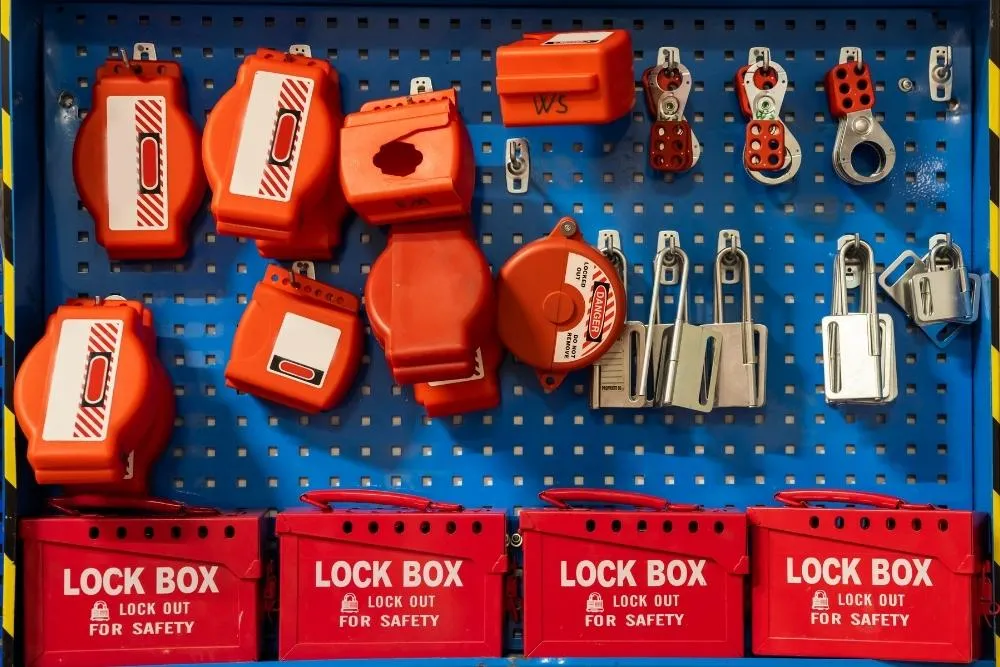
Ever found yourself scratching your head, trying to figure out the proper way to safely shut down and isolate electrical gear? Well, mate, you’re not on your own. We’ve grappled with this potentially baffling topic too, and we discovered that using lockout-tagout procedures significantly lowers the risk of mishaps involving electrical equipment.
Would you believe OSHA data suggests it could stop up to 50,000 injuries per year? In this blog post, we’ll walk you through a step-by-step guide on how to tag out procedures for electrical kits.
Key Takeaways
- Tag-out procedures are essential for ensuring the safety of workers when dealing with electrical equipment.
- These procedures involve attaching information tags on isolated equipment to indicate that it should not be operated.
- Lockout devices, such as lockout hasps and circuit breaker locks, are used in conjunction with tagging to effectively isolate energy sources.
- Following tag-out procedures can help prevent accidents, injuries, and fatalities caused by unexpected activation of electrical equipment.
Importance of Lock-Out and Tag-Out Procedures
Lock-Out and Tag-Out procedures are crucial for ensuring the safety of individuals working with electrical equipment. These procedures help to prevent accidents, injuries, and even fatalities by effectively isolating energy sources and minimising risks.
Summary
Understanding the tag-out procedure for electrical equipment is crucial to maintaining safety in our homes. This process works hand-in-hand with lockout procedures to ensure equipment isolation.
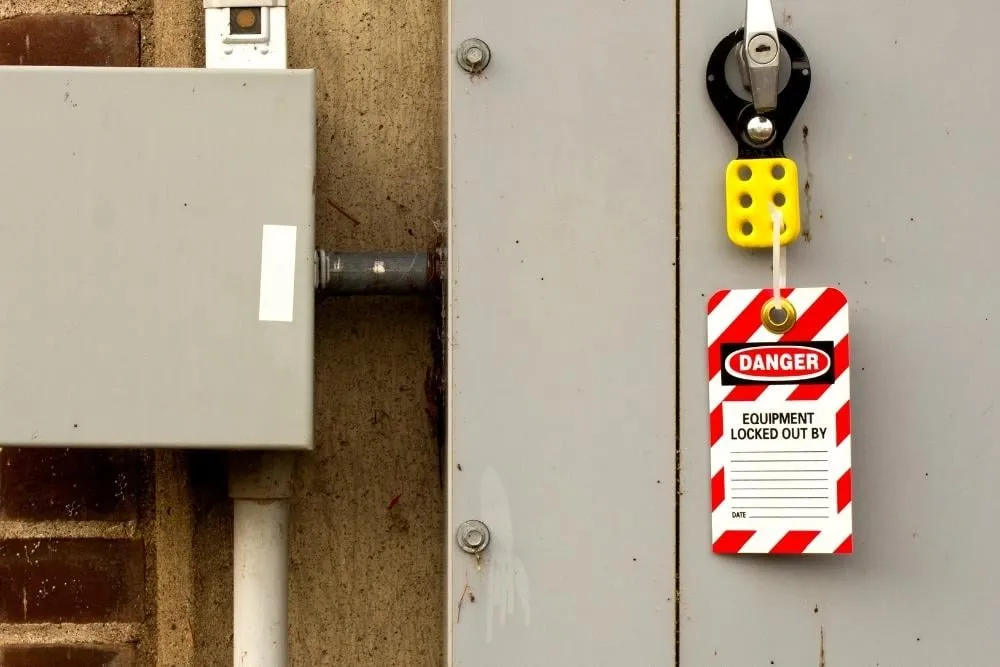
During the procedure, an information tag is attached prominently to the isolated apparatus signalling that it’s out of bounds for operation. As a golden rule, only the individual who has placed this warning can remove it – this guarantees everyone knows about its current status and acts accordingly.
It’s not just all tags and locks though; sometimes we encounter non-conclusive test results after disconnecting the power supply from installations or parts, necessitating live work for testing purposes.
We also need to consider durable, easily identifiable lockout devices – as per OSHA standards – are mandatory in every workplace setup dealing with machinery or where there might be a risk of electrical hazards.
Scope
Lockout and tagout procedures are essential for ensuring the safety of both workers and homeowners when it comes to electrical equipment. The scope of these procedures includes a comprehensive set of steps that need to be followed to properly shut down, isolate, and de-energise the equipment.
This ensures that all energy sources are identified and effectively controlled before any maintenance or repair work is carried out. By using lockout devices and tags, homeowners can clearly indicate that the equipment is isolated and should not be operated until the necessary work has been completed.
Compliance with lockout tagout standards helps prevent accidents or injuries caused by unexpected operation of electrical machinery while also promoting a safe working environment for everyone involved.
Definitions
In order to fully understand the lockout and tagout procedures for electrical equipment, it is important to be familiar with some key definitions. Firstly, the tag-out procedure refers to the process of attaching an information tag to the equipment, indicating that it has been isolated and should not be operated.
This tag can only be removed by the person who placed it, ensuring they are aware of the equipment’s status. Lockout procedures involve physically shutting off and securing dangerous equipment to prevent accidental operation during maintenance or repairs.
Both of these procedures are crucial for ensuring worker safety and preventing accidents caused by unexpected equipment activation.
Policy/Regulation
Our lockout tagout procedures for electrical equipment are not just good practices, they are also required by policy and regulation. These policies exist to ensure the safety of workers like us when working with electrical equipment.
By following these procedures, we can prevent accidents and injuries caused by unexpected operation of the equipment. It’s important to remember that employers have a legal responsibility to provide durable, standardised lockout tagout devices that are easily identifiable.
So let’s make sure we’re following these policies and using the right equipment to keep ourselves safe while working around electrical hazards.
Roles and Responsibilities
We all have a role to play in ensuring the safety of electrical equipment. As homeowners, it’s important for us to understand our responsibilities when it comes to lockout and tagout procedures.
Firstly, we need to be aware of the importance of these procedures in preventing accidents and injuries. Secondly, we must follow any policies or regulations set out by relevant authorities.
This includes properly shutting down the equipment before any work is carried out and identifying energy sources and hazards associated with it. Next, we should isolate energy sources and de-energise stored energies to make sure that the equipment is completely safe to work on.
We also need to test for effective isolation before starting any maintenance or repair tasks. Finally, once the work is completed, we should ensure that everything is properly locked out and tagged so that no one mistakenly starts up the equipment again.
Steps for Lock-Out and Tag-Out Procedures
The steps for lock-out and tag-out procedures include shutting down the equipment, identifying energy sources and hazards, isolating energy sources, de-energising stored energies, testing for effective isolation, and completing the work.
Shutdown the equipment
To ensure safety when working with electrical equipment, it is crucial to properly shut down the equipment. This involves turning off the power supply and stopping any moving parts or processes.
By doing this, you eliminate the risk of accidental activation while performing maintenance or repairs. Remember, before starting any work on electrical equipment, always make sure to shut it down completely to avoid potential hazards and accidents.
Identify energy sources and hazards
We must first identify the energy sources and hazards associated with electrical equipment. This involves understanding where the energy comes from, such as power lines or batteries, and recognising potential dangers like electrical shocks or fires.
It’s crucial to be aware of these risks before performing any maintenance or repair work on electrical equipment. By identifying energy sources and hazards, we can take necessary precautions to ensure our safety and prevent accidents when working with electrical equipment in our homes.
Isolate energy sources
To ensure the safety of electrical equipment, it is crucial to isolate energy sources during lockout and tagout procedures. This means cutting off the power supply from the equipment to prevent any unexpected operation.
By isolating energy sources, we eliminate the risk of electric shock or injury while performing maintenance or repairs. It’s important to remember that non-conclusive test results can occur if the electrical supply is disconnected, requiring live work for testing purposes.
So always make sure to follow proper isolation procedures and use lockout tagout systems to keep yourself and others safe.
De-energise stored energies
To ensure the safety of everyone involved, it is crucial to de-energise stored energies in electrical equipment when performing maintenance or repair work. This step is essential as it prevents any residual energy from causing harm or unexpected operation of the equipment.
By following proper lockout and tagout procedures, you can effectively shut off the power supply and discharge any stored energies, such as gravity-driven parts or capacitors.
Remember, before starting any work on electrical equipment, make sure to shut it down completely. Then identify all potential energy sources and hazards associated with the equipment.
Isolate these energy sources by disconnecting them from their power source or using appropriate isolation methods like switches or valves.
Once isolated, you must de-energise any stored energies present in the equipment. This involves discharging any mechanical forces like springs or removing charge from capacitors. Testing for effective isolation is vital to ensure no energy remains that could potentially cause accidents later on.
Testing for effective isolation
To ensure that electrical equipment is properly isolated and safe to work on, testing for effective isolation is a crucial step. This involves checking that all energy sources have been successfully shut off and that there are no remaining hazards.
By conducting these tests, you can verify that the equipment is truly de-energised and ready for maintenance or repair work. It’s important to remember that even after isolating the equipment, it should still be treated as if it were live until the testing confirms otherwise.
Always follow proper procedures and use appropriate tools to verify effective isolation before starting any work.
Completing the work
Once the necessary maintenance or repair work has been carried out on electrical equipment, it is crucial to follow proper procedures for completing the job. This involves removing all tools, cleaning up any debris or waste materials, and ensuring that everything is in order before reactivating the equipment.
It may also include conducting a final inspection to verify that all lockout and tagout devices have been properly removed. By diligently following these steps, we can ensure that the equipment is ready for safe operation once again and minimise any potential risks or hazards.
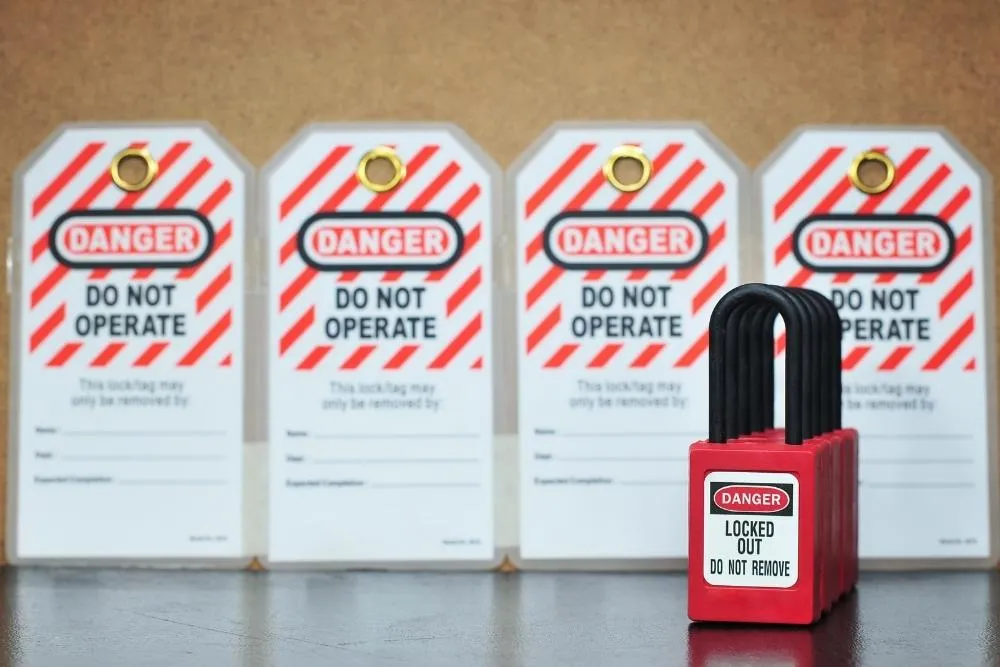
Lockout Devices and Tagging
Lockout devices are essential tools for ensuring electrical equipment is safely shut down, while tagging provides clear identification of who is authorised to work on the equipment.
Different types of lockout devices are available, including lockout hasps, circuit breaker locks, and valve lockouts. Each device serves a specific purpose in effectively isolating energy sources.
These devices should be used according to Australian regulations and guidelines to prevent accidents and injuries during maintenance or repair work.
Types of lockout devices
There are various types of lockout devices that can be used to effectively isolate electrical equipment. One common type is the lockout hasp, which allows multiple workers to secure their own padlock onto the device.
This ensures that each worker has control over the release of energy and prevents accidental activation. Another option is a circuit breaker lockout, specifically designed to fit over circuit breakers and prevent them from being turned on.
Additionally, there are valve lockouts for isolating valves, plug and switch lockouts for electrical plugs and switches, as well as cable locks for securing power cords in an off position.
These different types of lockout devices provide flexibility in ensuring the safe isolation of electrical equipment during maintenance or repair work.
When using these lockout devices, it’s important to remember that each worker should have their individual padlock or identifier attached to ensure personal accountability. Additionally, all locks should be clearly labelled with identification information so that they can be easily identified by other workers if necessary.
One person, one lock
In order to ensure maximum safety when performing lock-out and tag-out procedures, it is essential that each individual involved uses their own lock. This means that for every piece of equipment being worked on, there should be only one person responsible for locking it out.
By implementing the “one person, one lock” rule, we can minimise the risk of accidental energisation or unauthorised operation of electrical equipment during maintenance or repair work.
This simple yet effective practice helps to prevent accidents and injuries by clearly assigning responsibility and ensuring clear communication among workers. So remember, always use your own lock when performing lockout and tagout procedures to keep yourself and others safe.
One lock, one key
We follow a strict policy of using one lock and one key for our lockout and tagout procedures. This means that only one person will have the responsibility and authority to remove the lock and operate the equipment.
By having this system in place, we ensure that there is no confusion or accidental re-energisation of the electrical equipment while maintenance or repair work is being done. It’s a simple but effective way to maintain safety and prevent any unexpected incidents from occurring.
Training and Competency
In this section, we will discuss the importance of training and competency when it comes to lock-out and tag-out procedures for electrical equipment. It is crucial that authorised employees receive proper training on how to safely perform these procedures, while affected employees should be aware of potential hazards and understand their role in ensuring safety.
Stay tuned to learn more about the necessary training and competency requirements for a successful lock-out and tag-out program.
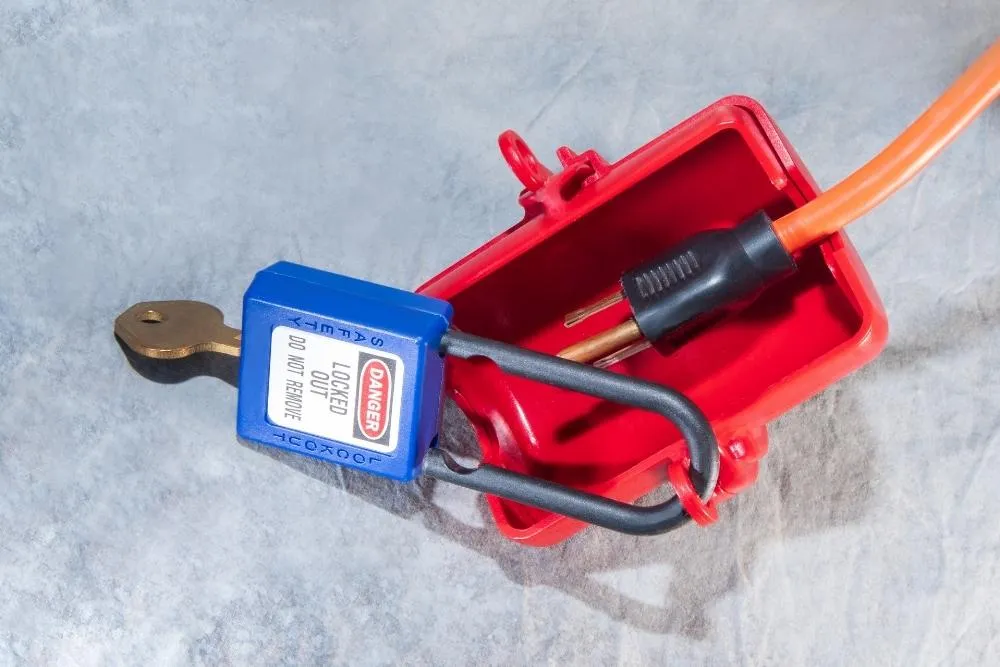
Authorised employees
Authorised employees play a crucial role in the lockout and tagout procedures for electrical equipment. These individuals are trained and have the necessary knowledge and skills to safely isolate and de-energise the equipment before maintenance or repair work can begin.
They are responsible for following the specific steps outlined in the lockout/tagout procedure, which includes shutting down the equipment, identifying energy sources and hazards, isolating energy sources, de-energising stored energies, testing for effective isolation, and completing the work.
Their expertise ensures that all safety protocols are followed correctly, reducing the risk of accidents or injuries related to electrical equipment operations. By entrusting authorised employees with this important task, homeowners can have peace of mind knowing that their electrical systems will be handled safely and efficiently.
In addition to authorised employees, there are also affected employees who should be aware of lockout/tagout procedures. Affected employees may not directly perform these tasks but need to understand why certain equipment is shut down or isolated during maintenance or repair work.
Their cooperation is essential in maintaining a safe working environment during these activities. Retraining programs ensure both authorised and affected employees stay up-to-date with new regulations or changes in procedures so they can continue performing their roles effectively.
Affected employees
Affected employees play a crucial role in the implementation of lockout and tagout procedures for electrical equipment. They are the individuals who work in close proximity to or may be affected by the isolation process.
These employees must understand and follow safety protocols, including recognising and respecting equipment that is locked out and tagged out. By doing so, they contribute to creating a safer work environment for themselves and their colleagues.
Additionally, affected employees should report any concerns or violations related to lockout and tagout procedures to their supervisors immediately.
Retraining and additional training
We understand that safety is a top priority when it comes to electrical equipment in your home. That’s why retraining and additional training are crucial aspects of lockout and tagout procedures.
Regular retraining ensures that employees stay up-to-date with the latest safety protocols and guidelines. It helps reinforce their knowledge of identifying energy sources, isolating them effectively, de-energising stored energies, and testing for successful isolation.
By providing additional training, employers ensure that workers have the necessary skills to perform lockout and tagout procedures correctly. This ongoing education plays a vital role in preventing accidents or injuries caused by unexpected equipment operations.
Enhancing Efficiency in Your Space with Tags
In conclusion, tag-out procedures are a crucial part of ensuring the safety of workers and preventing accidents involving electrical equipment. By implementing lockout and tagout systems, employers can effectively isolate and label equipment to prevent it from being operated during maintenance or repair work.
It is important for all employees to be trained on these procedures and understand their roles in keeping the workplace safe. Don’t underestimate the importance of tag-out procedures – they could save lives.
Safeguard your team, and secure your workplace! Implement effective Tag Out Procedures for Electrical Equipment with Tag Out System. Don’t let electrical hazards pose a threat – take action now. Contact us for expert guidance on developing and executing precise Tag Out procedures tailored to electrical equipment. Trust Tag Out System to be your partner in enhancing workplace safety. Don’t wait for electrical incidents to occur – reach out now and ensure your team is well-versed in Tag Out procedures for electrical equipment. Act today for an electrically secure work environment. Contact us now!