
LockOut Equipment · 7 September 2023
Tag Out Procedures for Chemical Handling

Ever found yourself scratching your head about how to deal with hazardous chemical equipment safely? We know, mate – it can be a real head-scratcher. But fear not; recent data has shown that accidents have dropped significantly thanks to the implementation of lockout/tagout procedures, specifically tag-out procedures for handling chemicals.
To get you up to speed on these lifesaving safety measures – and trust us, they’re crucial if we want to reduce workplace mishaps and stay in line with industry regulations – we’re going to walk you through an easy-to-grasp guide.
Key Takeaways
- Tag-out procedures are essential for ensuring the safe handling of hazardous chemicals in chemical plants.
- Lockout/tagout procedures help prevent accidents by effectively shutting down and isolating machinery during maintenance or servicing activities.
- Effective communication, proper training, deactivating and isolating systems, releasing stored energy, and following protocols for shift changes and operation changes are key steps in successful lockout/tagout procedures for chemical handling.
Understanding Lockout/Tagout Procedures
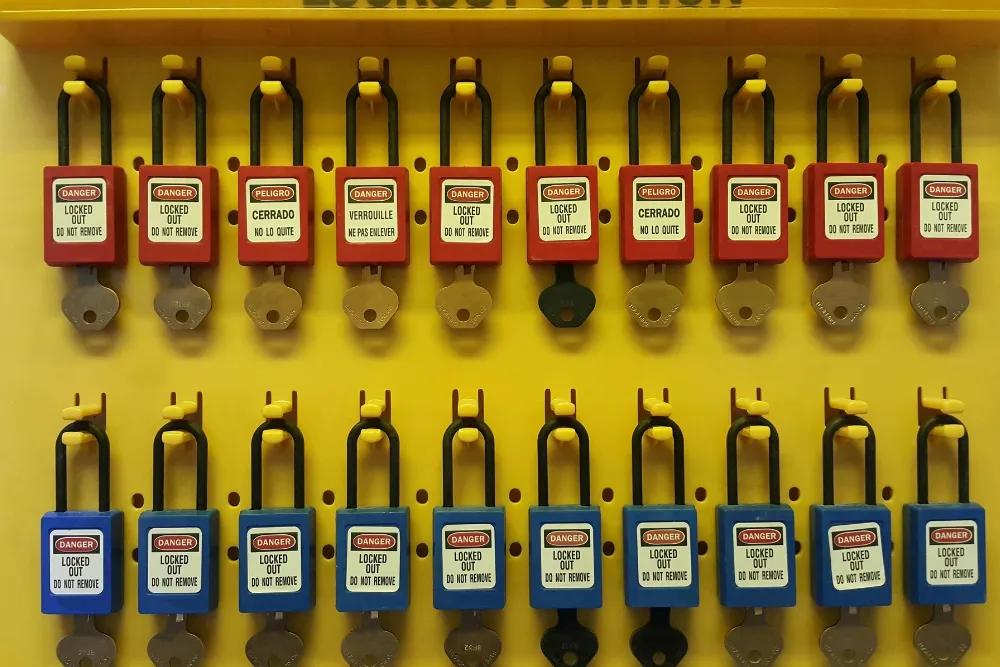
Lockout/Tagout procedures are vital in chemical plants as they help prevent accidents and ensure the safe handling of hazardous energy.
Purpose and importance of LOTO
Lockout/Tagout (LOTO) serves a pivotal role in providing a safe work environment, particularly in chemical handling. It’s designed to prevent unwanted startup of equipment and the accidental release of hazardous energy.
LOTO procedures ensure that machinery is effectively shut down and completely isolated, eliminating potential risks during maintenance or servicing activities. In many instances, it becomes the barrier between workers and accidents waiting to happen.
Implementing LOTO isn’t merely good practice; it’s a legal requirement under health and safety regulations too. This way, we’re not only protecting lives but also staying compliant with laws set to safeguard us at our workplace.
Differences in LOTO for chemical plants
Lockout/tagout procedures (LOTO) are essential for ensuring safety in chemical plants. However, there are some key differences when it comes to implementing LOTO in these environments.
One major difference is the type of hazardous energy that needs to be controlled. Chemical plants often deal with a wide range of hazardous materials and processes, such as pressurised systems, toxic substances, and flammable materials.
This means that extra precautions need to be taken during the lockout/tagout process to ensure that all potential hazards are properly addressed and controlled. Additionally, chemical plants may have specialised equipment or unique energy sources that require specific lockout/tagout procedures tailored to their operations.
Types of hazardous energy
Different types of hazardous energy can be present in chemical handling processes. These include electrical energy, mechanical energy, thermal energy, and potential energy. Electrical energy refers to the power running through wires and circuits, while mechanical energy is associated with moving parts and equipment.
Thermal energy involves heat sources such as steam or hot surfaces. Lastly, potential energy encompasses stored forces like pressure from compressed gases or springs. It’s important to understand these different forms of hazardous energy in order to properly identify and control them during lockout/tagout procedures for chemical handling safety.
Steps for Successful Lockout/Tagout Procedures
In order to ensure successful lockout/tagout procedures, workers must receive proper training, effectively communicate with each other, deactivate and isolate the system, release stored energy, understand their responsibilities as authorised workers, and follow protocols for shift changes and operation changes.
Proper training for workers
Proper training for workers is essential to ensure their safety and the effectiveness of lockout/tagout procedures in chemical handling. By providing comprehensive training, workers will be equipped with the knowledge and skills needed to understand the potential hazards associated with their work environment.
This includes recognising different types of hazardous energy, understanding how to properly deactivate and isolate equipment, and knowing their responsibilities as authorised workers.
Training programs also cover protocols for shift changes and operation changes, ensuring that all employees are on the same page when it comes to maintaining a safe working environment.
Effective communication
We communicate with our team members to ensure that everyone is on the same page during lockout/tagout procedures for chemical handling. Clear and concise communication is essential to prevent accidents and maintain a safe working environment.
We make sure that all workers receive proper training on the lockout/tagout process and understand their roles and responsibilities. This includes conveying important information about equipment deactivation, energy source isolation, and potential hazards associated with the job.
By effectively communicating throughout every step of the procedure, we can minimise risks, protect ourselves and our colleagues, and comply with safety regulations set by OSHA.
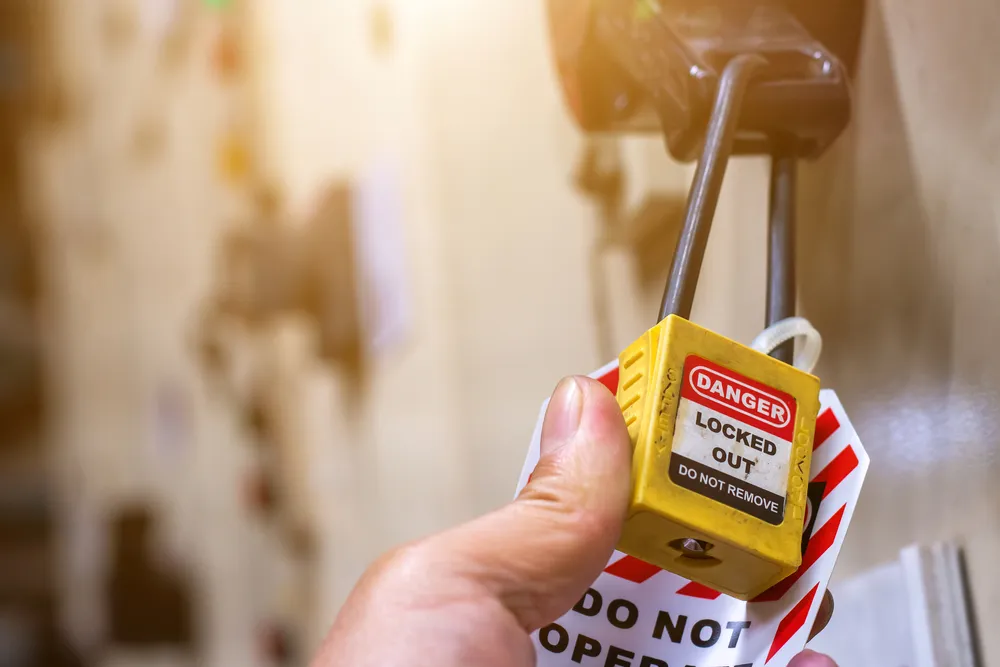
In addition to verbal communication, we also use clear tagging and labelling systems as part of effective communication during lockout/tagout procedures. Tags are securely attached to lockout points to indicate that equipment isolation is in place and should not be operated.
These tags include instructions such as “Do Not Operate” or “Danger: Lock Out.” They provide visual cues for anyone approaching the machinery, warning them not to start or manipulate it until authorised personnel have completed their tasks.
Communication between workers is crucial in ensuring everyone’s safety during these procedures, preventing unintentional exposure to hazardous energy sources in chemical handling environments.
By following these practices, we prioritise effective communication within our team when implementing lockout/tagout procedures for chemical handling. This helps us create a safe work environment where everyone understands their role, potential risks are minimised through clear instructions on tags/labels, and compliance with safety regulations becomes second nature making it easier to keep ourselves protected from workplace accidents related to hazardous energy release.
Deactivating and isolating the system
To ensure safety during chemical handling, it is essential to properly deactivate and isolate the system. This involves shutting down the equipment and isolating it from its energy source.
By doing so, we prevent any accidental startup or release of hazardous energy that could put workers at risk. Deactivating and isolating the system is a crucial step in our lockout/tagout procedure for chemical handling, as it helps protect both workers and equipment.
We follow clear instructions to safely shut down the system and make sure it is completely isolated before moving forward with other necessary steps.

Releasing stored energy
To safely handle chemicals, it is crucial to release any stored energy before performing maintenance or repairs. This step is essential in preventing accidents and ensuring the safety of workers.
The stored energy can be released by following proper procedures, such as turning off power sources and bleeding pressure from equipment. By releasing stored energy, we minimise the risk of unexpected movement or release of hazardous substances, protecting ourselves and our environment.
So always remember to take this important step before working with chemicals.
Responsibilities of authorised workers
Authorised workers play a crucial role in ensuring the safety of everyone involved in chemical handling. They are responsible for following proper lockout/tagout procedures to prevent accidents and protect against hazardous energy release.
These workers have the responsibility to undergo thorough training, communicate effectively with their colleagues, deactivate and isolate equipment properly, release any stored energy safely, and ensure that all necessary lockouts and tags are in place before starting work.
By fulfilling these responsibilities, authorised workers contribute significantly to maintaining a safe working environment during chemical handling operations.
Protocols for shift changes and operation changes
During shift changes and operation changes in chemical handling, it is crucial to follow specific protocols to ensure a smooth transition and maintain safety. First, authorised workers must communicate effectively with each other about the status of equipment and any ongoing procedures.
This helps prevent confusion or misunderstandings that could lead to accidents.
Furthermore, before leaving their shift, workers should properly hand over responsibilities and provide detailed information about any ongoing lockout/tagout procedures or potential hazards.
This includes sharing important details such as the location of locked-out equipment, energy source isolations, and any special instructions for deactivating or restarting systems.
By following these protocols during shift changes and operation changes, we can help maintain a safe working environment and prevent incidents that could result from inadequate communication or improper equipment handling.
Benefits of Lockout/Tagout Procedures
Lockout/Tagout procedures offer numerous benefits, including ensuring the safety of workers and preventing accidents, complying with regulations, and protecting both workers and equipment.
Ensuring safety and preventing accidents
Our top priority in chemical handling is safety. We take every necessary precaution to prevent accidents and protect our workers. Tag-out procedures play a crucial role in ensuring safety by clearly indicating that equipment isolation is in place and should not be operated.
By using tags, we communicate the importance of lockout procedures and prevent accidental startup or release of hazardous energy. Tagging out systems helps us maintain a safe working environment, safeguarding both our employees and the machinery they work with.
Our commitment to following tag-out procedures ensures that everyone stays safe and accidents are prevented at all times.
Compliance with regulations
Complying with regulations is of utmost importance when it comes to tag-out procedures in chemical handling. Following these regulations ensures the safety of workers and prevents accidents.
By adhering to lockout/tagout guidelines, you are not only protecting yourself but also avoiding penalties and fines for non-compliance. It’s crucial to familiarise yourself with OSHA’s Lockout/Tagout Fact Sheet, which provides valuable information on implementing these procedures effectively.
Remember, compliance with regulations is a key step towards creating a safe environment for everyone involved in chemical handling.
Protection of workers and equipment
Our tag-out procedures play a vital role in protecting both workers and equipment during chemical handling. By clearly communicating that equipment isolation is in place, these procedures help prevent unintentional exposure to hazardous energy.
This ensures the safety of workers who may be working near or with machinery, reducing the risk of accidents and injuries. Additionally, by implementing tag-out procedures, we can safeguard our valuable equipment from damage caused by unauthorised operation or startup.
Compliance with health and safety regulations is also ensured through these measures, providing peace of mind for homeowners when it comes to workplace safety.
Best Practices for Lockout/Tagout Procedures in Chemical Handling
In chemical handling, it is essential to follow these best practices for effective lockout/tagout procedures: clear tagging and labelling, secure attachment of tags to lockout points, communication and coordination between workers, and regular review and updating of procedures.
Clear tagging and labelling
Clear tagging and labelling are crucial aspects of lockout/tagout procedures for safe chemical handling. By clearly marking equipment and machinery with tags, workers can easily identify which systems are locked out and should not be operated.
The tags provide important information about the status of the equipment, such as whether it is undergoing maintenance or repair. This helps to prevent accidental startup or release of hazardous energy, ensuring the safety of both workers and equipment.
Clear labelling also aids in effective communication between workers, allowing them to quickly understand the state of each system and avoid potential hazards. Regular review and updating of tagging and labelling procedures is essential to ensure their accuracy and effectiveness in preventing accidents during chemical handling activities.
Secure attachment of tags to lockout points
We must ensure that tags are securely attached to lockout points during the tag-out procedure. This is important because it helps clearly communicate to workers and employees that equipment isolation is in place and should not be operated.
The tags serve as a visible reminder that the equipment is undergoing maintenance or repair, preventing accidental startup or release of hazardous energy. By securely attaching the tags to lockout points, we can enhance safety measures and reduce the risk of accidents during chemical handling.
Communication and coordination between workers
Effective communication and coordination between workers are crucial in ensuring the success of lockout/tagout procedures for chemical handling. By maintaining clear and open lines of communication, workers can stay informed about the status of equipment isolation and any potential hazards that may arise during the process.
During lockout/tagout procedures, it is important for all workers involved to communicate their actions and intentions to ensure everyone’s safety. This includes clearly communicating when equipment has been shut down, isolated from its energy source, and locked out with appropriate tags.
Workers should also coordinate their efforts to avoid any confusion or miscommunication that could lead to accidents or injuries.
Regular review and updating of procedures
Regularly reviewing and updating lockout/tagout procedures is crucial for maintaining a safe working environment in chemical handling. By regularly reviewing the procedures, we can identify any potential improvements or changes that need to be made in order to ensure maximum safety.
This includes staying up-to-date with any new regulations or guidelines that may have been introduced. Regular updates also help to address any issues or concerns that have been identified during the implementation of the procedures.
By continually improving and updating our lockout/tagout procedures, we can ensure that we are providing the safest possible work environment for everyone involved in chemical handling operations.
Customised Tagging Solutions for Your Space
In conclusion, implementing effective tag-out procedures is crucial for ensuring the safety of workers and preventing accidents in chemical handling. By clearly communicating equipment isolation and following the lockout/tagout process, we can protect employees from unintentional exposure to hazardous energy.
Remember to regularly review and update procedures to maintain a safe working environment. Stay compliant with regulations and prioritise workplace safety through proper training and communication.
Safety first! Protect your team from chemical hazards with our comprehensive Tag Out Procedures for Chemical Handling. Don’t compromise on safety protocols. Implement our expertly designed procedures today and ensure a secure work environment. Contact Tag Out System now to safeguard your team and your workplace.