
Tag Out System · 21 February 2024
Tag Out in Maintenance and Repair Scenarios
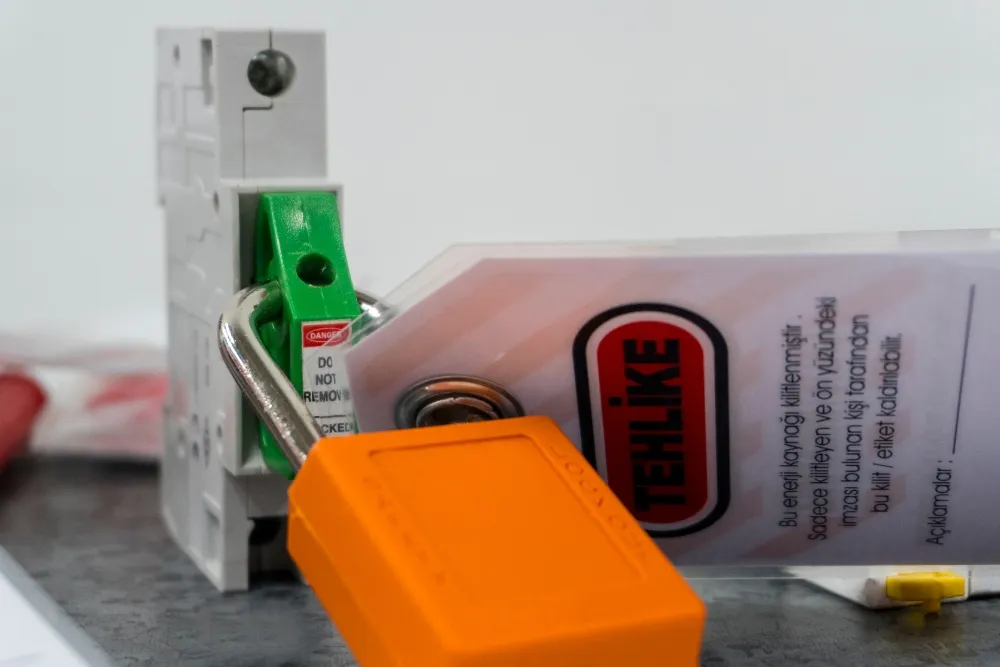
Ever found yourself knee-deep in a fix-up job and suddenly thought, “Crikey, it’d be a right disaster if the power came on now”? You’re not alone, mate. That’s why around here we reckon lockout and tag-out procedures are fair dinkum crucial.
With our down-to-earth guide, you’ll become a whiz at putting these lifesavers into practice – keeping your team and gear out of strife when tinkering about with maintenance or repairs.
Key Takeaways
- Tag Out is a safety process where tags are placed on machinery to show it’s not to be used, which helps prevent accidents during repairs.
- OSHA has strict rules for Lockout Tagout to keep workers safe; not following these can lead to big fines.
- Workers need the right training and clear instructions when using tag out, especially if there’s more than one energy source or lots of people involved.
What is Tag Out?
Tag Out refers to the process of placing a tag on an energy-isolating device to indicate that it should not be operated. This is crucial for ensuring workplace safety and preventing accidents during maintenance and repair work.
Tag Out differs from Lock Out, as it only identifies the equipment as being out of service, without actually physically isolating it. It is commonly used in machine guarding scenarios to prevent accidental energisation while maintenance or repair work is being carried out.
Importance in safety
We take safety seriously, especially during maintenance and repair scenarios. Tag Out is a safeguard for us all; it’s how we prevent accidental equipment start-ups that could result in injury or worse.
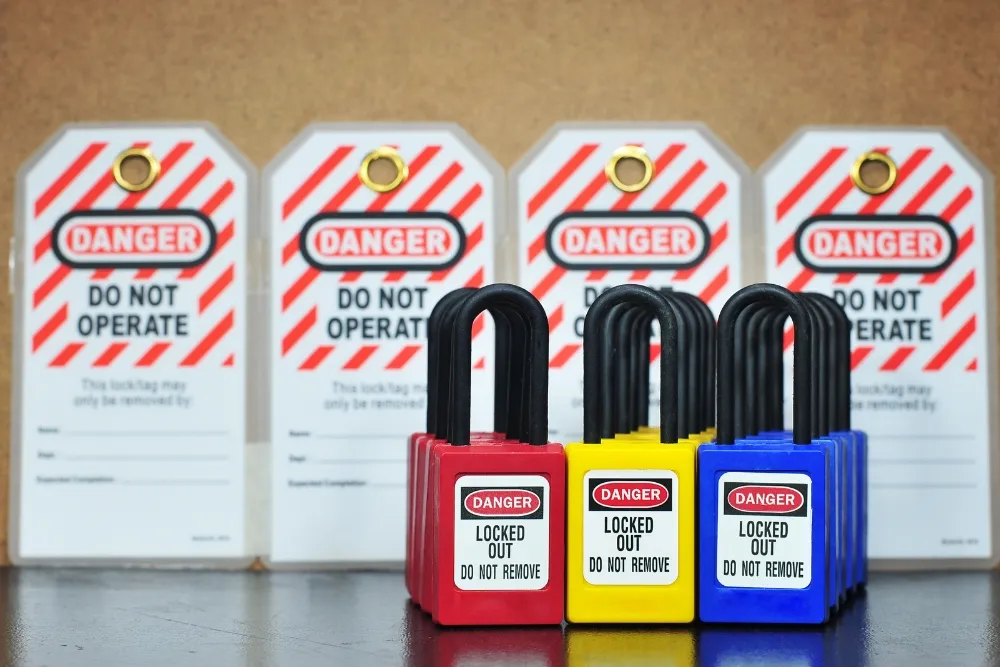
By tagging out machinery that needs work, we signal to everyone around that this equipment is off-limits until the tag is removed by someone authorised to do so.
Our team relies on Tag Out procedures as part of our daily routine to manage hazardous energy sources effectively. These tags aren’t just warnings; they carry crucial information about the machine’s status and who has control over its lockout condition.
This transparency ensures no confusion, reducing risks of mishaps while upholding workplace safety standards compliant with inspections and regulations. It’s our way of communicating clearly, protecting lives, and keeping operations smooth without any unwanted surprises during inspection or cleaning tasks.
Difference from Lock Out
Tag Out and Lock Out are two separate but related procedures used to ensure the safety of maintenance, repair, or inspection work. Unlike Lock Out, which physically isolates the energy sources of equipment, Tag Out uses prominent tags to indicate that machinery is out of service.
While lock-out involves directly shutting down and locking machines to prevent accidental energisation, tag-out relies on visible tags attached to equipment to communicate its non-operational status.
These tags display essential information about the lockout condition and even feature a photo of the responsible individual for added accountability.
Use in machine guarding
In machine guarding, tag out is used to prevent accidents and ensure the safety of employees involved in maintenance and repair. It involves tagging equipment that has been taken out of service due to faults or damage, indicating that it should not be operated.
By following tag-out procedures, all affected personnel are informed about the status of the equipment, helping to minimise potential hazards and maintain a safe working environment.
Additionally, using tags with essential information helps in identifying the responsible person for specific equipment and emphasises the importance of adhering to safety protocols.
By using tag-out procedures in machine guarding, potential accidents and incidents can be prevented while ensuring the safety of everyone involved in maintenance and repair work. These procedures play a critical role in isolating faulty or malfunctioning machinery, thereby minimising risks associated with operating defective equipment.
OSHA Standards for Lockout Tagout
OSHA (Occupational Safety and Health Administration) has strict standards for Lockout Tagout procedures to ensure the safety of workers during maintenance and repair tasks. Violations of these standards can result in serious consequences, so it’s important to understand and comply with them.
Exceptions and violations
We need to be aware of certain exceptions and violations when it comes to lockout tagout (LOTO) procedures. Here are some crucial details to consider:
- Some equipment, such as cord-and-plug connected equipment, or hot tap operations involving transmission and distribution systems, may have specific exceptions from full LOTO procedures.
- Temporary removal of LOTO devices under a proper and documented procedure for testing or positioning equipment is allowable under specific circumstances.
- Violations of LOTO regulations can result in severe penalties, including fines and potential harm to individuals involved in maintenance and repair work.
- Unauthorised removal or tampering with LOTO devices can lead to serious safety hazards and non – compliance with regulatory standards.
- It’s important to ensure that all employees receive thorough training and awareness about the exceptions and consequences related to LOTO procedures.
- Any deviations from established LOTO procedures should only occur after careful evaluation of potential risks and with the approval of authorised personnel.
Establishing and Implementing a Lockout Tagout Program
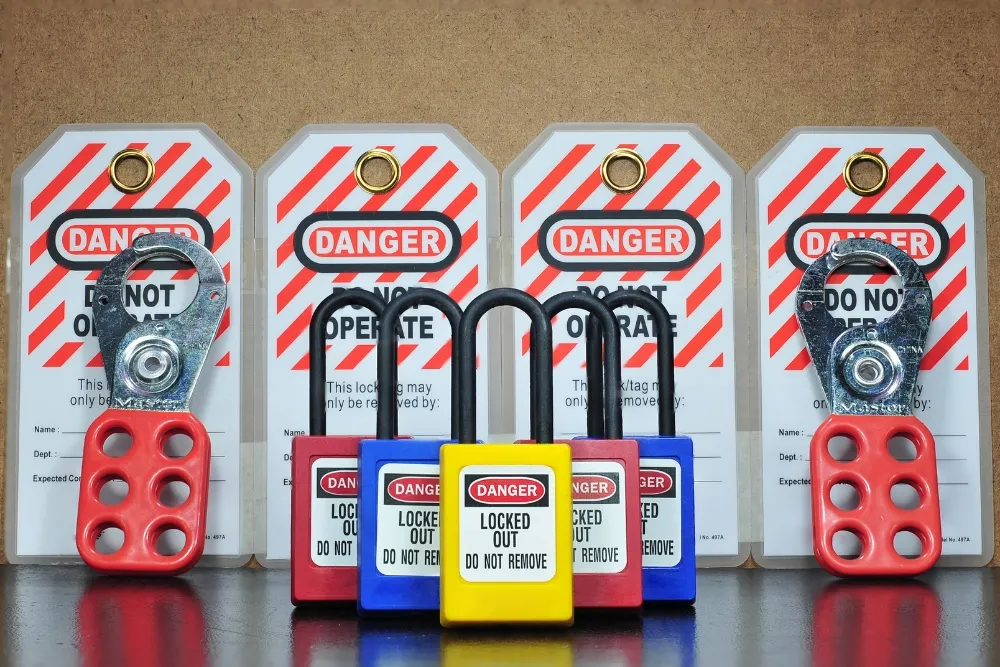
To establish and implement a lockout tagout program, we need to involve employees in the process and provide them with the necessary devices and colours for tagging out. We also need to create procedures and training programs to ensure safety during maintenance and repair scenarios.
Involvement of employees
Employees play a crucial role in the successful implementation of lockout/tagout (LOTO) procedures. Their active involvement ensures that equipment is properly isolated and maintained, preventing potential accidents and incidents.
By actively participating in the preparation for shutdown, notifying affected personnel, and contributing to the shutdown process, employees contribute to creating a safe work environment for themselves and their colleagues.
Additionally, their collaboration in identifying procedures and hazards helps to ensure that all safety measures are taken into consideration during maintenance and repair scenarios.
Involving employees in training programmes about tag-out procedures also ensures that they are well-equipped with the necessary knowledge and skills to handle complex and unusual situations effectively.
Necessary devices and colours
- Tags should be durable and withstand environmental conditions.
- Utilise standardised tag-out devices with a strong attachment mechanism to prevent accidental removal.
- Tags need to be easily recognisable, with bright and bold colours for high visibility.
- Clearly label tags with information about the equipment’s status and reason for being out of service.
- Differentiate between different types of tag-outs using specific colour codes for each purpose.
- Train employees on the meaning and proper use of different tag colours and devices.
- Regularly inspect and replace tags that show signs of wear or fading to ensure visibility and effectiveness.
Creation of procedures and training
- Develop clear and detailed lockout/tagout procedures specific to each piece of equipment, outlining the shutdown sequence and energy isolation steps.
- Implement comprehensive training programmes for all employees involved in maintenance and repair work, ensuring they understand the procedures and hazards associated with tag out.
- Regularly review and update lockout/tagout procedures in response to changes in equipment or processes, as well as any incidents or near misses.
- Provide hands-on training sessions to familiarise employees with the proper use of tagout devices and emphasise the importance of following safety protocols.
- Document all training sessions and maintain records to ensure that employees are competent in carrying out tag-out procedures effectively.
Handling Complex and Unusual Scenarios
In complex and unusual scenarios, such as multiple energy sources or emergency situations, it’s essential to have a thorough understanding of the lockout tagout process. Training and documentation for these uncommon situations are also crucial for maintaining safety standards in maintenance and repair scenarios.
Multiple energy sources
In maintenance and repair scenarios, it’s crucial to be aware of multiple energy sources that could pose a hazard. Here are some key points to consider:
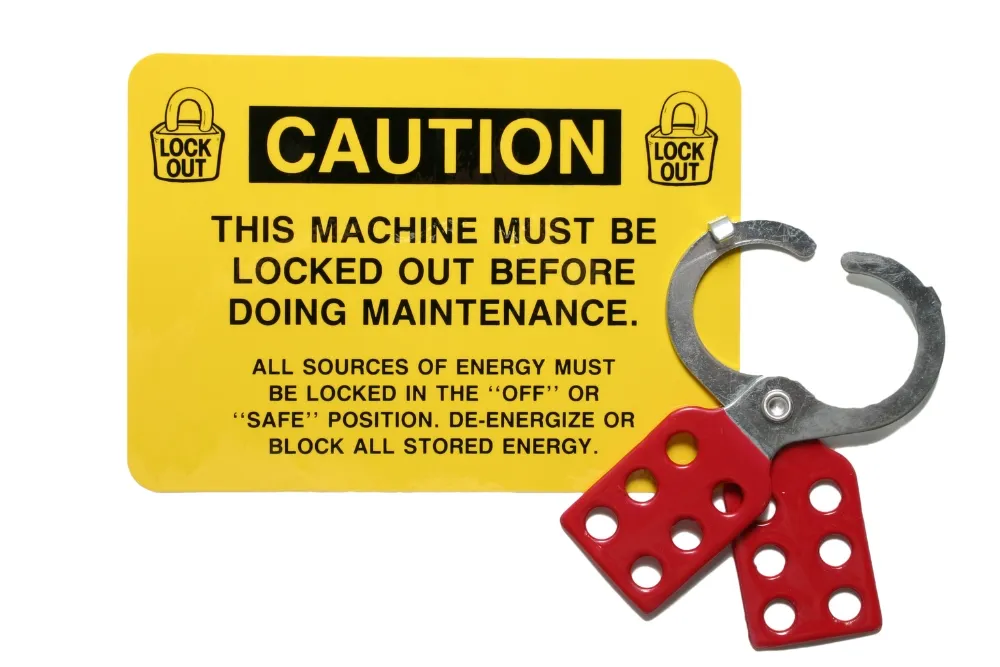
- Identify all energy sources involved, including electrical, hydraulic, pneumatic, and potential stored energy such as spring tension or residual pressure in pipes.
- Conduct a thorough assessment to ensure all energy sources are properly isolated and de-energised before beginning any maintenance or repair work.
- Use appropriate lockout/tagout devices for each energy source to prevent unexpected – energisation.
- Implement specific procedures for isolating and controlling each energy source based on the equipment being serviced or repaired.
- Ensure that all employees involved in the maintenance or repair process are trained in identifying and managing multiple energy sources effectively.
- Document the steps taken to isolate each energy source and keep this information easily accessible for reference during future maintenance activities.
- Regularly review and update procedures related to handling multiple energy sources to ensure compliance with safety standards and regulations.
Involvement of multiple workers or teams
In maintenance and repair scenarios, the involvement of multiple workers or teams is crucial for ensuring the effectiveness and safety of lockout/tagout procedures. Each team member should be aware of their specific responsibilities and roles during the tag-out process.
Clear communication amongst all involved parties is essential to prevent missteps and ensure that equipment remains properly isolated throughout the maintenance or repair task. Coordination between different teams can help address potential challenges arising from complex machinery or diverse energy sources, enhancing overall safety protocol implementation.
For a successful lockout/tagout procedure, multiple workers or teams must work cohesively, understanding the importance of following established protocols and adhering to communicated instructions at all times.
Handling emergency situations
When managing complex maintenance scenarios involving multiple workers or teams, it’s crucial to be prepared to handle emergency situations effectively. In the event of an unexpected incident such as a machine malfunction or unforeseen hazards, swift action is essential to ensure the safety of everyone involved.
This involves following designated emergency procedures, promptly shutting down equipment if necessary, and communicating clear directives to all personnel on-site. Additionally, providing adequate training and documentation for dealing with unusual circumstances can greatly improve the response to emergency situations.
In case of emergencies during maintenance or repair work, quick decision-making and adherence to established protocols are vital for ensuring the safety of both employees and the equipment being serviced.
Unusual equipment or non-standard procedures
When encountering unusual equipment or non-standard procedures, it is crucial to assess the potential hazards and establish appropriate lockout/tagout (LOTO) measures. This may involve identifying additional energy sources, considering the involvement of multiple workers or teams, and preparing for emergency situations.
Training employees on how to handle these unique scenarios and documenting specific procedures are essential for ensuring safety during maintenance and repair activities.
In such cases, plant isolation for maintenance should be carefully executed following a thorough hazard assessment. Clear communication of isolation procedures is vital, along with the use of proper lock-out tag-out devices.
Training and documentation for unusual scenarios
When it comes to unusual equipment or non-standard procedures, providing training and documentation is essential for ensuring the safety of all involved personnel. This includes thoroughly educating employees on how to identify potential hazards and risks associated with unfamiliar machinery or unconventional maintenance processes.
Properly documented procedures can serve as a valuable reference in these unique situations, outlining the necessary steps to mitigate any potential dangers effectively.
Moreover, incorporating specialised training programmes for complex scenarios equips personnel with the knowledge and skills needed to handle emergency situations confidently. It’s crucial to emphasise the significance of adherence to established protocols and ensure that comprehensive records are maintained for each atypical maintenance or repair task undertaken.
Tagout Innovation for Maximum Security in Your Space!
Implementing tag-out procedures in maintenance and repair scenarios is vital for ensuring the safety of all personnel involved. By following these procedures, equipment can be properly isolated to prevent accidents and incidents during servicing or repair work.
It’s crucial to establish a clear program, involve employees, and provide thorough training to handle complex or unusual scenarios effectively. Remember that adhering to tag-out protocols not only safeguards individuals but also promotes a safe work environment overall.
Ensure the safety of your maintenance and repair operations with Tag Out System’s reliable solutions. Our comprehensive tag-out systems provide clear communication and visual identification to prevent accidental equipment startup during maintenance activities. Protect your team and assets – implement Tag Out System for secure and efficient maintenance practices. Contact us today to safeguard your operations.