
Tag Out System · 14 February 2024
Tag Out in Confined Spaces – Special Considerations
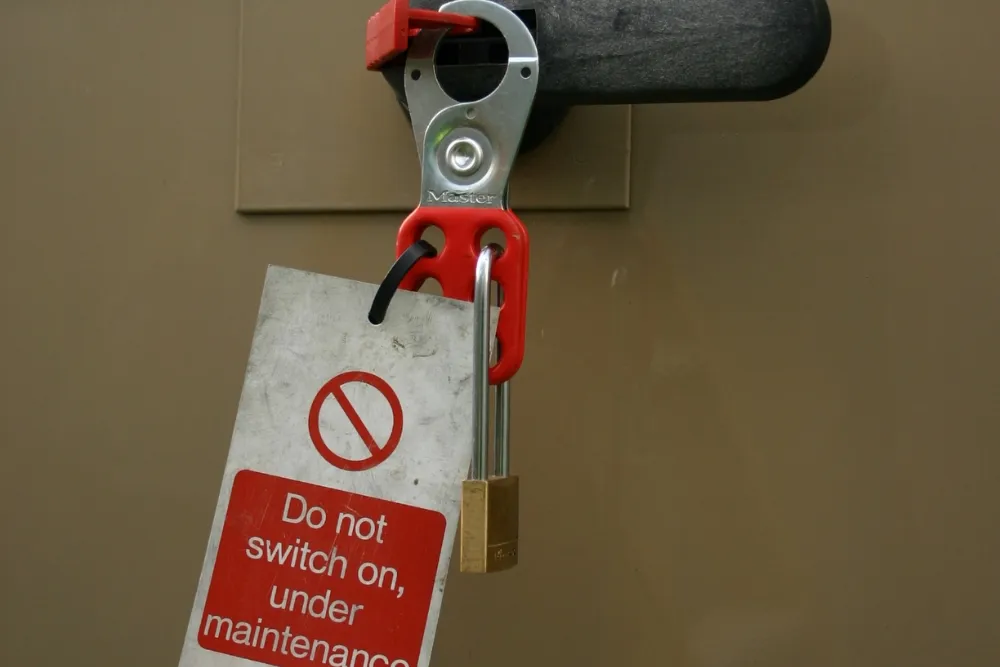
Ever found yourself fretting about the safety of a space no bigger than your own walk-in wardrobe? Mate, we’re with you on that one. It’s exactly why we appreciate how crucial tag-out procedures are in confined spaces – they can quite literally be lifesavers.
Armed with a stark reality – that not properly de-energising equipment is right up there as one of the top causes of serious injuries at work – we’ve left no stone unturned to give you top-notch advice on keeping your workers safe and sound.
Key Takeaways
- Confined spaces often have hazards like toxic atmospheres and engulfment risks, so identifying these before work starts keeps everyone safe.
- Tag-out procedures help prevent accidental equipment start-ups by using tags on controls, a vital step in confined space safety.
- Workers need proper training on lockout/tagout methods and rescue plans must be set before anyone enters a confined space.
- Regular checks and maintenance can catch technical defects early, stopping accidents from happening in tight spots.
- Placing locks and tags visibly is key to safety, alongside following all the legal rules for working in confined spaces.
Understanding Confined Spaces
Confined spaces are defined as areas that have limited access and are not designed for continuous human occupancy. In the UK, there are specific regulations governing work in confined spaces to ensure safety and prevent potential hazards.
It’s important to identify potential hazards such as lack of ventilation and the presence of hazardous substances before carrying out any work in these areas.
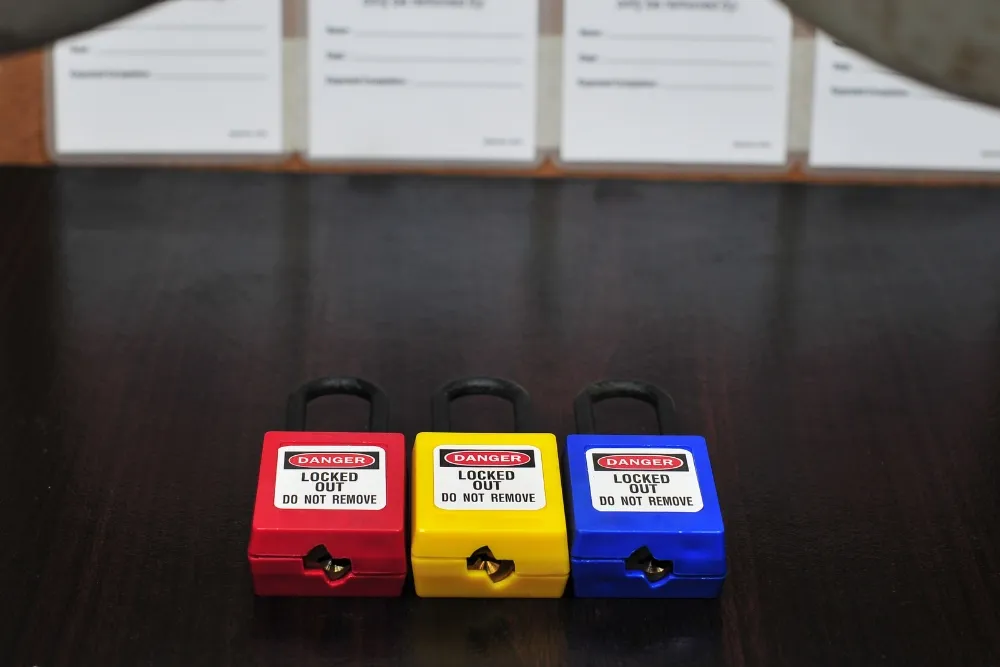
Definition
Confined spaces are not your typical rooms; they’re places with limited entry or exit that aren’t designed for people to work in regularly. Think of areas like tanks, silos, pits, pipes, even spaces under floors and above ceilings can qualify if they meet certain criteria.
They might be tight and uncomfortable or have a dangerous atmosphere that makes staying there risky.
When we talk about tag-out procedures in these spaces, we’re referring to safety steps ensuring machinery is turned off and can’t start up by accident. We place tags on switches and controls so everyone knows not to power them back on until the area is clear and safe again.
It’s all about controlling risks from electrical sources, moving parts of machinery, or any other hazardous energy that could cause harm during maintenance or repairs.
Legislation
Confined space work is governed by specific legislation and standards aimed at ensuring the safety of workers. Compliance with these regulations is vital for creating a secure work environment in confined spaces.
Australian safety standards and codes of practice provide technical and safety information necessary for adhering to legal requirements. It’s essential to stay informed about confined space regulations to prevent accidents and ensure the well-being of workers.
Next, let’s delve into the key components related to “Understanding Confined Spaces” within our discussion on tag-out procedures in confined spaces.
Identifying potential hazards
Identifying potential hazards in confined spaces is essential for ensuring workplace safety. Here are some important factors to consider:
- Toxic Atmospheres: Confined spaces can contain hazardous gases, vapours, or fumes which can pose a serious threat to workers’ health.
- Engulfment Hazards: Workers may be at risk of being engulfed by materials such as liquids and granular solids.
- Entrapment Risks: Machinery and equipment with moving parts can cause entrapment hazards leading to injuries or fatalities.
- Physical Hazards: The presence of sharp objects, electrical hazards, and poor lighting can contribute to accidents in confined spaces.
- Lack of Ventilation: Inadequate airflow can lead to oxygen-deficient atmospheres or accumulation of toxic gases.
- Heat Stress and Cold Stress: Extreme temperatures within confined spaces can lead to heat stress or cold stress in workers.
- Structural Hazards: Weak floors, walls, or ceilings can collapse or cause falling hazards.
- Biological Hazards: The presence of mould, bacteria, insects, or other biological agents poses health risks to workers.
- Fire and Explosion Risks: Ignition sources coupled with flammable substances in confined spaces create the potential for fire and explosion incidents.
- Noise Hazards: High levels of noise from machinery or processes may result in hearing loss over time if proper control measures are not implemented.
- Visibility Impairment: Limited visibility due to darkness, fogging, or dusty conditions can increase the risk of accidents within confined spaces.
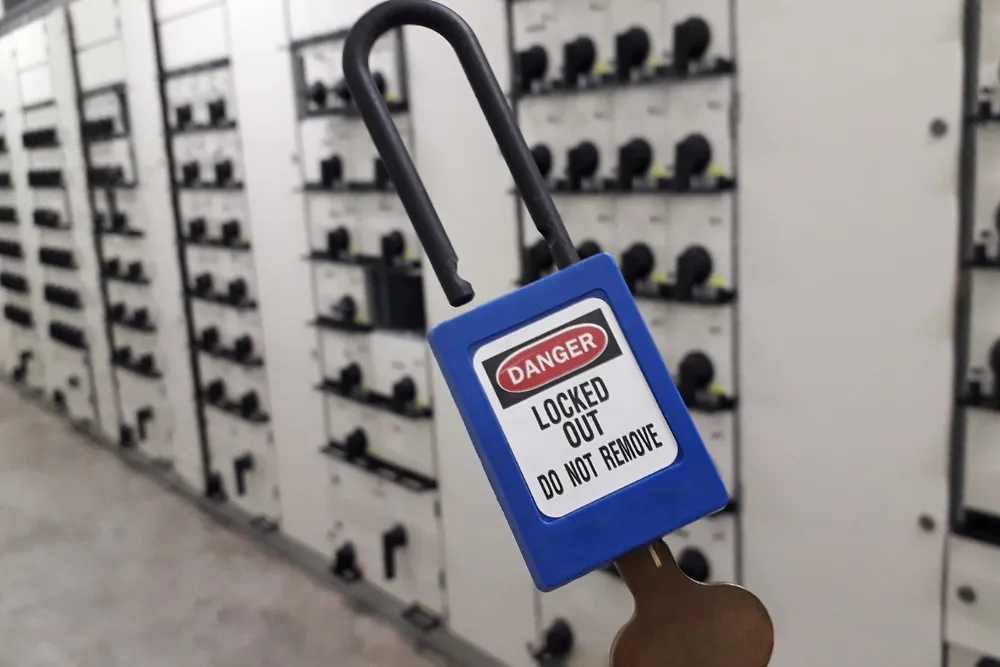
Importance of Tag Out Procedures in Confined Spaces
Tag-out procedures are essential for ensuring the safety of workers in confined spaces, particularly when working with machinery and equipment containing moving parts. These procedures involve de-energising and securing equipment, machinery, or processes to prevent hazardous energy during servicing or repair.
Workers must receive suitable training and instruction on tag-out procedures before entering a confined space to minimise risks associated with technical defects related to the work or equipment.
Isolation and tag-out for plants and equipment are crucial for recognising potential hazards that may arise during confined space work. It is also important to establish rescue procedures specific to the type of confined space before entry, ensuring that all personnel undergo comprehensive training on these life-saving protocols.
Compliance with relevant legislation, British standards, and codes of practice is vital in upholding the safety of workers while preventing accidents in confined spaces.
Conducting Confined Space Risk Assessments and Entry Permits
- Conduct a comprehensive risk assessment of the confined space, taking into account potential hazards such as toxic atmospheres, engulfment risks, and entrapment dangers.
- Identify and implement appropriate control measures to address the identified risks, ensuring the safety of all personnel entering the confined space.
- Obtain entry permits specific to each confined space entry, outlining necessary precautions, rescue procedures, and isolation requirements.
- Ensure that all workers involved in entering the confined space are adequately trained on emergency procedures and familiar with the contents of the entry permit.
Equipment Used for Confined Space Work
Lock-out and tag-out procedures are essential for ensuring the safety of workers in confined spaces, along with proper ventilation and addressing any technical defects. These measures help to de-energise equipment and prevent accidents during confined space work.
Lock out and tag out procedures
- Prioritise worker training: Ensure that all personnel are provided with suitable training and instruction on lockout and tagout procedures before entering a confined space.
- Establish rescue procedures: Specific rescue procedures tailored to the type of confined space should be established before entry, and all personnel should be well-trained on these protocols.
- Recognise potential hazards: Isolation and tagout for plant and equipment are crucial for recognising potential hazards and technical defects related to the work or equipment.
- Compliance with legislation and standards: It is essential to comply with confined space legislation, Australian standards, and codes of practice to ensure worker safety.
- Use appropriate PPE: Equip workers with personal protective equipment (PPE) designed for use in confined spaces to mitigate risks associated with toxic atmospheres, engulfment, and entrapment, among others.
Ventilation
Proper ventilation is crucial when working in confined spaces to ensure the continuous flow of fresh air and the removal of hazardous gases or fumes. Ventilation helps to create a safe atmosphere for workers by minimising the risk of toxic atmospheres that can develop within confined spaces.
It’s important to monitor and maintain suitable levels of oxygen, as well as control potential airborne contaminants, to safeguard against respiratory hazards and ensure a healthy work environment.
Incorporating effective ventilation systems and equipment into confined space work practices is essential for maintaining optimal air quality and upholding safety standards. Adequate ventilation not only enhances the overall safety measures but also contributes significantly to preventing potential health risks associated with working in enclosed environments, promoting well-being among workers while reducing the likelihood of accidents.
Technical defects
When addressing technical defects in confined spaces, it is crucial to conduct regular inspections and maintenance of equipment to identify any potential issues. This includes checking for faulty machinery, malfunctioning ventilation systems, or defective safety equipment.
It is important to promptly rectify any technical defects discovered during these inspections to ensure the safety of workers entering confined spaces. Furthermore, establishing clear isolation procedures and conducting periodic testing can help prevent accidents related to technical defects and ensure a safe working environment within confined spaces.
By staying vigilant about identifying and addressing technical defects in confined spaces, home and office owners can effectively mitigate potential hazards and create a safer work environment for anyone entering these restricted areas.
Safety Measures for Working in Confined Spaces
When working in confined spaces, it’s crucial to ensure that locks and tags are placed properly on equipment. Appropriate control measures should also be in place to prevent accidents and ensure the safety of workers.
Placement of locks and tags
When placing locks and tags in confined spaces, it’s essential to ensure they are clearly visible and easily accessible. Tags should include information about the person who placed them, the reason for isolation, and contact details.
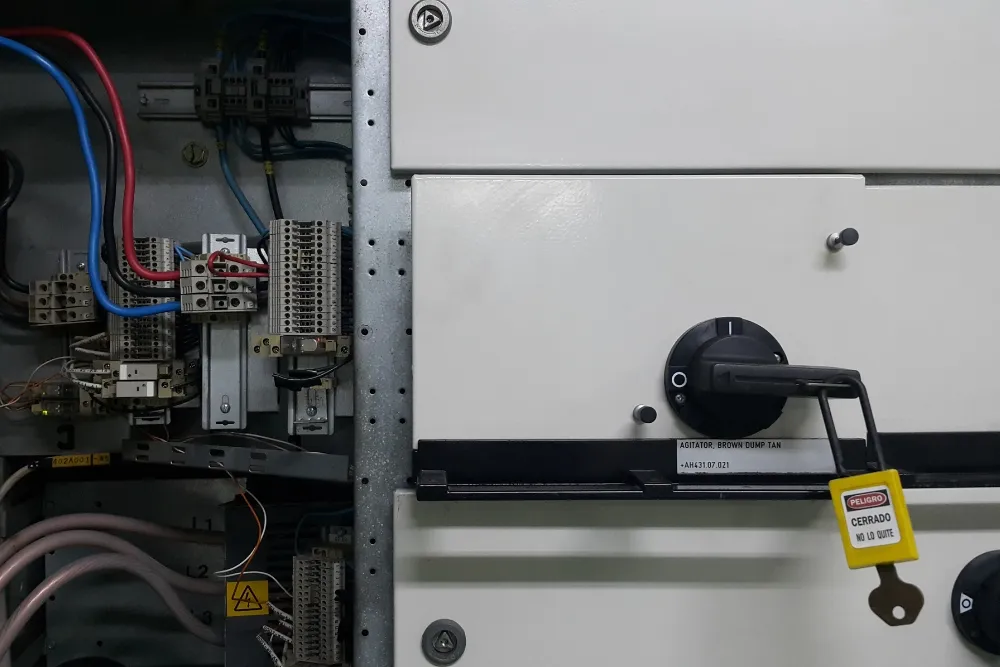
Locks must be applied to energy-isolating devices in a way that prevents accidental removal or operation. It’s crucial to follow specific procedures outlined in safety protocols to effectively place locks and tags on equipment and machinery.
Proper placement of locks and tags is vital for preventing unexpected re-energisation of equipment during maintenance or repairs. Before entering a confined space, thorough checks must be conducted to verify that all locks and tags are securely positioned.
Appropriate control measures
- Implement comprehensive training and instruction on tag-out procedures for all workers before entering a confined space.
- Establish specific rescue procedures tailored to the type of confined space, ensuring that all personnel are adequately trained on these protocols.
- Conduct regular isolation and tag out for plant and equipment to identify potential hazards and technical defects related to the work or equipment.
- Keep confined space risk assessments and entry permits for specific periods as required by regulations.
- Ensure compliance with relevant legislation, British standards, and codes of practice pertaining to confined spaces to maintain a safe working environment.
- Provide suitable personal protective equipment (PPE), gas monitoring instruments, communication devices, and rescue equipment for workers in confined spaces.
- Always de-energise and secure equipment, machinery, or processes using lockout tagout procedures during servicing or repair activities.
Tagout Innovation for Maximum Security in Your Space!
Ensuring safety in confined spaces involves understanding the hazards and implementing tag-out procedures for equipment isolation. Proper training and rescue procedures are vital before workers enter confined spaces.
Compliance with legislation and standards is essential to prevent accidents and protect workers. Implementing tag-out procedures is crucial to safeguard against potential hazards when working in confined spaces.
Explore the nuances of tag out in confined spaces with the Tag Out System. Our expertise ensures that safety measures are tailored to address the unique challenges posed by confined environments. Stay compliant and safeguard your team with specialised tag-out solutions. Contact us today to elevate safety protocols in confined spaces.