LockOut Equipment · 1 April 2024
Tag Out for Renewable Energy Systems
Chucking some renewable energy systems like solar panels or windies (wind turbines) on your house or business is a top-notch way to do your bit for the planet and keep your hip pocket happy.
But, fair dinkum, making sure everything’s running smoothly and safely – especially when it’s time for a bit of maintenance – can be a bit of a head-scratcher. That’s where getting savvy with lockout/tagout procedures comes into play.
It’s an absolute must-do we’ve dug deep into, just to make sure you don’t cop any nasty surprises during system checks or tinkering about fixing things.
Key Takeaways
- Lockout/tagout procedures are vital for the safety of renewable energy systems, like solar panels and wind turbines. They help prevent accidents by ensuring that no energy accidentally gets released during maintenance or repairs.
- Following Australian Standards and legal requirements is a must when performing lockout/tagout on renewable energy systems. This includes identifying all equipment, conducting risk assessments, shutting down systems properly, and isolating and de-energising stored energies before starting any work.
- Training for everyone involved in maintaining renewable energy systems is crucial. It equips them with the necessary knowledge to perform tasks safely, understand risks and follow correct procedures to avoid hazards associated with the control of hazardous energies.
- Using lockout devices and tagging isolation points correctly ensures that every team member knows not to reactivate the system under maintenance until it’s safe again. The “One person, one lock” policy further enhances individual responsibility towards safety.
- Regularly updating training and retraining staff on new technologies or changes in safety standards helps maintain a high level of competency among employees working with renewable energy installations. This continuous learning approach contributes significantly to creating a safer work environment.
Importance of Lockout / Tagout for Renewable Energy Systems
Lockout/tagout for renewable energy systems is crucial for preventing accidents, complying with legal requirements, and ensuring safe maintenance and repairs. Without proper lockout/tagout procedures, workers are at risk of hazardous energy exposure during maintenance operations.
Preventing accidents and injuries
We always prioritise safety to prevent accidents and injuries while working with renewable energy systems like solar power or wind energy. By implementing a strict lockout / tagout procedure, we protect ourselves and others from the unexpected release of hazardous energy.
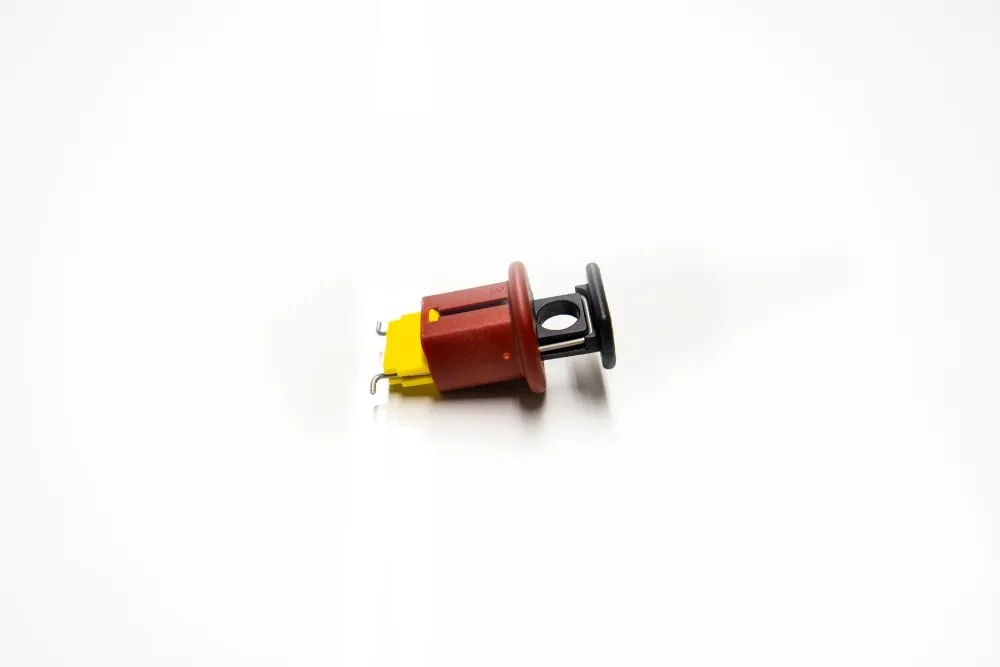
This process involves carefully shutting down the system, isolating it from its energy sources, and applying locks and tags that warn others not to reactivate the system until maintenance or repairs are complete.
Our commitment extends to following Australian Standards for safety in all our operations. This ensures that every team member knows how to handle hazardous energies correctly during plant shutdowns and isolation procedures.
Keeping everyone safe requires ongoing attention to detail, adherence to protocols, and cooperation among all involved. By doing so, we maintain a secure environment where accidents are significantly less likely to happen, allowing us to focus on harnessing clean energy safely and efficiently.
Complying with legal requirements
Complying with legal requirements is crucial when it comes to safety procedures for renewable energy systems. Adhering to Australian standards for energy control and lockout tagout procedure is not only a legal obligation but also ensures the safety of your solar power systems.
It underpins the importance of identifying plant or equipment, conducting a risk assessment, and following proper shutdown procedures in accordance with the law. As homeowners and Business Owners, we understand that meeting these regulations is vital to maintaining a secure environment while carrying out maintenance and repairs on your PV system or other renewable energy systems.
Ensuring safe maintenance and repairs
To ensure safe maintenance and repairs of renewable energy systems, it is crucial to identify all energy sources and hazards before beginning any work. Shut down the system following proper procedures, isolate all energy sources, de-energise stored energies, and test for effective isolation.
Additionally, always complete the work in a thorough manner while following general safety precautions such as conducting a risk assessment and identifying plant or equipment. By closely adhering to these steps and safety measures, we can provide strong protection for both homeowners and business owners involved in maintaining renewable energy systems.
Furthermore, implementing training for authorised and affected employees is imperative to maintain competent handling of renewable power technology during maintenance. This equips individuals with the knowledge required to perform tasks safely, reducing risks associated with hazardous energy control.

Steps for Performing Lockout / Tagout
Performing Lockout/Tagout involves identifying all energy sources and hazards, shutting down the system, isolating all energy sources, de-energising stored energies, testing for effective isolation, and completing the work.
The process is crucial for ensuring safety during the maintenance and repairs of renewable energy systems.
Identify all energy sources and hazards
Identifying all energy sources and hazards is crucial for ensuring the safety of renewable energy systems. It involves locating and understanding every potential source of energy that could cause harm during maintenance or repairs.
This includes solar panels, electrical components, stored energy in batteries, and any other potential hazard within the system. By identifying these sources and hazards, homeowners and business owners can take proactive measures to prevent accidents, comply with legal requirements, and maintain a safe working environment for everyone involved in the maintenance process.
Understanding all energy sources and hazards is essential for creating a secure work environment when performing maintenance on renewable energy systems. This knowledge enables the effective isolation of energy sources to prevent incidents during repair work or routine checks.
Ensuring proper identification allows us to effectively isolate each source or hazard before beginning any work – an important step towards maintaining a safe environment while addressing any issues within the renewable energy system.
Shutting down the system
To shut down the system, switch off all power sources. Ensure that all equipment is turned off and secure any renewable energy systems before beginning maintenance or repairs. Remember to isolate stored energies and test for effective isolation.
It’s important to follow proper shutdown procedures to prevent accidents and injuries during maintenance, especially when working with solar power systems.
After shutting down the system, it’s crucial not to rush through the process of isolating energy sources. Take time in de-energising stored energies and testing for effective isolation.
This will ensure a safe environment for performing any necessary repairs or maintenance on your renewable energy systems.
Isolating all energy sources
To isolate all energy sources, start by identifying each source and potential hazards. Then, shut down the system and de-energise any stored energies carefully. After that, test to ensure effective isolation before proceeding with maintenance or repairs.
By following these steps meticulously, you’re ensuring a safe work environment for everyone involved in handling renewable energy systems.
Once all energy sources are isolated, it’s crucial to proceed with caution when working on the system. Always strive to maintain a safe environment for yourself and others.
De-energising stored energies
After isolating all energy sources, the next critical step is de-energising stored energies. The process involves releasing any residual electrical, mechanical, hydraulic or pneumatic energy that might remain in the system after shutdown.
This ensures that no unexpected release of stored energy occurs during maintenance or repair work, reducing the risk of accidents and injuries to workers and technicians. Testing for effective isolation before commencing work further guarantees a safe working environment free from any potential hazards.
Completing these steps meticulously aligns with relevant safety protocols for renewable energy systems and underpins our commitment to ensuring a secure and controlled working environment as we carry out maintenance procedures on solar power installations and other renewable energy technologies.
Testing for effective isolation
After de-energising stored energies, the next critical step is testing for effective isolation. This involves using appropriate testing equipment to verify that all energy sources are truly isolated and that no residual energy remains.
It’s crucial to conduct thorough and meticulous tests on each isolation point to ensure the safety of anyone working on the system.
Regularly reviewing and updating your procedures for testing effective isolation is essential in maintaining a safe working environment. By integrating routine checks into your maintenance protocols, you can easily identify any potential issues before they become hazards.
Completing the work
After isolating and de-energising the energy sources, the team will ensure the system is effectively shut down. Then, they will test for successful isolation before beginning any work.
Once these steps are completed, our team can safely proceed with necessary maintenance or repairs to the renewable energy systems.
The completion of this work ensures that all safety precautions have been taken to avoid accidents or injuries during maintenance procedures. It also guarantees compliance with legal requirements and contributes to maintaining a safe environment for both workers and the surrounding area.
General Safety Precautions
Identify plant or equipment and conduct a risk assessment to ensure safety. To discover more, visit the full article.
Identifying plant or equipment
When conducting maintenance on renewable energy systems, it is crucial to identify all plants and equipment involved. This includes solar panels, batteries, inverters, wiring, and any associated machinery.
It’s important to conduct a thorough risk assessment to identify potential hazards such as electrical sources and stored energies that need isolation before performing any work. By understanding the specific plant and equipment within your renewable energy system, you can effectively implement lockout/tagout procedures to ensure the safety of everyone involved in maintenance tasks.
Before starting any maintenance or repair work on your renewable energy systems, it is vital for homeowners and business owners alike to recognise all the different pieces of equipment involved.
Conducting a risk assessment
Identifying potential risks is crucial for the safety of renewable energy systems. Begin by thoroughly assessing your solar power system, including all energy sources and equipment.
Keep an eye out for any hazards that may pose a threat during maintenance or repairs. By conducting a risk assessment before any work commences, you can identify possible dangers and take appropriate precautions to prevent accidents.
Keep in mind that a thorough risk assessment can help ensure the safety of everyone involved in maintaining your renewable energy system. Understanding potential risks will enable you to implement effective safety measures and protect against any mishaps that could occur.
Follow proper shutdown procedures
When shutting down renewable energy systems, it is crucial to follow proper shutdown procedures. These steps help ensure the safety of both individuals and equipment during maintenance or repair work.
Conducting a risk assessment before shutting down the system is imperative for identifying potential hazards and ensuring that all energy sources are effectively isolated. Additionally, de-energising stored energies and testing for effective isolation further contribute to a safe working environment.
Completing these steps meticulously not only safeguards against accidents but also complies with legal requirements. Locking out and tagging isolation points are essential components in this process, as they prevent unauthorised re-energising of equipment, while also communicating safety status clearly to everyone involved.
Locking Out and Tagging Isolation Points
Lockout devices are crucial for isolation points. One person, one lock policy ensures safety.
Importance of using lockout devices
Lockout devices are crucial for ensuring safety when working on renewable energy systems such as solar power installations. These devices help prevent accidental restarts of equipment and machinery, protecting workers from electrical shocks, burns, and other serious injuries.
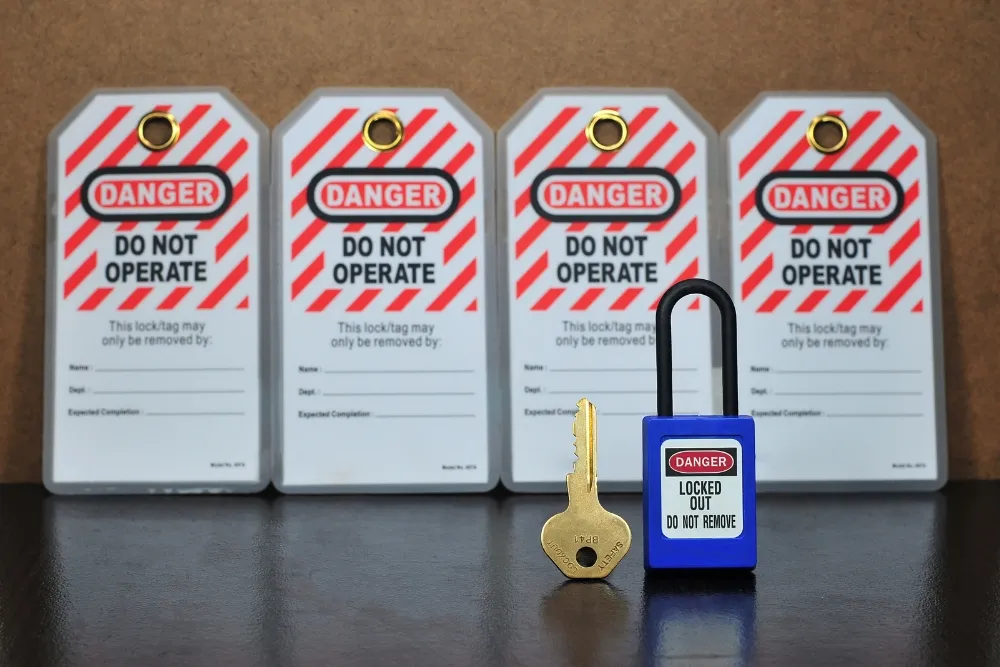
Using lockout devices also ensures that the maintenance and repair work can be performed safely without any unexpected energisation of the system.
When using lockout devices, it is paramount to ensure that they are specifically designed for the isolation point being locked out or tagged out. Properly implementing these devices helps to safeguard against potential hazards associated with electrical energy sources and contributes to a safer work environment for everyone involved in renewable energy maintenance procedures.
One person, one lock policy
Each person working on a renewable energy system should use their own lock. This policy ensures that each worker is responsible for their safety and prevents accidental re-energisation of equipment.
If multiple locks are used by different workers, they may assume someone else has already completed the lockout, leading to potential hazards. Using a one-person, one-lock policy helps everyone take ownership of their safety and promotes clear communication among team members.
Moving on to Tagging for personal danger and out-of-service situations.
Tagging for personal danger and out-of-service situations
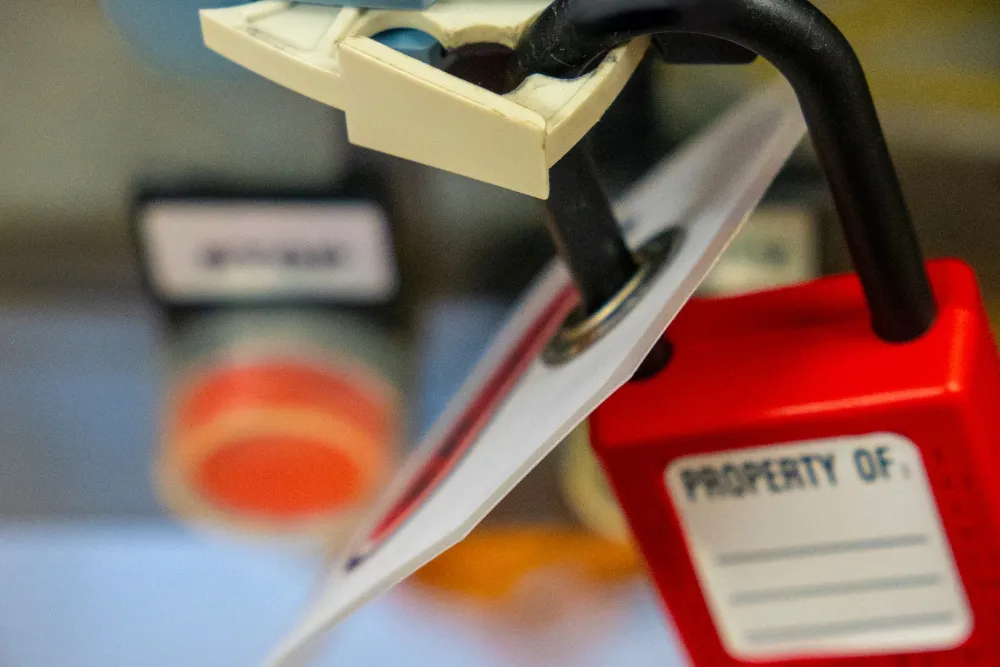
When it comes to tagging for personal danger and out-of-service situations, it is important to use clear and prominent tags that indicate the specific hazard or status. Tags should be securely attached at each isolation point with a clear indication of the reason for the lockout/tagout.
These tags help in preventing accidental re-energisation and communicate information about potential hazards to all employees involved in maintenance work.
Additionally, it’s crucial to ensure that only authorised personnel are allowed to remove these tags after completing the necessary safety measures. Regular inspections of tagout devices should also be meticulously conducted by competent individuals to verify their effectiveness and compliance with safety standards.
Training and Competency
Training for authorised and affected employees is essential to ensure they understand the risks associated with renewable energy systems. Retraining and additional opportunities are provided to keep skills updated.
Importance of training for authorised and affected employees
Training for authorised and affected employees is crucial to ensure safety in renewable energy systems. It empowers individuals with the knowledge and skills needed to identify potential hazards, understand lockout/tagout procedures, and safely perform maintenance tasks.
The training also covers legal requirements, risk assessments, proper shutdown procedures, and effective isolation techniques. Ongoing retraining and additional training opportunities further enhance competency and promote a culture of safety within the workplace.
Importantly, ensuring that all employees are well-versed in energy source isolation not only prevents accidents but also contributes to overall operational efficiency. With a trained workforce, homeowners and business owners can have peace of mind knowing that their renewable energy systems are in capable hands.
Retraining and additional training opportunities
As part of ensuring the safety and effectiveness of renewable energy systems, it is crucial to provide ongoing retraining and additional training opportunities for authorised and affected employees.
This helps in staying updated with the latest safety protocols, technologies, and industry best practices. Training should cover areas such as identifying potential hazards, effective lockout/tagout procedures, and understanding new equipment or system upgrades.
Regular retraining ensures that all employees are competent to carry out their duties safely around renewable energy systems. It also provides an opportunity to reinforce the importance of following proper isolation procedures and keeping up with any changes in regulations or safety standards related to electrical energy isolation.
Secure Your Space with Our Tagout Solution!
Ensuring the safety of renewable energy systems through lockout/tagout procedures is crucial for preventing accidents, complying with legal requirements, and maintaining a safe environment for maintenance and repairs.
Performing lockout/tagout involves identifying all energy sources and hazards, shutting down the system, isolating energy sources, de-energising stored energies, testing isolation effectiveness, and completing the work safely.
General safety precautions including risk assessments and proper shutdown procedures are essential for plant or equipment maintenance. It’s important to train authorised and affected employees competently to ensure effective implementation of lockout/tagout processes.
Attention renewable energy pioneers! Are you seeking reliable safety solutions for your renewable energy systems? Look no further! Our Tag Out System offers specialised protocols designed specifically for the unique needs of renewable energy installations. Whether it’s solar, wind, or hydroelectric power, we ensure your systems operate safely and efficiently. Don’t risk downtime or safety breaches. Implement our advanced Tag Out solutions today to safeguard your renewable energy infrastructure. Contact us now to learn more!