
Tag Out System · 15 February 2024
Tag Out for Equipment Servicing and Overhauls
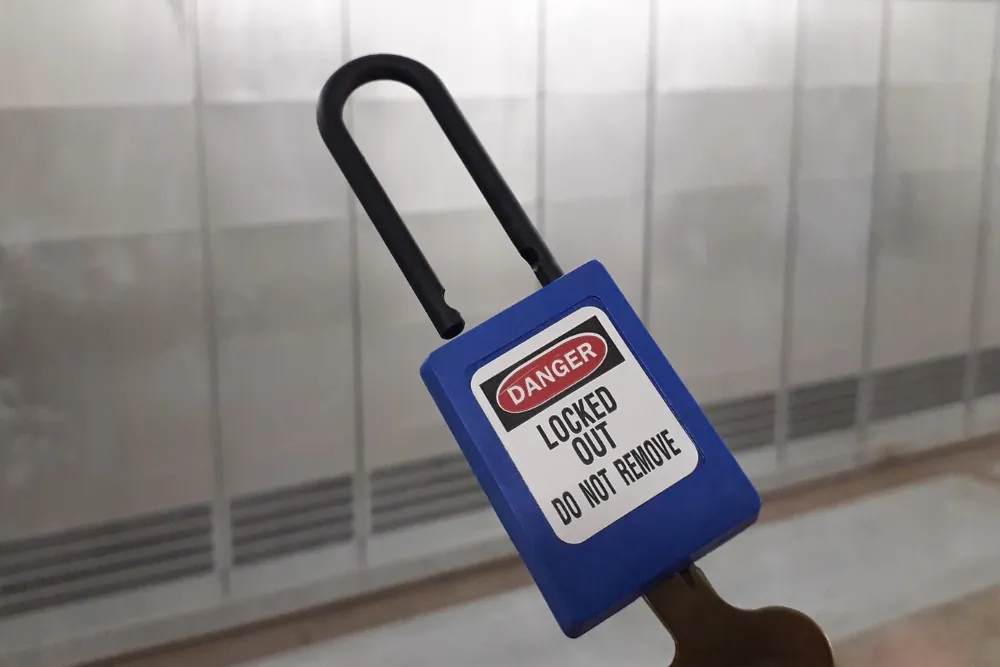
Ever found yourself in the thick of it, needing to power down your trusty home workshop or office gizmos for a bit of TLC? It’s a fair dinkum predicament we’ve all wrestled with, trying to figure out the best way to keep things safe and avoid any nasty surprises.
And get a load of this: nailing the tag out routine is dead-set important, it keeps nearly 50,000 injury scares at bay each year! Our yarn here breaks down that tricky tag-out business when you’re up for some servicing or giving your gear a spruce-up.
Key Takeaways
- Tag-out procedures are essential to safeguard workers from potential injuries by ensuring equipment is securely shut down and not accidentally switched on during maintenance or overhauls.
- A comprehensive lockout/tagout program, including clear roles, responsibilities, and the usage of proper isolation devices like padlocks and tags, must be developed and maintained for workplace safety.
- Regular training for employees on tag-out practices is vital to understanding the importance of following safety protocols during equipment servicing processes.
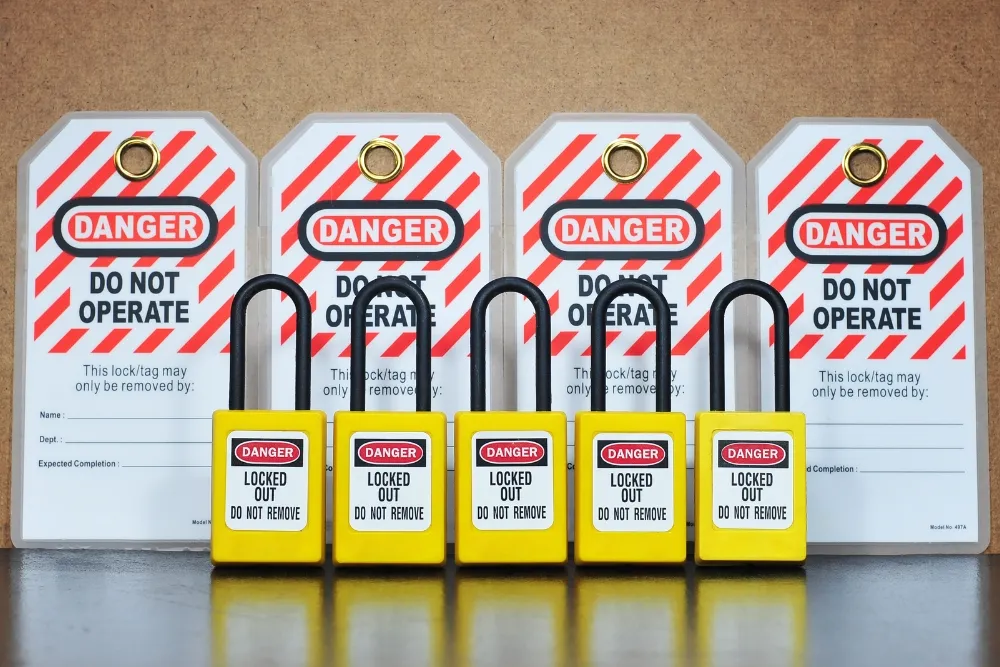
Understanding Tag Out Procedures for Equipment Servicing and Overhauls
When it comes to equipment servicing and overhauls, understanding tag-out procedures is crucial for ensuring safety and compliance with legal requirements. It involves plant isolation, risk assessment, and avoiding common mistakes.
Importance of plant isolation and risk assessment
Isolating plant equipment and conducting a thorough risk assessment is crucial for our safety. Before we service or overhaul any piece of machinery, we need to make sure it’s completely shut off from all energy sources.
This isn’t just about flipping a switch; it involves putting in place lockout/tagout systems that ensure the machine stays powered down and can’t be accidentally reactivated. It’s our shield against unexpected startups, which could lead to serious injuries.
We take pride in creating a workspace where everyone goes home safe every day. Part of that commitment means rigorously assessing potential hazards before anyone lays hands on industrial machinery for repairs.
By identifying risks early on, we implement the right precautions, like using out-of-service tags and tagout devices whenever equipment is taken offline for servicing. That way, no one will unknowingly walk into harm’s way.
Now let’s delve into the legal requirements and compliance codes that shape these essential practices.
Legal requirements and compliance codes
Compliance with legal requirements and codes is essential for ensuring the safety of equipment servicing and overhauls. This includes adhering to workplace safety regulations, such as the proper use of lockout/tagout systems and the correct implementation of isolation procedures.
Employers must also ensure that their employees are trained in these procedures to minimise the risk of accidents and injuries.
Understanding and following legal requirements not only protects workers but also helps companies avoid costly penalties and potential liability issues related to workplace incidents.
Common mistakes to avoid
When using tag-out procedures, one common mistake to avoid is failing to properly communicate the equipment servicing or overhaul activities with all relevant personnel. This can lead to confusion and accidental operation of tagged-out equipment, risking the safety of those involved in maintenance work.
Additionally, neglecting regular inspections of tagout devices may result in worn-out or damaged tags that are no longer effective at communicating the status of the equipment. Regular inspection ensures that tags are always visible and legible, helping prevent accidents due to miscommunication.
Another error to avoid is overlooking proper training for employees involved in equipment servicing and overhauls. Without adequate training on tag-out procedures, workers may not understand the importance of adhering to safety protocols, leading to potential hazards and accidents during maintenance work.
The Process of Tagging Out Equipment
When it comes to tagging out equipment for servicing and overhauls, the process involves careful preparation, shutdown of the equipment, isolation from energy sources, lockout/tagout procedures, stored energy checks, and verification of isolation.
It’s crucial to follow these steps to ensure the safety of anyone performing maintenance on the equipment.
Preparation
Before beginning the equipment servicing or overhaul, it is crucial to prepare for the tag-out procedure. First, gather all necessary isolation devices and tools required for shutting down and isolating the equipment.
Then, ensure that a thorough risk assessment of the plant is conducted to identify potential hazards and energy sources. It’s important to communicate effectively with all team members involved in the process to ensure everyone understands their roles and responsibilities during the tag-out procedure.
Finally, verify that all necessary lockout/tagout systems are in place before proceeding with any equipment maintenance or repair.
Shut Down
To begin the process of tagging out equipment for servicing and overhauls, it is crucial to initiate the shutdown of the machinery or system. This involves turning off all power sources supplying energy to the equipment.
By shutting down, you effectively stop any potential hazards associated with electrical circuits or moving parts. Remember that this step must be completed before proceeding to isolate and lockout/tagout procedures.
After a successful shutdown, tag-out devices can then be securely fastened onto the machinery, clearly indicating that it’s undergoing maintenance and should not be operated until further notice.
Isolation
Isolation of equipment is a crucial step in the tagout procedure for servicing and overhauls. It involves shutting down and isolating the energy sources to ensure that the equipment cannot be inadvertently operated while maintenance work is being carried out.
This may involve using lockout devices, such as padlocks, to secure energy-isolating devices and prevent accidental restart. Additionally, tagging out the equipment with an out-of-service tag serves as a visual warning to employees that the equipment should not be used until maintenance work has been completed and it has been deemed safe for operation.
In order to maintain workplace safety and prevent accidents, it’s important for homeowners and office owners to understand the significance of isolation procedures during equipment servicing.
Lockout/Tagout
Transitioning from equipment isolation to lockout/tagout, it is crucial to understand the significance of these procedures in ensuring workplace safety. Tag out, using caution tags, and lockout devices help prevent accidents by isolating and de-energising plant equipment during maintenance or repair.
Plant owners must adhere to legal requirements and compliance codes concerning lockout/tagout systems. These protocols ensure that hazardous energy sources are effectively controlled while servicing machinery or electrical circuits.
Implementing a comprehensive lockout/tagout programme with clear roles and responsibilities can safeguard employees from potential injuries and promote a safe working environment for everyone involved.
Stored Energy Check
Before servicing or overhauling equipment, it is crucial to conduct a thorough stored energy check. This involves identifying and dissipating any residual energy that could cause unexpected movement or operations of the machinery.
A stored energy check ensures that all potential hazards are addressed before work begins, helping to prevent accidents and injuries. Whether it’s electrical, mechanical, hydraulic, pneumatic, or gravitational energy, each type must be carefully assessed and safely released to ensure the safety of maintenance personnel.
After shutting down and isolating equipment for maintenance or repairs, a comprehensive stored energy check is essential to safeguard against unexpected releases of hazardous energies.
Isolation Verification
After conducting a thorough stored energy check, we move on to isolation verification, which is a critical step in the equipment servicing and overhaul process. This involves ensuring that all sources of hazardous energy have been effectively isolated before any work commences.
Isolation verification confirms that the necessary lockout/tagout procedures have been correctly implemented to prevent unexpected machine startup or release of stored energy, reducing the risk of workplace accidents and injuries.
It’s important to understand that isolation verification is not just a formality but a crucial safety measure for workers’ protection. Utilising out-of-service tags as part of an effective tagging procedure communicates clearly that equipment is under repair and should not be operated until the tag is removed, emphasising plant safety and maintenance regulations.
Re-energising Equipment
After isolating and servicing equipment, it is crucial to follow proper procedures for re-energising. This involves removing all lockout devices and tags after ensuring that the equipment is safe to operate.
Before restarting, conduct a thorough check for any potential hazards or stored energy that could pose a risk to workers or the equipment. It’s important to remember that re-energising should only be done by authorised personnel who are trained in safety protocols, and all employees must be kept clear of the area until it has been deemed safe.
When re-energising equipment, always prioritise safety by following established procedures and conducting necessary checks before resuming operations. Additionally, ensure that all individuals involved are aware of their responsibilities during this process to prevent any accidents or injuries from occurring.
Types of Isolation Devices for Effective Hazard Control
When it comes to effective hazard control, there are various types of isolation devices that can be used, such as interlocked guards and shutting down plant operations. Identifying energy sources and isolating them is crucial for maintaining a safe work environment during equipment servicing and overhauls.
Interlocked guards
Interlocked guards are essential safety devices that prevent equipment from operating when the guard is not securely in place. These guards are designed to ensure the safety of individuals working on or around machinery by automatically stopping equipment if the guard is removed or opened, reducing the risk of injury.
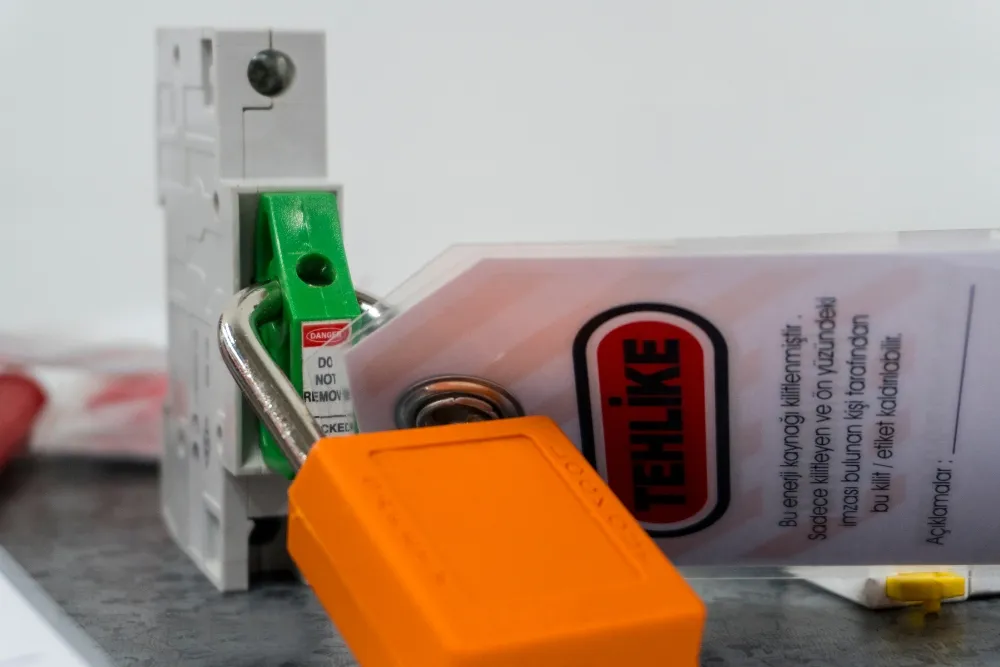
They help homeowners and office owners maintain a safe work environment by providing an additional layer of protection against hazardous energy sources and moving parts.
Installing interlocked guards can significantly reduce workplace accidents associated with machinery use and maintenance. By incorporating these safety measures, home and office owners can enhance their lockout/tagout procedures and further safeguard their employees and property.
Isolation procedure
To isolate equipment for servicing or maintenance, begin by identifying all energy sources and hazards associated with the machinery. Shut down the plant and proceed to isolate all energy sources using appropriate isolation devices.
It is crucial to de-energise any stored energies within the equipment before conducting a thorough verification of the isolation. Once confirmed, only then can you re-energise the equipment after service or overhaul.
Isolating machinery involves shutting down operations while effectively controlling hazardous energy sources, and ensuring workers’ safety during maintenance or repairs. The process helps prevent accidents and injuries caused by unexpected energisation of equipment, emphasising that proper isolation procedures are fundamental for workplace safety.
Shutting down plant
After completing the isolation procedure, it is crucial to proceed with shutting down the plant to ensure safety during equipment maintenance and overhauls. This involves following a systematic process to power off all machinery and equipment, stopping all ongoing operations, and ceasing any energy sources that could pose potential hazards.
Implementing an effective shutdown plan ensures that plant workers are protected from accidental start-ups or releases of hazardous energy during servicing or repairs. It also helps in providing a controlled environment for maintenance personnel to carry out their tasks safely.
Following the proper shutdown procedures is essential to prevent accidents and injuries when working on or near industrial machinery. Shutting down the plant in accordance with established protocols significantly reduces the risk of workplace incidents related to servicing and overhauling equipment, thereby safeguarding both employees and assets.
Identifying energy sources and hazards
Identifying energy sources and hazards is crucial for ensuring safety during equipment servicing and overhauls. By comprehensively identifying all potential energy sources, including electrical, mechanical, hydraulic, and pneumatic systems, you can minimise the risk of accidental energisation during maintenance or repair work.
Understanding the specific hazards associated with each energy source allows for the implementation of targeted control measures to prevent accidents. Regular inspections are essential to identify any new hazards that may arise due to changes in equipment or operating conditions.
Ensuring thorough identification of energy sources and hazards requires a detailed understanding of the plant’s machinery and its associated risks. Allowing employees to undergo training related to hazard identification will enhance their abilities to recognise potential dangers across different types of equipment.
Isolating all energy sources
When isolating all energy sources, it is crucial to identify and de-energise each one thoroughly. This process involves shutting down the equipment, isolating energy sources such as electrical, mechanical, hydraulic or pneumatic systems, and ensuring stored energies are completely released.
Following these steps diligently will effectively prevent accidents and injuries during equipment servicing and overhauls.
It is imperative to use isolation devices such as interlocked guards and specific lockout/tagout procedures to ensure all energy sources are isolated before any maintenance work begins.
De-energising stored energies
De-energising stored energies is a crucial step in equipment servicing and overhauls. It involves releasing any residual energy that may remain in the machinery even after it has been shut down and isolated.
This process ensures that there are no unexpected movements or releases of stored energy when maintenance work is being carried out, thereby minimising the risk of accidents and injuries.
By de-energising stored energies as part of the lockout/tagout procedure, homeowners and office owners can effectively protect themselves and their workers from potential hazards associated with equipment maintenance.

Developing and Maintaining a Comprehensive Lockout/Tagout Programme
When it comes to maintaining safety during equipment servicing and overhauls, developing and maintaining a comprehensive lockout/tagout program is crucial. This includes clearly defining roles, responsibilities, procedures, and requirements for isolation equipment to ensure the safety of everyone involved in the maintenance process.
Roles and responsibilities
Prepare clear and concise repair orders for all isolation procedures. Identify energy sources and hazards, then isolate all energy sources to de-energise stored energies effectively.
Ensure that out-of-service tags are securely attached to equipment to indicate when it is safe for maintenance or repair activities. Regularly inspect the tagging-out procedure to ensure compliance with safety regulations and protocols.
Develop a comprehensive lockout/tagout programme in line with legal requirements and compliance codes. Assign specific roles and responsibilities for overseeing equipment servicing, including preparation, shutdown, isolation verification, and re-energising processes.
Procedure for equipment servicing and overhauls
When preparing for equipment servicing and overhauls, it is crucial to adhere to the lockout/tagout procedure. This involves isolating machinery and de-energising all energy sources before commencing any maintenance or repair work.
Ensuring that out-of-service tags are used to clearly identify equipment that should not be operated while being serviced plays a vital role in preventing accidents and injuries. Establishing a comprehensive lockout/tagout programme with clear roles, responsibilities, and requirements for isolation equipment is essential for maintaining workplace safety.
Developing a thorough understanding of lockout/tagout procedures enables home and office owners to effectively protect their employees from potential hazards associated with equipment maintenance and repair.
Requirements for isolation equipment
Developing and maintaining a comprehensive lockout/tagout programme requires having the necessary isolation equipment in place to ensure workplace safety. It is crucial to have appropriate lockout devices such as padlocks, tags, and lock boxes for isolating energy sources during maintenance or repairs.
Additionally, utilising interlocked guards and effective isolation procedures will help prevent hazardous energy from unexpectedly re-energising machinery, thus reducing the risk of accidents and injuries.
Identifying all energy sources, de-energising stored energies, and following strict isolation verification processes are essential requirements for isolation equipment that contribute to a safe working environment.
Creating a culture of safety by providing adequate training on using isolation equipment correctly is vital to ensuring that workers understand how to effectively implement tag-out procedures.
Tagout Excellence – Safeguarding Your Space!
In conclusion, tag-out procedures are crucial for equipment servicing and overhauls. They help protect workers from injury by ensuring that dangerous equipment is properly shut off and not operable during maintenance.
Implementing lockout/tagout systems can significantly reduce the risk of accidents and injuries in the workplace. Understanding the importance of isolation and tag-out procedures ensures a safe working environment for employees.
Employers must have the necessary tagout devices and systems in place to prioritise employee safety during equipment maintenance and repair tasks.
Maximise equipment safety during servicing and overhauls with Tag Out System. Our comprehensive solutions streamline the tag-out process, ensuring efficiency and compliance. Protect your workforce and equipment integrity, partner with us for robust tag-out strategies. Get in touch today to enhance safety during equipment maintenance. Contact Us Now!