
LockOut Equipment · 9 March 2024
Tag Out for Emergency Response and Disaster Preparedness
Are you feeling a bit anxious about staying safe when things go pear-shaped? We totally understand that worry – we’ve been through our fair share of close shaves, too. Did you know OSHA has found that just by sticking to proper lockout/tagout steps, we could dodge 120 fatalities and avoid 50,000 injuries each year? This blog’s here to walk you through the nitty-gritty of bracing yourself for emergencies and getting your disaster prep sorted.
Key Takeaways
- Following lockout and tagout procedures can prevent up to 120 deaths and avoid 50,000 injuries each year according to OSHA standards. These steps ensure machinery is safely shut off during maintenance, protecting workers from dangerous energy releases.
- Emergency control procedures are crucial for handling unexpected events like chemical hazards or mass casualty incidents. By being prepared with an emergency action plan and regular first aid training, businesses can protect their employees and operations during disasters.
- Regularly maintaining safety equipment, including fire prevention tools and implementing correct lockout/tagout devices plays a significant role in keeping the workplace safe. Conducting hazard assessments helps identify risks that need addressing to prevent accidents or harm.
- Having a robust disaster preparedness plan involves understanding triage for mass casualty scenarios, ensuring all staff have basic first aid knowledge, and practising emergency evacuation drills regularly. This proactive approach greatly enhances the ability to respond effectively in crisis situations.
- Coordination during disaster response is essential for minimising damage and saving lives. Clear communication strategies, effective resource management, and well-practised plans enable quick action when facing natural disasters or other emergencies.

Understanding Lockout and Tagout Procedures
Understanding lockout and tagout procedures ensures the safety of workers by effectively controlling hazardous energy. It aligns with HSE standards and plays a crucial role in preventing unexpected start-up or release of stored energy during maintenance activities.
Definition
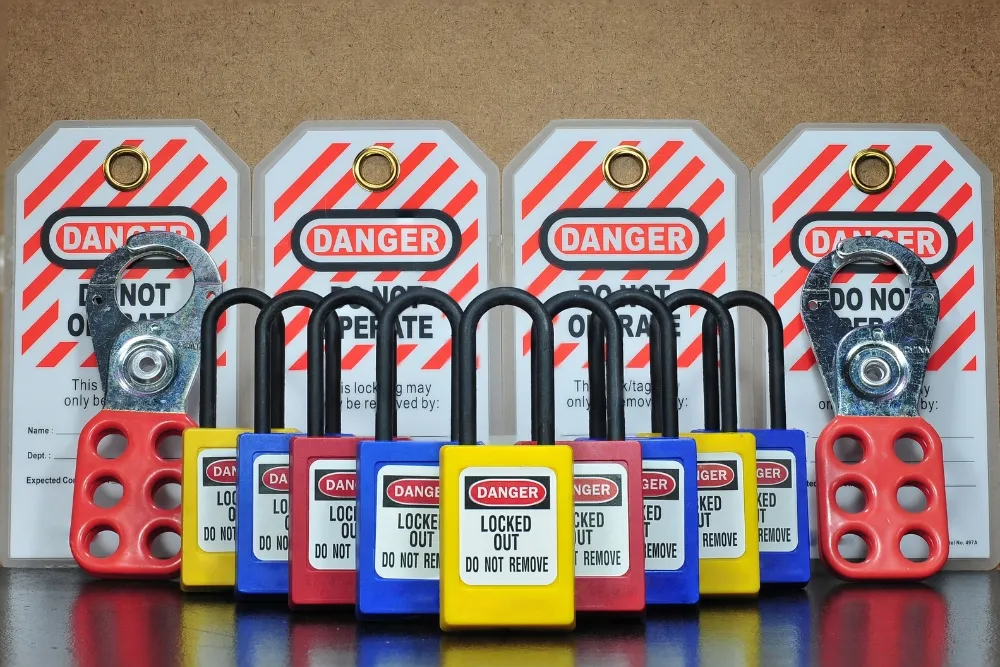
Lockout and Tagout procedures are critical safety measures aimed at preventing accidents in workplaces, especially those with hazardous energy sources. They involve the use of locks and tags to secure energy-isolating devices, ensuring that equipment is de-energised and cannot be operated until the lockout or tagout devices are removed.
This protects workers from unexpected startups of machinery or releases of hazardous energy during maintenance or repair tasks.
We apply these procedures not just to comply with Occupational Safety and Health Administration (OSHA) standards but also to safeguard our team’s well-being. By correctly implementing lockout/tagout practices, we mitigate risks associated with electrical, mechanical, hydraulic, pneumatic, chemical, thermal, or other types of energy hazards.
Moving on to the purpose section will reveal how these actions form a foundation for workplace safety initiatives.
Purpose
We implement lockout and tagout procedures to protect against hazardous energy during maintenance or servicing activities, such as electrical disconnections. These procedures are essential for safeguarding employees’ safety by preventing unexpected start-ups of machinery or equipment.
Additionally, they ensure that workers do not inadvertently release stored energy while performing repairs or maintenance tasks, which can lead to serious injuries.
Emergency control procedures are crucial for minimising the impact of unforeseen events on both employees and business operations. Having a clear emergency response plan in place underpins workplace safety and helps mitigate risks associated with mass casualty incidents or chemical hazards.
Occupational Safety and Health Administration (OSHA) standards
Following the purpose of lockout and tagout procedures, it is essential to understand the Occupational Safety and Health Administration (OSHA) standards. OSHA sets regulations to ensure the safety and health of workers by enforcing guidelines for controlling hazardous energy during maintenance or servicing work.
These standards outline specific requirements for proper lockout/tagout procedures, aiming to prevent unexpected energisation or startup of machinery or equipment. Compliance with these regulations ultimately reduces workplace accidents and protects employees from potential hazards related to hazardous energy control.
Adhering to OSHA standards requires implementing comprehensive procedures that address the identification, isolation, de-energising, verification, and isolation of energy sources when conducting maintenance tasks.
Importance of Emergency Control Procedures
Emergency control procedures are crucial for assessing and managing potential hazards, and ensuring the safety of individuals in both home and business environments. Understanding the risks associated with chemical hazards and hazardous energy is essential for implementing effective emergency response strategies.
Hazard assessment
Conducting a hazard assessment helps identify potential risks in the workplace, from chemical hazards to hazardous energy. This evaluation is crucial for ensuring safety and preventing accidents that could lead to injuries or damage.
By understanding and addressing these hazards, we can create a safer environment for everyone involved.
Implementing an emergency action plan based on the hazard assessment findings is essential. It ensures that you are prepared to respond effectively to any potential emergency situations.
Chemical hazards
Chemical hazards can pose serious risks to both people and the environment within our homes or businesses. Identifying these hazards, such as toxic substances, flammable materials, or corrosive chemicals, is crucial for maintaining a safe and secure environment.
Implementing proper hazard assessment procedures is vital in preventing accidents and ensuring the safety of everyone on the premises.
Understanding how different chemicals interact with one another and their potential dangers can help us establish protocols that limit exposure and prevent emergencies. Regular training on handling hazardous materials, using personal protective equipment (PPE), and understanding chemical warning labels are essential steps in safeguarding against chemical hazards in our surroundings.
Hazardous energy
Hazardous energy poses a significant risk in both home and workplace environments. It includes electrical, mechanical, hydraulic, pneumatic or thermal energy that can cause harm. Understanding how to control hazardous energy through lockout/tagout procedures is crucial for preventing accidents.
Regularly inspecting equipment and machinery is essential to ensure that they are properly locked out when servicing or maintaining them. Additionally, providing proper training to employees on hazard recognition and lockout/tagout procedures can help mitigate risks associated with hazardous energy.
This thorough approach underscores the importance of integrating effective control measures within the work environment. From performing regular maintenance checks to ensuring personnel are well-versed in recognised hazardous situations, addressing potential hazards related to various forms of dangerous energy remains imperative for minimising associated risks.
Emergency Response and Disaster Preparedness
Emergency Response and Disaster Preparedness involves mass casualty incident management, triage, first aid training, and implementing an emergency action plan. For more information on preparing for emergencies and disasters, continue reading the full article.
Mass casualty incidents
In mass casualty incidents, immediate action is crucial. Assess the situation and prioritise treatment for those who can benefit most from medical intervention, a system known as triage.

Ensure that your emergency action plan includes this protocol, as well as first aid training for designated employees. This training empowers them to provide life-saving assistance during a crisis.
To be well-prepared, businesses should conduct regular drills that simulate mass casualty incidents. In addition to fostering readiness among staff members, these exercises help identify areas where your emergency response plan may need improvement or revision.
Triage
After a disaster, triage helps emergency responders prioritise medical care based on the severity of injuries. Triage involves quickly assessing individuals to determine who needs immediate attention and who can wait for treatment.
This allows limited resources to be used efficiently, helping to save more lives in a crisis situation.
Triage is an essential aspect of disaster preparedness for businesses and homes alike. Having a basic knowledge of triage procedures can help you assist others in an emergency and ensure that those most in need receive prompt medical assistance.
First aid training
First aid training is crucial for both home and business owners. It equips individuals with essential skills to provide immediate assistance in case of injuries or medical emergencies. This includes:
- Learning basic life support techniques such as CPR.
- Understanding how to handle minor wounds, burns, and fractures.
- Recognising signs of a heart attack, stroke, or allergic reaction.
- Knowing how to use an automated external defibrillator (AED) when necessary.
- Being trained to administer first aid in emergency situations until professional help arrives.
Remember, having individuals on your premises who are equipped with first aid training can make a significant difference in the event of an emergency.
Emergency action plan
In preparing for emergencies, setting up an emergency action plan is crucial in enhancing the safety of our homes and businesses. The first step is to conduct a hazard assessment to identify potential risks and determine appropriate preventive measures.
It’s essential to establish clear evacuation procedures and designate assembly points. Educating all occupants about these procedures will help ensure their safety during an emergency situation.
When it comes to establishing an effective emergency action plan, ensuring that everyone understands their roles and responsibilities is vital for a coordinated response. Regular drills and training exercises also play a significant role in ensuring preparedness for various disaster scenarios such as fires, natural disasters, or other critical incidents.
Maintaining Workplace Safety
To ensure workplace safety, it’s crucial to use lockout/tagout procedures correctly and conduct regular fire equipment maintenance.
Proper use of lockout/tagout procedures
Proper use of lockout/tagout procedures is crucial for workplace safety and injury prevention.
- Verify that all energy sources are turned off before beginning any service or maintenance work.
- Always use appropriate lockout/tagout devices to ensure equipment remains inoperative while work is being performed.
- Confirm that all personnel understand the purpose and proper procedures for implementing lockout/tagout measures.
- Regularly inspect and maintain lockout/tagout devices to ensure they are functioning correctly when needed.
Fire equipment maintenance
Regular fire equipment maintenance is crucial for ensuring the reliability and effectiveness of your fire safety measures. Inspect and test fire alarms, smoke detectors, fire extinguishers, and emergency lighting regularly to ensure they are in good working order.
Keep a record of all maintenance activities to ensure compliance with safety regulations and standards. In addition, provide training for designated employees on how to properly use this equipment during an emergency.
By conducting regular fire equipment maintenance and providing adequate employee training, you can significantly reduce the risk of injuries or fatalities in the event of a fire-related incident.

Disaster Preparedness and Response
Disaster preparedness and response involve training for emergency evacuation, managing crises, providing disaster relief, implementing emergency management strategies, and coordinating disaster response efforts.
Maintaining workplace safety is vital for effective disaster preparedness and response.
Emergency evacuation
In an emergency, evacuate the premises following the emergency action plan.
- Be familiar with all designated evacuation routes
- Ensure clear pathways and exits
- Conduct regular drills to practice evacuation procedures
- Establish a designated meeting point outside the building
- Keep emergency supplies stocked and accessible in designated areas
- Assign specific roles and responsibilities for evacuation coordination
- Communicate effectively with all occupants during an evacuation
- Consider individuals with access or functional needs in your plans
Crisis management
During a crisis, clear and swift decision-making is crucial. We must establish a crisis management team responsible for overseeing emergency response procedures such as evacuation plans, communication protocols, and resource allocation.
It’s vital to conduct regular drills to ensure everyone knows their role in the event of an emergency.
We need to stay updated with the latest developments in crisis management techniques and tools to effectively respond to unexpected situations. This includes maintaining open lines of communication with local emergency services and having a detailed disaster recovery plan in place.
Disaster relief
In the event of a disaster, quick and effective relief is crucial for saving lives and minimising damage. Responding to emergencies such as natural disasters or mass casualty incidents requires coordination between first responders, local authorities, and community members.
Mobilising resources for disaster relief efforts, including medical aid, shelter supplies, food provisions, and emergency equipment can make a significant impact in supporting affected individuals and communities during challenging times.
Implementing an established disaster relief plan that outlines roles and responsibilities while accounting for potential challenges can help streamline the process of providing aid.
Emergency management
Transitioning from disaster relief to emergency management, we find that being prepared for emergencies is crucial for both homeowners and business owners. From developing a comprehensive emergency action plan to conducting regular drills and training, it’s vital to stay vigilant and proactive to effectively respond to any unexpected situation.
Taking into account the unpredictable nature of emergencies, such as natural disasters or workplace accidents, having clear protocols in place ensures that all parties involved are well-informed and equipped to handle these challenging situations.
By incorporating regular maintenance checks on safety equipment, along with ensuring that everyone understands their roles and responsibilities during an emergency, we can create a safe environment for ourselves and those around us.
Disaster response
In the event of a disaster, having a well-prepared and practised emergency response plan is crucial for both home and business owners. This includes being ready to handle mass casualty incidents, conducting triage effectively, understanding first aid procedures, and having an established emergency action plan.
It’s important to stay informed about disaster response protocols and ensure that all personnel are trained in handling crisis situations. Being proactive in disaster preparedness can significantly mitigate potential risks and safeguard lives.
To maintain workplace safety during disasters, it’s essential to take part in regular drills for emergency evacuation procedures, understand crisis management strategies to minimise damage during a disaster, be aware of available disaster relief resources, have a clear understanding of emergency management roles and responsibilities within your organisation or community, and be prepared to execute swift disaster responses as required.
Your Space, Our Tagout Expertise – Safety First!
Emergency response and disaster preparedness are critical aspects of workplace safety. Understanding the importance of lockout and tagout procedures, emergency control measures, and disaster response is crucial for all individuals.
By implementing proper protocols and training for emergency situations, we can ensure the safety of both employees and communities. It’s essential to stay informed about emergency preparedness to effectively handle crises.
Prepare for emergencies with robust Tag Out protocols! Ensure your facility is ready to respond swiftly and effectively to any situation. Contact us today to implement comprehensive Tag Out systems for enhanced emergency response and disaster preparedness.