
Tag Out System · 2 November 2023
Streamlining Operations with Tag Out Systems
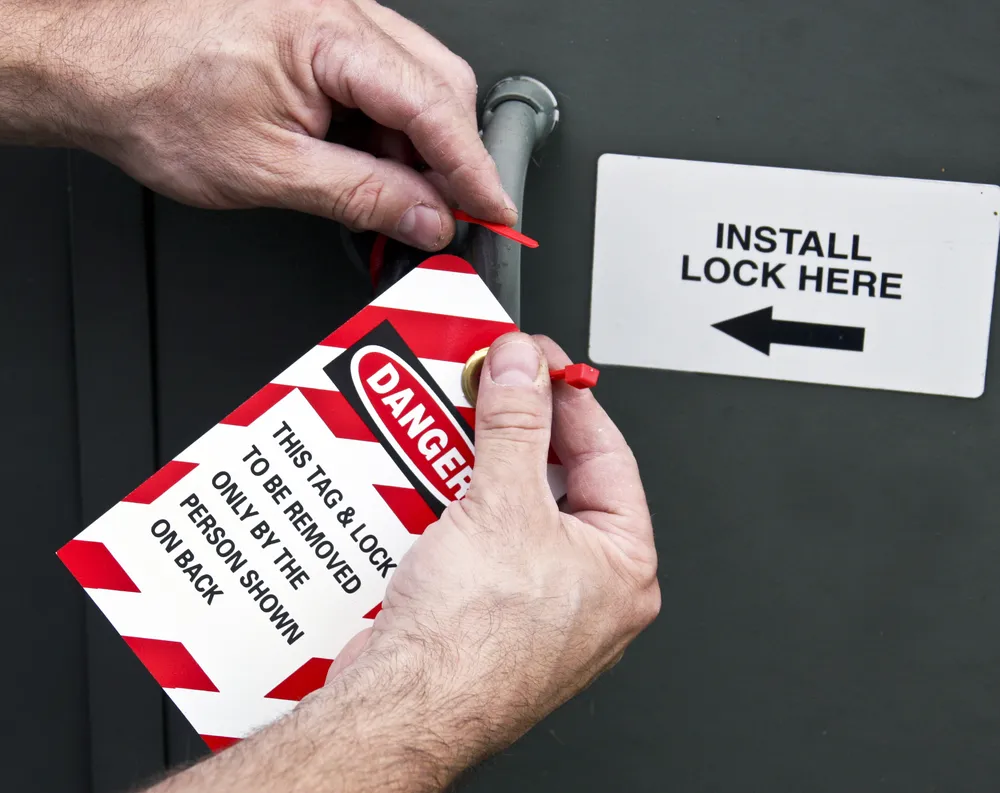
Picture this: You’re at work, and the maintenance shutdown’s dragging on longer than a long weekend footy match. We know how it goes; we’ve dug into the nuts and bolts to suss out how a top-notch tag-out system can get things moving quickly.
Our yarn today is all about sharing those golden nuggets that’ll shave off downtime while ensuring everyone’s as safe as houses. So gather ’round – let’s have a chinwag about keeping things smooth and sorted on site. No waffling here, promise – just straight-up good advice!
Key Takeaways
- LOTO procedures are crucial for workplace safety, involving the isolation of hazardous energy sources with locks and tags to prevent accidental start-up during maintenance or servicing.
- Implementing standardised LOTO procedures enhances workplace safety, compliance with regulatory standards, efficiency in maintenance operations, and overall productivity.
- Clear responsibilities for management, supervisors, and authorised individuals include providing clear guidelines for shutdown preparations, ensuring effective training for employees involved in lockout/tagout procedures, integrating technological advancements into LOTO processes, implementing digitised LOTO procedure checklists and efficient asset management through tag-out systems.
Understanding Lockout/Tagout Procedures
Lockout/Tagout (LOTO) procedures are essential for workplace safety. It involves isolating hazardous energy sources and placing locks or tags on equipment to prevent accidental start-up during maintenance or servicing.
Every individual in the organisation, from management to authorised employees, must understand their responsibilities in implementing and following LOTO procedures.

What is LOTO?
LOTO stands for Lockout Tagout, and it’s a crucial safety procedure that keeps us safe at work. It involves locking out machinery or equipment to prevent accidental start-up while maintenance is going on.
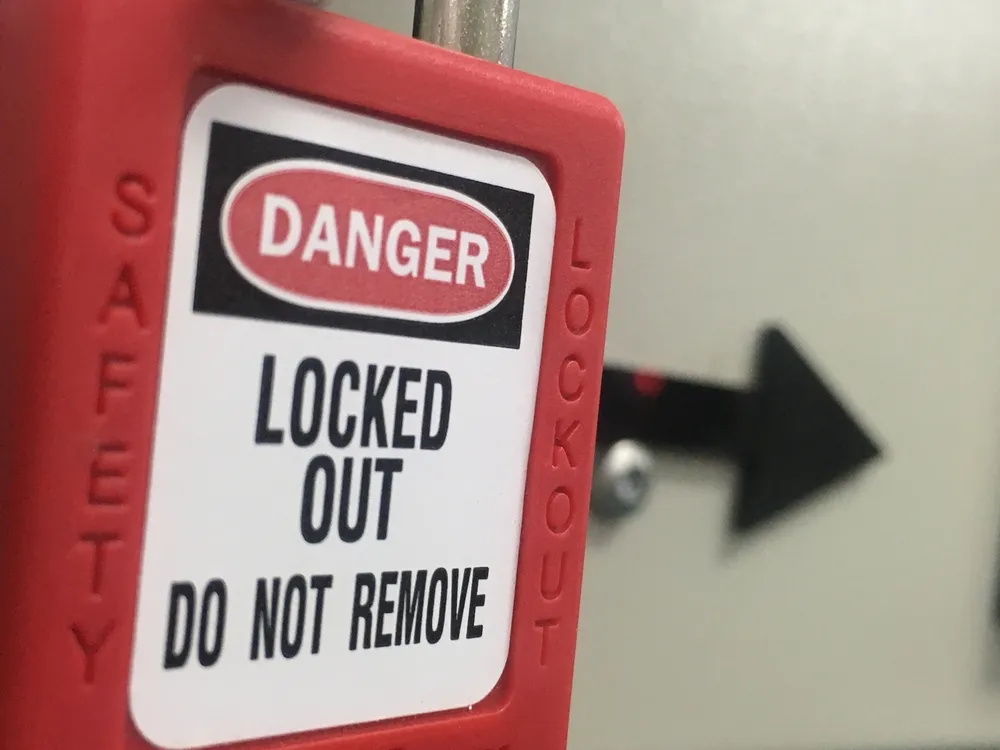
This way, we all stay protected from unexpected release of hazardous energy. We use locks and tags as visual cues so everyone knows not to operate the equipment until the locks are removed by authorised individuals.
We’re responsible for following these set guidelines every time we service machines, this ensures our operations are secure and efficient. When we stick with a standardised LOTO process, productivity improves because we’re not facing avoidable interruptions or accidents. Our focus remains on getting tasks done correctly without putting anyone at risk.
Benefits of LOTO procedures
LOTO procedures provide standardised processes that streamline maintenance, improving efficiency and productivity. They enhance workplace safety by preventing unintentional exposure to hazardous energy from machinery and equipment.
- Clear Guidelines: LOTO procedures offer clear guidelines for isolating and controlling energy sources during maintenance, reducing the risk of accidents and injuries.
- Standardised Processes: Standardising LOTO procedures across operations ensures consistent safety measures are in place, enhancing occupational safety for all workers.
- Improved Compliance: Implementing LOTO procedures ensures compliance with regulatory standards, minimising risks and liabilities associated with machinery operation.
- Increased Productivity: Efficient LOTO procedures reduce downtime during maintenance, allowing for quicker turnaround times and increased operational efficiency.
- Enhanced Worker Safety: By following LOTO procedures, organisations prioritise worker safety, leading to a reduction in workplace accidents and injuries.
- Maintenance Safety: LOTO procedures ensure that authorised personnel follow specific steps to safeguard themselves while performing maintenance on machinery and equipment.
- Streamlined Training Operations: Adhering to LOTO procedures streamlines worker training by providing a standardised approach to equipment isolation and energy control.
- Efficiency Improvement: Implementing LOTO procedures leads to improved facility operations, as it reduces the time required for lockout/tagout processes.
Responsibilities of management, supervisors, and authorised individuals in implementing LOTO procedures
After understanding the benefits of LOTO procedures, it is crucial to recognise the responsibilities of management, supervisors, and authorised individuals in implementing these procedures. This includes:
- Providing clear guidelines and standardised processes to streamline maintenance and improve efficiency and productivity.
- Ensuring proper training for employees involved in lockout/tagout procedures to protect against unintentional exposure to hazardous energy from equipment and machinery.
- Integrating emerging technological advancements into LOTO procedures to enhance safety and reduce the time required to complete the process.
- Implementing digitised lockout tagout (LOTO) procedure checklists to ensure that all necessary steps are followed for workplace safety and efficiency.
- Enabling effective asset management through tag-out systems to maintain accurate inventory, reduce losses, and enhance overall operational efficiency.
Key Steps in Performing Lockout/Tagout Procedures
Determining the appropriate procedure is crucial for ensuring that the right equipment is shut down and isolated safely.
Determining the appropriate procedure
To determine the appropriate lockout/tagout (LOTO) procedure, consider the specific equipment or machinery that needs maintenance. Look at the type of energy sources involved and the potential hazards associated with them. Once you have identified the equipment and energy sources, follow these key steps:
- Assess all energy sources: Identify all potential energy sources – electrical, mechanical, hydraulic, and pneumatic – that need to be isolated before performing maintenance.
- Evaluate potential hazards: Understand the risks associated with each energy source and the equipment being serviced to ensure proper isolation measures are applied.
- Determine isolation methods: Select suitable lockout devices for each energy source to ensure complete de-energisation and isolation.
- Identify authorised employees: Designate qualified personnel who will perform lockout/tagout procedures and ensure they are adequately trained.
Shutdown preparations
After determining the appropriate lockout/tagout procedure, the next crucial step is shutdown preparations. Here are the key steps to ensure a safe and efficient shutdown:
- Conduct a thorough assessment of the equipment and machinery that will undergo lockout/tagout procedures.
- Notify all employees about the impending shutdown and ensure that they have ample time to complete their tasks safely.
- Secure any materials or tools that may be affected by the shutdown, ensuring that they are safely stored or removed from the area.
- Confirm that all necessary personnel are aware of their responsibilities for implementing the shutdown procedures.
- Double-check that all necessary locks, tags, and other safety devices are readily available for use during the shutdown process.
- Obtain any required permits or authorisations for specific lockout/tagout activities, ensuring compliance with safety regulations.
Informing employees
- Brief all employees about the upcoming lockout/tagout (LOTO) procedure to ensure everyone is aware of the scheduled equipment shutdown and isolation.
- Communicate the specific equipment and areas that will be affected by the LOTO procedure, providing details on timelines and possible disruptions to regular operations.
- Emphasise the importance of following safety protocols during the LOTO process, highlighting the risks associated with bypassing or ignoring the procedures.
- Conduct training sessions or toolbox talks to educate employees on their roles and responsibilities during the lockout/tagout, emphasising their crucial role in maintaining a safe work environment.
- Encourage open communication between employees and management to address any concerns or questions related to the LOTO procedure, fostering a culture of transparency and accountability within the workplace.
Shutting down and isolating equipment
Shutting down and isolating equipment is a crucial step in the lockout/tagout procedure. It is important to follow these steps to ensure safety and efficiency in the workplace:
- Notify all affected employees about the intention to shut down and isolate the equipment.
- Identify all energy sources associated with the equipment that need to be isolated or controlled.
- Stop the operation of the equipment using normal stopping procedures.
- The isolation can involve shutting off energy at its source, blocking or disconnecting energy flows, or controlling hazardous energy through other methods as required by different situations.
Adding individual locks
After shutting down and isolating equipment, the next step is to add individual locks as part of the lockout/tagout procedure. This crucial step ensures that no unauthorised personnel can re-energise the equipment during maintenance. Here are key considerations for adding individual locks:
- Secure each energy-isolating device with a lock specific to the assigned worker to prevent accidental re-energisation.
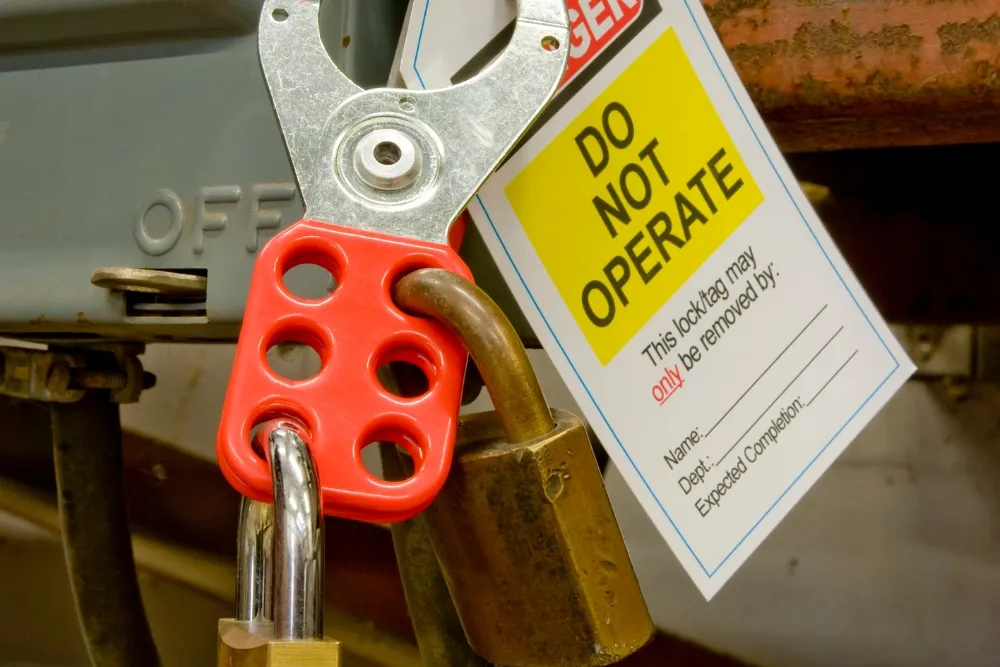
- Use lockout hasps to accommodate multiple workers by allowing each person to add their padlock.
- Ensure that each lock is uniquely keyed and identifiable to the authorised employee performing the work.
- Communicate clearly about the importance of not removing another person’s lock until all work is completed and verified safe.
- Train employees on proper lock usage, including how and when to apply and remove them by LOTO procedures.
- Regularly inspect locks for damage or wear and replace them as necessary to ensure their effectiveness in preventing unexpected energisation.
- Implement a strict policy regarding the removal of locks only after all employees have completed their tasks and verified safety conditions.
Checking stored energy
After adding individual locks, the next crucial step in the lockout/tagout procedure is checking stored energy. This step involves ensuring that all potential sources of hazardous energy are properly isolated and dissipated before any maintenance or servicing work begins. Properly checking stored energy is essential for preventing unexpected startup or release of hazardous energy, which can lead to serious injuries or fatalities. Here are the key actions to take when checking stored energy:
- Identify and assess all potential sources of stored energy, such as electrical, mechanical, hydraulic, pneumatic, and thermal energy.
- Use appropriate testing equipment to verify that stored energy has been completely dissipated and there is no residual power remaining in the equipment or machinery.
- Follow established procedures for releasing any trapped or residual energy from the equipment through safe methods such as bleeding off pressure, discharging capacitors, block and bleed valves, or grounding conductors.
- Communicate with team members involved in the maintenance work to ensure everyone understands the status of stored energy and the necessary precautions to be taken.
- Document all steps taken during the process of checking stored energy to maintain a comprehensive record of safety measures implemented.
- Implement double-checking mechanisms by involving a second authorised individual to independently verify that all sources of hazardous energy have been effectively isolated and dissipated.
- Conduct periodic reassessments during longer maintenance tasks to confirm that stored energy remains safely isolated throughout the work.
Ensuring proper isolation
Ensuring proper isolation is crucial for safety and efficiency in lockout/tagout procedures. Here are the key steps to ensure proper isolation:
- Identify all energy sources: Locate and identify the various energy sources that need to be isolated, including electrical, mechanical, hydraulic, pneumatic, and gravitational energy.
- Securely power down equipment: Power down the equipment following the manufacturer’s specific guidelines and ensure it is in a zero-energy state before proceeding further.
- Isolate energy sources: Physically disconnect all energy sources by using appropriate tools and equipment such as valves, switches, or blocking devices to isolate each source effectively.
- Lockout and tagout: Install individual locks on each isolating device to prevent accidental activation or start-up of the machinery while tagging it with a clear indication of its status.
- Verify isolation: Double-check all isolating devices to confirm that they are secure and there is no residual energy present before commencing any maintenance work or servicing.
- Communicate with team members: Inform all personnel involved about the isolation process being completed, ensuring everyone understands the status of the equipment before any work begins.
- Record keeping: Keep detailed records of the isolation process completed including date, time, and specific actions taken as part of organisational documentation.
Shutting off controls
Shutting off controls ensures the safe deactivation of power sources and control systems for equipment and machinery. This critical step in lockout/tagout procedures helps prevent any accidental restarts or energisation during maintenance activities.
- Identify the control switches, buttons, or levers that need to be turned off to deactivate the equipment.
- Follow the manufacturer’s instructions or standard operating procedures to ensure proper shutdown of all control systems.
- Use appropriate tools or equipment to safely shut off the controls, such as insulated gloves or protective gear if required.
- Verify that all controls are fully disengaged and locked out before proceeding with any maintenance work.
- Communicate clearly with team members about the deactivation of controls and confirm that everyone understands which controls have been shut off.
- Document the shutdown process by company policies and regulations for accurate record-keeping and compliance purposes.
Restoring equipment
After shutting off controls, the final step in the lockout/tagout procedure is restoring equipment. This crucial stage ensures that the machinery and equipment are safely returned to their normal operational state. Below are essential steps for restoring equipment:
- Inspecting the work area to ensure all tools and equipment are accounted for and hazardous materials are properly handled.
- Communicating with team members to confirm that everyone is clear from the work area and understands when equipment will be restored.
- Removing locks and tags only once it’s determined that all work has been completed, all tools have been removed, and everyone is in a safe position.
- Gradually reintroducing energy to the system to avoid sudden shocks or hazards, ensuring a smooth transition back to operation.
- Conducting a final inspection of the machinery to verify that all components are functioning as intended before resuming regular operations.
Enhancing Safety with Technology
Utilising technology such as SafetyCulture (formerly iAuditor) can streamline LOTO procedures, integrate with food safety guidelines, and provide training for proper implementation.
Read on to learn more about the benefits of using technology for lockout/tagout procedures.
SafetyCulture (formerly iAuditor)
SafetyCulture (formerly iAuditor) offers a comprehensive solution for streamlining lockout/tagout procedures. The platform allows home, industrial, and office owners to digitise their LOTO processes, enhancing efficiency and freeing up workers to focus on other critical tasks.
With SafetyCulture’s technology, users can easily integrate food safety guidelines and key risk indicators into their LOTO procedures, ensuring compliance while reducing the time required to complete the process.
Additionally, the training provided by SafetyCulture ensures that employees are equipped with the knowledge and skills necessary for proper lockout/tagout procedures.
Benefits of using technology for LOTO procedures
Streamlining asset management with tag-out systems enables organisations to maintain accurate inventory, reduce losses, and enhance overall operational efficiency. Leveraging technology for LOTO procedures offers numerous advantages for home, industrial, and office owners. Here are the key benefits:
- Streamlined processes: Technology simplifies the implementation of LOTO procedures, ensuring clarity and standardisation across all equipment and machinery.
- Increased efficiency: Digital tools reduce the time required to complete lockout/tagout processes, saving valuable resources and minimising downtime.
- Enhanced safety measures: Technology integration enhances safety by providing real-time monitoring of energy sources and equipment status, reducing the risk of accidental exposure to hazardous energy.
- Improved compliance: Digital solutions support regulatory compliance by maintaining comprehensive records of LOTO activities, inspections, and training.
- Remote accessibility: Modern technology allows for remote access to lockout/tagout systems, enabling quick response in emergencies and facilitating efficient maintenance operations.
- Data analytics: Digital platforms offer data analysis capabilities that help identify trends, assess risks, and enhance decision-making for continuous improvement in LOTO procedures.
Integration with food safety guidelines and key risk indicators
Integrating lockout/tagout (LOTO) procedures with food safety guidelines and key risk indicators is essential for maintaining a safe work environment. It ensures compliance with industry regulations and reduces the risk of contamination or hazards. This integration also aids in minimising foodborne illnesses and enhancing operational efficiency.
- Aligning LOTO procedures with Hazard Analysis and Critical Control Points (HACCP) principles to prevent potential contamination during equipment maintenance.
- Incorporating LOTO protocols into regular food safety audits to ensure that all energy sources are properly controlled and isolated.
- Implementing LOTO measures by guidelines to mitigate workplace hazards, thereby promoting a safer work environment.
- Adhering to Good Manufacturing Practices (GMP) by utilising LOTO procedures to safeguard against accidental release of energy in food processing facilities.
- Monitoring key risk indicators related to energy isolation during maintenance activities to proactively address potential safety issues and maintain uninterrupted production processes.
Training for proper LOTO procedures
To ensure workplace safety and efficiency, all employees need to undergo comprehensive training in proper LOTO procedures. This includes understanding the importance of lockout tagout systems, recognising hazardous energy sources, and familiarising themselves with the steps involved in implementing LOTO procedures.
Training should encompass the specific responsibilities of management, supervisors, and authorised individuals in adhering to LOTO guidelines while emphasising the significance of compliance with safety regulations.
Effective training programs should also educate employees on identifying potential hazards associated with equipment and machinery and emphasise the correct use of lockout/tagout devices.
Revolutionising LOTO Procedures
We will explore emerging technological advancements in LOTO procedures, including electronic systems, mobile apps, RFID technology, and augmented reality. Electronic LOTO systems enable remote lockout and unlock capabilities, improving efficiency. Mobile apps provide real-time access to LOTO procedures and equipment status.
RFID technology allows for automatic equipment shutdown when tagged personnel enter dangerous zones. Augmented reality offers interactive training and on-site guidance for executing LOTO procedures accurately.
Emerging technological advancements
Emerging technological advancements are transforming lockout/tagout (LOTO) procedures, and revolutionising workplace safety. These advancements include electronic LOTO systems, mobile apps, RFID technology, and augmented reality.
Electronic LOTO systems
Amid the emergence of technological advancements, electronic LOTO systems have revolutionised traditional lockout/tagout procedures. These systems offer a more efficient and reliable way to control hazardous energy, streamlining operations and enhancing workplace safety.
Integrating electronic LOTO systems streamlines asset management by providing accurate inventory and reducing losses, ultimately boosting overall efficiency and productivity in various industries.
Additionally, digitising lockout tagout procedures allows workers to focus on other essential tasks while improving efficiency.
Mobile apps
Mobile apps are revolutionising lockout/tagout (LOTO) procedures, making them more accessible and efficient for home, industrial, and office owners. These apps streamline the process of implementing LOTO procedures by providing step-by-step guidance, digital checklists, and real-time communication tools.
With mobile apps, users can easily access equipment isolation procedures, training materials, and risk assessment guidelines on their smartphones or tablets. Additionally, these apps integrate seamlessly with existing safety protocols and asset management systems to further enhance workplace safety and operational efficiency.
Incorporating mobile apps into LOTO procedures not only improves accessibility but also allows for greater flexibility in managing safety protocols across various work environments.
As technology continues to advance in this field, organisations must embrace these innovative solutions to ensure the ongoing enhancement of workplace safety practices.
RFID technology
Revolutionising LOTO procedures with the integration of technology such as mobile apps has significantly enhanced safety and efficiency in industrial, office, and home environments.
Another technological advancement that holds promise for streamlining lockout/tagout processes is RFID technology. Through the use of RFID tags and readers, equipment can be quickly identified and tagged out, reducing the time required to complete LOTO procedures.
This not only ensures enhanced safety but also contributes to increased productivity by minimising downtime during maintenance activities.
RFID technology plays a crucial role in modernising LOTO systems by automating asset identification and tracking while improving overall operational efficiency. Integrating RFID into lockout/tagout practices leads to accurate inventory management, reduced losses, and streamlined operations for industrial plants, offices, and even homes.
Augmented reality
Stepping beyond the innovative use of RFID technology into the realm of augmented reality, we find that this technological advancement is revolutionising lockout/tagout procedures. Augmented reality provides a dynamic and interactive way to overlay digital information onto the physical environment in real time.
This allows workers to visualise potential hazards, equipment status, and procedural steps directly within their field of vision. By incorporating augmented reality into lockout/tagout processes, organisations can enhance safety by providing clear guidance and real-time data visualisation, ultimately streamlining operations and improving efficiency.
Augmented reality not only provides a hands-free approach to accessing crucial information but also facilitates better decision-making by offering instant access to relevant data. With this technology, employees can receive on-the-spot guidance, visual cues for isolating energy sources, and equipment status updates in real-time.
Implications and Future of LOTO Systems
The implications and future of LOTO systems are significant, as they can lead to increased workplace safety and efficiency. With emerging technological advancements such as electronic LOTO systems, mobile apps, RFID technology, and augmented reality, the potential for revolutionising LOTO procedures is immense.
However, there may be concerns about integrating these new technologies into existing work practices. Moving forward, the implications for workplace safety are positive with the adoption of these advanced LOTO procedures in various industries.
Advantages of revolutionised LOTO procedures
Revolutionised LOTO procedures bring several benefits to home, industrial, and office owners:
- Enhanced Efficiency: Streamlining lockout/tagout processes with technology saves time and effort, improving overall operational efficiency.
- Reduced Risk: Emerging technological advancements in electronic LOTO systems and mobile apps enhance workplace safety by minimising the risk of unintentional exposure to hazardous energy.
- Improved Productivity: Digitising lockout/tagout procedures frees up workers to focus on other tasks, ultimately boosting productivity and output.
- Regulatory Compliance: Revolutionised LOTO procedures ensure adherence to safety guidelines and regulations, mitigating potential legal and financial repercussions.
- Space Optimisation: Utilising electronic LOTO systems and RFID technology allows for efficient use of the workspace, maximising facility safety and functionality.
Potential concerns
Potential concerns surrounding lockout/tagout (LOTO) procedures include the need for thorough employee training, ensuring proper documentation and compliance with regulations, and potential challenges in implementing technology-based LOTO systems.
Adequate training is essential to ensure that all employees understand the importance of LOTO procedures and are equipped with the necessary knowledge to perform them effectively. Additionally, maintaining comprehensive documentation and ensuring regulatory compliance can be an ongoing concern for organisations, especially as technology continues to evolve.
Furthermore, while technology offers significant benefits for streamlining LOTO processes, there may be initial challenges in integrating these systems into existing operations.
Future implications for workplace safety
As technology continues to advance, the future implications for workplace safety are promising. Integrating digital lockout/tagout systems can further streamline operations, enhance productivity, and improve overall efficiency.
The use of mobile apps and RFID technology will provide real-time monitoring and control, ensuring that employees are adequately protected from hazardous energy sources. Embracing these advancements in workplace safety procedures will not only lead to increased efficiency but also reduce the risk of potential accidents and injuries.
Moving forward, organisations must stay updated with the latest technological innovations in lockout/tagout procedures. With a proactive approach towards embracing new developments, businesses can ensure a safer working environment while maximising operational productivity and efficiency.
Ensure an Efficient Tag Out System
In conclusion, revolutionising LOTO procedures with technology can enhance workplace safety and efficiency. Implementing electronic LOTO systems, mobile apps, RFID technology, and augmented reality offers numerous benefits for streamlining operations.
By embracing these advancements, organisations can optimise productivity and safeguard employees from hazardous energy exposure while maintaining a competitive edge in the market.