
LockOut Equipment · 17 September 2023
Steps to Develop a Tag Out Program
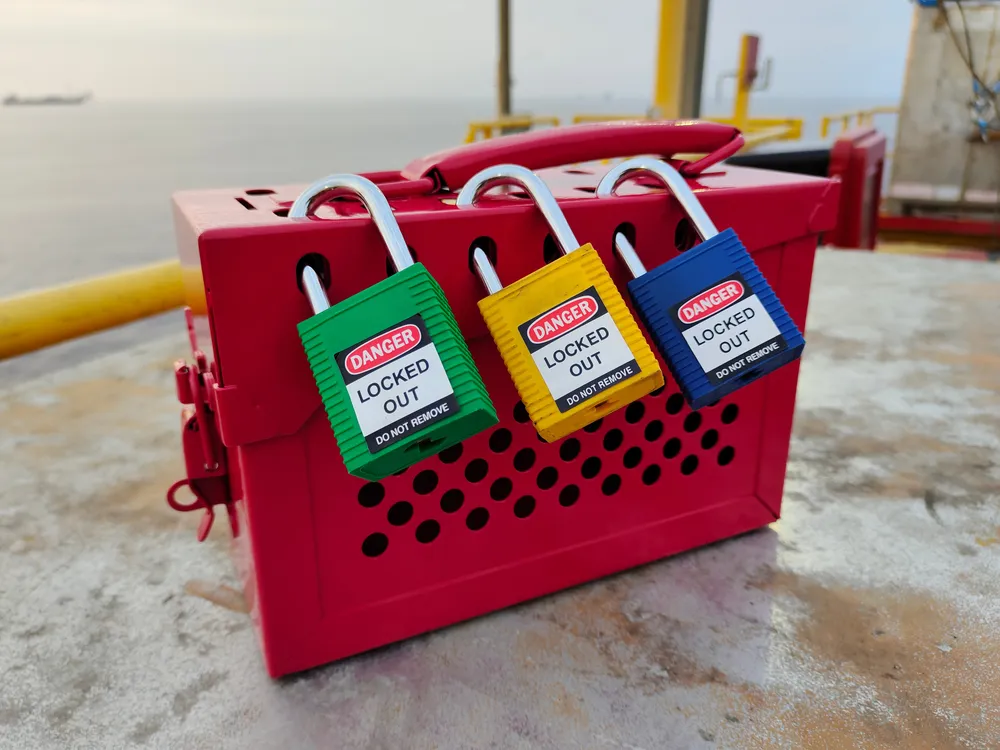
You’re standing there, gazing at a piece of machinery and scratching your head about how to service it safely. Sound familiar? It’s a bind we’ve all found ourselves in, especially noting that 10% of industrial accidents are linked to not getting lockout/tagout procedures right.
This article is your guide on the journey to establishing an effective tag-out program, designed to protect our mates from hazardous energy when they’re stuck in maintenance work.
Key Takeaways
- Identify specific procedures for lockout/tagout to ensure the safety of homeowners and maintenance personnel.
- Prepare equipment shutdown by notifying affected employees and properly shutting down and isolating energy sources.
- Notify all affected employees about lockout/tagout procedures to create a safe work environment.
- Isolate equipment by identifying and isolating energy sources, reducing the risk of accidents or injuries.
- Implement individual locks on equipment to prevent unauthorised access and accidental start-up.
- Verify isolation before returning equipment to service to prevent accidents during restart.
- Comply with lockout/tagout regulations for worker safety during maintenance activities.
- Develop a comprehensive list of machinery and equipment that requires tag-out procedures.
- Identify and mark energy sources and lockout points for easy access during the lockout/tagout process.
- Check for stored energy in machinery before starting the procedure to reduce accidents.
Understanding the Purpose of Tag Out and LOTO Safety
Tag Out and LOTO Safety play crucial roles in promoting a safer environment, particularly during equipment servicing and maintenance. These safety procedures serve as preventative measures against unexpected energy release from machinery or equipment, which could cause physical harm to employees.
Throughout the process of carrying out lockout/tagout activities, it’s essential that we adhere strictly to OSHA standards for compliance reasons.
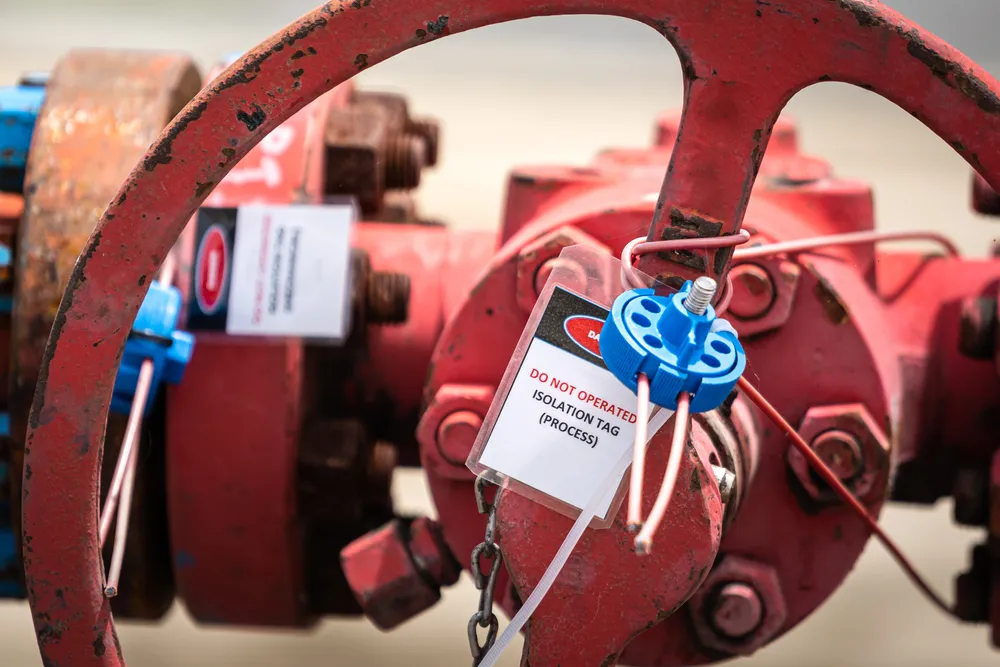
Furthermore, hazardous energy sources such as electrical, mechanical or thermal can pose serious threats if not properly controlled or isolated during routine maintenance tasks. This underpins the importance of having an efficient tag-out program at hand, ultimately reducing risks while ensuring a well-organised workflow.
Through our compliance with Lockout/Tagout regulations and best practices in implementing these safety protocols, we ensure not only the protection of our workers but also promote productivity within our premises.
Key Steps in Developing a Tag Out Program
In developing a Tag Out program, there are several key steps that need to be taken.
Identify the procedures to be used
To develop an effective tag-out program, it is crucial to identify the specific procedures that will be used for lockout/tagout. This step is essential in ensuring the safety of both homeowners and maintenance personnel.
By clearly defining the procedures to be followed, everyone involved can have a better understanding of how to safely shut down equipment and isolate energy sources. This includes outlining steps such as notifying affected individuals, properly shutting down equipment, and implementing individual locks.
Identifying these procedures from the start helps establish a structured approach towards equipment servicing and maintenance, reducing the risk of accidents or injuries when working on machinery or appliances.
Prepare for equipment shutdown
To develop a successful tag-out program, it is crucial to prepare for shutting down equipment before maintenance or servicing. This involves identifying the specific procedure to be used for lockout/tagout and notifying all affected employees about the upcoming activities.
Properly shutting down the equipment is essential, followed by identifying and isolating all energy sources associated with it. A comprehensive lockout/tagout program should include clear steps for shutting down, isolating, blocking, and securing equipment.
By following these steps and guidelines, we can ensure the safety of our workers during equipment shutdowns while maintaining compliance with regulations.
Notify all affected employees
We make sure to inform all employees who will be affected by the lockout/tagout activities and equipment involved. This includes anyone who may need to use or access the equipment, as well as those responsible for its operation or maintenance.
It is crucial that everyone is aware of the lockout/tagout procedures being implemented to ensure their safety and avoid any potential accidents or mishaps during equipment servicing.
Proper communication and notification help create a safe work environment where everyone understands their role in the tag-out program.
Isolate the equipment
To ensure the safety of everyone involved, it is crucial to isolate the equipment before initiating the tag-out procedure. This involves identifying and isolating all energy sources associated with the equipment that needs to be locked out.
By properly isolating the equipment, you prevent any unexpected release or activation of hazardous energy, reducing the risk of accidents or injuries. Make sure to follow your lockout/tagout program’s specific procedural steps for shutting down, blocking, and securing equipment during this process.
Remember that by implementing effective isolation measures, you are taking a proactive step in creating a safe work environment for maintenance and servicing tasks.

Implement individual locks
Implementing individual locks is a crucial step in developing a tag-out program. This ensures that each piece of equipment or machinery is securely locked and isolated before any servicing or maintenance takes place.
By using individual locks, we can prevent unauthorised access to the equipment and minimise the risk of accidental start-up while work is being performed. It’s important to follow the lockout/tagout procedures specific to each equipment and ensure that all energy sources are properly identified and disconnected.
By implementing individual locks, we can enhance safety measures and protect both workers and equipment from potential hazards.
Remember, when implementing individual locks as part of your tag-out program, it’s essential to provide proper training to employees on how to effectively use the locks. This will help them understand the importance of following lockout/tagout protocols and reduce the likelihood of accidents or injuries occurring during maintenance activities.
Additionally, regular inspections should be carried out to ensure that all locks are properly installed and in good working condition. By taking these steps, we can create a safer work environment for everyone involved in equipment servicing or maintenance tasks.
Verify isolation and return equipment to service
After isolating the equipment and implementing individual locks, it is essential to verify that isolation has been successfully achieved before returning the equipment to service. This verification step ensures that there are no remaining energy sources or hazards present.
By following this crucial safety measure, you can prevent any accidents or injuries when restarting the equipment. Remember to always prioritise safety by conducting thorough checks and inspections before resuming normal operations.
Importance of Compliance with Lockout/Tagout Regulations
Compliance with lockout/tagout regulations is of utmost importance when it comes to ensuring the safety of workers and preventing accidents. Following these regulations helps in effectively managing hazardous energy sources and reducing the risk of injuries or fatalities during equipment maintenance and servicing.
It is crucial for homeowners to understand that lockout/tagout procedures are not just legal requirements but also essential safety protocols that must be followed at all times. By complying with these regulations, homeowners can create a safe working environment for themselves and their employees, minimising the potential for accidents caused by unexpected energisation or startup of equipment.
Regular training, proper documentation, and thorough inspections are key elements in maintaining compliance with lockout/tagout regulations to protect everyone involved in equipment maintenance and servicing activities.
Additional Considerations for an Effective Tag Out Program
In developing an effective Tag Out Program, there are a few additional considerations that should be taken into account. It’s important to develop a comprehensive list of all machinery and equipment that will require tag-out procedures.
This will ensure that no equipment is overlooked and all necessary safety measures are implemented. Additionally, energy sources and lockout points should be clearly identified and marked for easy access.
Checking for stored energy and shutting off controls are also critical steps in the process. These additional considerations will help create a thorough and reliable Tag Out Program, ensuring the safety of employees during maintenance and servicing operations.
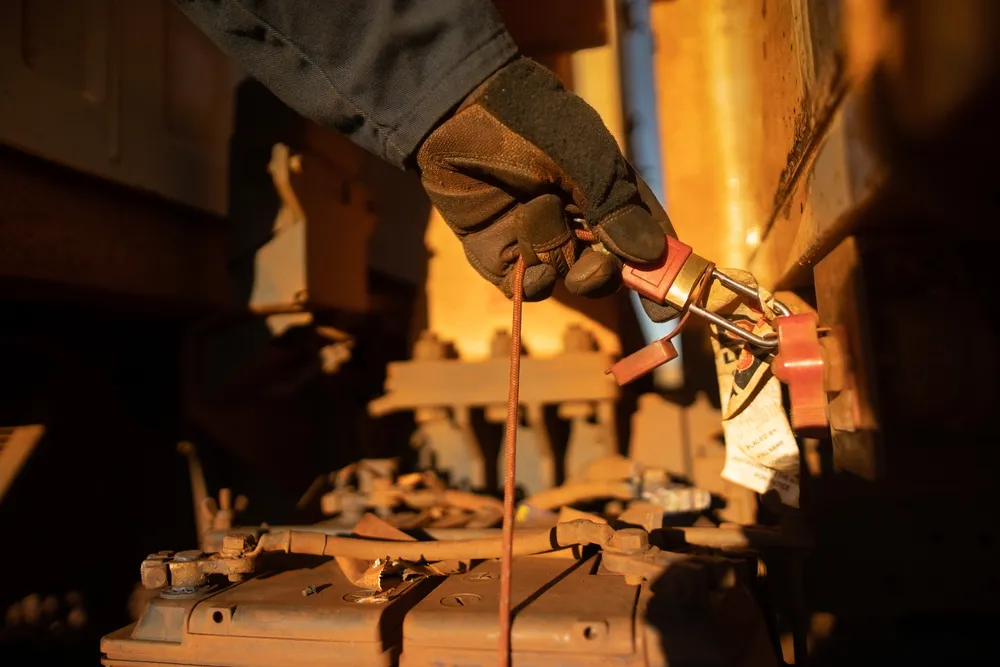
Develop a list of machinery and equipment
We need to develop a list of all the machinery and equipment in our home that requires maintenance or servicing. This includes appliances, power tools, heating and cooling systems, and any other devices that have moving parts or electrical components.
By creating this list, we can ensure that we don’t overlook any equipment when it comes time to perform lockout/tagout procedures for maintenance or repairs. It’s important to be thorough in our inventory so that we can effectively isolate and secure each piece of equipment during the lockout/tagout process.
Making a comprehensive list will help us stay organised and keep track of all the necessary steps required to maintain the safety of our home’s machinery and equipment.
Identify and mark energy sources and lockout points
To ensure the safety of everyone involved, it is crucial to accurately identify and mark all energy sources and lockout points before initiating the tag-out procedure. This involves locating and labelling electrical panels, valves, switches, and other devices that control or store energy in the equipment or machinery.
Properly marking these sources helps prevent accidental startup during maintenance activities. By clearly identifying energy sources and lockout points, homeowners can effectively implement their tag-out program and minimise potential risks associated with hazardous energy release.
Remember, meticulous attention to detail at this stage sets a strong foundation for a safe working environment during equipment servicing or maintenance procedures.
Check for stored energy
To ensure the safety of everyone involved, it is crucial to check for any stored energy before starting the lockout/tagout procedure. Stored energy can be in the form of electricity, hydraulic pressure, or potential energy in moving parts.
By checking for stored energy, you can prevent unexpected equipment movement or the release of hazardous substances, reducing the risk of accidents. This step involves systematically identifying and releasing all sources of stored energy through proper isolation procedures.
Keep in mind that even a seemingly harmless piece of equipment may still have residual energy that needs to be safely dissipated before maintenance work can begin.
Shut off controls
To ensure the safety of everyone involved, it is important to shut off controls when developing a tag-out program. This means that all switches, buttons, and levers that control the equipment should be turned off before initiating the lockout/tagout procedure.
By shutting off controls, you are preventing any accidental start-up or operation of the equipment while maintenance or servicing is being performed. This step is crucial in protecting workers from hazardous energy sources and avoiding potential accidents or injuries.
Remember to always follow proper procedures and refer to your lockout/tagout checklist for guidance on shutting off controls effectively. Safety first!
Quality Tag Out Systems, Your Way
Developing a tag-out program is essential for ensuring the safety of employees and maintaining equipment properly. By following the key steps, such as identifying procedures, notifying employees, and isolating equipment, organisations can establish effective lockout/tagout protocols.
Compliance with regulations, additional considerations like energy source identification, and regular inspections are also crucial for a successful tag-out program. With proper training and documentation, employers can create a safe working environment and reduce the risk of accidents during equipment servicing and maintenance activities.
Ready to enhance safety and compliance in your workplace? Take the first step by developing a robust Tag Out program with Tag Out System. Don’t leave the well-being of your team and equipment to chance – take action now. Contact us today to learn how our experts can guide you through the essential steps to establish a comprehensive Tag Out program. From assessment to implementation, we’ve got you covered. Elevate safety standards and prevent accidents with Tag Out System. Don’t delay – secure your workplace with a tailored Tag Out program today. Your team’s safety is our top priority!