
Tag Out System · 30 November 2023
Shaping a Safer Future for Workplaces with Tag Out Systems

In every workplace, the threat of accidents hangs about like a bad smell wherever machines or dodgy energy sources are involved. We know this all too well in our patch – getting to grips with an effective lockout/tagout (LOTO) system can knock down 85% of those nasty injuries or fatalities that could happen.
This yarn will walk you through the nitty-gritty steps and strategies you need to make your work zone as safe as houses and keep it above board with LOTO rules. Stick around; we’re talking about locking in safety for the days ahead.
Key Takeaways
- Lockout – Tagout (LOTO) systems play a critical role in preventing workplace accidents and injuries caused by exposure to hazardous energy, with statistics indicating an 85% reduction in potential incidents.
- Identifying and isolating hazardous energy sources through lockout and tagout devices is essential for creating a secure work environment. Regular training and strict adherence to LOTO procedures significantly reduce workplace hazards associated with energy exposure.
- Developing comprehensive written procedures, providing proper employee training, and ensuring regular review of LOTO programs are vital elements for maintaining safe work practices and minimising risks related to hazardous energy control.
Understanding Lockout-Tagout (LOTO)
Lockout-Tagout (LOTO) is a safety procedure used to ensure that hazardous energy sources are properly isolated and de-energised before maintenance or servicing work is performed. It’s an important practice that helps prevent accidents and injuries in the workplace.
Definition and purpose of LOTO
Lockout-Tagout, or LOTO as we often call it, is a safety procedure used in our industry to ensure that dangerous machines are properly shut down and not started up again before the completion of maintenance or repair work.
It involves placing a lock and tag on an energy-isolating device so that the equipment can’t be energised. This protocol is crucial because simply turning off power does not guarantee machinery is non-hazardous.
The purpose of having a LOTO system in place is to protect us from harm while performing tasks on electrical, mechanical, hydraulic, pneumatic, chemical, thermal, or other types of hazardous energy sources.
With statistics showing LOTO standards preventing roughly 85% of potential injuries or fatalities caused by uncontrolled energy releases, it’s clear why these procedures are non-negotiable for maintaining workplace safety.
Importance of LOTO safety
Safety is our top priority, and understanding the importance of LOTO procedures is crucial for creating a secure work environment. Implementing lockout/tagout measures can prevent up to 85% of injuries or fatalities caused by exposure to hazardous energy.
All employees need to be aware of proper lockout/tagout protocols and equipment handling practices to minimise workplace accidents and ensure everyone’s well-being. Incorporating effective LOTO safety measures not only enhances employee safety but also helps in complying with legal requirements, ultimately contributing to a safer workplace for everyone involved.
By prioritising LOTO safety, we reduce the risk of hazardous energy releases, protect against occupational hazards, and maintain a safe working environment for all personnel. Investing in proper training and following strict LOTO compliance can significantly minimise potential risks associated with machinery operation and maintenance.
Key Components of LOTO Procedures
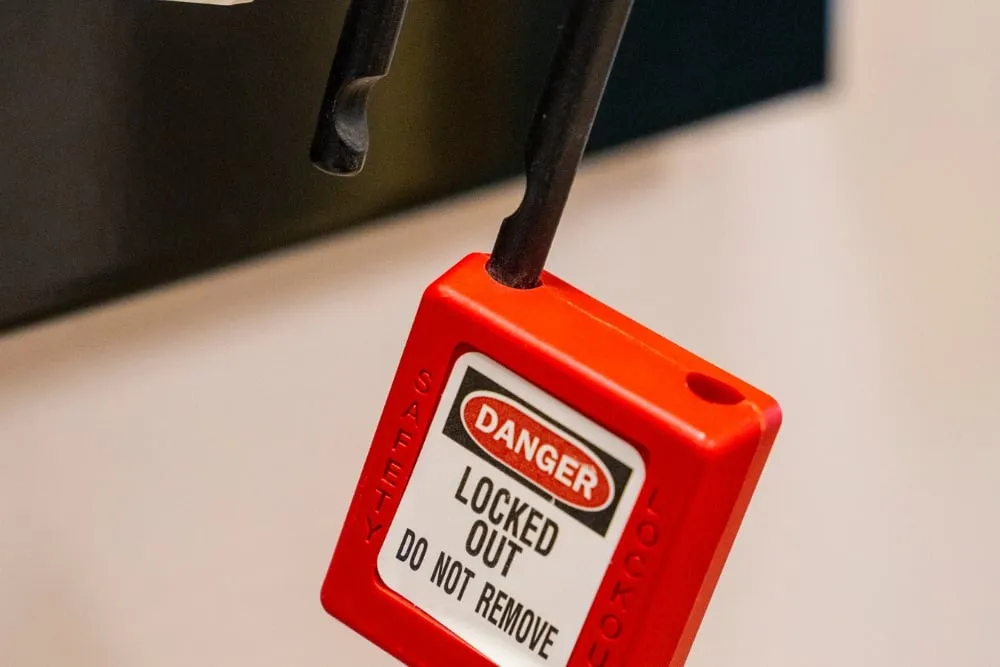
Identifying hazardous energy sources is the first step in LOTO procedures. Lockout and tagout devices are then used to isolate and de-energise the equipment for safe maintenance or servicing.
Identifying hazardous energy sources
We know that identifying hazardous energy sources is crucial for workplace safety. Here are some key areas to consider:
- Always identify all potential energy sources in the workplace, including electrical, mechanical, hydraulic, pneumatic, chemical, and thermal energy.
- Ensure that all employees are trained to recognise and understand the different types of energy sources and their associated risks.
- Regularly inspect equipment and machinery to pinpoint any potential hazardous energy sources and take immediate action to mitigate these risks.
- Implement clear labelling and signage to identify hazardous energy sources throughout the workplace for easy recognition by employees.
- Conduct thorough risk assessments to identify any unforeseen or newly developed hazardous energy sources.
- Continuously update and maintain records of all identified hazardous energy sources within the workplace for reference and training purposes.
- Establish a reporting system where employees can promptly notify management of any new or unidentified hazardous energy sources they encounter.
Lockout and tagout devices
Ensuring the proper use of lockout and tagout devices is crucial for maintaining a safe work environment. Here are the key points to remember when using these devices:
- A lockout device, such as a padlock, physically secures the energy-isolating device to prevent its operation.
- Tagout devices, which can be tags or labels, provide visual warnings and information about who is responsible for the lockout and when it was performed.
- Both lockout and tagout devices must be durable, standardised, and identifiable to ensure clear communication and effectiveness.
- Lockout/tagout procedures require strict adherence to ensure the safety of all employees working in areas with hazardous energy sources.
- Regular inspections should be conducted to verify that lockout and tagout devices are in good working condition and have not been tampered with.
Isolation and de-energisation
We secure the energy sources, ensuring safety during equipment maintenance or servicing.
- Identify all potential hazardous energy sources in the workplace.
- Use lockout devices, like padlocks, to securely isolate energy-isolating devices.
- Implement tagout devices to alert employees about isolated equipment and warn against use during maintenance.
- Ensure proper isolation of energy sources before de-energising equipment for maintenance or servicing.
- Release stored energy through established procedures to eliminate any residual hazardous energy.
- Implement tagouts that display essential information including the person who locked out the mechanism and relevant timestamps.
- Train employees on identifying hazardous energy sources and proper isolation and de-energisation procedures.
Developing an Effective LOTO Program
We’ll discuss the importance of having written procedures, providing proper employee training and raising awareness about LOTO safety. Regular review and updates are vital to keeping the program effective.
Written procedures
Written procedures play a crucial role in ensuring the safety of your workplace. These detailed guidelines outline the specific steps for isolating and de-energising equipment, as well as the use of lockout and tagout devices.
They also provide clear instructions for employees on how to identify hazardous energy sources and implement safe isolation procedures. Regular review and updates of these procedures are essential to address any changes in equipment or processes, ensuring that your LOTO program remains effective and compliant with safety regulations.
Developing comprehensive written procedures is essential for maintaining knowledge of safe work practices and preventing workplace hazards related to hazardous energy control. By following these guidelines, you can enhance the overall safety systems within your facility, contributing to a safer work environment that prioritises employee well-being.
Employee training and awareness
Proper employee training and awareness play a critical role in ensuring lockout/tagout (LOTO) procedures are implemented effectively. Training programs should cover the importance of LOTO safety, the identification of hazardous energy sources, and the correct use of lockout and tagout devices.
Employees must also understand the procedures for isolation and de-energisation to prevent accidents or injuries while servicing equipment.
We need to ensure that all employees are aware of the potential risks associated with exposure to hazardous energy. Regular training sessions should emphasise the importance of following written LOTO procedures and actively participate in maintaining a safe work environment.
Regular review and updates
Regular review and updates of your lockout/tagout (LOTO) procedures are crucial for maintaining a safe work environment. We must assess our written procedures, training methods, and equipment regularly to ensure they meet the latest safety standards.
This ongoing evaluation will help us identify any new hazards or technological advancements that can improve our LOTO program’s effectiveness. By staying up to date with industry best practices, we can continue to minimise the risk of workplace accidents and protect our employees from hazardous energy exposure.
We also need to consider the evolving technology in lockout/tagout systems that could enhance workplace safety measures. Technology is constantly advancing, offering new solutions such as automated LOTO devices and improved communication tools.
Overcoming Challenges in LOTO Implementation
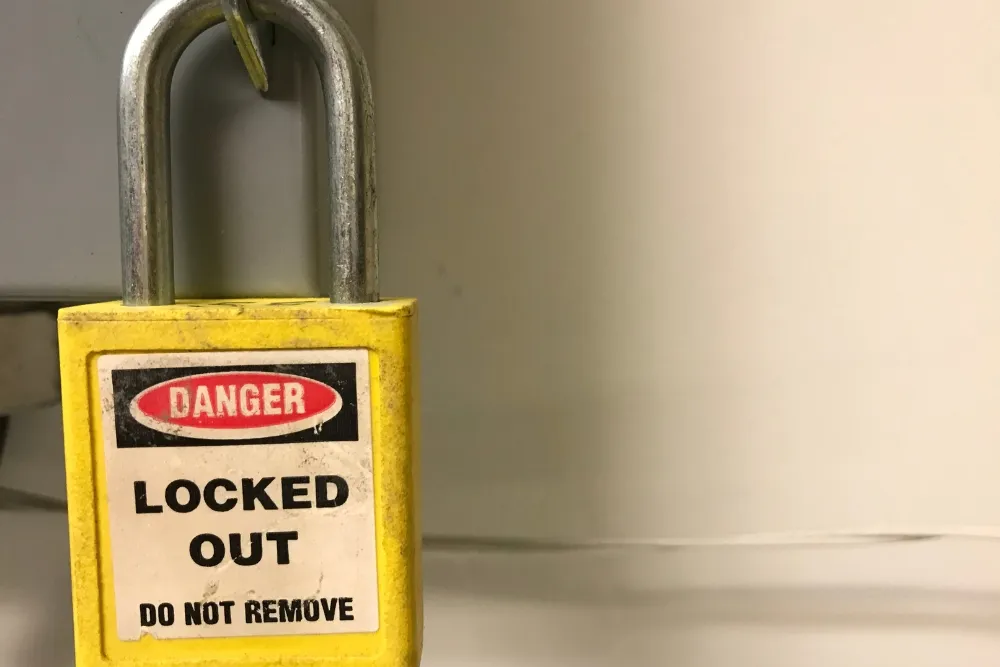
Effective communication among teams and proper handling of complex machinery are essential in overcoming challenges in LOTO implementation. Click here to learn more about how to create a safer work environment with tag-out systems.
Communication among teams
Effective communication among teams is vital for the successful implementation of lockout/tagout (LOTO) procedures. It ensures that everyone is on the same page regarding equipment shutdown, energy isolation, and potential hazards.
Clear and concise communication helps in coordinating tasks during maintenance or repair work and minimises the risk of accidental energy release.
Employees must understand the importance of relaying information accurately to their team members when working on LOTO-related tasks. This includes notifying others about completed lockout/tagout processes, identifying any potential dangers or changes in procedure, and ensuring that proper safety measures are in place before beginning work.
Open lines of communication enhance overall workplace safety and contribute to a more robust LOTO program.
Dealing with complex machinery and high-tech equipment
When addressing complex machinery and high-tech equipment, it is crucial to conduct a thorough assessment of the specific hazards and energy sources involved. Identifying these factors will enable us to develop tailored lockout-tagout (LOTO) procedures that address the unique risks posed by advanced machinery and technology.
Furthermore, investing in specialised lockout devices designed for intricate equipment can provide an added layer of protection, ensuring that hazardous energy is effectively isolated and de-energised before maintenance or servicing activities commence.
In addition, comprehensive employee training programs should incorporate specific guidelines for dealing with high-tech equipment, emphasising the proper use of lockout devices and tagout warnings.
By equipping our workforce with clear protocols and best practices for working on such sophisticated machinery, we can significantly reduce the potential for accidents and injuries related to energy exposure.
Benefits of Strict LOTO Compliance
Strict LOTO compliance leads to fewer accidents and injuries, meets legal requirements, and improves overall workplace safety. Read on to discover the impact of proper LOTO procedures on workplace safety.
Real-life success stories
We have witnessed countless success stories of how implementing strict lockout/tagout procedures has dramatically reduced workplace accidents and injuries. Employees in various industries, from manufacturing to construction, have reported lower incident rates after adopting comprehensive LOTO programs.
One notable case involved a large industrial facility where the implementation of meticulous lockout/tagout measures resulted in a significant decrease in equipment-related injuries, thereby improving overall occupational safety within the workplace.
Another inspiring example is that of a commercial office building that saw an immediate reduction in electrical hazards and corresponding incidents following the diligent enforcement of lockout/tagout protocols.
Reduced accidents and injuries
Reducing accidents and injuries should be a top priority in any workplace. Implementing strict lockout/tagout (LOTO) procedures can significantly decrease the risk of incidents caused by exposure to hazardous energy.
According to estimates, LOTO standards have the potential to prevent up to 85% of injuries or fatalities related to such exposure. By properly isolating and de-energising equipment before maintenance or repair work, owners can create a safer environment for their employees while also ensuring compliance with legal safety requirements.
In addition, investing time and resources into developing an effective LOTO program, including written procedures and employee training, is essential for safeguarding against accidents and injuries associated with machinery operations.
Legal requirements for LOTO
We must strictly adhere to the legal requirements for LOTO in our workplaces to ensure the safety of our employees. We must comply with standards and regulations, which mandate the development and implementation of lockout/tagout procedures.
This includes conducting energy control procedures, employee training, and regular evaluation of LOTO programs to minimise workplace accidents and hazards related to hazardous energy sources.
Complying with legal requirements for LOTO not only safeguards the well-being of our workforce but also prevents costly violations or penalties. By following these regulations, we uphold a safe work environment and demonstrate our commitment to prioritising employee safety.
The Future of LOTO: Technological Advancements
We’ll discuss potential technological solutions and the role of automation in LOTO systems.
Potential for technological solutions
Technological solutions hold immense potential to revolutionise lockout/tagout (LOTO) procedures, making them more streamlined and effective for ensuring workplace safety. Advanced technologies such as automated LOTO systems can simplify the process of isolating energy sources, reducing the risk of human error and enhancing overall efficiency.
Additionally, digital tools and smart devices can provide real-time monitoring and control over energy isolation, offering greater visibility and compliance assurance in industrial and office settings.
Furthermore, the integration of augmented reality (AR) or virtual reality (VR) applications into LOTO training programs can offer immersive learning experiences for employees, facilitating a better understanding of complex machinery and hazardous energy sources.
The role of automation in LOTO systems
Automation is transforming LOTO systems, streamlining energy isolation procedures and enhancing safety for workers. Advanced technology enables remote monitoring and control of energy sources, reducing the need for manual intervention.
Automated lockout/tagout devices ensure precise isolation of hazardous energy, mitigating the risk of accidental startup during maintenance. These innovative solutions bolster workplace safety and compliance with LOTO regulations, offering a more efficient approach to safeguarding workers from potential hazards.
Incorporating automation in LOTO procedures not only elevates workplace safety but also leads to increased productivity and reduced downtime. Businesses need to explore these technological advancements to create a safer work environment while improving operational efficiency.
Establish a Safe Workplace with Tag Out System
In conclusion, implementing and following lockout/tagout (LOTO) procedures is crucial for workplace safety. Workers must understand the importance of properly isolating and de-energising equipment before performing maintenance or repairs.
Strict LOTO compliance not only reduces accidents and injuries but also ensures legal requirements are met. As technology continues to advance, incorporating automated solutions will further improve the efficiency and effectiveness of LOTO systems, ultimately shaping a safer future for workplaces.