
LockOut Equipment · 15 October 2023
Selecting Lockout Devices for Energy Sources
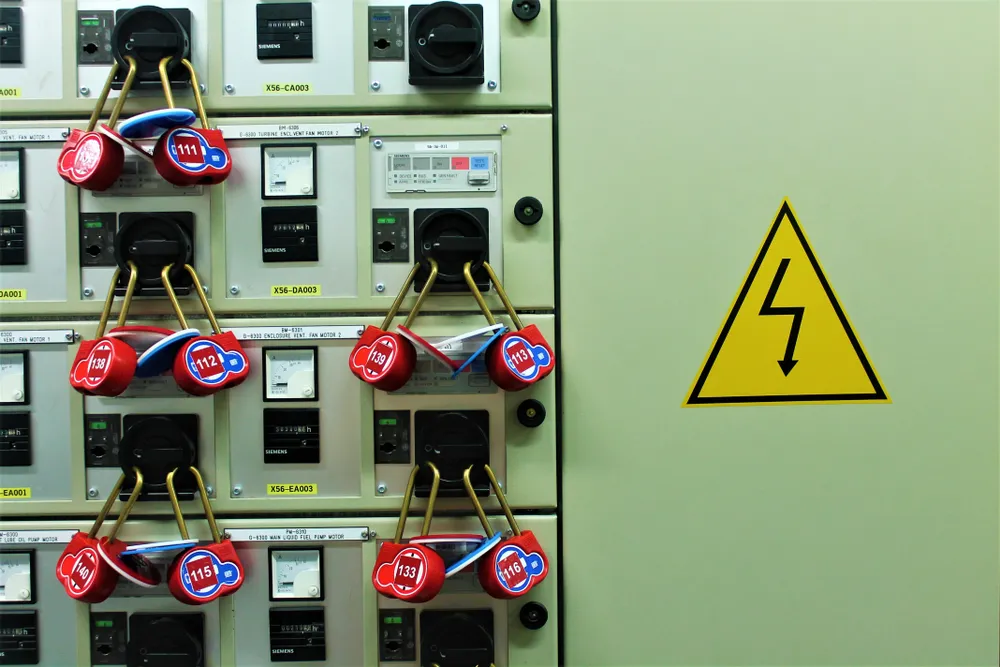
Picking the right lockout devices to keep you safe from risky energy sources at home or the workplace can be a bit of a head-scratcher. It’s alarming, but our research has found that about 10% of industrial accidents result from poor isolation of energy sources.
That’s why we’ve taken it upon ourselves to whip up this comprehensive guide explaining when and how to use lockout/tagout procedures effectively. We’ve also included key factors in choosing the best devices for your situation and highlighted differences among various hazard control methods.
Sounds like something you might need? Great! Buckle up as we dive into ways to boost safety throughout your neck of the woods.
Key Takeaways
- Lockout/tagout procedures involve de-energising and isolating energy sources to prevent accidents during maintenance or repair work.
- Proper de-energisation allows for the safe application of lockout devices, such as locks and chains, to prevent unauthorised activation of machinery or equipment.
- When selecting lockout devices, consider requirements, the industrial environment, types of machinery or equipment, and types of hazardous energy that need to be controlled.
What is Lockout/Tagout and When to Use It?
Lockout/tagout refers to the practice of de-energising and isolating energy sources from machines or equipment during maintenance or repair activities. It is crucial for ensuring the safety of workers and preventing unexpected energisation that can lead to severe injuries.
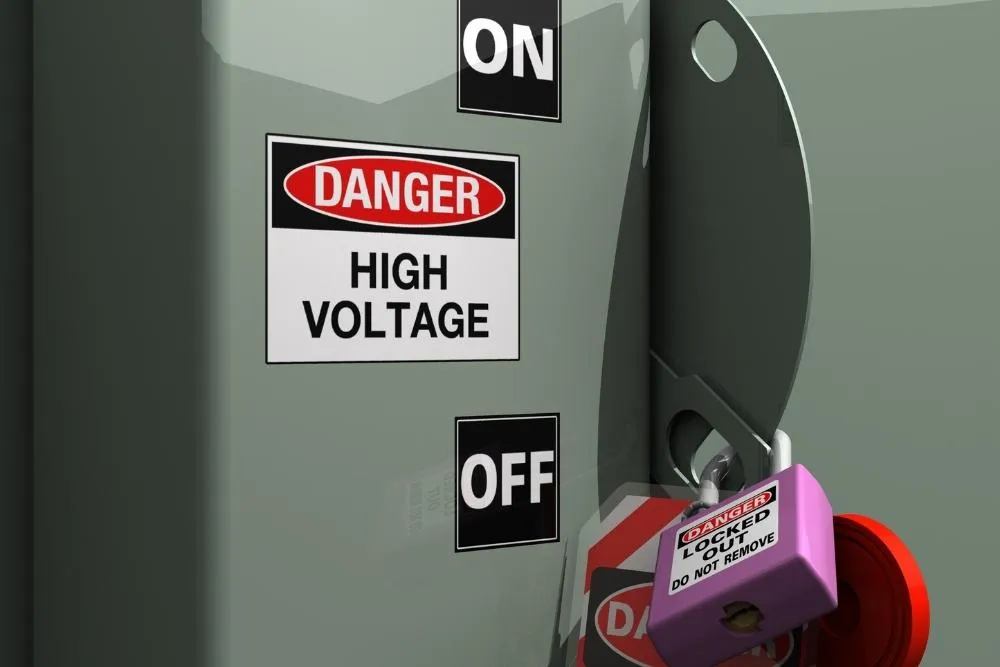
When working on equipment that has potentially hazardous energy, lockout/tagout procedures should always be followed to minimise risks.
Definition of lockout/tagout
Lockout/tagout, often abbreviated as LOTO, is a crucial safety protocol that protects workers from hazardous energy. Lockout refers to physically blocking machinery or equipment from releasing dangerous energy sources using devices such as chains and locks.
On the other hand, tagouts involve attaching clear warnings on these energy-isolating devices stating that the power equipment should not be operated until the tags are removed by authorised personnel.
Both methods aim at ensuring the machine or system is effectively de-energised before maintenance tasks to avoid accidents. It’s essential for every homeowner who uses power tools and systems to understand this concept clearly for their safety while operating or maintaining these machines.
Importance of de-energisation
De-energisation is a critical step in ensuring the safety of workers when working with energy sources. It involves shutting down and isolating the energy source before performing any maintenance or repair work.
By de-energising equipment, you eliminate the risk of accidental start-up and potential injury.
Proper de-energisation is essential because it allows you to safely apply lockout devices to isolate hazardous energy sources. Lockout devices, such as locks and chains, prevent any unauthorised person from starting up the machinery or equipment while maintenance or repairs are being carried out.
This helps protect both workers and bystanders from potential accidents.
Remember that all systems should be completely de-energised and isolated before applying lockout devices. To ensure maximum safety, make sure to identify all energy sources accurately in your workplace.
This will help determine the appropriate lockout devices needed for each specific situation.
Benefits of lockout/tagout
Lockout/tagout procedures have several benefits for ensuring the safety of workers and protecting against hazardous energy sources. When implemented correctly, lockout/tagout provides a clear visual indication that equipment or machinery is being repaired or maintained.
This helps prevent accidental startup of the machine, reducing the risk of serious injuries or even fatalities. Locking and immobilising energy sources also allows workers to work on machines without worrying about the unexpected release of stored energy.
By selecting proper lockout devices for energy sources in your home, you can effectively protect yourself and others from workplace accidents and maintain a safe environment.
Factors to Consider When Selecting Lockout Devices
When selecting lockout devices, it is essential to consider factors such as requirements, the industrial environment, the types of machinery or equipment being used, and the types of hazardous energy that need to be controlled.
Requirements
There are specific requirements when it comes to lockout devices for energy sources. These requirements are in place to ensure the safety of workers and prevent accidents.
It is important for homeowners to be aware of these requirements if they are conducting any repairs or maintenance that involve energy sources. It requires that all systems be de-energised and isolated from the energy source before lockout devices are applied.
This means making sure that all power sources are turned off and disconnected. In addition, each lock used in a lockout procedure should have accompanying information that identifies the worker who applied it.
Industrial environment
In an industrial environment, it is crucial to consider the specific conditions and requirements when selecting lockout devices for energy sources. This includes identifying the types of machinery or equipment in your facility that need to be de-energised and locked out.
Additionally, you must determine the different types of hazardous energy present, such as electrical, mechanical, or thermal energy.
To ensure safety and compliance with lockout/tagout procedures, it is important to follow the requirements for lockout devices in an industrial setting. These requirements outline the necessary features and specifications that devices should have to effectively isolate energy sources.
By choosing the right lockout devices for your industrial environment, you can protect workers from potential hazards and prevent accidents during machine repair and maintenance.
Remember that each piece of equipment may require a different type of lockout device depending on its specific characteristics. When selecting lockout devices for an industrial setting, consider factors like accessibility, ease of use, durability, and compatibility with existing machinery.
Types of machinery or equipment
Different types of machinery or equipment in your home can pose potential risks and hazards if not properly locked out. It’s important to identify the specific machines or equipment that require energy control procedures, such as electrical appliances, power tools, heating systems, and even vehicles.
By understanding the types of machinery or equipment that need to be de-energised and isolated from their energy sources, you can select the appropriate lockout devices to ensure the safety of yourself and others in your household.
Remember, accurate identification is key for effective lockout procedures.
Types of hazardous energy
There are different types of hazardous energy that need to be considered when implementing lockout/tagout procedures. These include electrical energy, mechanical energy, thermal energy, chemical energy, and hydraulic/pneumatic energy.
Each type presents its own unique risks and requires specific measures for effective isolation. It is important to accurately identify all sources of hazardous energy in order to select the appropriate lockout devices and ensure the safety of workers.
By understanding the various types of hazardous energy present in your facility, you can take proactive steps to prevent accidents and protect against potential hazards.
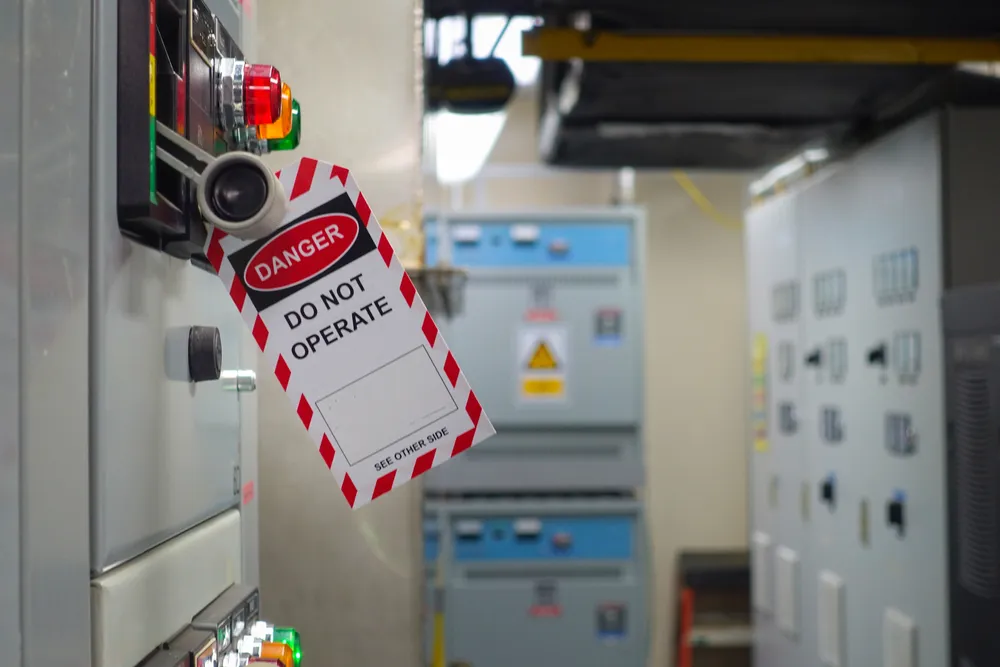
The Role of a Lockout Program
In Australia, the role of a lockout program is crucial to ensuring the safety and compliance of workers when it comes to energy isolation procedures.
Responsibility for the program
Implementing a lockout program is a shared responsibility between employers and employees.
Employers have the crucial role of developing and enforcing lockout procedures to ensure worker safety.
They must provide training on how to properly use lockout devices, identify energy sources, and implement effective energy control procedures. Employees, on the other hand, play an essential part in following these procedures diligently and using lockout devices correctly.
By working together, both employers and employees can create a safe work environment where hazardous energy sources are properly controlled through the use of appropriate lockout devices.
Essential elements of a lockout program
To effectively implement a lockout program, there are certain essential elements that need to be in place. First and foremost, it is crucial to accurately identify all energy sources within your home, such as electrical panels or gas lines.
This ensures that all potential hazards are accounted for and appropriate lockout devices can be selected. Secondly, clear and concise procedures should be developed outlining the step-by-step process for de-energising equipment and applying lockout devices.
These procedures should include information on how to properly isolate the energy source and ensure it cannot be reactivated accidentally. Additionally, training employees or family members on the proper use of lockout devices is vital for their safety.
Providing them with a thorough understanding of why lockout/tagout procedures are necessary and how to correctly apply the devices will help prevent accidents and injuries. Finally, regular audits should be conducted to evaluate the effectiveness of the lockout program and identify any areas where improvements can be made.
Types of Lockout Devices
There are various types of lockout devices available for different energy sources, such as electrical lockout devices for power sources and safety lockout devices for hazardous energy sources.
These devices play a crucial role in ensuring the safety of employees during machine repair and maintenance procedures.
Different types and their uses
There are various types of lockout devices that can be used to ensure the safety of energy sources in your home. These devices are designed to immobilise and secure different types of hazardous energy, such as electrical power, gas or steam so that they cannot be accidentally activated during maintenance or repair work.
Some common examples include padlocks, hasps, lockout tags, and circuit breaker locks. Padlocks are used to physically secure an energy-isolating device with a locking mechanism, while hasps allow multiple workers to add their own padlocks for added security.
Lockout tags provide a visual warning that equipment is being serviced or repaired and should not be operated. Circuit breaker locks prevent the accidental switching on of circuit breakers by fitting over them and prohibiting access to the switch handle.
How to determine which devices are suitable for your facility
In order to determine which lockout devices are suitable for your facility, it is important to consider a few key factors. Firstly, you need to identify the types of hazardous energy sources present in your workplace.
This may include electrical, mechanical, thermal, or other forms of energy that pose a risk to workers.
Next, you should assess the specific machinery or equipment that needs to be locked out. Different devices may require different types of lockout devices and accessories. For example, electrical lockout devices might be needed for machinery with electrical components, while valve lockouts may be necessary for equipment with pipes or valves.
Another factor to consider is the type of control system used in your facility. Some lockout devices are designed specifically for certain control systems such as circuit breakers or push-button switches.
Select the Best Lockout Device
In conclusion, selecting the right lockout devices for energy sources is crucial to ensuring safety in the workplace. By following the requirements and considering factors such as the industrial environment and types of machinery or equipment, you can determine which lockout devices are suitable for your facility.
Implementing a comprehensive lockout program with essential elements will further enhance safety measures. Remember, proper lockout/tagout procedures are essential for both compliance and the well-being of employees.
Importance of proper lockout/tagout procedures
Proper lockout/tagout procedures are of utmost importance when it comes to ensuring the safety of workers and preventing accidents in your home. Lockout/tagout involves isolating energy sources and attaching lockout or tagout devices to energy-isolating devices, such as switches or valves, to prevent them from being activated accidentally.
By implementing effective lockout/tagout procedures, you can protect yourself and others from hazardous energy sources, such as electricity or pressurised systems. It is crucial to select the appropriate lockout devices for different energy sources, like chains, locks, or adapters, to keep everyone safe during maintenance or repairs.
Remember that all systems should be de-energised and isolated before applying lockout/tagout devices. So always prioritise proper lockout/tag-out procedures for a safe environment in your own home!
Ensuring safety and compliance with lockout devices
Our top priority is to ensure the safety of everyone in your home. That’s why selecting the right lockout devices for energy sources is crucial. By properly choosing and using lockout devices, you can effectively prevent accidental energisation of machinery or equipment during repairs or maintenance.
This protects you and your loved ones from potential hazards caused by hazardous energy sources. Remember, it’s important to identify all energy sources and use appropriate lockout devices such as chains, locks, or adapters to isolate them.
Always de-energise systems before applying lockout devices for maximum safety. With the right lockout devices in place, you can have peace of mind knowing that you’re compliant with safety regulations and keeping yourself safe at all times.