LockOut Equipment · 4 March 2024
Role of Tags in Communicating Equipment Status

Are you struggling to keep track of the status of your equipment and machinery? We understand how frustrating it can be to maintain workplace safety and ensure efficient operations. Did you know that using tags plays a crucial role in communicating equipment status and improving accountability? In this blog, we’ll explore the different types of tags, their functions, and the benefits they offer in keeping your workplace safe and compliant. Stay tuned to learn how tagging solutions can make a difference in managing equipment status effectively!
Key Takeaways
- Tags, such as safety and identification tags, are essential for communicating the status of equipment to ensure workplace safety. They inform when the machinery was last checked or if it’s safe to use.
- Asset tags with unique serial numbers or barcodes help in efficiently managing inventory and tracking assets, making sure they are maintained properly and available when needed.
- Using tags for equipment helps maintain regulatory compliance by providing documented proof that safety inspections have been conducted according to standards.
- Tagging systems contribute to cost savings by preventing accidents and breakdowns through regular maintenance schedules and timely inspections.
- The implementation of asset tagging solutions is an investment towards long-term benefits like improved accountability, streamlined operations, reduced theft/loss incidents, and overall operational efficiency.
Importance of effective communication in the workplace
Effective communication in our workplace is like the oil that keeps the machinery running smoothly. We rely on it to convey safety information, manage inventories, and most importantly, maintain a safe working environment.
Safety tags are not just bits of plastic or metal; they’re vital tools that inform us about lockouts, inspections, and potential hazards. They’re part of our everyday language on-site, visual cues that quickly tell us if the equipment has been inspected or if it’s due for maintenance.
Using asset tags plays a key role in keeping track of what we own and ensuring everything is where it should be when we need it. Each tag carries a unique identifier, a serial number or a barcode, that simplifies managing our assets efficiently.
Scanning these tags helps us monitor their condition so we can anticipate problems before they occur. On construction sites, ladder tag systems and Scafftag systems aren’t just regulatory requirements; they communicate critical health and safety information that protects everyone working with or around heavy machinery.
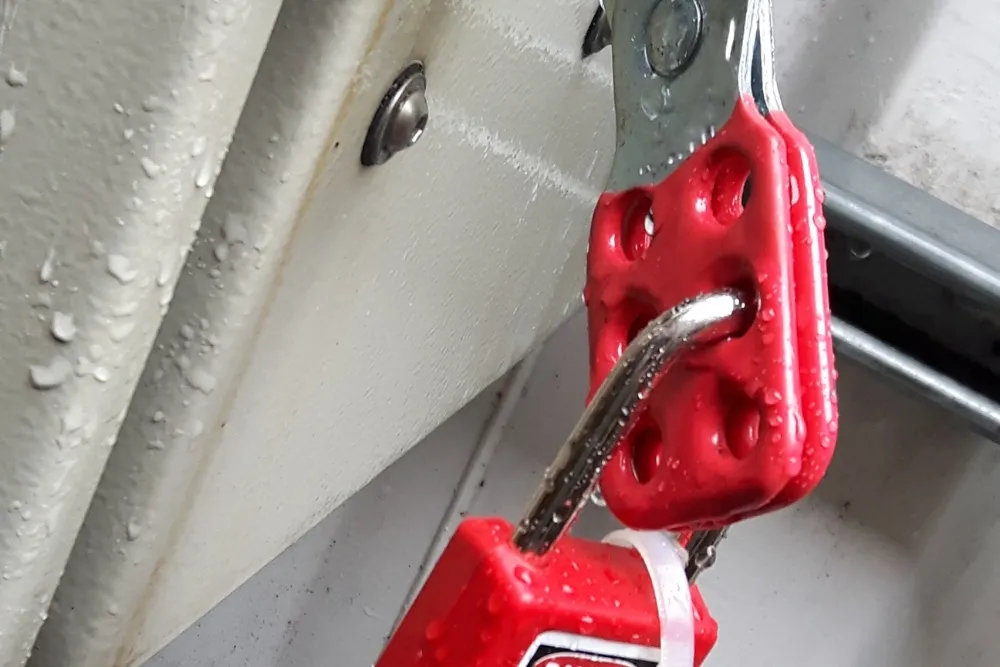
Understanding the Use of Tags in the Electrical Manufacturing Industry
Tags in the electrical manufacturing industry play a crucial role in communicating safety information, tracking inventory, identifying equipment status, documenting operating standards and following workplace safety rules.
This ensures efficient management of equipment and reduces the risk of accidents or damage.
Communicating safety information
We take our safety seriously and know you do too. That’s why we use tags meticulously to communicate crucial safety information, helping us avoid accidents at work. With everything from electrical equipment tags to construction site tagging, these little markers are big players in keeping places like homes and offices secure.
They tell us when a machine was last inspected or if it’s safe to use, making sure nobody takes unnecessary risks.
Safety signage goes beyond just warnings; it includes clear instructions for maintenance tracking and machinery status communication. Our visual tagging solutions play an important role in workplace safety management.
For example, every piece of equipment is labelled with durable asset tags that withstand harsh environments and everyday wear and tear. These aren’t just stickers; they’re your assurance that the device has been checked by professionals who ensure everything’s up-to-standard before you ever lay a hand on it.
Tracking inventory
Consistently tracking inventory allows us to keep a precise record of our assets and ensures they are in good working condition. Through the use of asset tags with unique serial numbers or barcodes, we can efficiently manage our inventory and schedule maintenance accordingly.
This meticulous approach helps prevent theft, reduce loss, and maintain regulatory compliance, ultimately saving costs and contributing to streamlined operations.
Identifying equipment status
Asset tags and safety signage play a crucial role in identifying the status of equipment, and ensuring that it is properly maintained, tested, and inspected. These tags provide a clear visual indication of whether the equipment has been inspected or is due for maintenance, helping to prevent accidents and ensure efficient operations.
Implementing consistent equipment tagging and scanning allows organisations to track their assets effectively and guarantee they are in proper working condition.
Proper tagging also assists in keeping track of maintenance schedules and enables timely inspections and tests. For instance, asset tags with unique serial numbers or barcodes help in efficient inventory management by identifying each piece of equipment or asset distinctly.
Documenting operating standards
Documenting operating standards involves using tags and labels to communicate important information about equipment status. These records help ensure that workplace safety rules are followed while also providing a documented reference for regulatory compliance.
By consistently tagging and labelling equipment, businesses can efficiently track maintenance schedules and inspections, promoting a safe work environment and efficient operations.
Frequent visual equipment inspection records through tagging provide clear documentation of adherence to operating standards. This process is crucial in maintaining heavy machinery monitoring and construction site safety.
Following workplace safety rules
When following workplace safety rules, it is vital to ensure that equipment status tags are clearly visible and up-to-date. Safety tags for equipment inspections and confined spaces play a crucial role in maintaining a safe work environment and preventing accidents.
Consistent tagging of machinery, coupled with regular scanning, allows for efficient monitoring of assets to ensure they are in proper working condition and compliant with safety regulations.
In maintaining workplace safety standards, identifying equipment through asset tags is also essential. Tagging not only helps keep track of maintenance schedules but also ensures timely inspections and tests are conducted to prevent accidents and maintain efficient operations.
Types of Tags and Their Functions
– Different types of tags, such as safety tags and identification tags, play a crucial role in communicating equipment status and ensuring workplace safety. These tags serve various functions, from tracking inventory to documenting operating standards.
Safety tags (lockout, inspection, process management, isolation, ladder & scaffold inspection tags)
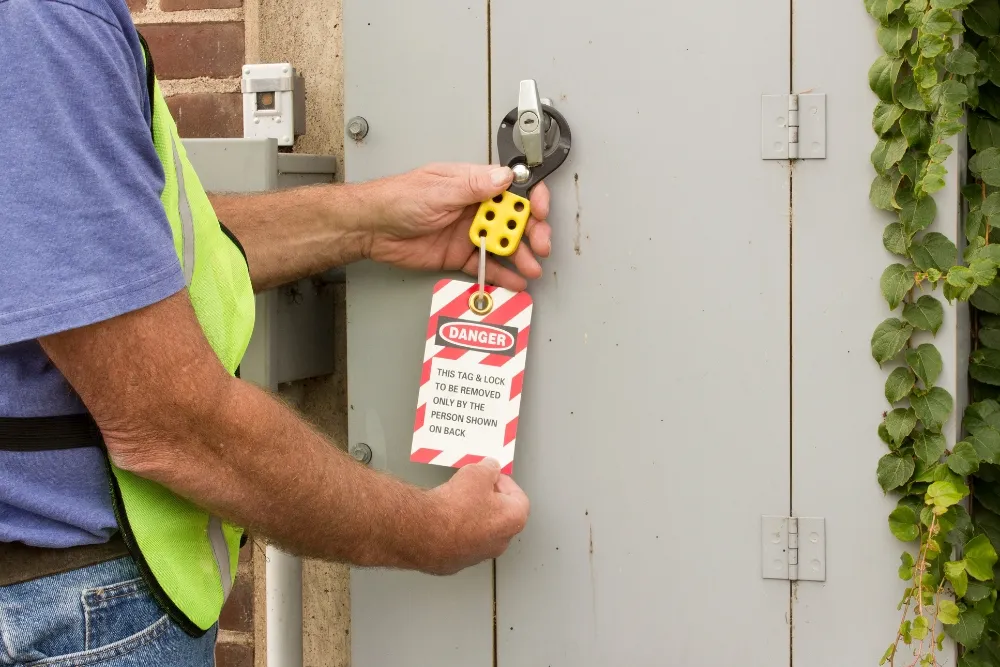
Safety tags play a critical role in maintaining a safe work environment by communicating vital information about equipment status and ensuring compliance with safety regulations. Lockout tags are essential for isolating energy sources during equipment maintenance, preventing accidental startups and safeguarding workers from hazardous energy.
Inspection tags provide a visual record of the current status of equipment inspections, helping to track maintenance schedules and ensure timely servicing to prevent accidents. Process management tags assist in identifying confined spaces and communicating important safety instructions to protect workers from potential hazards, while ladder & scaffold inspection tags help keep these crucial tools in optimal condition to prevent workplace accidents.
Isolation tags communicate that specific machinery or electrical systems have been safely shut down for repair or maintenance, protecting workers from unexpected power-ups or releases of hazardous materials.
Identification tags (asset tags, metal electrical tags)
Asset tags and metal electrical tags are essential for effectively tracking, identifying, and maintaining equipment in both home and office settings. These tags typically include unique serial numbers or barcodes that allow for efficient inventory management, ensuring proper maintenance schedules are upheld.
Additionally, consistent tagging and scanning enable owners to keep track of their assets, making it easier to ensure they are in proper working condition at all times.
Furthermore, metal electrical tags play a crucial role in effectively communicating the status of equipment to prevent accidents and ensure efficient operations. Whether it’s tracking office supplies or managing electrical equipment within a home setting, asset tags provide an indispensable tool for streamlining operations and enhancing accountability.
Ultimately, with the help of these identification tags, owners can maintain a safe environment while ensuring regulatory compliance.
Benefits of Using Tags in Equipment Status Communication
By using tags to communicate equipment status, we can improve accountability, reduce costs, streamline maintenance processes, and ensure efficient asset utilisation. It also helps in reducing theft and loss while ensuring regulatory compliance.
Improved accountability
Asset tags play a crucial role in enhancing accountability by providing a clear record of equipment maintenance and inspections. These tags help track the status of electrical equipment, ensuring that it is regularly tested and tagged by qualified professionals to prevent accidents and ensure efficient operations.
With unique serial numbers or barcodes, asset tags facilitate accurate inventory management, enabling home and office owners to keep track of their assets with greater precision.
Consistent equipment tagging and scanning enable organisations to maintain proper working conditions for their assets, thereby improving overall accountability. By identifying equipment, tracking maintenance schedules, and ensuring timely inspections and tests, asset tags contribute significantly to maintaining workplace safety standards.
Cost savings
– Improved accountability leads to cost savings as it helps in better tracking and utilisation of assets. By efficiently monitoring maintenance schedules, organisations can prevent costly breakdowns and extend the lifespan of equipment.
This proactive approach reduces unexpected repair expenses and downtime, ultimately resulting in significant cost savings over time without compromising on safety or compliance with regulations.
Efficient asset management also minimises the need for emergency replacements, further contributing to long-term financial benefits.
Streamlined maintenance
Asset tagging is essential for achieving streamlined maintenance, as it allows us to keep track of maintenance schedules and ensure timely inspections and tests. By consistently tagging equipment and assets, we can efficiently manage inventory, identify equipment, and maintain a safe work environment.
This proactive approach not only helps prevent accidents but also ensures compliance with regulations in our workplace.
Proper labelling plays a crucial role in communicating the status of equipment while ensuring that it is properly maintained, tested, and inspected. It’s important to integrate asset tagging solutions into our processes to enhance accountability and streamline operations effectively.
Efficient asset utilisation
Tags play a crucial role in efficient asset utilisation by ensuring proper maintenance, tracking equipment status, and optimising operational efficiency. With unique serial numbers or barcodes, asset tags facilitate streamlined inventory management and help in identifying and tracking electrical equipment.
By consistently tagging and scanning assets, organisations can ensure that their equipment is in good working condition, thereby enhancing accountability and reducing the risk of theft or loss.
Additionally, efficient asset utilisation is facilitated through timely inspections and tests enabled by proper tagging, ensuring compliance with regulations and a safe work environment.
Efficient asset utilisation relies on the effective use of asset tags to streamline operations; from tracking inventory to facilitating timely maintenance while enhancing safety measures.
Reduction in theft and loss
Effective use of asset tags and safety labels can significantly contribute to the reduction in theft and loss. By implementing a systematic tagging system with unique serial numbers or barcodes, assets and equipment can be easily identified, tracked, and monitored for any signs of unauthorised movement.
This enhanced accountability not only deters theft but also expedites recovery efforts in case of lost items. Additionally, consistent equipment tagging enables timely maintenance inspections, reducing the risk of valuable items being stolen or misplaced due to neglect.
Properly tagged equipment also promotes efficiency by ensuring that assets are always accounted for and maintained according to schedule. This proactive approach minimises the opportunity for theft or loss while simultaneously safeguarding against operational disruptions caused by missing items.
Regulatory compliance
Ensuring regulatory compliance is crucial for maintaining a safe work environment and meeting legal requirements. By utilising proper tagging systems, including safety tags and asset tags, businesses can effectively communicate equipment status and demonstrate adherence to industry regulations.
Implementing consistent equipment tagging and scanning procedures enables organisations to keep track of their assets, ensuring they are tested, inspected, and in line with necessary standards at all times.
Compliance with regulatory standards not only ensures workplace safety but also contributes to streamlined operations and efficient asset management. Businesses that prioritise regulatory compliance through effective tagging solutions ultimately mitigate risks while promoting a culture of accountability within the workplace.
Frequently Asked Questions about Asset Tags
When it comes to asset tags, you may have questions about their durability in harsh environments, implementation costs, compatibility with existing systems, choosing the right type of tag, and the importance of barcodes.
Read on to learn more about how these tags can benefit your workplace.

Withstanding harsh environments
Asset tags play a significant role in withstanding harsh environments, ensuring important information remains visible and intact even in challenging conditions. The durable materials and weather-resistant design of these tags make them ideal for outdoor use, providing reliable communication of equipment status despite exposure to elements such as rain, sun, or extreme temperatures.
With the ability to withstand harsh environments, asset tags ensure that crucial safety information, maintenance schedules, and identification details remain clear and accessible on equipment located in diverse settings.
Incorporating asset tags designed to endure tough environmental conditions is essential for maintaining workplace safety standards across various industries. These robust tags not only provide long-lasting visibility but also contribute to efficient equipment maintenance and compliance with regulatory requirements.
Implementation costs
Once we consider implementing tagging solutions, it’s essential to factor in the associated costs which usually include purchasing the tags, barcode readers or scanners, and any required software.
Tagging equipment could also involve initial training for staff on how to use the system effectively. Additionally, there might be ongoing expenses for maintenance and replacements as tags may wear out over time.
It’s important to recognise that investing in a comprehensive tagging system can lead to considerable long-term benefits such as improved accountability, streamlined maintenance, efficient asset utilisation, reduced theft and loss, and regulatory compliance.
Compatibility with existing systems
Asset tags are designed to be compatible with a wide range of existing systems. This ensures seamless integration and allows for easy implementation without significant changes to current processes or equipment.
By choosing asset tags that can work alongside your current systems, you can easily enhance your tracking and management capabilities while maintaining continuity in your operations.
Organisations across various industries can benefit from the compatibility of asset tags with existing systems. This streamlined approach enables businesses to avoid disruptions and efficiently incorporate tagging solutions into their current workflows.
Choosing the right type of tag
When choosing the right type of tag, consider the specific needs of your equipment and environment. Evaluate factors such as durability, visibility, and barcode compatibility to ensure effective communication of equipment status.
For example, in harsh environments, opt for rugged metal electrical tags that can withstand tough conditions without fading or deteriorating. Additionally, asset tags with barcodes are crucial for efficient inventory management and streamlined maintenance processes.
Selecting the appropriate safety tags is vital for maintaining a safe work environment. For instance, use lockout and isolation tags to prevent accidental equipment activation during maintenance or servicing.
Importance of barcodes
When choosing the right type of tag, it’s essential to understand the importance of barcodes in equipment communication. Barcodes play a crucial role in efficiently identifying and tracking assets, making them vital for inventory management and asset accountability.
With unique serial numbers encoded within barcodes, they streamline maintenance schedules and ensure timely inspections and tests. In addition to enhancing efficiency, barcodes also aid in regulatory compliance by providing a standardised method for asset identification across various industries, ultimately contributing to maintaining a safe workplace environment.
Barcodes are instrumental in facilitating quick and accurate data collection and improving traceability of equipment status and health. By scanning barcoded tags during routine checks or inspections, organisations can ensure that their assets are properly maintained while reducing the risk of accidents due to faulty or neglected equipment.
Importance of integrating tagging solutions into processes
Integrating tagging solutions into processes is crucial for maintaining safety and compliance, whether you are managing a home or an office. By incorporating asset tags and equipment labelling, you can ensure that all appliances and devices are regularly tested, inspected, and maintained to prevent accidents.
Efficient inventory management through proper tagging also helps in tracking maintenance schedules, identifying assets quickly, and ensuring timely inspections – essential for smooth operations and safeguarding against potential risks.
Implementing tagging solutions also allows for streamlined operations, enhancing accountability by providing a clear record of equipment status. With consistent equipment tagging in place, organisations can keep track of their assets more effectively while ensuring they are always in proper working condition.
Ensuring compliance and safety in the workplace
Proper tagging of equipment is crucial for ensuring compliance with safety regulations in the workplace. Asset tags play a vital role in communicating the status of machinery and electrical equipment, guaranteeing that they are regularly maintained, tested, and inspected to prevent accidents.
Safety tags, such as equipment inspections and confined spaces tags, also contribute to keeping the work environment safe and free from potential hazards.
Asset tags act as visual records of equipment inspections or processes, reinforcing accountability and efficient operations within the workplace. They are pivotal in tracking inventory, identifying equipment status, and ensuring timely maintenance to meet regulatory requirements.
Optimise Safety with Our Tagout System for Your Space!
Integrating tagging solutions into processes is crucial for ensuring compliance and safety in the workplace. To learn more about the role of tags in communicating equipment status, continue reading our blog.
Ensure clear communication of equipment status with effective tagging. Get in touch for expert assistance! Contact Us Now!