LockOut Equipment · 6 September 2023
Remote Lockout/Tagout Systems
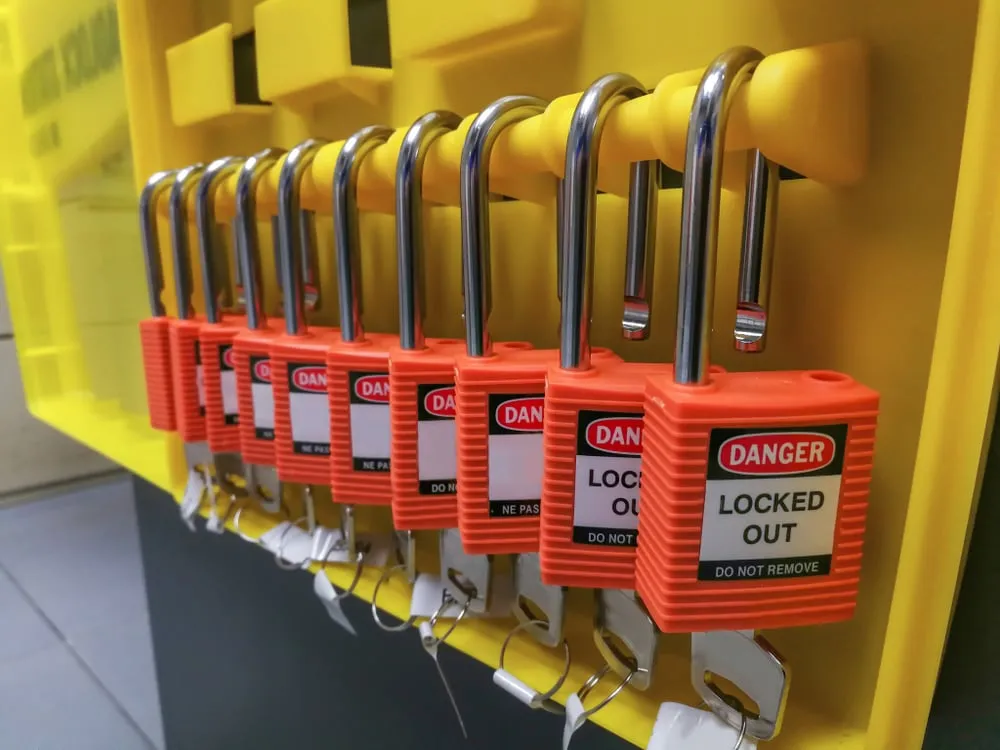
Ever found yourself worried sick about the safety of your blokes working around risky machines during repair or maintenance? We’ve been right there with you, mate. Through our shared concerns, we’ve come across something pretty bonza – Remote Lockout/Tagout systems.
These little beauties are designed to remotely manage hazardous energy, significantly lowering the risk of accidents from unintended exposure. So, let’s crack on and discover how introducing these innovative systems can help amp up safety in the workplace!
Key Takeaways
- Remote Lockout/Tagout Systems allow for the remote control and monitoring of hazardous energy sources, improving worker safety by reducing the risk of accidents or injuries.
- These systems increase convenience and efficiency by eliminating the need for physical presence to secure or release equipment during maintenance or repair work.
- Implementing Remote Lockout/Tagout Systems helps companies comply with safety regulations, providing detailed documentation and audit trails to demonstrate compliance during inspections.
What is the Lockout/Tagout (LOTO) System?
A Lockout/Tagout (LOTO) system is a safety procedure used to ensure that hazardous energy sources are properly isolated and rendered inoperative before maintenance or servicing work begins.
Definition of LOTO
LOTO stands for Lockout/Tagout, a critical safety measure used extensively in different industries. It is intended to protect workers who are engaged in maintenance or repair activities on machinery and equipment from any accidental startup or release of energy.
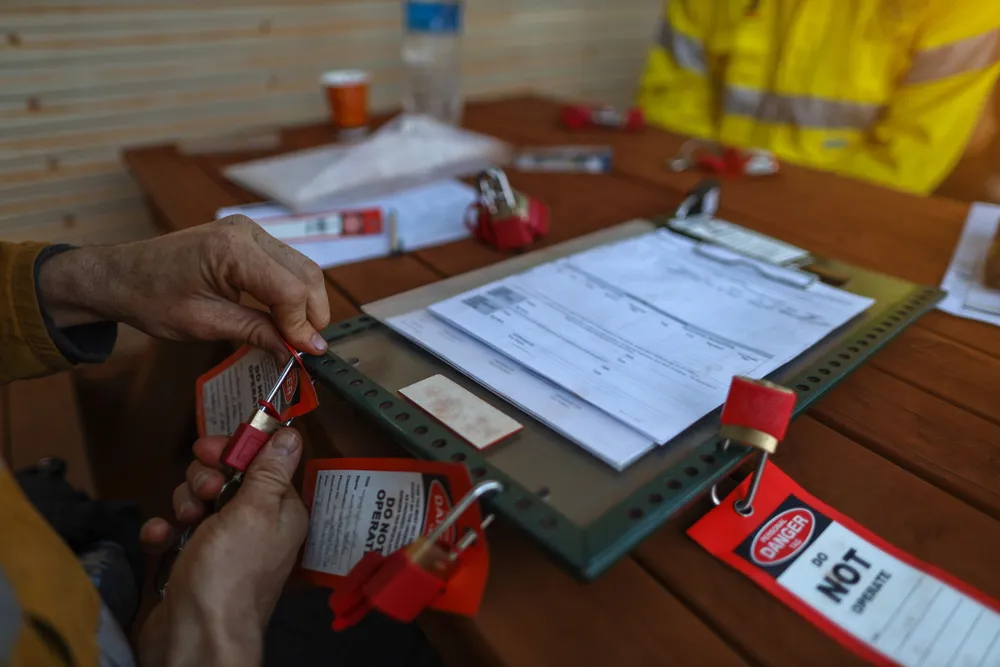
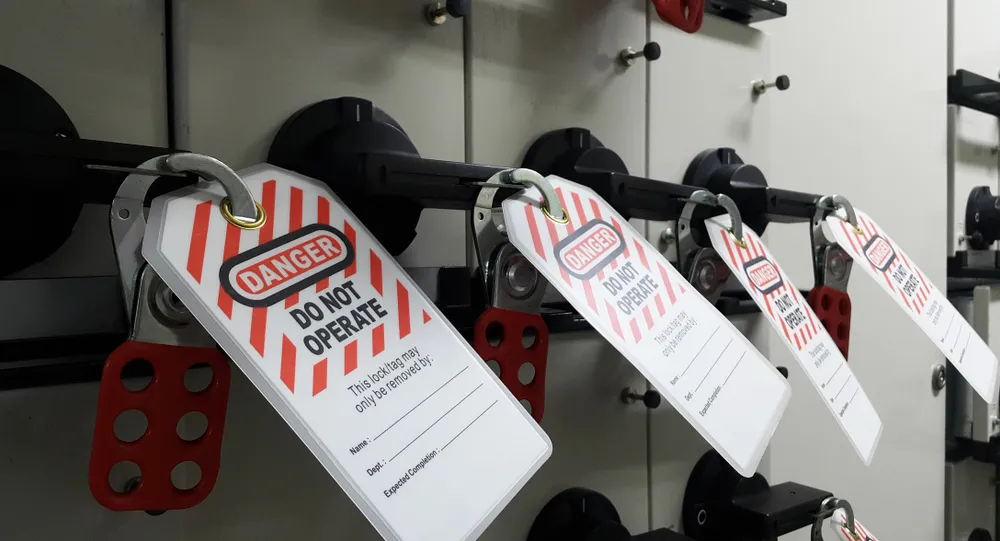
The process involves shutting down the machine, disconnecting it from its power source, and applying a lockout device – usually a padlock with an accompanying tag – to prevent re-energising until the work is complete.
Tagout labels provide vital information about the ongoing servicing tasks and when the machine will be operational again. In essence, LOTO serves as a physical barrier against hazardous energy exposure during routine repairs or unexpected malfunctions.
Importance of LOTO in ensuring safety
Ensuring safety is of utmost importance when it comes to operating machinery and equipment, especially in our homes. That’s where Lockout/Tagout (LOTO) systems play a crucial role.
LOTO systems are specifically designed to prevent unintentional exposure to hazardous energy from equipment, keeping us safe from potential accidents. By properly shutting off dangerous equipment and preventing it from being started up again during maintenance or repair work, LOTO ensures that we can work on these machines without any risk.
These safety procedures are not only essential for compliance with regulations but also for protecting ourselves and our loved ones from the dangers of energised equipment. With Remote Lockout/Tagout systems, we have the added convenience of controlling hazardous energy remotely, reducing the need for physical presence and minimising any potential accidents.
Key components of a LOTO system
The key components of a Lockout/Tagout (LOTO) system are essential for ensuring the safety of workers and preventing accidents. One important component is the lockout device, which physically prevents equipment from being turned on or operated during maintenance or repair work.
Tagout labels and tags are also crucial in communicating to workers whether the equipment is being serviced or can be operated. Another vital component is having a comprehensive lockout program in place, including proper training and education for employees on LOTO procedures.
Regular maintenance and inspections are also necessary to ensure that all components of the LOTO system are working effectively. By implementing these key components, companies can create a safe working environment and comply with safety regulations to protect their workers from potential hazards.
Benefits of Remote Lockout/Tagout Systems
– Increased convenience and efficiency: Remote Lockout/Tagout Systems provide homeowners with the convenience of being able to remotely control and monitor their lockout/tagout procedures, saving them time and effort in manually securing or releasing equipment.
– Enhanced worker safety: With remote systems, workers are protected from unintentional exposure to hazardous energy as they can control the lockout/tagout process from a safe distance, reducing the risk of accidents or injuries.
– Improved compliance with regulations: Remote Lockout/Tagout Systems ensure that homeowners adhere to safety regulations by providing detailed documentation and audit trails, which help demonstrate compliance during inspections and audits.
Increased convenience and efficiency
Remote Lockout/Tagout systems offer increased convenience and efficiency to homeowners. With these systems, you can control the energy of your equipment remotely, eliminating the need for physical presence.
This means you can easily shut off and lock out machinery from anywhere with just a few clicks on your mobile device or remote control. No more running back and forth to turn off switches or manually secure equipment.
It’s all at your fingertips, making maintenance tasks faster and more convenient. Plus, these systems provide real-time information on the status of your equipment, ensuring accurate audits and timely repairs.
Enhanced worker safety
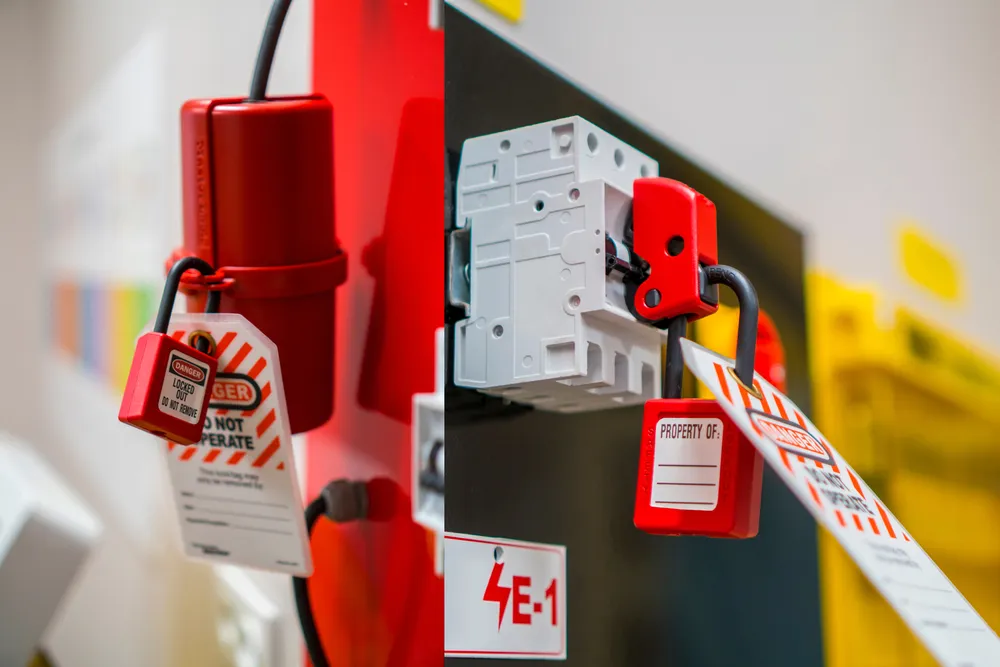
Enhanced worker safety is one of the key benefits of implementing Remote Lockout/Tagout systems. These systems are designed to prevent unintentional exposure to hazardous energy from equipment and machinery.
By allowing for remote control and monitoring, workers can avoid physically accessing potentially dangerous areas, reducing the risk of accidents or injuries. With these systems in place, companies can ensure that all necessary precautions are taken before any maintenance or repair work begins, protecting the well-being of their employees.
With Remote Lockout/Tagout systems, companies can comply with safety regulations and provide a safer working environment for their employees. These systems allow for the control of hazardous energy remotely, minimising physical presence near energised equipment.
Workers no longer need to manually operate lockout devices or be in close proximity to potentially dangerous machinery. Instead, they can use mobile devices or other remote technologies to access and control the system, providing flexibility while ensuring their safety.
The implementation of Remote Lockout/Tagout systems not only enhances worker safety but also streamlines processes by reducing risks associated with human error and increasing efficiency through real-time information on equipment status.
Improved compliance with regulations
We understand the importance of complying with regulations when it comes to ensuring the safety of your home and family. That’s why implementing Remote Lockout/Tagout systems can be a game-changer.
These systems help you meet safety standards by providing a reliable way to control hazardous energy remotely. With just a few taps on your smartphone or other remote devices, you can ensure that equipment is properly shut off and cannot be started up during maintenance or repair work.
By using these systems, you are taking proactive steps to protect your loved ones and adhere to safety guidelines in an efficient and convenient manner.
How Remote Lockout/Tagout Systems Work
Remote Lockout/Tagout Systems work by utilizing remote wireless control devices to remotely lock and tag out equipment, ensuring the safety of workers. To learn more about this technology and its benefits, continue reading.
Overview of the technology
Remote Lockout/Tagout systems are an innovative technology designed to keep you safe from the dangers of hazardous energy. These systems use electronic devices and wireless control to give you real-time information about the status of equipment, all from the convenience of your mobile device or other remote technologies.
With this technology, you can remotely control the energy sources of equipment, ensuring that they are properly shut off and cannot be started up again until maintenance or repair work is complete.
By implementing Remote Lockout/Tagout systems, companies can comply with safety regulations and protect workers by minimising the risk of accidents.
Remote wireless control devices
Remote wireless control devices are an important component of remote Lockout/Tagout systems. These devices allow for the control of hazardous energy from a distance, reducing the need for physical presence and minimising the risk of accidents.
With these devices, homeowners can remotely shut off equipment and machinery before performing maintenance or repairs, ensuring their safety. By using mobile devices or other remote technologies, they can conveniently access and control these systems without having to be physically present at the equipment.
This provides flexibility and convenience while still maintaining compliance with safety regulations and protecting against potential dangers.
Implementing Remote Lockout/Tagout Systems
To successfully implement Remote Lockout/Tagout Systems, follow these steps and ensure your employees receive proper training and regular maintenance for optimal safety. Read on to learn more.
Steps for successful implementation
To successfully implement Remote Lockout/Tagout systems in your home, follow these steps:
1. Assess the equipment: Identify the machinery and equipment that require lockout/tagout procedures to ensure safety during maintenance or repair work.
2. Develop a comprehensive plan: Create a detailed plan that outlines the procedures for locking out and tagging out each piece of equipment. This should include clear instructions on how to isolate hazardous energy sources effectively.
3. Train employees: Provide thorough training to all individuals involved in performing lockout/tagout procedures. Ensure they understand the importance of following protocols and are capable of properly executing them.
4. Establish communication channels: Implement effective communication channels between all team members involved in the lockout/tagout process, ensuring everyone is aware of any changes or updates to procedures.
Training and education for employees
To ensure the successful implementation of Remote Lockout/Tagout systems, it is crucial to provide proper training and education for employees. This includes educating them about the importance of lockout/tagout procedures in ensuring their safety when working with hazardous equipment and machinery.
Employees should be trained on how to properly use lockout devices, tagout labels, and other safety tools. They should also be familiarised with the company’s specific lockout/tagout program, including any relevant software or checklists that need to be followed.
Regular maintenance and inspections
Regular maintenance and inspections are crucial for the proper functioning and safety of Remote Lockout/Tagout systems. By conducting regular checks, you can ensure that all equipment and components are in good working condition and free from any defects or damages.
This helps to minimise the risk of any malfunctions or failures during critical operations.
During inspections, it is important to thoroughly examine the lockout/tagout devices, remote control devices, and any other relevant equipment. Look out for signs of wear and tear, such as frayed cables or broken seals.
It’s also essential to test the functionality of these devices to ensure they are operating correctly.
Maintenance involves performing routine tasks like cleaning, lubricating moving parts, tightening connections, and replacing worn-out components. By keeping up with these maintenance activities, you can extend the lifespan of your Remote Lockout/Tagout system while ensuring its reliability when needed.
Your Space, Our Tag Out System Expertise
In conclusion, Remote Lockout/Tagout systems provide a convenient and efficient solution for ensuring worker safety and compliance with regulations. With the ability to control hazardous energy remotely, these systems offer increased convenience while reducing the risk of accidents.
Implementing Remote Lockout/Tagout systems not only protects workers from potential dangers but also helps companies meet safety standards.
Revolutionise your lockout/tagout procedures with our cutting-edge Remote Lockout/Tagout Systems. Take control of equipment safety from a distance, ensuring the well-being of your team. Enhance efficiency and reduce downtime with remote solutions from the Tag Out System. Ready to make the switch? Contact us now to implement the future of lockout/tagout!