
LockOut Equipment · 6 March 2024
Purpose and Goals of a Tag Out System
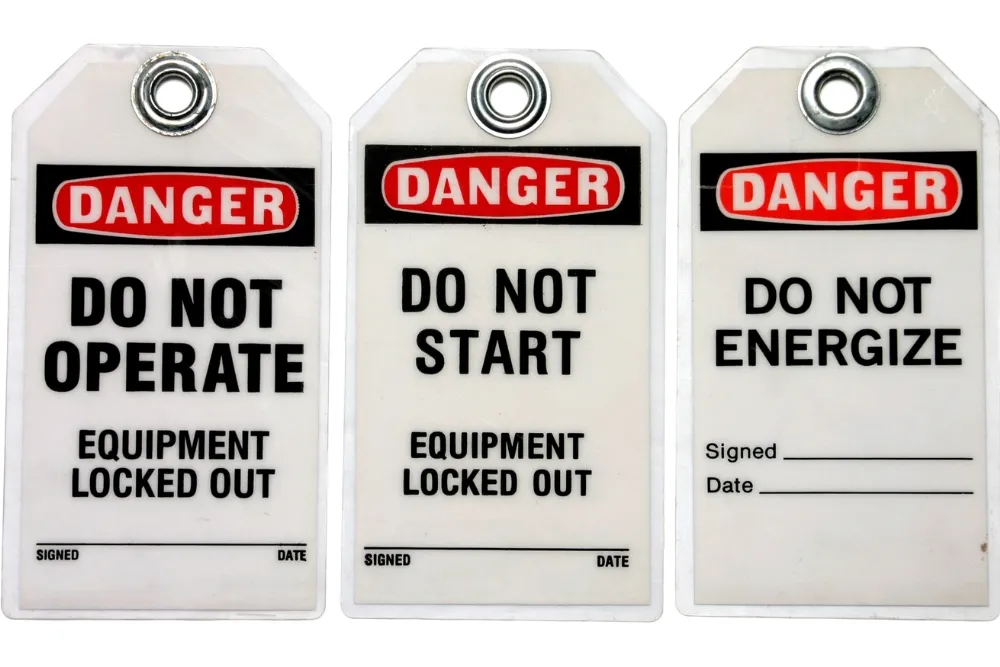
Ever had that moment when the hair stands up on the back of your neck because you hear a machine kick into gear all by itself? Fair dinkum, it’s enough to make anyone’s heart skip a beat – and let’s face it, we’ve all been there.
It’s well known that every year we see our fair share of accidents caused by machines that start up without warning. That’s why our guide is a real corker – it walks you through the tag-out system, which could be an absolute game-changer for safety during machinery maintenance.
Key Takeaways
- A tag-out system uses tags to warn workers that machinery is not to be used because it’s being serviced or repaired, preventing accidents and ensuring safety.
- While a lockout physically prevents the start-up of equipment with locks, a tag out serves as a visual cue for safety and is commonly fused with lockout procedures for better protection.
- Training on how to use tag-outs correctly and regular checks make sure all workers know how the system works and follow it. This keeps the workplace safe from accidental machine startups.
- The five key steps in proper tagging out include identifying machines due for maintenance, using group lockouts when needed, following specific safety steps, removing locks and tags safely, and making sure all tools are put away before starting up again.
- It’s crucial to stick to tag-out rules like those set by OSHA in the USA or CSA in Canada. Doing so protects people at work from harm caused by active machinery they’re fixing or maintaining.
What is Tag Out?
Tag out is a safety procedure used to protect workers from hazardous energy by isolating equipment and ensuring it cannot be operated. It differs from lockout in that it uses tags instead of physical locks to indicate that the equipment should not be used.
Definition and purpose
A tag-out system is our safeguard against the dangers lurking in machines we’re fixing or maintaining. It’s a bright, clear signal telling us that someone has shut down this piece of equipment and it’s off-limits until the tag comes off.
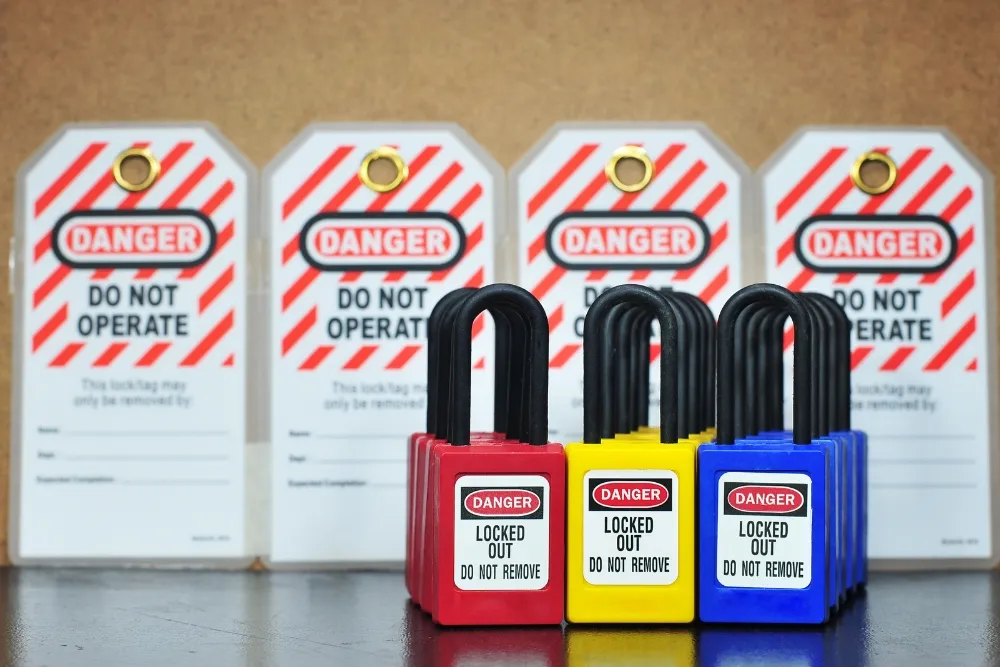
Think of it as a bold ‘Do Not Disturb’ sign for machinery, warning us not to flip that switch or turn that valve while someone’s working on it. The goal here is straightforward: keep everyone around safe from hazardous energy releases and protect workers by preventing unexpected startups.
We place those all-important tags to communicate crucial information about the maintenance work in progress, ensuring nobody mistakenly re-energises the equipment.
This simple act contributes massively to plant safety and helps us prevent workplace injuries which can come from electrical circuits coming alive unplanned or machinery starting up when it should remain still.
We’re setting up an environment where safety protocols are front-and-centre – because no job is so urgent that we can’t take the time to do it safely. Now let’s discuss how this differs from a lockout procedure, blending both into our safety culture.
Difference from lockout
Tag out and lockout are both vital safety procedures used to isolate equipment from energy sources during maintenance, servicing, or repair work. While lockout physically prevents machines from being restarted by using lockout devices such as padlocks, tag out involves affixing a label or tag to communicate information about the equipment’s inoperability.
Unlike lockout, tag out does not physically prevent machines from being operated; instead, it provides a visible warning that the equipment is being worked on and should not be operated.
The key distinction lies in the fact that while lockout ensures physical isolation of machinery or equipment, tag out serves as a visual indicator that work is ongoing and operating the equipment poses risks.
The Importance of Tag Out
Ensuring safety for workers and preventing accidents are the main reasons why tagging out is important. It helps protect workers from hazardous energy sources and ensures that equipment is properly isolated during maintenance or repair work.
Ensuring safety for workers
To ensure the safety of workers, implementing a robust lockout/tagout programme is essential. This system helps prevent unexpected machinery startup and hazardous energy releases during maintenance, protecting employees from potential workplace accidents and injuries.
By following proper tag-out procedures, such as equipment isolation and tagging, workers can work on machines without the fear of accidental activation or exposure to hazardous energy sources.
Maintaining a safe working environment by adhering to lockout/tagout regulations is crucial in preventing workplace injuries. With clearly defined protocols for equipment protection and energy isolation techniques, businesses can effectively minimise the risk of accidents while ensuring compliance with safety regulations.
Preventing accidents
Preventing accidents is the primary purpose of a tag-out system. By clearly labelling and notifying workers that equipment is undergoing maintenance or repair, the risk of accidental operation is significantly reduced.
This visible warning provides crucial information to all employees, ensuring they are aware of which equipment should not be operated, ultimately contributing to workplace safety and injury prevention.
A comprehensive lockout/tagout programme plays a significant role in minimising the risk of unexpected machinery or equipment startups. It also protects workers from potential electrical hazards and contributes to creating a safer work environment for everyone involved.
Components of a Tag Out Program
One of the most important aspects of a Tag Out program is having clear policies and procedures in place to guide employees on how to safely shut down equipment. Along with defined roles and responsibilities, regular training and audits are also essential components to ensure the program’s effectiveness.
Policies and procedures
To ensure the effectiveness of a tag-out programme, specific policies and procedures need to be implemented. These guidelines provide a framework for employees to follow when tagging out equipment. It includes:
- Clear identification of authorised personnel responsible for implementing tag-out procedures, ensuring that only trained and qualified individuals perform equipment shutdown and maintenance.
- Detailed documentation outlining the step-by-step process for tagging out equipment, including the use of standardised tagout labels and clear communication methods to alert others about the status of machinery.
- Regular review and updates of tag-out policies to align with industry best practices and safety standards, ensuring ongoing compliance with regulations and promoting a culture of continuous improvement.
- Defined responsibilities for conducting regular audits and inspections to assess the effectiveness of tag-out procedures, identifying any areas for improvement or additional training needs.
- Incorporation of employee training programmes focused on educating workers about the importance of tag-out procedures, potential risks associated with equipment maintenance, and the correct usage of tag-out labels for effective communication in the workplace.
- Integration of feedback mechanisms allowing employees to report any issues or concerns related to tag-out procedures, fostering a proactive approach to addressing safety-related matters within the organisation.
- Incorporation of disciplinary measures for non – compliance with tag-out policies, emphasising the significance of adhering to established procedures for equipment shutdown and maintenance activities.
Roles and responsibilities
- In addition to establishing clear policies and procedures, the successful implementation of a tag-out programme relies on assigning specific roles and responsibilities to ensure its effectiveness.
- The following are key roles and responsibilities that should be defined within a tag-out system:
- Equipment Owners:
- Maintain an updated list of all equipment requiring tag-out procedures at the workplace.
- Ensure that all necessary equipment is properly labelled for tag out when maintenance or servicing is required.
- Authorised Employees:
- Perform the actual locking/tagging of equipment to prevent operation during maintenance or repair work.
- Verify that all energy sources are isolated before applying lockout/tagout devices.
- Maintenance Personnel:
- Conduct regular inspections of tagged equipment to ensure compliance with safety measures.
- Refrain from operating any machine or device without removing the lockout/tagout device after maintenance tasks are completed.
- Supervisors/Managers:
- Provide oversight and support for the effective implementation of tag-out procedures within their respective departments.
- Conduct periodic audits to verify adherence to tag-out protocols and address any non – compliance issues promptly.
- Safety Officers:
- Offer guidance and support in training employees on proper tag-out practices and safety precautions.
- Investigate any incidents where tag-out procedures were not followed or accidents occurred despite lockout/tag-out measures being in place.
- Training Coordinators:
- Develop and deliver comprehensive training programmes for employees on the correct application of lockout/tagout devices.
- Update training materials regularly to incorporate new safety standards and best practices related to tag-out systems.
Training and audits
Training and audits ensure that workers are fully equipped with the knowledge and skills to implement lockout/tagout procedures effectively. They also help in reinforcing compliance with safety regulations and identifying areas for improvement. Here are key considerations for training and audits:
- Training programmes should cover the purpose and importance of lockout/tagout, as well as specific procedures for different types of equipment.
- Workers need to be trained on how to recognise hazardous energy sources, apply lockout devices, and affix tags accurately.
- Regular audits should be conducted to assess the effectiveness of the lockout/tagout programme, identify any deviations or gaps, and ensure continuous improvement.
- Audits should also verify that all equipment is properly labelled with tags when undergoing maintenance or servicing.
- Training sessions should be interactive, engaging, and tailored to the specific needs of different workplaces.
- Audits provide an opportunity to review documentation, evaluate employee understanding of lockout/tagout procedures, and address any non-compliance issues.
Key Steps for Tag Out Procedure
Identifying the equipment, performing a group lockout, and following the five safety steps are crucial for an effective tag-out procedure. It’s important to understand these key steps to ensure the safety of workers during equipment maintenance.
Equipment identification
Equipment identification is a crucial step in the tag-out procedure. It involves clearly marking machinery and equipment that are undergoing maintenance or servicing with visible tags or labels.

Tags provide important information about why the equipment cannot be operated, serving as a warning to prevent accidental use and ensuring the safety of workers. Effective equipment identification helps to minimise the risk of accidents by communicating the inoperability of machinery being worked on, thereby promoting a safer work environment for everyone involved.
Tags are used to identify equipment that is unavailable for use due to commissioning, cleaning, servicing, repairing, or faults – providing clear warnings to prevent accidental operation and protect workers from potential hazards.
Group lockout
When performing maintenance or servicing on multiple pieces of equipment that are interconnected, group lockout becomes essential to ensure the safety of workers. The procedure involves isolating energy sources for a group of machines, effectively rendering them inoperable during maintenance activities.
By applying lockout devices and tags across all interconnected equipment, the risk of accidental startup or release of hazardous energy is significantly reduced, providing a safer work environment for everyone involved.
Additionally, this approach streamlines the maintenance process by allowing workers to address multiple pieces of equipment simultaneously while ensuring compliance with safety regulations and preventing potential accidents.
Implementing group lockout as part of a comprehensive tag-out programme serves the goal of creating a safer work environment and minimising the risk of injuries caused by unexpected machinery startup or exposure to hazardous energy.
Five safety steps
- Identify and communicate the purpose of the tag out or lockout procedure clearly to all workers involved in the maintenance or servicing of equipment.
- Verify that all energy sources have been isolated and locked out, to prevent any unexpected start-up or release of hazardous energy during maintenance activities.
- Relieve residual energy stored in the equipment by grounding, bleeding, or blocking it before commencing any maintenance work.
- Confirm that the equipment is completely safe to work on by using appropriate testing procedures to verify the absence of hazardous energy.
- Remove all locks and tags only after ensuring that all tools and personnel are in a safe position and there is no potential risk of accidental start-up or release of hazardous energy before restarting the machinery or equipment.
Compliance with Tag Out Standards
It is important to comply with tag-out standards in various countries such as Canada, the EU, the United Kingdom, and the United States to ensure the safety of workers and prevent accidents.
To learn more about these standards and how they can impact your workplace, read on!
Canada
In Canada, the tag-out system is an essential component of workplace safety regulations. It is mandated by the Canadian Standards Association (CSA) and enforced by provincial authorities to protect workers from hazardous energy during maintenance or servicing activities.
Canadian workplaces must adhere to strict policies and procedures outlined in the CSA Z460 standard for control of hazardous energy – lockout and other methods. This includes clearly defined roles and responsibilities, comprehensive training programmes, regular audits, and equipment identification protocols to ensure compliance with safety regulations.
Furthermore, implementing effective lockout/tagout procedures in Canada serves the goal of creating a safer work environment while minimising the risk of accidents and injuries caused by unexpected startup of machinery or equipment.
EU
In the EU, lockout/tagout (LOTO) procedures are governed by strict safety regulations aimed at protecting workers from hazardous energy sources during maintenance and servicing activities.
Compliance with these standards is crucial for creating a safe work environment and preventing workplace accidents. Implementing an effective tag-out system not only ensures the safety of workers but also helps in adhering to the industrial safety guidelines set forth by the European Union.
It involves clear policies, rigorous training, and regular audits to maintain high levels of safety in workplaces across the EU.
European Union directives emphasise the importance of equipment isolation through lockout/tagout measures to minimise potential risks associated with machinery operation and maintenance.
United Kingdom
Moving on to discussing the situation in the United Kingdom, it’s important to note that lockout/tagout (LOTO) procedures are crucial in this region as well. The UK has specific health and safety regulations that govern the use of LOTO systems, ensuring that workers are protected from hazardous energy during the maintenance or servicing of machinery and equipment.
As with other regions, implementing effective lockout/tagout procedures in the United Kingdom serves the fundamental goal of creating a safer work environment and reducing the potential for workplace accidents.
Compliance with LOTO standards in the United Kingdom is essential for protecting workers from injury while working on or near electrical circuits and equipment. Additionally, these measures help prevent unintended exposure to hazardous energy from machinery and equipment, ultimately contributing to a safer work environment for employees.
United States
Transitioning to the tag-out standards in the United States, it’s important to note that LOTO procedures are a critical aspect of workplace safety regulations. In the US, lockout/tagout requirements are governed by OSHA (Occupational Safety and Health Administration) standard 29 CFR 1910.147.
This standard mandates that employers develop and implement specific procedures to control hazardous energy during maintenance or servicing activities, ensuring the safety of workers across various industries.
OSHA’s lockout/tagout standard outlines detailed guidelines for isolating equipment from energy sources and establishing clear protocols for de-energizing machinery and equipment. Employers are required to train workers on these procedures, as well as conduct regular audits to ensure compliance with safety regulations.
References and external resources
To ensure proper implementation of a tag-out system, it is essential to refer to reliable and informative resources. Here are some valuable references and external resources that can provide detailed insights into tag-out procedures:
- Canadian Centre for Occupational Health and Safety (CCOHS): The CCOHS website offers comprehensive guidance on lockout/tagout regulations and best practices, providing valuable information for home and office owners seeking to enhance workplace safety.
- European Agency for Health and Safety at Work (EU-OSHA): The EU-OSHA provides in-depth materials outlining the importance of tag-out systems in preventing workplace accidents, offering practical tips for implementing effective procedures within various work environments.
- Health and Safety Executive (HSE) – United Kingdom: The HSE website offers practical resources detailing the legal requirements and guidelines related to lockout/tagout procedures, serving as a valuable reference point for home and office owners aiming to ensure compliance with UK safety regulations.
- Occupational Safety and Health Administration (OSHA) – United States: OSHA’s official website provides extensive information on lockout/tagout standards, including training requirements and procedural guidelines, offering crucial insights for maintaining a safe working environment in homes and offices.
- International Organisation for Standardisation (ISO): ISO’s standardisation documents outline global best practices for lockout/tagout processes, serving as a vital resource for home and office owners looking to align their tag-out systems with international safety standards.
- National Fire Protection Association (NFPA): NFPA publications offer valuable insights into the development of effective lockout/tagout programmes, providing relevant guidance on equipment isolation practices to ensure the safety of workers in residential and commercial settings.
Tagout Mastery for a Secure Environment!
In conclusion, the purpose of a tag-out system is to provide visible warnings and prevent accidents during maintenance work. Implementing effective procedures aims to create a safer workplace environment, reduce potential accidents, and ensure compliance with safety regulations.
The primary goal is to protect workers from unexpected equipment startups and hazardous energy exposure. Creating a comprehensive lockout/tagout programme involves establishing proper isolation procedures, providing worker training, and ensuring adherence to safety standards.
Unlock the potential of your Tag Out system by understanding its purpose and goals. Get in touch with us now to enhance safety and efficiency in your workplace!