
LockOut Equipment · 7 March 2024
Overview of Tag Out Systems
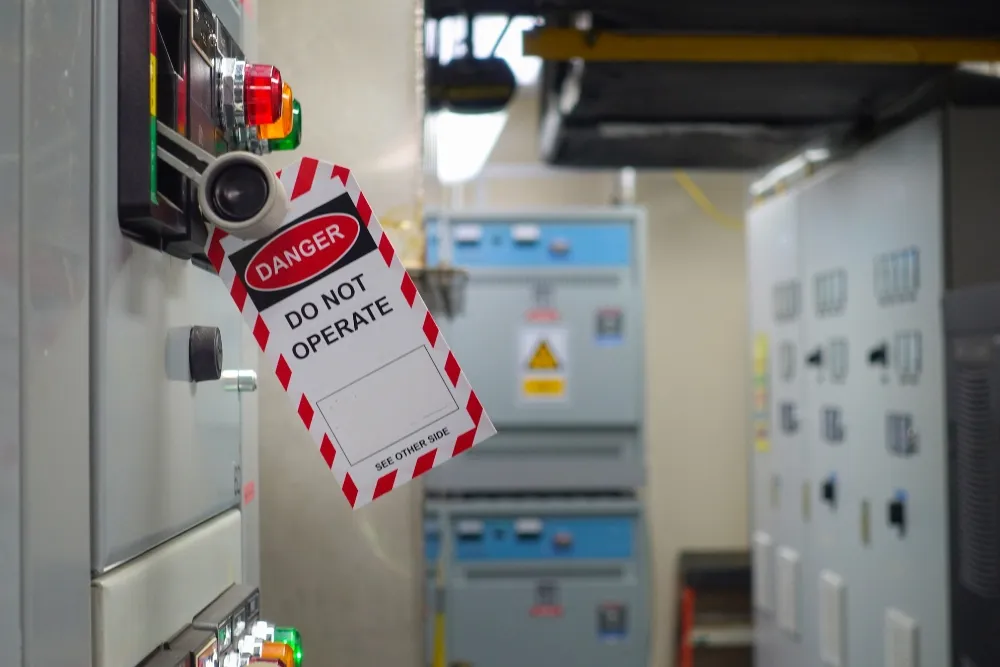
Keeping everyone safe around machines, whether it’s in the shed out back or the office copier room, is a fair dinkum task. We’ve all had that niggling doubt nagging at us – was that gadget really switched off before we started tinkering with it? Crikey, an unexpected burst of energy can be a right shocker.
That’s why we’ve sussed out what you need to know about tag-out systems – because having a yarn about safety isn’t just chin-wagging; it could save your bacon during maintenance jobs.
So let’s jump into it and make sure our workplaces are as safe as houses!
Key Takeaways
- Lockout Tagout (LOTO) is a safety practice where dangerous machines are shut off and locked to prevent them from being started up again. Tags act as warnings not to use the equipment.
- Training employees in LOTO procedures is critical, and they must understand how to control various energy sources like electrical, hydraulic, or mechanical during maintenance.
- Annual audits check that all LOTO steps are followed correctly. This includes inspecting devices for wear and ensuring workers have updated training.
- Various industries need specific lockout tagout protocols due to their unique equipment and risks. These standards ensure all types of workplaces stay safe.
- Safety software helps manage LOTO information such as emergency controls, making processes more efficient and helping with compliance documentation.
What is Lockout Tagout?
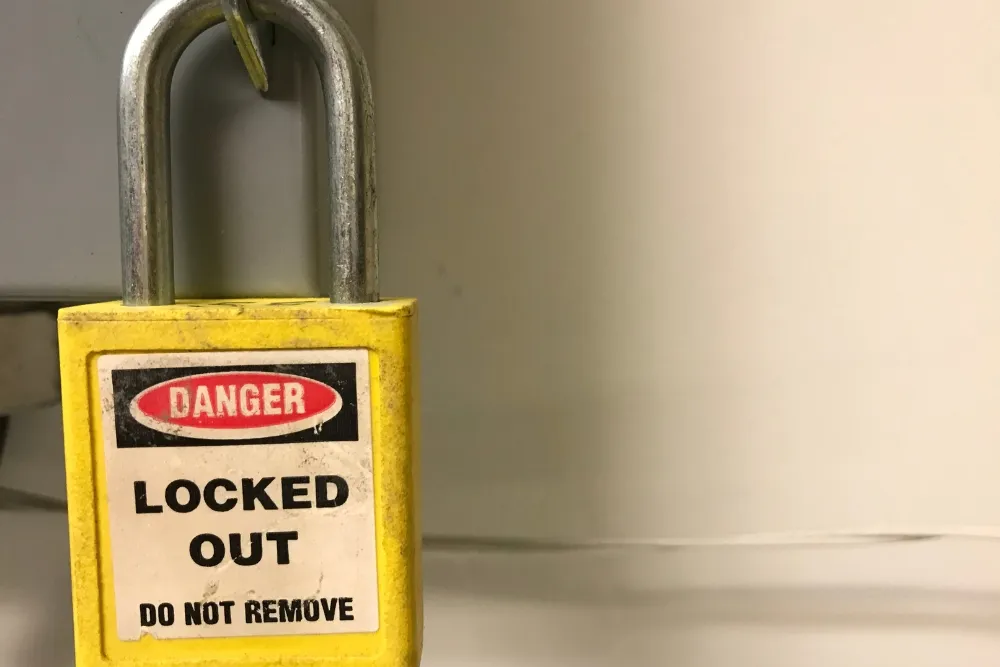
Lockout Tagout (LOTO) is a safety procedure used to ensure that dangerous machines are properly shut off and not able to be started up again before the completion of maintenance or servicing work.
This process involves the use of lockout devices and tags, which help prevent accidents and injuries caused by accidental startup of machinery during maintenance activities.
Definition and purpose
We call it a Lockout Tagout, and its job is to keep everyone around machines safe. It’s all about turning off equipment that can be dangerous and making sure no one can just switch it back on when someone is fixing or checking it.
This isn’t only good sense; it’s a critical safety procedure that kicks in when machine guards are removed. You’re dealing with what’s known as hazardous energy, stuff like electricity, motion, heat, that could harm if suddenly released.
Our main aim here is clear: prevent accidents and keep workers from harm while they’re servicing equipment. Think of lockout tagout as your trusty doorman holding back unwanted guests, those bursts of energy waiting to cause trouble.
By applying reliable locks and displaying warning tags, we tell everyone this gear is off-limits until the person looking after maintenance says otherwise. It’s a cornerstone for any solid energy control programme and a rule book for keeping workplace hazards at bay.
Brief history
Lockout tagout procedures have been in place for decades to ensure the safety of workers when servicing equipment. The concept originated in response to the growing need to prevent accidental startup and hazardous energy release during maintenance or repair activities.
Over time, lockout tagout has evolved into a standardised system with clear regulations and guidelines, becoming an integral part of workplace safety protocols. Its history is rooted in the commitment to safeguarding employees from potential workplace hazards associated with machinery and equipment.
The development of lockout tagout procedures was driven by a growing awareness of the risks posed by uncontrolled energy sources during equipment servicing. As industrial operations expanded, so did the need for effective shutdown procedures to protect workers from accidents related to energised machinery.
Differences between Lockout and Tagout
Lockout procedures involve physically shutting off the power source of equipment and using a lock to prevent it from being turned back on. Tagout procedures, on the other hand, use tags to provide a warning that equipment should not be operated.
Lockout procedures
Lockout procedures involve several critical steps to ensure the safe shutdown and isolation of equipment. Here are the key components and considerations for lockout procedures:
- Identify all energy sources: Locate and document all energy sources that need to be isolated, such as electrical, hydraulic, pneumatic, or mechanical energy.
- Notify affected personnel: Inform all affected employees about the impending lockout and tagout procedure and explain the reasons for the shutdown.
- Shut down equipment: Turn off the machinery using standard operating procedures or equipment-specific guidelines.
- Isolate energy sources: Deactivate energy isolation devices and ensure that no hazardous energy can flow into the equipment during maintenance or servicing.
- Apply lockout devices: Secure all energy isolation points using appropriate lockout devices to prevent accidental activation of machinery.
- Tagout the equipment: Attach tagout devices to clearly indicate that maintenance or servicing is being performed on the equipment and that it should not be operated.
- Verify isolation: Test equipment to confirm that it has been effectively de-energised and locked out before work begins.
- Perform maintenance or service: Once the equipment is secured according to lockout procedures, conduct necessary maintenance or servicing tasks safely.
Tagout procedures
- Obtain the appropriate tagout devices and tags for equipment maintenance and servicing.
- Ensure that the tags are durable, clearly visible, and cannot be easily removed or detached.
- Identify the energy sources and controls that need to be tagged out during equipment shutdown.
- Attach the tagout devices to the relevant energy isolating points or controls after de-energising the equipment.
- Clearly mark the tags with information about the reason for tagout, date of application, and identification of personnel responsible for the lockout/tagout.
- Communicate effectively by informing all affected employees about the tagout procedures and ensuring they understand the purpose and significance of the tags.
Components and Considerations for a Lockout Tagout Program
When it comes to implementing a Lockout Tagout programme, there are essential elements and compliance requirements that need to be considered. This includes understanding best practices for equipment safety and ensuring that all necessary components are in place for effective control of hazardous energy.
Elements and compliance requirements
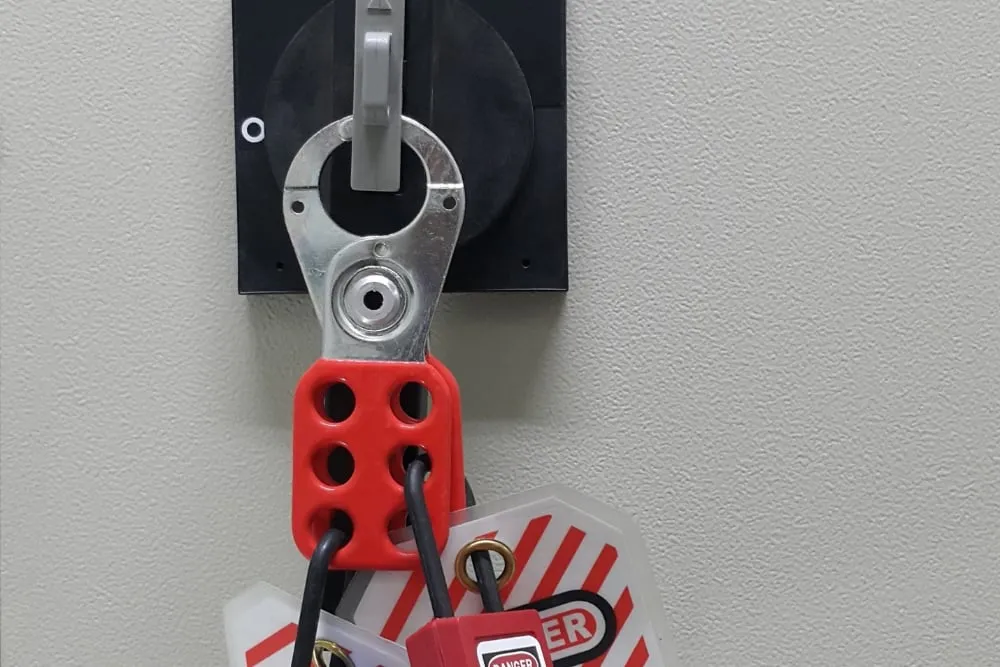
- Installing and maintaining lockout/tagout devices on all hazardous energy sources.
- Developing specific procedures for each piece of equipment and ensuring they are followed.
- Training employees in the proper use of lockout/tagout procedures and equipment.
- Conducting regular audits and inspections to ensure the effectiveness of the programme.
- Updating procedures as needed based on changes in equipment or processes.
- Complying with relevant safety regulations and standards to ensure a safe working environment.
Best practices
- Conduct a thorough equipment inventory and risk assessment to identify all potential energy sources and hazards within the workplace.
- Develop comprehensive lockout tagout procedures for each piece of equipment, clearly outlining the steps for de-energising, locking out, and verifying isolation.
- Regularly review and update lockout tagout procedures in response to changes in equipment, processes, or regulations, ensuring that they remain accurate and effective.
- Provide extensive training to employees on the proper application of lockout tagout procedures, emphasising the importance of communication, teamwork, and vigilance.
- Implement a system for periodic audits and inspections of lockout tagout practices to verify compliance with regulations and identify areas for improvement.
- Foster a culture of safety awareness and accountability among all personnel involved in lockout tagout activities through ongoing education and reinforcement.
- Utilise advanced lockout devices equipped with features such as keyway cylinder guards, tamper-resistant labels, and universal compatibility to enhance security measures.
- Employ digital solutions such as safety software applications to streamline documentation, tracking, and management of lockout tagout processes while promoting transparency and accessibility.
- Ensure alignment with relevant regulations and standards governing lockout tagout procedures within specific industries, tailoring programmes to meet industry-specific requirements.
- Collaborate with vendors or industry experts to stay abreast of advancements in lockout tagout technology, products, and best practices for optimal workplace safety.
Training and Auditing Requirements
Proper training for employees and contractors is crucial to ensure they understand the lockout tagout procedures. Annual audits and inspections are also necessary to maintain compliance and identify any potential risks in the workplace.
Training for employees
Training for employees is crucial to ensure the effective implementation of a lockout tagout programme. Here are some key aspects to consider:
- Provide comprehensive training sessions on the purpose and procedures of lockout tagout, emphasising the importance of de-energising equipment before performing maintenance or servicing.
- Conduct interactive workshops to educate employees about identifying energy sources, proper use of lockout devices, and understanding tagout procedures.
- Demonstrate real-life scenarios and case studies to illustrate the potential risks associated with failure to follow lockout tagout protocols.
- Incorporate practical training exercises where employees can practise locking out equipment under supervision to ensure they have a clear understanding of the process.
- Offer refresher training sessions periodically to reinforce understanding and awareness among employees, especially when there are changes in equipment or procedures.
Contractor lockout training
- Understanding the purpose and importance of lockout tagout in preventing workplace incidents.
- Identifying and using appropriate lockout devices and tags for different types of equipment.
- Recognising different energy sources and understanding the steps required to safely isolate them.
- Practising proper lockout tagout procedures through hands-on simulations and real-life scenarios.
- Comprehending the relevance of compliance with relevant regulations and standards to ensure effective implementation.
Annual audits and inspections
To ensure the ongoing effectiveness of our lockout tagout program, annual audits and inspections are essential. They include:
- Regular assessment of lockout tagout procedures to identify any gaps or non – non-compliance.
- Inspection of all lockout devices, tags, and safety software for signs of wear, damage, or malfunction.
- Review training records to confirm that all employees and contractors have completed the required lockout tagout training.
- Conducting a thorough check of relevant regulations and standards to verify compliance.
Recommended Products and Resources
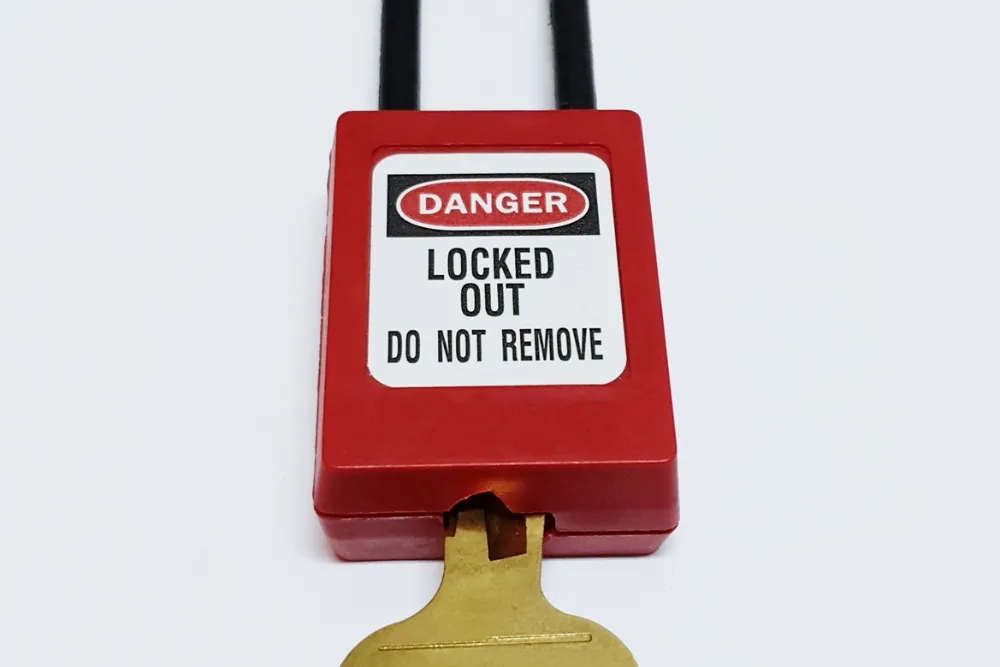
When it comes to lockout tagout systems, there are a range of products and resources available to help ensure safety and compliance. From lockout devices to safety software, there are many options to consider for implementing an effective programme in your workplace.
It’s important to familiarise yourself with relevant regulations and standards, as well as recommended procedures for specific industries.
Lockout tags
Lockout tags are essential for indicating that equipment is being serviced and should not be operated. They play a crucial role in workplace safety and compliance by providing clear visual indicators. Here are the key points to know about lockout tags:
- Lockout tags are often used with lockout devices to provide an additional warning that equipment is undergoing maintenance.
- These tags are typically made of durable materials like reinforced vinyl or plastic, ensuring they can withstand harsh industrial environments.
- Tags come in various colours and designs, allowing for customisation to fit specific needs and communicate vital information effectively.
- They must include information such as the name of the authorised employee who placed the tag, the date of placement, and a clear warning not to operate the equipment.
- The use of standardised symbols and language on lockout tags ensures consistency and enhances understanding across different equipment and facilities.
- It’s important to regularly audit and inspect lockout tags to ensure they remain legible, securely attached, and up-to-date with relevant information.
- Proper training for employees on how to use lockout tags is essential for effective implementation within a workplace environment.
- In addition to HSE’s guidelines, it’s crucial to stay updated on relevant regulations and standards related to the design and use of lockout tags.
- When choosing lockout tags, consider factors such as resistance to UV exposure, extreme temperatures, chemicals, and overall durability.
- Implementing comprehensive procedures for using lockout tags contributes significantly to risk management efforts, promoting a safe work environment for employees.
Safety software
When utilising lockout tags and devices, incorporating safety software is essential to streamline the lockout/tagout process and ensure compliance with regulations. Safety software provides a centralised platform for managing lockout/tagout procedures, training records, equipment inventory, and auditing requirements.
It allows easy access to important information, such as energy control procedures and equipment isolation steps, ensuring that employees are well-equipped to carry out safe servicing or repair tasks.
Additionally, safety software facilitates efficient communication of lockout/tagout updates and alerts across teams while maintaining an organised documentation system for annual audits and inspections.
By integrating safety software into your lockout tag program, you can effectively enhance workplace protocols and minimise the risk of incidents related to hazardous energy release.
Working environments that have successfully implemented safety software in their lockout/tagout programmes have reported improved compliance with relevant standards such as HSE’s Lockout/Tagout Fact Sheet.
Relevant regulations and standards
Ensuring compliance with relevant regulations and standards is crucial for maintaining a safe work environment when implementing lockout tagout procedures. The following are important regulations and standards to consider when establishing a lockout/tagout programme:
- OSHA Standard 1910.147: This standard outlines the requirements for controlling hazardous energy during the service and maintenance of machines and equipment.
- NFPA 70E: This standard provides guidelines for electrical safety in the workplace, including procedures for lockout/tagout of electrical systems.
- ANSI Z244.1: This standard offers comprehensive guidelines for the control of hazardous energy during servicing and maintenance of machines and equipment.
- Industry-Specific Regulations: Different industries may have specific regulations related to lockout tagout, such as those set forth by organisations like the American National Standards Institute (ANSI) or the National Fire Protection Association (NFPA).
- International Standards: For businesses operating globally, it’s essential to consider international standards such as ISO 45001, which provides requirements for occupational health and safety management systems.
- Compliance Documentation: Keeping accurate records of adherence to regulations and standards is vital, as this can include written energy control procedures, training documentation, and periodic reviews of lockout/tagout programmes.
Recommended procedures for specific industries
When considering lockout tagout procedures for specific industries, it is essential to tailor the approach based on the unique energy control needs and equipment used in each sector. Here are some recommended procedures for specific industries:
- Manufacturing Industry:
- Construction Industry:
- Healthcare Industry:
- Oil and Gas Industry:
- Aviation Industry:
- Food Processing Industry:
- Retail Industry:
Same-Day Hot Water Repairs for Your Peace of Mind!
In conclusion, understanding lockout tagout is crucial for safeguarding workers and employees. It involves de-energising and securing equipment to prevent hazardous energy release during servicing or repair.
By implementing a comprehensive lockout/tagout programme, businesses can ensure workplace safety and compliance with relevant regulations. Employing the recommended products and resources will help in effectively implementing the system while preventing incidents and accidents in the workplace.
Discover the power of Tag Out Systems in ensuring workplace safety! Join us for an insightful introduction session and learn how Tag Out Systems can protect your team and equipment. Register now!