
Tag Out System · 7 November 2023
Overcoming Common Challenges in Tag Out System Implementation
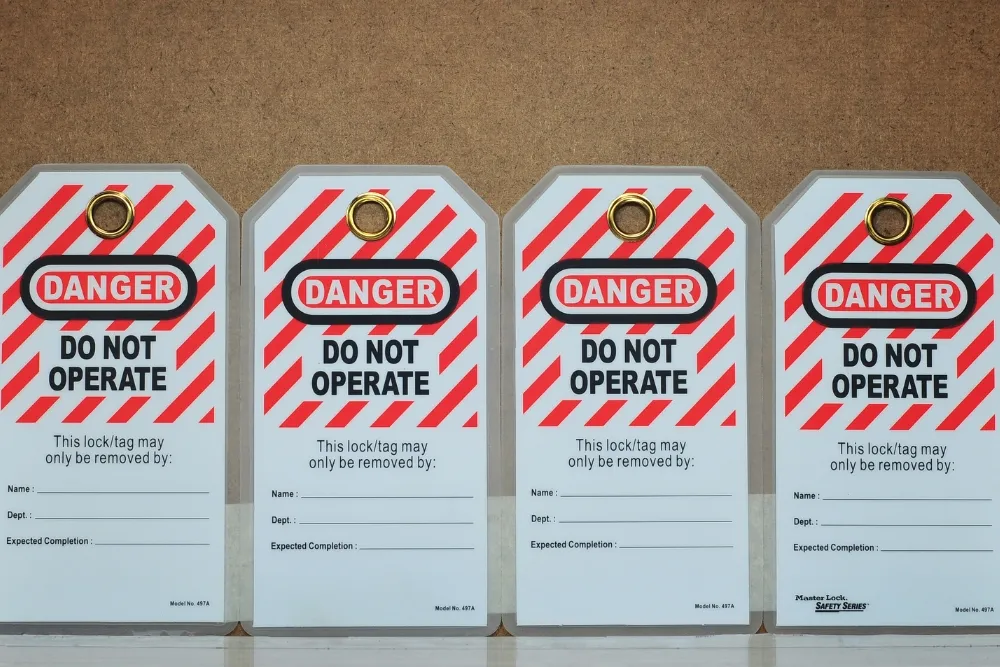
Setting up a lockout tagout system might seem like a bit of a slog; we’re well aware it’s one of the more complex bits in keeping the workplace as safe as houses. Just like you, we’ve come up against these challenges fair dinkum and learned that heaps of mishaps can be dodged with the right kind of know-how.
Our yarn is chockers with nifty tactics to sort out the usual headaches when rolling this out, making sure your mob stays protected and on the straight and narrow. Brace yourself for some ripper advice!
Common Challenges with Lockout Tagout
One common challenge with Lockout Tagout is the difficulty in identifying all energy sources, which can lead to potential safety risks if not properly addressed.
Lack of employee training
We often see teams struggling with proper lockout tagout procedures due to a lack of employee training. If our workers don’t understand the risks and correct steps in controlling hazardous energy, they’re at greater risk of injury or worse.
That’s why we emphasise the need for regular, comprehensive training sessions that ensure everyone knows their role inside out. Employees must demonstrate real competence before they can be authorised to carry out these critical safety tasks.
It’s crucial for us to not just train once but reinforce learning continuously through updates and refresher courses. Staying sharp on safety protocols means less chance of accidents and more peace of mind for all of us, ensuring workplace safety remains a top priority. With well-trained employees, we turn our attention to tackling inadequate or outdated procedures.
Inadequate or outdated procedures
To ensure the safety of our workplace, we must address the issue of inadequate or outdated procedures in our lockout tagout system. By regularly reviewing and updating our procedures, we can effectively mitigate risks and prevent accidents related to equipment maintenance.
We as home, industrial, and office owners must understand that keeping up with changing regulations and industry best practices will contribute to a safer work environment overall.
Comprehensive reviews and updates of our lockout tagout procedures are vital for ensuring that they remain effective in addressing potential hazards. Through this proactive approach, we can stay abreast of technological advancements and new risk assessment strategies, optimising the safety measures within our facilities.
Difficulty identifying all energy sources
Identifying all energy sources can be challenging, but it is crucial for effective lockout/tagout implementation. Ensuring that all potential energy reservoirs are identified and isolated minimises the risk of unexpected startup accidents.
Common energy sources include electrical, mechanical, hydraulic, pneumatic, thermal, and chemical energies. It’s important to conduct a thorough survey of equipment and machinery to locate and document all potential energy sources accurately.
To ensure workplace safety through proper lockout/tagout procedures, owners should invest in comprehensive training programs to educate employees about identifying various energy sources present in their specific work environment.
Failure to properly document procedures
When addressing the challenge of failure to properly document procedures, it is vital to recognise that lack of awareness and specific lockout tagout (LOTO) procedures contribute significantly to this issue.
Implementing practical solutions such as regular revision and updates of procedures can help bridge this gap. In addition, providing comprehensive employee training will ensure that all personnel involved are well-informed and equipped with the necessary knowledge to accurately document LOTO procedures.
Clear communication and understanding among all stakeholders play a crucial role in overcoming this challenge, ultimately contributing to a safer work environment.
Efficiently documenting LOTO procedures is paramount for successful implementation. Regular review and employee training facilitate accurate procedure documentation, ensuring adherence at all levels.
Communication breakdowns
Effective communication is crucial in implementing a successful lockout tagout system. This includes clear and concise instructions when locking out or tagging equipment, as well as consistent updates on procedures and protocol changes.
It’s important for all personnel involved to understand the significance of adherence to safety measures and follow proper communication channels when it comes to executing lockout tagout procedures.
Furthermore, regular dialogue among team members ensures that everyone is aware of potential hazards and any modifications to energy control measures. Proper communication helps prevent misunderstandings that can lead to serious accidents or unsafe work conditions.
Open lines of communication create a safer workplace where employees feel empowered to speak up about potential risks without fear of repercussions. By maintaining an open dialogue, we can effectively address any discrepancies or concerns regarding the lockout tagout process, thus promoting a culture of safety within our organisation.
Regulatory Compliance Challenges
Understanding and interpreting regulations can be a challenge, especially with the ever-changing nature of compliance requirements. Keeping up with the latest standards and meeting international regulations adds an extra layer of complexity to implementing a tag-out system effectively.

Understanding and interpreting regulations
We need to understand and interpret regulations governing lockout/tagout procedures. It’s crucial for compliance with safety standards. This includes keeping up with changing regulations and meeting international standards, ensuring that all employees are aware of the specific procedures, and selecting appropriate equipment.
Meeting these legal requirements is vital for workplace safety and preventing accidents. Failure to comply can result in severe consequences including fines or legal action. Therefore, it’s essential to have a thorough understanding of regulatory expectations and ensure ongoing monitoring and updates to maintain compliance.
Keeping up with changing regulations
Staying updated with changing regulations is crucial for effective lockout/tagout implementation. Regularly reviewing and understanding these regulations ensures compliance and workplace safety.
We must keep abreast of any new standards or requirements to maintain a safe working environment.
Adapting to changes in regulations may require adjustments in existing procedures, but it ultimately contributes to a safer work environment. It’s essential to remain informed about any updates or revisions in regulatory requirements related to lockout/tagout procedures and ensure they are promptly implemented across the organisation.
Meeting international standards
Keeping up with changing regulations is essential, but meeting international standards is equally crucial for lockout tagout implementation. Understanding and interpreting global regulations will ensure that your lockout tagout procedures are aligned with international safety standards.
This involves harmonising procedures and equipment to comply with the specific requirements of different countries. Adhering to these standards not only ensures the safety of your employees but also enables you to operate seamlessly on a global scale, avoiding any compliance issues when operating in different regions.
Implementing a standardised management system can help streamline processes across multiple locations and meet international safety requirements effectively. This approach promotes consistency and allows for efficient communication among personnel worldwide, ensuring that lockout tagout procedures are universally understood and implemented according to best practices.
Technological Challenges
Implementing new technologies can be daunting, but integrating automated systems and updating existing technology is crucial for efficient tag-out procedures.
Use of automated or computerised systems
Automated or computerised systems offer a modern solution to the challenges of implementing lockout/tagout procedures. These systems can streamline the identification and isolation of energy sources, improving efficiency and accuracy.
By integrating with existing technology and equipment, automated systems enhance workplace safety by ensuring that all energy sources are effectively controlled during maintenance activities.
Manufacturers must overcome automation challenges to create a better smart lockout/tagout system and maximise their investments.
Implementing an automated or computerised system requires thorough training for employees responsible for locking out equipment. This ensures competence in utilising these advanced technological solutions for effective tag-out implementation.
Integration with existing technology and equipment
Effective integration with existing technology and equipment is crucial for a successful lockout/tagout system. We can enhance safety by leveraging automated or computerised systems to streamline the process while also ensuring that new technologies complement the current setup.
Manufacturers should address automation challenges, embracing smart solutions in lockout/tagout systems to make the most of their investments and create a better, more efficient workplace safety environment.
Moreover, evaluating technology compatibility and identifying potential obstacles beforehand can help smooth the transition and promote consistent adherence to procedures.
Creating an integrated approach requires comprehensive communication among all personnel involved. Understanding tagout limitations and optimising technological interfaces for seamless operation are vital components of this endeavour.
Implementation of new technologies
To improve lockout tagout implementation, we can leverage new technologies such as automated or computerised systems. By integrating these technologies with existing equipment, we can enhance safety procedures and streamline the process of identifying energy sources.
Manufacturers must address automation challenges to create a smarter lockout tagout system that maximises workplace safety. Implementing advanced technology ensures efficient handling of lockout tagout systems, ultimately overcoming common challenges associated with traditional methods.
Integrating new technologies into our lockout tagout procedures requires careful consideration of compatibility and practicality. We should seek sound advice on how to effectively utilise technology for improved safety measures and implement smart solutions that cater to our specific needs.
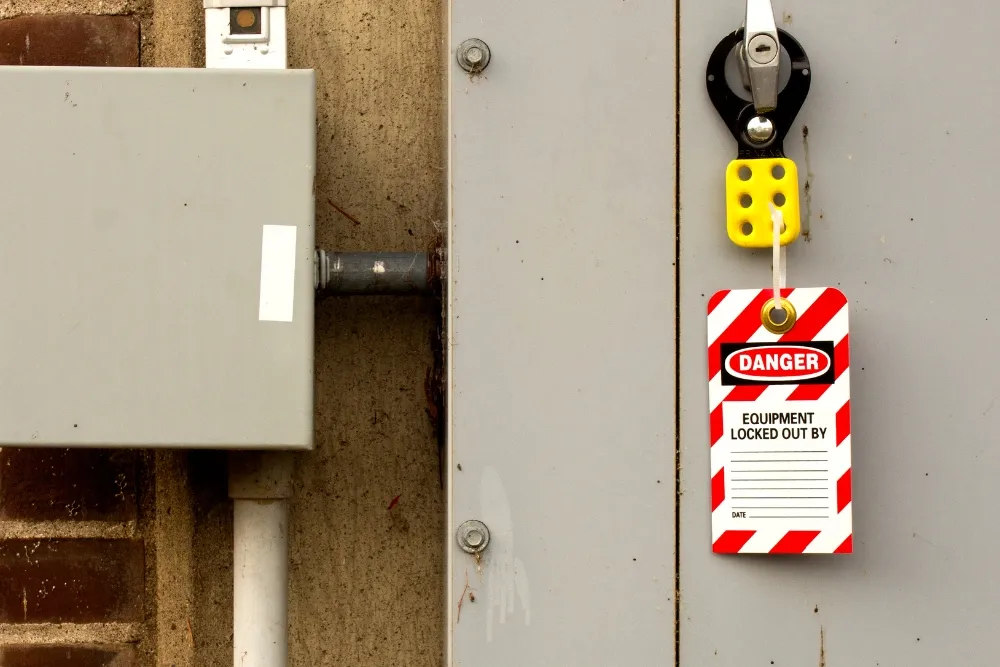
Cultural and Organisational Challenges
Resistance to change and adoption of new procedures can hinder the successful implementation of tag-out systems. Promoting a culture of safety is essential for overcoming these challenges. To learn more about practical solutions, continue reading our blog.
Resistance to change and adoption of new procedures
While resistance to change may be natural, it can hinder the successful implementation of new lockout/tagout procedures. We must address this challenge by actively involving all personnel in the development and adoption of new safety protocols.
Engaging employees in comprehensive training programs and communicating the benefits of updated procedures can help overcome this resistance. Emphasising the importance of workplace safety culture and empowering employees to take ownership of their roles in implementing new procedures is vital.
To ensure a smooth transition, it’s crucial to involve personnel at all levels in decision-making processes and provide them with opportunities for feedback and input. This will not only facilitate acceptance but also foster a shared commitment towards building a safer work environment.
Maintaining a safety culture
To maintain a safety culture, we must prioritise ongoing training and awareness programs to keep all employees updated on lockout/tagout procedures. It is essential to encourage open communication about potential hazards and best practices for maintaining equipment safely.
Regular safety meetings can help reinforce the importance of compliance with lockout/tagout protocols and foster a sense of responsibility among team members. Emphasising the value of workplace safety and involving employees in decision-making processes can contribute to creating a culture where safety is everyone’s priority.
Incorporating visual aids, such as posters or digital displays, can serve as constant reminders of the significance of adhering to lockout/tagout procedures, reinforcing our commitment to maintaining a safe working environment.
Ensuring consistent adherence to procedures
Maintaining a safety culture is essential, and ensuring consistent adherence to procedures is equally important for effective lockout tagout implementation. Regular reinforcement of training and awareness programs among employees can help ingrain the importance of following protocols.
Along with this, fostering an environment where team members feel empowered to voice concerns or suggest improvements can promote a more collaborative approach to compliance.
Implementing regular audits and checks on procedure adherence can also serve as a deterrent to non-compliance. By integrating accountability measures into everyday operations, such as spot-checks or peer-to-peer assessments, organisations can ensure that lockout tagout procedures are consistently observed across the board.
Practical Solutions to Overcome Lockout/Tagout Challenges
Implementing regular reviews and updates to lockout/tagout procedures ensures that they remain relevant and effective in addressing potential safety hazards.
Comprehensive employee training
Comprehensive employee training is essential to ensure that all personnel understand the importance of lockout tagout procedures and their role in maintaining a safe work environment. Training should cover the following key areas:
- Explanation of lockout tagout procedures, including identifying energy sources and equipment isolation techniques, to prevent accidents and injuries.
- Proper use of lockout tagout devices and equipment, emphasising the need for strict adherence to safety protocols.
- Recognition of potential hazards and understanding the consequences of failing to follow lockout tagout procedures.
- Ongoing education on regulatory compliance, including updates to standards and regulations relevant to lockout tagout implementation.
- Training sessions tailored to specific job roles, ensuring that employees are equipped with the knowledge and skills necessary for effective lockout tagout practices.
- Regular drills and hands-on exercises reinforce learning and ensure that employees can confidently implement lockout tagout procedures in real-life scenarios.
Regular review and update of procedures
We ensure our lockout tagout procedures are regularly reviewed and updated to maintain effectiveness and compliance with regulations. This involves:
- Scheduling regular reviews of lockout tagout procedures to identify any necessary updates or improvements.
- Ensuring that any changes in equipment, processes, or regulations are promptly reflected in the lockout tagout procedures.
- Communicating any updates to all relevant employees and providing comprehensive training on the revised procedures.
- Documenting all revisions made to the lockout tagout procedures for reference and audit purposes.
Utilising technology for efficient implementation
- Utilising technology for efficient implementation is crucial in modern lockout tagout procedures. By implementing automated or computerised systems, you can streamline the process and minimise human error.
- Integration with existing technology and equipment is essential for a smooth transition to new lockout tagout protocols. This ensures that all systems work seamlessly together, enhancing safety and efficiency.
- Implementation of new technologies, such as smart lockout tagout systems, can improve overall effectiveness and provide more comprehensive control over energy sources. This investment in advanced technology can lead to long-term benefits for workplace safety.
- Embracing technological advancements not only facilitates better compliance but also enhances employee engagement, making it easier for them to adhere to procedures. This ultimately contributes to a safer work environment while reducing potential hazards and risks.
Promoting a culture of safety
Utilising technology for efficient implementation has its benefits, but promoting a culture of safety is equally essential. Here are some practical ways to foster a safety-conscious environment in your home, industrial, or office setting:
- Encourage open communication: Promote an environment where employees feel comfortable reporting hazards and near misses, fostering a proactive approach to safety.
- Provide ongoing training: Regularly educate employees about the importance of lockout tagout procedures and reinforce safe work practices to instil a safety-first mindset.
- Lead by example: Demonstrate commitment to safety by adhering to procedures yourself, and influencing others to do the same.
- Recognise and reward safe behaviour: Acknowledge individuals who prioritise safety, reinforcing positive habits throughout the workplace.
- Implement safety committees: Engage employees in actively contributing to safety initiatives, inviting diverse perspectives to enhance overall effectiveness.
- Foster teamwork: Emphasise collective responsibility for safety, encouraging collaboration and accountability among all team members.
- Communicate the ‘why’: Ensure everyone understands why lockout tagout procedures are crucial, emphasising the potential consequences of non-compliance.
- Cultivate a learning culture: Encourage continuous improvement by regularly reviewing and updating procedures based on lessons learned from incidents and near misses.
- Empower employees: Provide avenues for workers to voice concerns and offer suggestions for improving safety practices, creating a sense of ownership in maintaining a safe work environment.
- Prioritise mental wellbeing: Recognise that an employee’s mental state can impact their capacity to adhere to safety measures; and support their overall wellness for better risk management.
Practical Solutions for You
In conclusion, overcoming common challenges in tag-out system implementation requires proactive measures and practical solutions. Comprehensive employee training ensures competence and understanding of lockout/tagout procedures.
Regular review and updates of procedures keep them relevant and effective. Utilising technology for efficient implementation enhances safety management and compliance. Promoting a culture of safety fosters consistent adherence to procedures, contributing to a safer work environment for all.