
Tag Out System · 4 November 2023
Navigating the Labyrinth of Tag Out System Standards
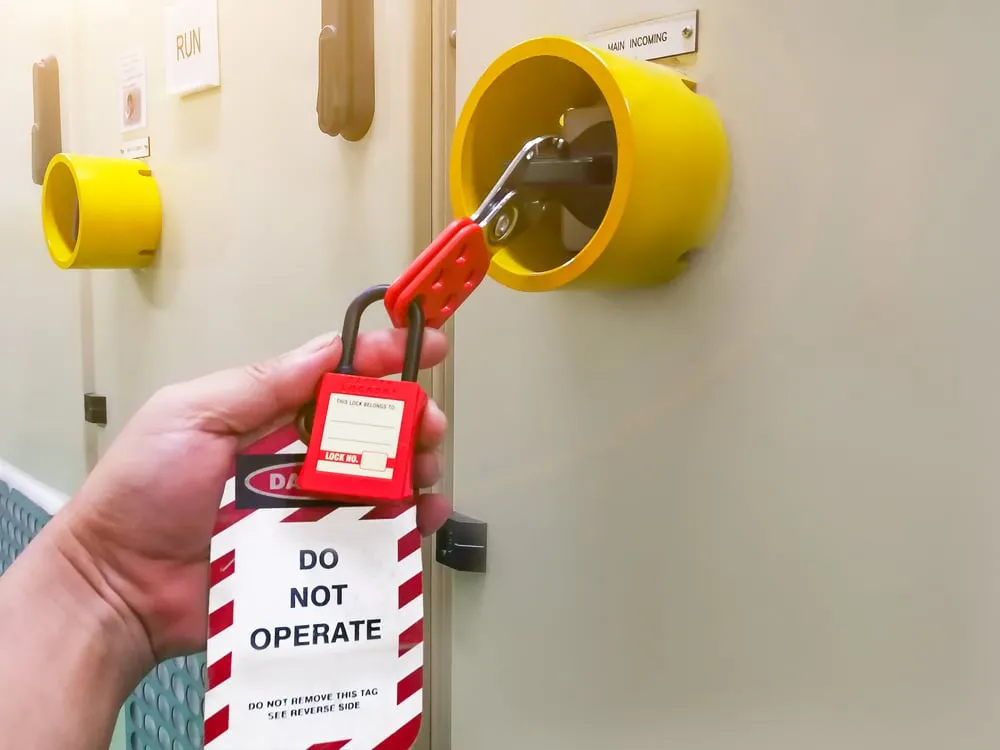
Keeping the workplace safe is paramount, particularly when you’re dealing with machines that can be a bit cheeky and downright hazardous if not handled properly. We’ve all heard the horror yarns or witnessed mishaps where equipment wasn’t switched off as it should have been.
That’s precisely where Lockout/Tagout, or LOTO for those in the know, comes into play. This lifesaver of a procedure ensures machinery stays put and powerless just when it matters most.
Our guide’s going to steer you through the thicket of regulations and pro tips, so you’ll be prepped to maintain safety for all mates on deck. Sorting out those LOTO steps isn’t exactly a walk in the park, but hey, we’re here to help make sense of it all! So, how about we get cracking?
Key Takeaways
- Navigating the labyrinth of Tag Out System standards involves understanding the importance of Lockout/Tagout (LOTO) in industrial operations to prevent workplace injuries related to hazardous energy release.
- Adhering to Australian Standards for LOTO is crucial for creating a secure work environment and ensuring strict compliance with lockout tagout procedures, ultimately leading to a safer workplace for employees.
- The key components of a comprehensive LOTO procedure include preparation, shutdown, isolation, lockout/tagout, stored energy check, and verification/re-energising – each step crucial in ensuring employee safety and preventing hazardous energy accidents.
- Training employees on LOTO procedures and establishing regular inspections and audits are vital steps towards achieving compliance with LOTO standards.
What is LOTO?
Lockout/Tagout (LOTO) is our go-to safety measure to ensure that dangerous machines are completely off and can’t accidentally be switched back on. It’s like a big red stop sign for hazardous energy, telling everyone “Hands Off! Danger ahead if you turn this machine on.” We use sturdy locks and warning tags as a team to secure equipment so that no one gets hurt.
These aren’t just any old locks and paper notes; they’re part of a critical system designed to protect us from electricity shocks, sudden machine start-ups, or releases of stored energy.
Picture each lock as a personal guardian keeping the beastly machines at bay while someone works on them. The tags we hang serve as loudspeakers broadcasting important safety messages to our mates in the area.
They don’t replace locks but work with them in harmony to keep us all out of harm’s way. Next up, let’s explore why LOTO should be non-negotiable in our industrial battlegrounds.
Importance of LOTO in industrial operations
Implementing LOTO in industrial operations ensures that equipment is safely shut off to prevent hazardous energy release. Compliance with LOTO procedures, including the use of physical locks and tags, is critical for workplace safety. Adhering to Australian standards for LOTO is a fundamental aspect of creating a secure work environment and preventing workplace injuries.
Understanding the importance of LOTO in industrial operations involves recognising that it safeguards employees from exposure to hazardous energy sources. Effective compliance with lockout tagout standards mitigates workplace risks while fostering a culture of safety within the organisation. Ensuring strict adherence to LOTO regulations not only prevents accidents but also promotes operational efficiency and productivity.
Navigating LOTO Standards
Understanding the specific standards and regulations for Lockout/Tagout (LOTO) in Australia and the LOTO Standard in the US is crucial for creating a comprehensive LOTO procedure.
Australian Standards for LOTO
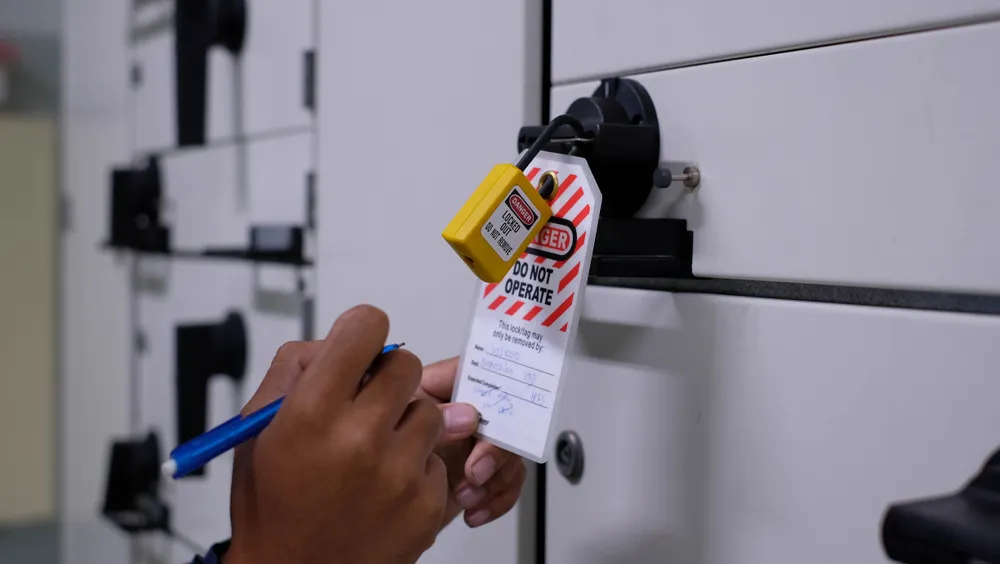
Australian standards for lockout tagout are crucial for ensuring workplace safety and compliance. These standards outline the specific requirements and procedures that must be followed to effectively control hazardous energy in industrial operations.
By adhering to these Australian standards, owners can create a safe work environment and prevent workplace injuries related to the release of hazardous energy.
Compliance with Australian lockout tagout standards is essential for all industrial, office, and home operations. Understanding and implementing these standards will help ensure the proper isolation of equipment and effective risk controls, ultimately leading to a safer work environment for employees.
LOTO Standard
Compliance with standards for lockout tagout is crucial for workplace safety. The Lockout/Tagout Fact Sheet outlines the practices and procedures necessary to disable machinery or equipment to prevent the release of hazardous energy, emphasising the importance of proper isolation procedures and risk controls.
Understanding and adhering to these standards are essential for controlling hazardous energy in the workplace, and ensuring a safe working environment for employees.
It’s important to comprehend OTO requirements as we delve into establishing a comprehensive lockout tagout program. Let’s now explore the key components of a comprehensive LOTO procedure.
Key Components of a Comprehensive LOTO Procedure
In a comprehensive LOTO procedure, key components include preparation, shutdown, isolation, lockout/tagout, stored energy check, and verification and re-energising. Each step is crucial in ensuring the safety of employees and preventing hazardous energy accidents.
Preparation
We prepare for a lockout/tagout (LOTO) procedure by identifying all energy sources and potential hazards. We also equip ourselves with the necessary locks, tags, and isolation devices to effectively secure the equipment.
This phase involves developing a comprehensive plan outlining the steps for LOTO procedures and ensuring that all team members are trained on these protocols to guarantee successful implementation.
Once we have completed our preparation phase, we move on to the shut-down process which entails stopping all machinery or equipment and isolating any energy sources.
Shut Down
To safely implement a lockout/tagout (LOTO) procedure, the first step is to shut down the equipment. This involves turning off all power sources and ensuring that any moving parts come to a complete stop.
It’s crucial to follow the specific shutdown procedures outlined for each piece of equipment to prevent any unexpected releases of hazardous energy. Additionally, before beginning the shutdown process, it’s essential to notify all affected employees about the impending LOTO procedure and provide them with ample time to clear the area.
Understanding how a proper shutdown can eliminate hazards is critical in workplace safety compliance. Effective communication during this step ensures that everyone involved is aware of potential risks and can take appropriate precautions as necessary.
Isolation
After ensuring a safe shutdown, the next crucial step in the lockout/tagout (LOTO) procedure is isolation. Isolation involves physically disconnecting equipment from its energy source and ensuring that no residual energy remains.
This can include shutting off valves, blocking circuits, or releasing stored pressure to create a zero-energy state within the equipment. Locks and tags are then applied to maintain this isolated state throughout maintenance or servicing activities.
By strictly adhering to isolation protocols, you prevent unexpected energisation of equipment and protect workers from potential hazards.
Lockout/Tagout
Lockout/Tagout (LOTO) plays a crucial role in ensuring workplace safety by preventing the inadvertent start-up of machinery and equipment. It involves physically locking and tagging out hazardous energy sources, thus safeguarding workers from potential harm.
Compliance with Australian standards for LOTO is paramount to mitigate workplace hazards and promote a safe working environment. Implementing LOTO procedures includes six vital steps: preparation, shut down, isolation, lockout/tagout, stored energy check, and verification/re-energising.
By following these steps diligently, businesses can effectively control hazardous energy in their operations and significantly reduce the risk of workplace accidents.
Understanding the significance of LOTO safety in industrial operations is essential for all business owners. The use of physical locks combined with tags ensures that dangerous equipment remains safely deactivated during maintenance or repair work.
Stored Energy Check
Before starting any maintenance work, it is crucial to perform a stored energy check. This step helps in ensuring that all forms of potentially hazardous energy have been effectively isolated and dissipated before any service or repair work begins.
Checking for stored energy ensures the safety of workers, preventing unexpected startup or release of energy during maintenance activities. Following this step diligently complies with lockout tagout standards and significantly reduces the risk of workplace accidents.
Conducting a stored energy check involves examining all possible sources of potentially hazardous energy, such as electrical, mechanical, hydraulic, pneumatic, chemical, thermal energies and more.
Verification and Re-energising
After completing the stored energy check, it is crucial to verify that all lockout/tagout devices have been properly installed and that no personnel remain in danger zones. Verification involves confirming that hazardous energy sources are isolated and releasing them safely before re-energising equipment.
This includes checking for proper placement of locks and tags, as well as inspecting all isolation points to ensure they are secure.
Before re-energising, it’s vital to conduct a final check to confirm that all tools have been removed from the area and that everyone is at a safe distance. Additionally, a system inspection should be performed to guarantee there are no defects or malfunctions with any machinery before initiating operations again.
Training and Compliance with LOTO Standards
Training employees on LOTO procedures is crucial for workplace safety. Establishing a LOTO program and conducting regular inspections and audits help ensure compliance with LOTO standards.
Training employees on LOTO procedures
To ensure workplace safety and compliance, we provide thorough training on Lockout/Tagout (LOTO) procedures. This training covers the following key areas:
- Equipment Familiarisation: Educate employees about the specific machinery and equipment that require LOTO procedures and ensure they understand the associated hazards.
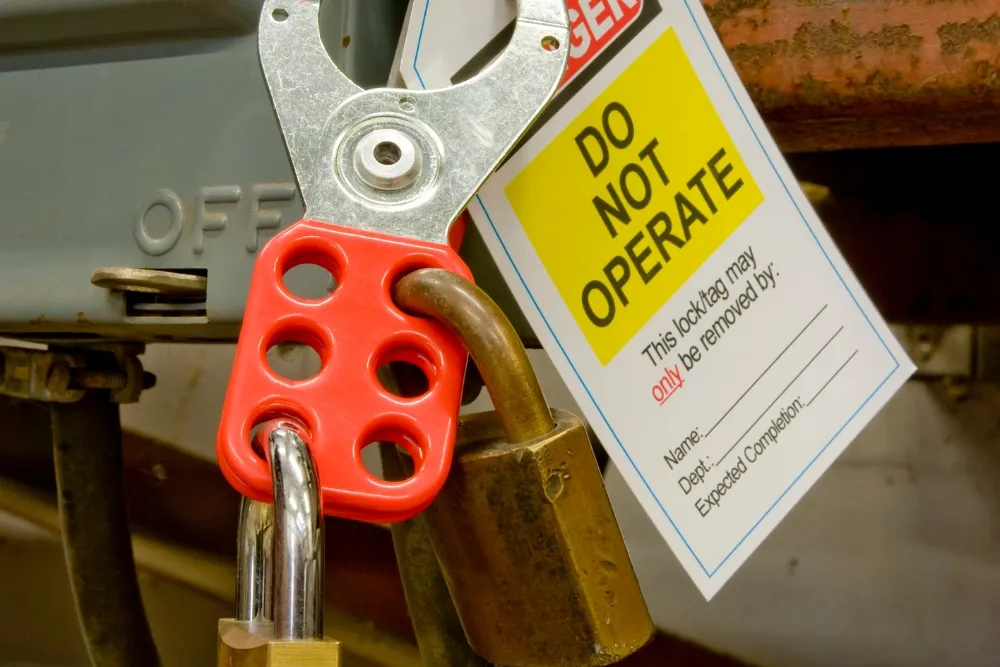
- Proper Lock and Tag Application: Demonstrating the correct way to apply physical locks and tags to isolate hazardous energy sources, emphasising the importance of using both lock and tag together for effective isolation.
- Recognising Energy Sources: Teaching employees how to identify different types of hazardous energy sources within their work environment, including electrical, mechanical, hydraulic, pneumatic, and thermal energy.
- Shutdown Procedures: Providing detailed guidance on proper shutdown sequences for different types of equipment to prevent unexpected re-energisation.
- Emergency Protocols: Instruct employees on emergency response procedures in case a LOTO-related issue arises, emphasising the importance of clear communication during such situations.
- Compliance with Standards: Emphasising the significance of adhering to relevant LOTO standards such as Australian safety standards to minimise risk and ensure regulatory compliance.
Establishing a LOTO program
To establish a Lockout/Tagout (LOTO) program, follow these steps:
- Identify and document all hazardous energy sources in your workplace, including electrical, mechanical, hydraulic, pneumatic, chemical, and thermal sources.
- Develop written LOTO procedures for each piece of equipment with hazardous energy sources. These procedures should include clear instructions for shutting down equipment, isolating energy sources using locks and tags, verifying the isolation, and re-energising when necessary.
- Train employees on the LOTO procedures, including proper use of locks and tags, potential hazards associated with hazardous energy sources, and steps to take in case of an emergency.
- Implement a system for periodic inspections and audits to ensure compliance with the LOTO program. This may include reviewing procedures, conducting spot checks on equipment to ensure proper lockout/tagout implementation, and addressing any non-compliance issues promptly.
- Keep detailed records of all LOTO procedures implemented in the workplace as part of the safety documentation. This includes records of training sessions attended by employees and documented inspections carried out on equipment.
- Regularly review and update the LOTO program as needed to reflect changes in equipment or processes within the workplace that could affect the management of hazardous energy sources.
Inspections and audits
We conduct regular inspections and audits to ensure compliance with lockout/tagout (LOTO) standards and procedures. These activities are crucial for workplace safety and involve the following key aspects:
- Verifying that all energy control procedures are being followed correctly.
- Checking the condition and functionality of lockout devices and tags, ensuring they are in good working order.
- Reviewing training records to confirm that employees have been adequately trained on LOTO procedures.
- Assessing the effectiveness of our LOTO program in preventing hazardous energy release.
- Identifying any potential gaps or deficiencies in our LOTO procedures through thorough examinations.
- Documenting all findings from inspections and audits to track compliance efforts and remedial actions taken.
- Conducting periodic spot-checks to ensure ongoing adherence to LOTO requirements.
The Latest Innovations in LOTO Technology
We will explore the latest advancements in LOTO technology, including software and templates, risk indicators, and integration with other safety protocols. Read more to stay updated on the newest tools for ensuring workplace safety.
LOTO software and templates
LOTO software and templates streamline the implementation of lockout tagout procedures, aiding in compliance with safety standards. These tools help create and manage LOTO procedures, checklists, and records efficiently within industries.
LOTO software provides a digital platform for creating, updating, and distributing lockout tagout instructions and ensures that only authorised personnel can access or alter these crucial documents.
It also aids in scheduling periodic maintenance tasks related to LOTO equipment.
Templates for lockout tagout procedures offer standardised formats for documenting the isolation steps necessary to prevent hazardous energy release during servicing and maintenance activities on machinery or equipment.
Use of risk indicators
When implementing LOTO software and templates, it is crucial to consider the use of risk indicators as part of your safety protocol. Risk indicators provide visual cues to identify potential hazards associated with energy isolation procedures.
These indicators serve as a proactive measure for employees to recognise and mitigate risks before performing lockout/tagout activities, enhancing workplace safety.
Incorporating risk indicators into your LOTO procedure checklist aligns with best practices outlined in hazardous energy regulations. By integrating risk indicators, home, industrial, and office owners can enhance their compliance with Australian standards for lockout tagout while minimising the risk of workplace injuries.
Integration with other safety protocols
The use of risk indicators and LOTO technology goes hand in hand with the integration of other safety protocols in the workplace. Coordinating lockout/tagout procedures with other safety measures such as confined space entry, hot work permits, and electrical safety programs can enhance overall workplace safety.
It is crucial to ensure that these procedures are complementary and do not conflict with each other, creating a streamlined approach to comprehensive hazard control. Integrating LOTO into an overarching safety program significantly reduces the risk of accidents due to unexpected equipment energisation or the release of hazardous energy. Workplace Injury Prevention, SafetyCulture LOTO, and Hazardous Energy Isolation are all keywords relevant to this topic.
Check Our Comprehensive Overview
In conclusion, understanding the significance of Lockout/Tagout (LOTO) safety is crucial for workplace safety. Compliance with Australian standards and LOTO standards is essential.
The latest innovations in LOTO technology offer improved safety measures. Training employees on LOTO procedures and establishing a comprehensive program are vital steps towards workplace injury prevention. Integrating these key components will help navigate the labyrinth of tag-out system standards comprehensively.