
LockOut Equipment · 20 October 2023
Maintenance and Inspection of LockOut Equipment
We get it. Keeping your home safe is a bit of an uphill battle, especially when you’re dealing with lockout equipment. We’ve wrestled with the same problem and through our deep dive into the matter, we discovered that not managing hazardous energy sources properly can lead to serious mishaps or worse.
But don’t stress – this blog post will sort you out with all the necessary info about lockout-tagout procedures, maintenance routines, inspection methods and more. Ready for a no-fuss safety tutorial? Stay tuned!
Key Takeaways
- Lockout/Tagout (LOTO) procedures are crucial for equipment maintenance and safety, as they isolate hazardous energy sources during servicing or repair work.
- Compliance with Australian and New Zealand standards for LOTO is necessary to protect workers and prevent accidents or injuries.
- The key components of a comprehensive LOTO procedure include preparation and shutdown procedures, equipment isolation and energy checks, training employees, and establishing responsible individuals.
- Regular maintenance and inspections of lockout equipment ensure proper functioning, prevent accidents and injuries, and comply with safety regulations.
Understanding Lockout Equipment
Lockout/Tagout (LOTO) procedures are a vital part of equipment maintenance and safety. They involve isolating hazardous energy sources to prevent accidental activation during servicing or repair work on machinery and equipment.
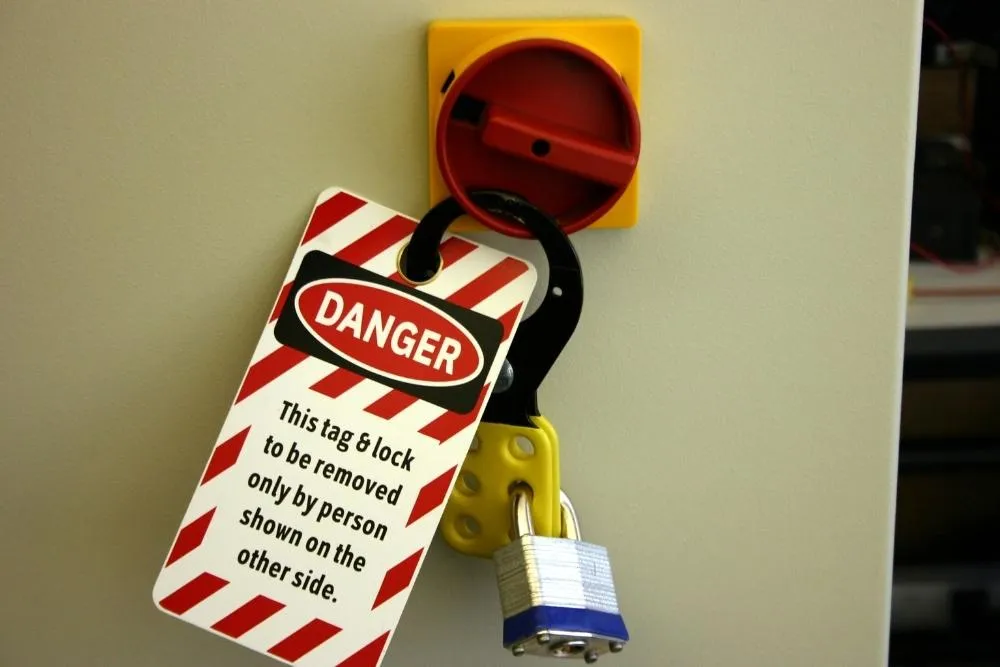
Compliance with Australian, and New Zealand standards for LOTO is necessary to ensure the protection of workers and prevent accidents or injuries.
What is a Lockout/Tagout (LOTO) Procedure?
A Lockout/Tagout (LOTO) procedure acts as a safety measure in various industries, particularly during maintenance and repair tasks. We employ LOTO procedures to control hazardous energy sources that could cause injuries – or worse, fatalities if not handled carefully.
The process involves six concrete steps beginning with preparation, where trained personnel gather all the information they need about the equipment that needs servicing. We then apply physical locks and warning tags to relevant machinery ensuring it is safely out of service for repairs or maintenance works, thus preventing accidental activation.
Through these methods, LOTO procedures aim at maintaining safety standards while dealing with potentially dangerous machinery or equipment on your property.
Benefits of Lockout/Tagout Procedures
Lockout/tagout procedures bring numerous benefits to homeowners when performing maintenance or repair work on equipment. By implementing these procedures, you can protect yourself and your family from potential accidents and injuries.
One of the key advantages is ensuring that equipment is safely isolated from energy sources, preventing accidental activation during servicing. This helps to eliminate the risk of electrocution or other hazards associated with machinery and electrical systems.
Additionally, lockout/tagout procedures promote compliance with safety regulations and standards, providing peace of mind knowing that you are taking all necessary precautions to maintain a safe environment in your home.
Requirements AUS/NZ Standards for LOTO
We need to make sure that our lockout/tagout (LOTO) procedures comply with the requirements set by AUS/NZ standards. These standards ensure that we are following the best practices when it comes to controlling hazardous energy sources during maintenance and repair work.
By adhering to these standards, we can be confident that our equipment is properly locked and tagged out, preventing accidental activation and protecting both workers and homeowners from potential accidents or injuries.
Regular inspections help us assess our LOTO program’s effectiveness, ensuring that our methods and employee training remain up to date.
Key Components of a Comprehensive LOTO Procedure
The key components of a comprehensive Lockout/Tagout (LOTO) procedure include preparation and shutdown procedures, equipment isolation and energy checks, training employees, and establishing responsible individuals.
Preparation and shutdown procedures
To ensure the safety of ourselves and our equipment, preparation is key. Before beginning any maintenance or service work, it’s important to gather all the necessary information and equipment.
This involves identifying the energy sources that need to be isolated, ensuring you have the correct lockout/tagout devices on hand, and understanding the specific steps required for shutting down the equipment properly.
By taking these steps before starting any maintenance tasks, we can prevent accidents and ensure a smooth process. Remember that proper preparation is crucial for a successful lockout/tagout procedure.
Equipment isolation and energy checks
To ensure safety during maintenance and repair work on equipment, it is crucial to properly isolate the equipment and perform energy checks. This involves physically disconnecting the power sources and identifying any hazardous energy that may still be present.
By isolating the equipment, you can prevent accidental activation or release of stored energy, which could lead to serious accidents or injuries. Regular energy checks are important to verify that all energy sources have been effectively isolated before starting any maintenance tasks.
Remember, failure to control hazardous energy sources can have severe consequences, so always prioritise proper equipment isolation and thorough energy checks.
Performing regular inspections not only ensures compliance with safety regulations but also helps identify any issues with your lockout-tagout program. During inspections, thoroughly assess each piece of equipment and machinery to ensure they are properly locked out and tagged out before initiating any maintenance activities.
Training employees and establishing responsible individuals
To ensure the safety of your home and prevent accidents, it is essential to train employees and establish responsible individuals when it comes to lockout/tagout procedures. By providing proper training, you can educate your employees about the importance of equipment isolation and energy checks, as well as how to use lockout/tagout devices effectively.
This will help them understand their role in preventing accidental activation of machinery and equipment during maintenance or repair tasks. Additionally, by designating responsible individuals who oversee lockout/tagout procedures, you can ensure that these protocols are followed correctly every time.
Regular training and accountability are key elements in maintaining a safe environment for both workers and homeowners alike.
Importance of Regular Maintenance and Inspections
Regular maintenance and inspections of lockout equipment are crucial for ensuring proper functioning, preventing accidents and injuries, and complying with safety regulations. Read more to understand the significance of these practices in maintaining a safe working environment.
Ensuring equipment is functioning properly
Regular maintenance and inspections are essential to ensure that your equipment is functioning properly. By conducting these checks, you can identify any issues or malfunctions before they lead to accidents or injuries.
This involves thoroughly assessing the equipment and machinery to make sure they are in good working order and compliant with safety regulations. It’s important to remember that failure to control hazardous energy sources during maintenance work can have severe consequences.
So, by implementing proper maintenance and inspection protocols, you can prevent accidental activation of machinery and ensure the safety of both yourself and others.
Preventing accidents and injuries
We must prioritise safety to prevent accidents and injuries while performing maintenance on lockout equipment. Failure to control hazardous energy sources during maintenance work can have severe consequences, including fatalities.
That’s why the use of lockout-tagout (LOTO) procedures is crucial. LOTO procedures physically prevent the operation of equipment and attach warning tags to indicate that it is out of service, ensuring that workers are protected from unexpected start-ups or releases of stored energy.
By following these best practices, such as proper preparation, equipment isolation, and employee training, we can significantly reduce the risk of accidents and injuries in our homes.
Taking these preventive measures will keep both ourselves and our loved ones safe during maintenance tasks.
Regular inspections are also essential for maintaining a safe working environment when using LOTO procedures. Periodic reviews allow us to evaluate the effectiveness of our LOTO program and ensure that methods and employee training remain up-to-date.
Compliance with safety regulations
Complying with safety regulations is crucial when it comes to the maintenance and inspection of lockout equipment. It ensures that you are taking the necessary steps to protect yourself and others from potential accidents or injuries.
By following these regulations, you are not only meeting legal requirements but also prioritising everyone’s well-being. Regular inspections and adherence to safety protocols help identify any issues or hazards in your lockout equipment, allowing for timely repairs or replacements.
This proactive approach prevents accidents and keeps your equipment functioning properly, reducing the risk of unexpected incidents. So, remember to always comply with safety regulations to maintain a safe working environment for everyone involved.
Best Practices for Performing LOTO Procedures
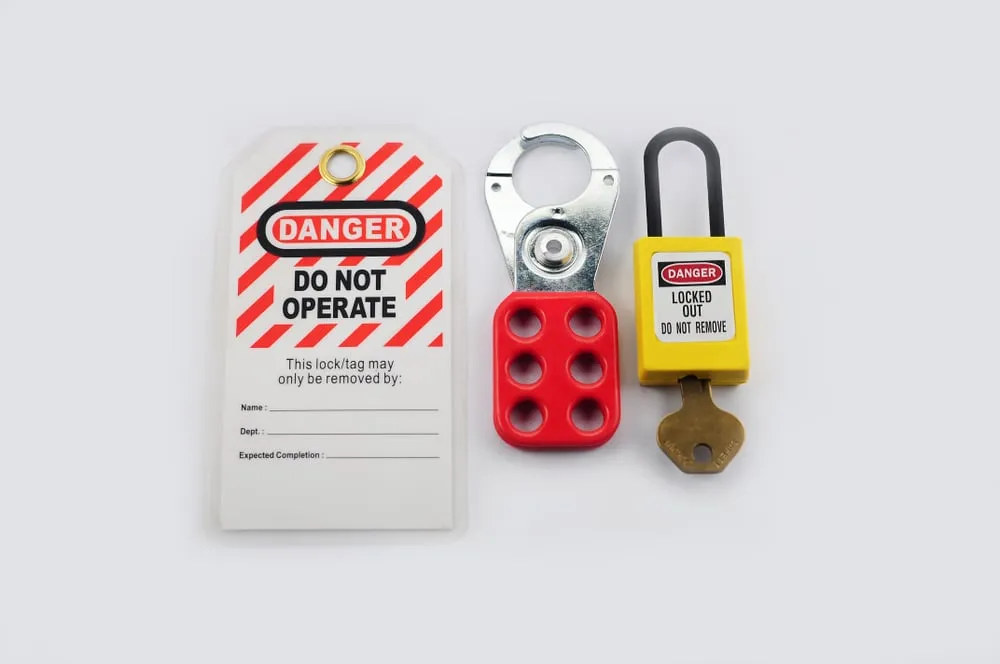
When performing Lockout/Tagout procedures, it is essential to follow best practices such as using lockout/tagout devices correctly, communicating effectively with all involved employees, and verifying isolation and re-energising procedures.
Proper use of lockout/tagout devices
Using lockout/tagout devices correctly is crucial for ensuring the safety of maintenance and service work on equipment. These devices, such as locks and tags, help prevent accidental activation of machinery during repairs or maintenance tasks.
By physically isolating hazardous energy sources and attaching warning tags to indicate that equipment is out of service, lockout/tagout devices play a vital role in protecting workers from potentially severe injuries or even fatalities.
It is essential for homeowners to understand the proper use of these devices and follow established procedures to maintain a safe working environment when performing maintenance tasks on their own equipment.
Communicating with all involved employees
We prioritise effective communication with all our employees when it comes to lockout-tagout procedures. This ensures everyone is on the same page and understands their roles and responsibilities during maintenance work.
We provide clear instructions and training, emphasising the importance of following proper lockout-tagout protocols to prevent accidents and injuries.
Regular communication helps us address any concerns or questions that employees may have about lockout-tagout procedures. By keeping an open line of communication, we can ensure that everyone involved in the process feels confident and informed about their tasks.
Our goal is to create a culture of safety where every employee understands the significance of lockout-tagout procedures in preventing accidental activation of equipment.
Verifying isolation and re-energising procedures
After locking and tagging out the equipment for maintenance, it is crucial to verify that the isolation procedures are effective before re-energising the machinery. This step ensures that no hazardous energy sources can accidentally activate during the repair or servicing process.
By thoroughly inspecting and testing each lockout/tagout device, you can confirm that all energy sources have been effectively isolated and de-energised. Only after verifying proper isolation should you proceed with re-energising the equipment, reducing the risk of accidents or injuries caused by unexpected energisation.
Remember, safety must always be our top priority when conducting maintenance work on any type of machinery or equipment.
Using SafetyCulture for LOTO Procedures
SafetyCulture is a user-friendly software that offers numerous benefits for creating and managing lockout/tagout procedures. It provides features such as customisable templates, checklists, and digital forms to streamline the process.
Integration with other safety programs allows for better coordination and enhanced efficiency in maintaining equipment safety.
Benefits of using the software
We found that using the SafetyCulture software for lockout/tagout procedures has a range of benefits. Firstly, it simplifies the process by providing step-by-step guidance on creating and managing LOTO procedures.
This means that even if you’re not experienced in safety protocols, you can easily create effective procedures to protect yourself and your equipment during maintenance tasks. Additionally, the software allows for integration with other safety programs, making it easier to keep track of all your safety protocols in one place.
Finally, SafetyCulture ensures compliance with lockout/tagout standards by providing tools for documenting and reviewing your procedures. With this software, maintaining a safe work environment becomes simpler and more efficient than ever before.
Features for creating and managing LOTO procedures
To ensure the safety of maintenance and service work on equipment, it is essential to have effective lockout/tagout (LOTO) procedures in place. There are several features that can help you create and manage these procedures efficiently:
1. Customisable templates: With LOTO software like SafetyCulture, you can access pre-built templates that can be customised to suit your specific needs. These templates provide a framework for creating step-by-step LOTO procedures, ensuring consistency in execution.
2. Checklist functionality: LOTO software allows you to create checklists for each step of the procedure. This ensures that all necessary actions are completed before equipment is locked out or tagged out, minimising the risk of accidents or injuries.
3. Digital documentation: By using digital tools, you can easily document every aspect of your LOTO procedures, including training records and equipment details. This helps with compliance requirements and provides a historical record for future reference.
4. Mobile accessibility: With mobile apps available for LOTO software, employees can access and complete their assigned tasks from anywhere using their smartphones or tablets. This streamlines communication between team members and enhances overall efficiency.
Integrating LOTO with other safety programs
Integrating Lockout/Tagout (LOTO) procedures with other safety programs is essential for creating a comprehensive and effective safety strategy. By integrating LOTO with programs such as hazard communication, emergency response, and personal protective equipment (PPE), you can ensure that all aspects of worker safety are covered.
This integration helps to reinforce the importance of proper lockout/tagout practices and ensures that employees understand how LOTO fits into the bigger picture of workplace safety.
It also allows for a coordinated approach to employee training, inspections, and maintenance protocols, minimising any potential gaps in safety procedures. By integrating LOTO with other safety programs, you can create a safer work environment where employees are well-informed and protected from accidents caused by hazardous energy sources during maintenance or servicing tasks.
Have Your Lockout Equipment Inspected
In conclusion, regular maintenance and inspection of lockout equipment is crucial for ensuring the safety of workers during maintenance and service work. By properly maintaining and inspecting lockout equipment, we can prevent accidents, comply with safety regulations, and ensure that equipment is functioning properly.
So remember to prioritise maintenance and inspection to keep your workers safe.