
LockOut Equipment · 20 September 2023
Lockout/Tagout in Industrial Settings

Taking on the complex world of industrial safety can feel like you’re lost in a maze, especially when you’ve got to figure out critical procedures like Lockout/Tagout. Trust us, we get it – with nearly half of the workplace accidents on Aussie soil traced back to improper lockout/tagout practices, it’s definitely not something you want to skimp on.
This article is all about breaking down these vital safety measures into easy-to-follow steps for effective implementation. So let’s roll up our sleeves and dig into the nitty-gritty of making sure your industrial workspace is as safe as houses!
Key Takeaways
- Lockout/Tagout is a safety procedure used in industrial settings to protect employees from hazardous energy sources during equipment maintenance and service.
- The implementation of lockout/tagout procedures helps prevent workplace accidents and injuries by ensuring equipment is securely shut down, isolated from its energy source and made inoperable before any work can be done.
- OSHA regulations require employers to follow six essential steps for lockout/tagout procedures: preparation, shutdown, isolation, lockout/tagout, energy control verification, and equipment restoration.
- There are exceptions to the lockout/tagout requirements that apply when implementing these procedures would pose more danger or alternative measures provide equivalent protection. It’s important to understand these exceptions for effective employee safety.
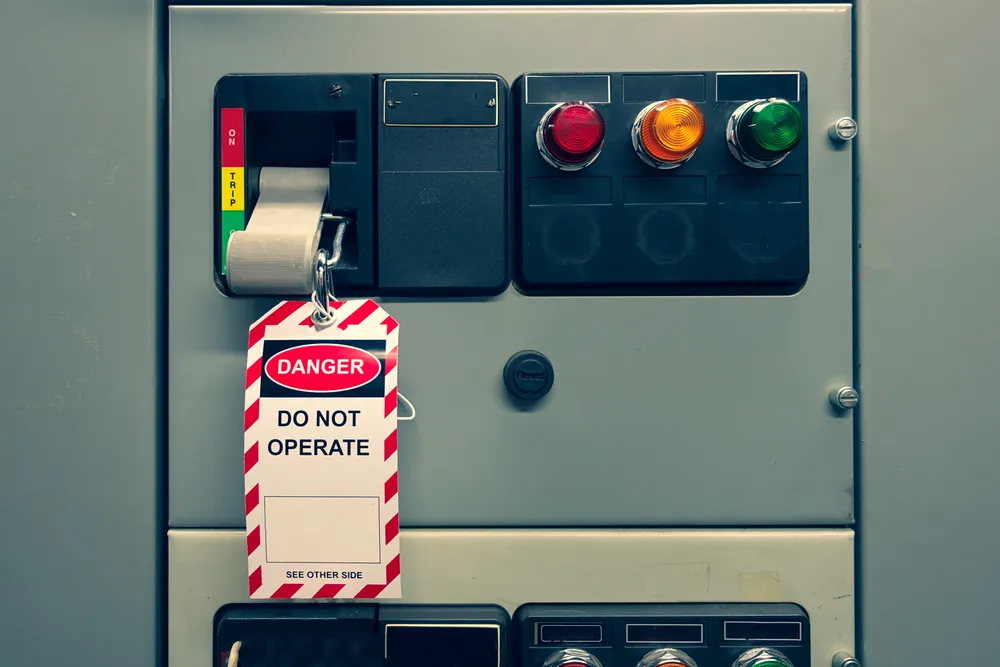
What is Lockout/Tagout and Its Importance in Industrial Settings
Lockout/Tagout is a crucial safety procedure used in industrial settings to protect employees from hazardous energy sources during equipment maintenance and service.
Definition of Lockout/Tagout
Lockout/Tagout refers to a safety system that prevents accidental exposure to hazardous energy during machine and equipment maintenance. This procedure employs specific devices known as lockouts, which keep machinery inoperative while service is taking place.
The term ‘tagout’ denotes the use of labels or tags attached to this machinery, providing crucial information about what work is being done and emphasising its non-functionality for the time being.
By ensuring all equipment systems are securely shut down and made unportable before any maintenance or servicing starts, Lockout/Tagout safeguards workers and helps prevent workplace accidents in industrial settings.
Importance of Lockout/Tagout in ensuring employee safety
Lockout/Tagout is of utmost importance in ensuring the safety of employees in industrial settings. By implementing lockout/tagout procedures, employers can effectively protect their workers from hazardous energy and prevent workplace accidents and injuries.
These procedures involve shutting down equipment, isolating it from its energy source, applying lockout or tagout devices to ensure that it remains inoperable, and verifying that the equipment is safe before any work can be done.
Lockout/Tagout plays a crucial role in safeguarding employees when working on electrical circuits and equipment. It prevents accidental activation of machinery during service or maintenance, reducing the risk of electrocution or other serious injuries.
The Difference Between Lockout and Tagout
Lockout involves physically isolating energy sources with locks, while tagout uses tags to warn others not to operate equipment.
Explanation of lockout and tagout procedures
Lockout and tagout procedures are essential for ensuring the safety of workers in industrial settings. These procedures involve six important steps that must be followed to prevent accidents and injuries.
Firstly, preparation is done by identifying the energy sources and gathering the necessary equipment. Secondly, shutdown involves turning off the machinery or equipment. Thirdly, isolation is crucial as it ensures that all forms of energy have been effectively blocked.
Then comes lockout/tagout where devices are used to physically isolate the equipment and prevent its activation. After that, energy control verification confirms that no residual hazardous energy remains before any work can begin.
OSHA Lockout/Tagout Standard and Exceptions
Learn about the OSHA regulations for lockout/tagout in industrial settings and discover the exceptions that apply. Stay informed to ensure employee safety.
Overview of OSHA regulations for lockout/tagout
OSHA, or the Occupational Safety and Health Administration, has established regulations to ensure worker safety when it comes to lockout/tagout procedures. These regulations are designed to protect employees from hazardous energy sources during equipment service or maintenance.

Lockout/Tagout is actually one of the most cited regulations in the manufacturing industry, showing just how important it is for workplace safety.
Under OSHA’s guidelines, lockout/tagout procedures involve six essential steps: preparation, shutdown, isolation, lockout/tagout, energy control verification, and equipment restoration.
The aim is to securely shut down all machinery and systems before any work can be done. This helps prevent accidental exposure to hazardous energy sources and ensures that employees are protected while performing their duties.
By following OSHA’s regulations for lockout/tagout procedures, employers can significantly reduce the risk of workplace accidents and injuries caused by unexpected equipment activation or release of stored energy.
It’s crucial for both employers and employees to understand these regulations thoroughly and comply with them diligently in order to maintain a safe working environment.
Exceptions to the lockout/tagout requirements
There are a few exceptions to the lockout/tagout requirements that you should be aware of. These exceptions include situations where implementing lockout/tagout procedures would pose more danger or where alternative measures provide equivalent protection.
For example, if the machinery is designed in such a way that it cannot be shut down fully for maintenance, then alternative measures must be in place to ensure employee safety. Additionally, some minor servicing activities that are routine and repetitive may not require full lockout/tagout procedures but can still involve other safety protocols.
It’s important to understand these exceptions so that you can effectively protect yourself and others when working with equipment and machinery in your home or workplace.
Lockout/Tagout Devices and Procedures
In this section, we will explore the different types of lockout and tagout devices used in industrial settings and provide a step-by-step guide to implementing lockout/tagout procedures.
Discover how these devices can help ensure workplace safety and protect employees from hazardous energy. Read on to find out more!
Types of lockout and tagout devices
Lockout/Tagout devices play a crucial role in ensuring the safety of workers and preventing accidents in industrial settings. There are several types of lockout and tagout devices that are commonly used.
These include lockout hasps, padlocks, circuit breaker locks, valve locks, electrical plug locks, and tagout warning devices. Lockout hasps allow multiple workers to attach their own padlocks to ensure that the equipment or machinery cannot be operated until all the locks are removed.
Padlocks provide a physical barrier by locking out the power source or control mechanism. Circuit breaker locks prevent accidental activation of electrical circuits by securely fastening them onto circuit breakers.
Step-by-step guide to implementing lockout/tagout procedures
Implementing lockout/tagout procedures is crucial for ensuring the safety of workers and preventing accidents in industrial settings. By following a step-by-step guide, you can effectively perform lockout/tagout procedures to eliminate hazardous energy and protect both yourself and others.
The first step is preparation, where you identify all the machinery and equipment that need lockout/tagout. Next, you must shut down the equipment completely before proceeding to isolate it from any power source or energy supply.
This ensures that there are no unexpected starts or releases during the process.
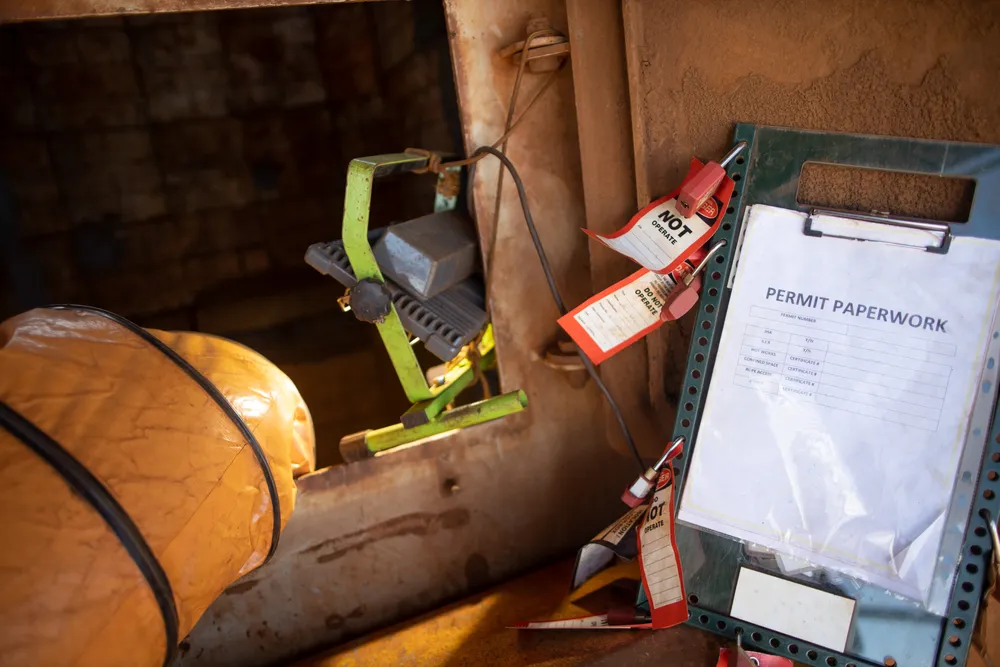
Once isolated, you should apply lockout devices directly onto each energy-isolating device to secure them in an “off” position. Additionally, targets should be affixed to provide additional warning and information about the ongoing work.
Training and Auditing for Lockout/Tagout Compliance
Employee training in lockout/tagout procedures is crucial for ensuring workplace safety. Regular audits help ensure compliance with regulations. Discover the importance of these practices and how they can prevent workplace accidents.
Importance of employee training in lockout/tagout procedures
Employee training is of utmost importance when it comes to lockout/tagout procedures. By providing proper training, employers ensure that all employees are equipped with the knowledge and skills needed to safely perform their jobs.
This training helps employees understand the risks associated with hazardous energy and how to effectively control it. With adequate training, employees can confidently implement lockout/tagout procedures, reducing the risk of workplace accidents and injuries.
It also ensures compliance with safety regulations and promotes a culture of safety awareness among all staff members. Proper employee training in lockout/tagout procedures is crucial for maintaining a safe working environment in industrial settings.
Regular audits to ensure compliance with lockout/tagout regulations
We conduct regular audits to make sure that we are following lockout/tagout regulations and keeping our employees safe. These audits help ensure that all equipment and machinery are properly shut down, isolated, and rendered inoperable before any work can be done.
By conducting these audits on a consistent basis, we can identify any areas where compliance may be lacking and take immediate action to address them. Our goal is to prevent workplace accidents and injuries by strictly adhering to lockout/tagout procedures.
Ensuring compliance through regular audits is an important part of our commitment to the safety of our employees and the smooth operation of our industrial setting.
Lockout/Tagout: Protecting Workers & Equipment
Lockout/Tagout is a crucial safety measure that should be implemented in industrial settings to protect both workers and equipment. This protection system is designed to prevent accidental exposure to hazardous energy from machinery during service or maintenance.
By using lockout devices, such as restraint devices and warning devices, workers can ensure that machinery remains inoperable while they perform their tasks. Tagout procedures involve affixing labels or tags on equipment to communicate important information about the work being done.
Lockout/Tagout procedures require all equipment or systems to be securely shut down and rendered inoperable before any work can be done, ensuring the safety of everyone involved. It’s essential for employers and employees alike to understand the importance of implementing and complying with Lockout/Tagout regulations to prevent workplace accidents and injuries.
Enhancing Efficiency in Your Space with Tag Out System!
Lockout/Tagout is a critical safety procedure in industrial settings that helps protect workers from hazardous energy sources. By implementing lockout/tagout protocols and providing proper training, employers can ensure the well-being of their employees while minimising workplace accidents.
It is essential for all individuals involved to understand the importance of lockout/tagout procedures and actively comply with safety regulations to create a safe working environment in industrial settings.
Transform safety in your industrial setting with Tag Out System’s Lockout/Tagout solutions. Your workplace’s well-being depends on it, and we’re here to help you achieve it. Take action now to ensure the utmost protection for your employees and equipment. Contact us today to explore our comprehensive range of Lockout/Tagout products and services tailored to industrial settings. From custom procedures to reliable lockout devices, we’ve got you covered. Don’t wait for accidents to occur – trust Tag Out System for safety excellence. Act now for a secure and compliant industrial environment. Reach out today and experience the peace of mind that comes with top-notch Lockout/Tagout practices!