LockOut Equipment · 13 September 2023
Lockout Tag Out in Confined Spaces
Ever found yourself feeling a bit squirmy when confronted with cramped spaces at home or on the job? Fair dinkum, you’re not alone. In fact, did you know that accidents associated with close quarters are one of the top OSHA violations? This article is set to give you a fair shake of the sauce bottle on how Lockout Tag Out (LOTO) can considerably trim down these risks and ensure safety for all.
Key Takeaways
- Lockout Tag Out (LOTO) procedures are essential for ensuring safety in confined spaces.
- Confined spaces can pose significant risks due to the potential presence of hazardous materials or conditions.
- Differentiating between permit-required and non-permit-required confined spaces is crucial in determining necessary safety measures.
- Hazards associated with confined spaces include hazardous gases, lack of oxygen, and physical obstructions.
- LOTO plays a crucial role in preventing accidents and fatalities by shutting off and locking out equipment before maintenance or repairs.
- Implementing a LOTO program involves following a six-step process for organising an Energy Control program.
- Minimising contact with air is important to reduce exposure to harmful substances in confined spaces.
- Confined space tags and signage provide important information about hazards and procedures before entry.
- Compliance with lockout/tagout standards, such as OSHA regulations, is vital for ensuring workplace safety in confined spaces.
Understanding Confined Spaces
Confined spaces are defined as areas that have limited access and egress, making it difficult for workers to enter and exit. These spaces can pose significant risks due to the potential presence of hazardous materials or conditions such as low oxygen levels or toxic gases.
Differentiating between permit-required confined spaces and non-permit-required confined spaces is crucial in determining the necessary safety measures for entry.
Definition of confined spaces
Confined spaces are areas not necessarily designed for continuous occupancy, but large enough for a worker to enter and perform certain tasks. They typically have limited means of entry or exit and can prove challenging if a quick evacuation becomes necessary.
Examples include silos, tunnels, pipelines, manholes, and storage tanks. It’s important to note that confined spaces aren’t always small – they might be quite roomy but still considered “confined” due to their restricted access points.
These areas often carry greater risks which demand specific safety precautions like Lockout Tagout procedures under the Occupational Health and Safety regulations.
Differentiating permit-required confined spaces
In order to ensure the safety of workers, it is important to understand the difference between a permit-required confined space and a non-permit-required confined space. Permit-required confined spaces are areas that contain potential hazards such as hazardous atmospheres or materials.
These spaces require special permits and specific safety measures before anyone can enter them.
On the other hand, non-permit-required confined spaces do not typically have these same hazards present. While precautions should still be taken when entering any confined space, they may not require the same level of monitoring and documentation as permit-required spaces.
Hazards associated with confined spaces
Confined spaces present significant hazards that must be understood and addressed to ensure the safety of workers. These spaces can contain a variety of dangers, including hazardous gases, lack of oxygen, and physical obstructions.
The risk of injury or even death is high if proper precautions are not taken. That’s why it is crucial to implement lockout/tagout procedures in confined spaces to prevent accidents caused by the release of hazardous energy.
By following these procedures, we can protect ourselves and others from harm while working in these challenging environments.
Importance of Lockout/Tagout (LOTO) in Confined Spaces
Lockout/tagout (LOTO) plays a crucial role in ensuring safety within confined spaces and preventing accidents and fatalities.
Preventing accidents and fatalities
Lockout Tagout procedures in confined spaces are crucial for preventing accidents and fatalities. By properly shutting off and locking out equipment before maintenance or repairs, the release of hazardous energy is prevented, reducing the risk of injuries.
Implementing lockout tagout procedures ensures that workers entering confined spaces are safe from dangerous machinery and potential hazards. Following these procedures not only complies with safety regulations but also protects everyone in the facility, saving lives.
It’s an essential safety measure that homeowners should prioritise to ensure workplace safety and prevent any unfortunate incidents.
The role of LOTO in confined space safety
Lockout/Tagout (LOTO) plays a crucial role in ensuring safety in confined spaces. By implementing LOTO procedures, we can prevent accidents and injuries that may occur due to the release of hazardous energy.
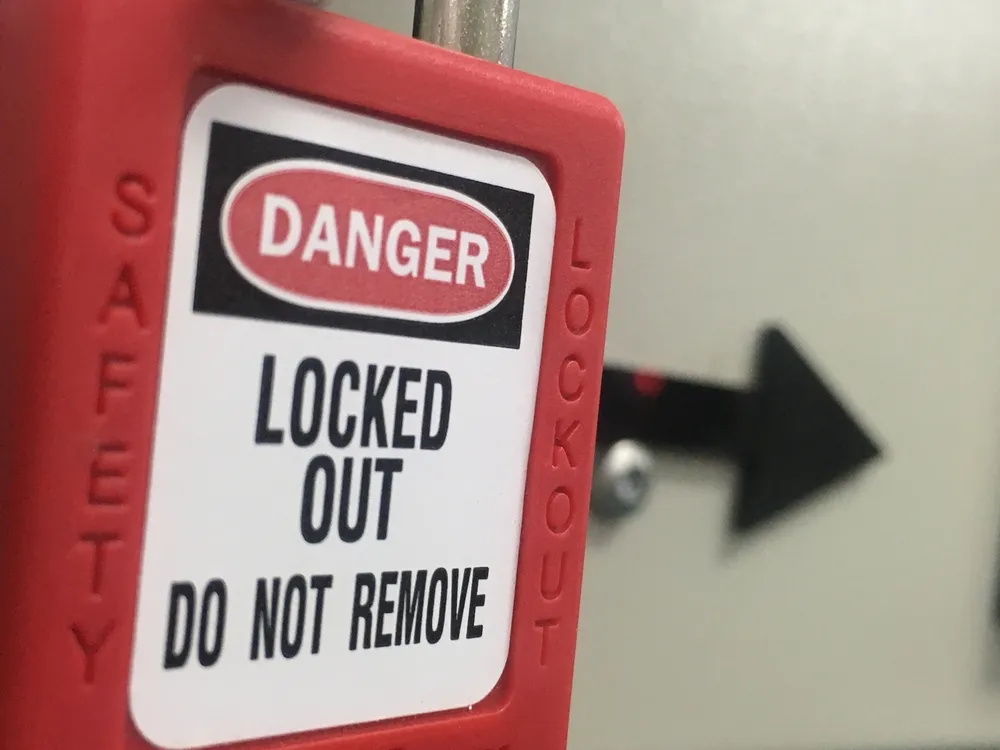
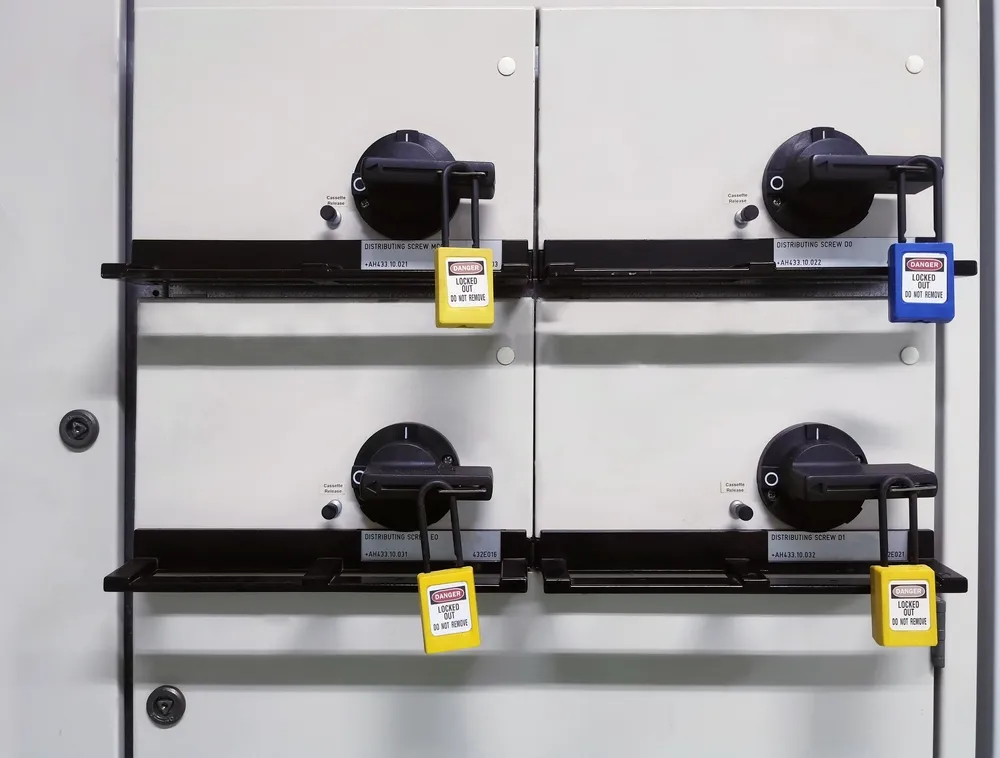
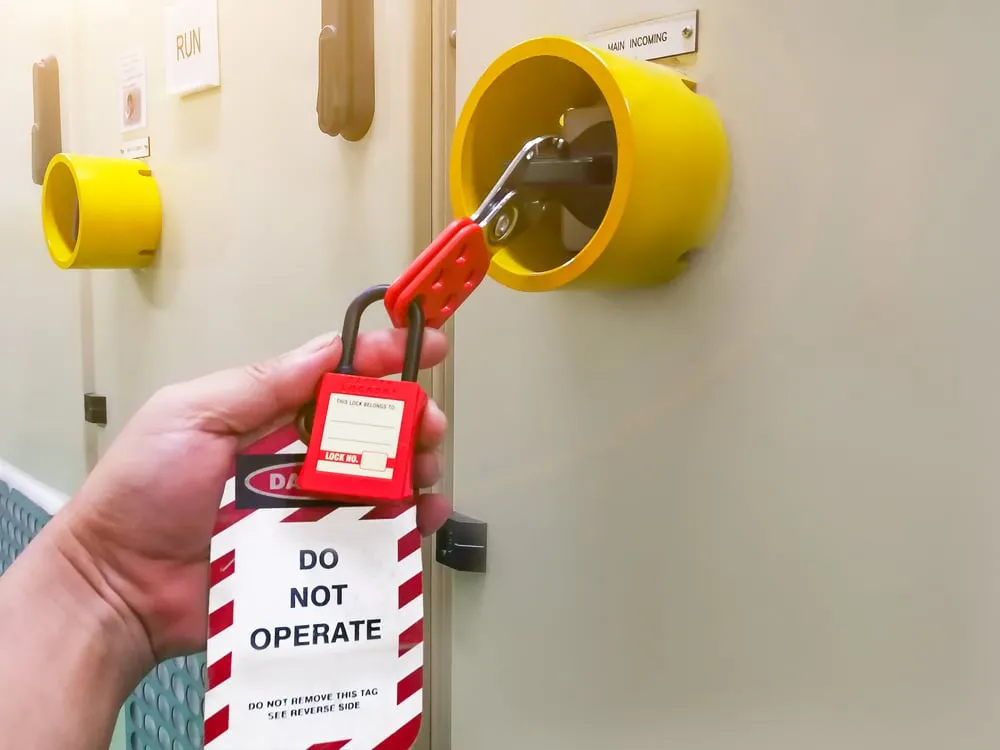
LOTO involves shutting down and securing equipment or machinery so that it cannot be started up again during maintenance or repairs. This procedure requires tags that provide important information about the lockout process and why it is necessary.
Compliance with LOTO standards is vital in protecting workers and employees from potential harm while working in confined spaces.
Implementing a LOTO Program in Confined Spaces
To implement a LOTO program in confined spaces, follow the six-step process for organising and implementing an Energy Control program. Minimise contact with air to ensure safety.
The six-step process for organising and implementing an Energy Control Program
To ensure the safety of workers and prevent accidents in confined spaces, it is crucial to follow a six-step process for organising and implementing an Energy Control program. This program involves identifying all energy sources, determining the appropriate methods of control, notifying affected employees, training staff on proper procedures, conducting periodic inspections, and keeping records of maintenance activities.
By following these steps diligently, you can effectively minimise risks associated with hazardous energy and maintain a safe work environment. Remember that lockout tagout procedures are essential for protecting everyone involved and complying with safety regulations.
Minimising contact with air
To ensure safety in confined spaces, it is crucial to minimise contact with air. This is because certain confined spaces may contain hazardous atmospheres that can pose serious risks to workers.
By minimising contact with air, we can effectively reduce the chances of exposure to harmful gases, vapours, or chemicals that might be present in these spaces. This preventive measure plays a key role in preventing accidents, injuries, and even fatalities that could result from inhaling or coming into contact with these dangerous substances.
So remember, when entering a confined space, always take steps to minimise contact with air and prioritise your safety.
Confined Space Tags and Signage
Confined space tags are used to communicate the status of a confined space and its associated hazards, while signage provides important information before entry.
Types of confined space tags and their purposes
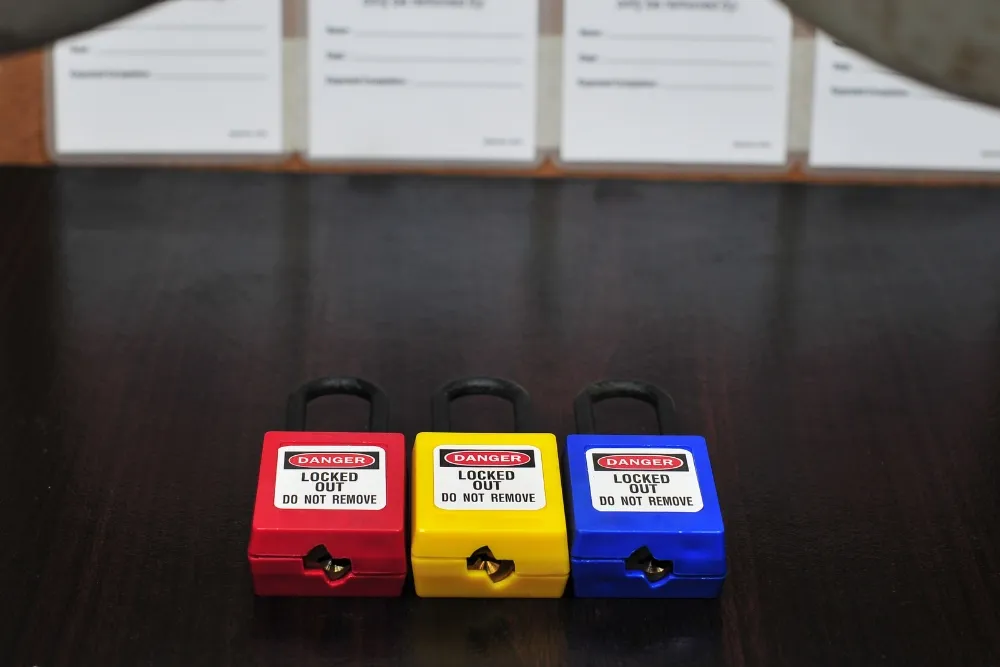
Confined space tags play a crucial role in ensuring safety within these spaces. There are different types of tags that serve specific purposes. A danger tag, for example, alerts workers to potential hazards and indicates that the confined space is not safe for entry.
A personal danger tag is used to identify equipment or machinery that requires individual lockout measures. Moreover, a lockout procedure tag provides step-by-step instructions for proper shutdown and isolation procedures.
These tags are essential in preventing accidents and injuries by clearly communicating important information about the status of the confined space and its associated risks. Overall, using the right type of confined space tag helps maintain a safe working environment.
Importance of proper signage before entry
Proper signage before entry into confined spaces is of utmost importance for the safety and well-being of workers. Clear and visible signage helps to communicate important information about potential hazards, lockout procedures, and the need for proper authorisation before entering these spaces.
By adhering to the signs displayed, workers can avoid accidents, injuries, or even fatalities that may occur due to hazardous conditions within confined spaces. It is crucial for homeowners to understand and respect the significance of these signs in order to ensure a safe working environment for everyone involved.
Compliance with Lockout/Tagout Standards
Complying with Lockout/Tagout (LOTO) standards is crucial for ensuring confined space safety.
OSHA regulations and standards
OSHA regulations and standards play a crucial role in ensuring workplace safety, especially in confined spaces. These regulations are designed to protect workers from the hazards associated with confined spaces and require the implementation of lockout/tagout procedures.
By following OSHA guidelines, homeowners can ensure that proper safety measures are in place when it comes to working on equipment or machinery in confined spaces. Compliance with OSHA standards not only helps prevent accidents and injuries but also ensures that everyone involved understands the importance of lockout/tagout procedures to safeguard against hazardous energy releases.
Australian standards and legislation
In Australia, there are specific standards and legislation in place to ensure the safety of workers in confined spaces. These regulations require companies to implement lockout/tagout procedures to protect employees from hazardous energy releases.
By following these guidelines, employers can prevent accidents and injuries that may occur during maintenance or repair work. It is important for homeowners who have confined spaces on their property to be aware of these Australian standards and legislation so they can take the necessary safety precautions when working in or around these areas.
By adhering to these guidelines, we can create a safer environment for everyone involved.
Ensuring adherence to LOTO procedures
We must always prioritise safety when it comes to working in confined spaces. Adhering to Lockout/Tagout (LOTO) procedures is crucial in order to prevent accidents and injuries. By following these procedures, we ensure that dangerous equipment is properly shut off and cannot be started up again until maintenance or repairs are completed.
LOTO requires the use of tags that provide important information about the lockout process and why it is necessary. It’s important for homeowners to understand and follow LOTO procedures in order to protect themselves and anyone else who may be working with or around machinery in confined spaces.
Tag Out System Tailored for Your Security
In conclusion, implementing lockout/tagout procedures in confined spaces is crucial for protecting workers and preventing accidents. By following proper safety protocols and utilising tags and labels, the risk of injuries and fatalities can be significantly reduced.
Remember, compliance with lockout/tagout standards is not just a legal requirement but also vital for ensuring workplace safety.
Protect lives and prevent accidents in confined spaces with Tag Out System’s Lockout Tag Out solutions. Safety in confined spaces is paramount, and it’s time to take action. Contact us today to explore how our systems can ensure the utmost safety for your team in these challenging environments. Prioritise the well-being of your workers and compliance with safety regulations with Tag Out System. Don’t wait for a potential disaster – secure your confined spaces now for a safer and more productive work environment!