
LockOut Equipment · 11 September 2023
Lockout Tag Out for Machinery Maintenance
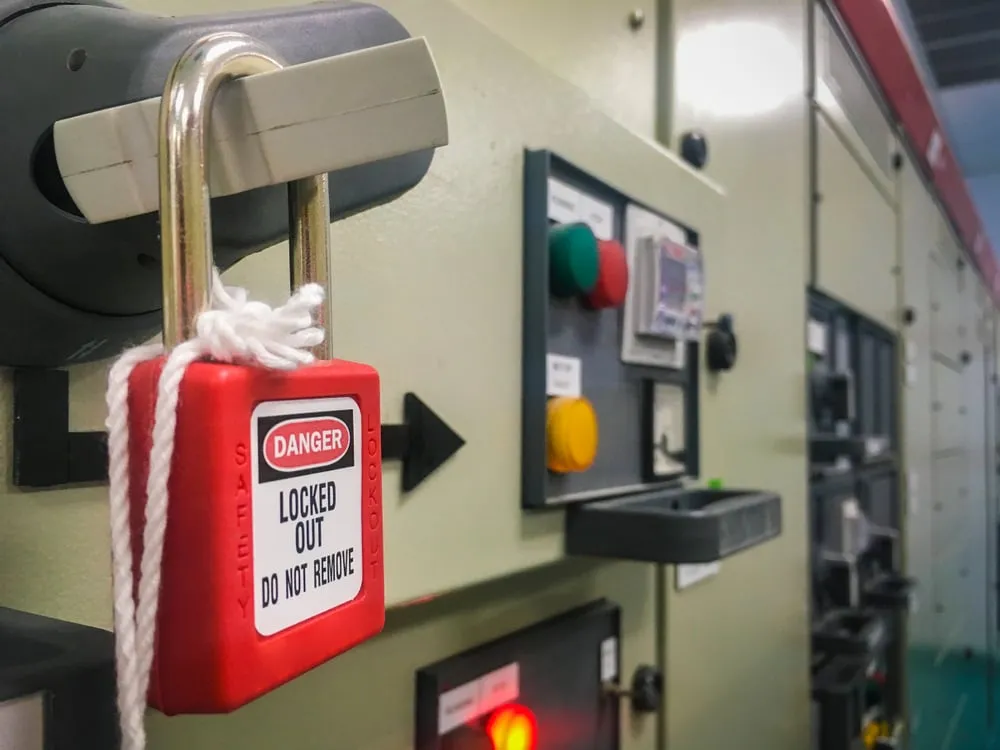
Caught off guard by a pesky machine malfunction during your routine check-up, mate? We all know how much of a hassle (and downright risky) this can be, especially when you’re dealing with little nasties like hazardous energy sources.
Don’t fret! We’ve worn those boots and done the hard yards to find safety measures that genuinely do their job – like ‘LockOut Tag Out’ (LOTO). This blog will show you the ropes of implementing LOTO for machinery maintenance, making sure both efficiency and safety are taken care of at all times.
Key Takeaways
- Lockout Tag Out (LOTO) procedures are essential for preventing accidents during machinery maintenance, service, and repair work.
- LOTO involves shutting down equipment, isolating hazardous energy sources, and using locks and tags to indicate that maintenance is in progress.
- Compliance with Australian Standards for LOTO and providing proper training to employees are important for ensuring workplace safety.
- Upgrading LOTO systems can enhance worker protection by implementing advanced procedures and equipment.
Importance of Lock Out Tag Out (LOTO)
Preventing accidents during maintenance, service, and repair work is crucial, which is why Lockout Tag Out (LOTO) procedures are essential.

Preventing accidents during maintenance, service, and repair work
We prioritise safety during maintenance, service, and repair work to prevent accidents. One effective method we use is Lockout Tagout (LOTO). This procedure safeguards workers by ensuring that machines are completely shut off before any work begins.
It involves locking and tagging equipment to signal it’s not operational until maintenance is finished. LOTO drastically reduces the risk of machinery unexpectedly starting up or releasing hazardous energy while being serviced.
A serious injury or fatality can occur if a worker wrongly assumes a machine or its power source has been turned off. Therefore, adhering strictly to LOTO procedures ensures a safer workspace for everyone involved.
Controlling hazardous energy sources
Controlling hazardous energy sources is a crucial aspect of lockout/tagout procedures. It involves identifying and isolating all potential energy sources within machinery or equipment before starting maintenance work.
This ensures that workers are protected from accidental startup or release of stored energy, which could result in serious injuries or even fatalities. By effectively controlling these energy sources, such as electrical circuits, hydraulic systems, or compressed air lines, homeowners can ensure the safety of anyone performing maintenance or repairs on their machinery.
Remembering to follow proper lockout/tagout procedures will help prevent accidents and maintain a safe working environment.
Steps for Lockout Tag Out Procedures
To ensure the safety of maintenance workers and prevent accidents, Lockout tag-out procedures involve several important steps: preparation, equipment shutdown, isolation, lock-out/tag-out, stored energy check, and isolation verification.
Preparation
Before starting any maintenance work on your machinery, it’s crucial to prepare for the LockOut Tag Out (LOTO) procedure. This involves identifying and understanding the hazardous energy sources associated with the equipment at hand.
It’s important to have a clear understanding of the specific steps involved in the LOTO process so that you can effectively shut down and isolate equipment before commencing any repairs or maintenance tasks.
By taking these necessary preparatory measures, you are ensuring your safety as well as preventing accidents that could result from unexpected machine startup or exposure to dangerous energy releases during maintenance activities.
Equipment Shutdown
To ensure safety during machine maintenance and repairs, one of the crucial steps is equipment shutdown. This involves turning off the power or energy source to the machinery before any work begins.
By shutting down the equipment properly, we eliminate the risk of unexpected startups that could lead to serious accidents or injuries. It’s important to remember that even when performing routine maintenance tasks or service and repair work, equipment shutdown should always be our first priority.
Taking this step helps protect us from hazardous energy sources and ensures a safe working environment.
Isolation
Isolation is a crucial step in the lockout/tagout procedure for machine maintenance and repair. This step involves physically disconnecting the machinery or equipment from its power source to ensure that it cannot be accidentally turned on while work is being performed.
By isolating the machine, we eliminate the risk of unexpected startup or release of hazardous energy, which can cause serious injuries or even fatalities. Proper isolation procedures are essential for protecting workers and maintaining a safe working environment during maintenance activities.
Remember, always follow the documented written procedure or checklist to ensure consistency and compliance with safety regulations.
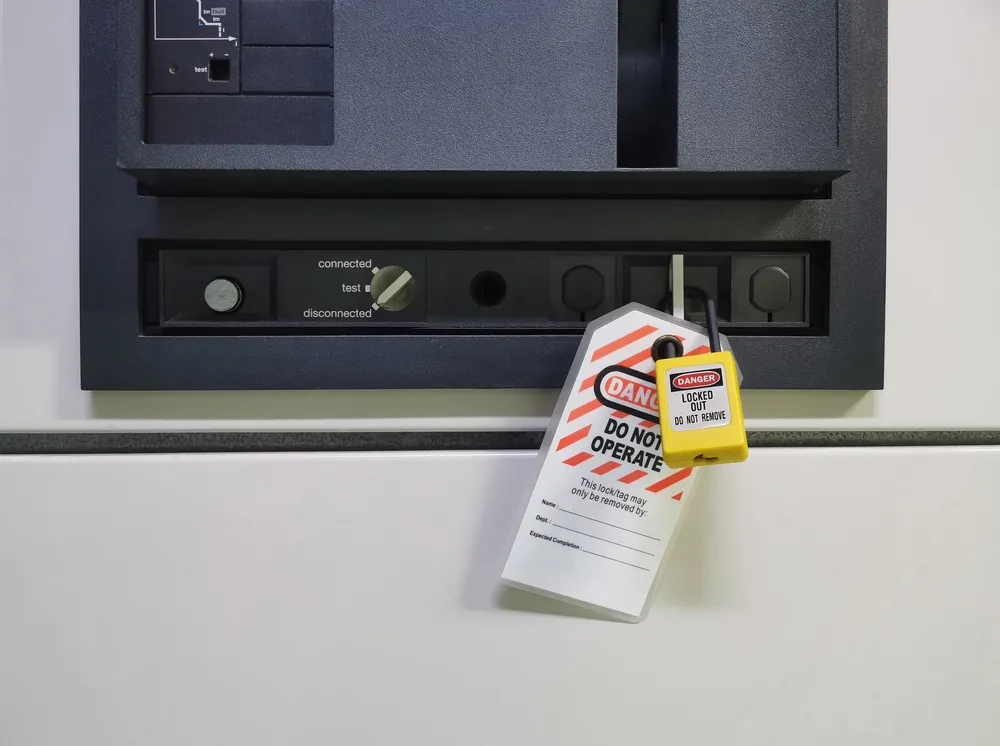
Lock-Out / Tag-Out
To ensure the safety of both workers and machinery during maintenance, lock-out / tag-out procedures are crucial. These procedures involve securely locking or tagging equipment to prevent unexpected startup or release of stored energy.
By following these steps, such as shutting down the equipment, isolating it from hazardous energy sources, and using lockout devices and tags to clearly indicate that maintenance is in progress, homeowners can effectively safeguard themselves and their machines.
Remember, lock-out / tag-out is an essential part of workplace safety programs and helps comply with OSHA regulations.
Stored Energy Check
To ensure the safety of workers during machinery maintenance, it is crucial to perform a stored energy check. This involves verifying that all sources of energy within the machine have been properly isolated and released.
By conducting this check, we can prevent any unexpected release or activation of stored energy that could potentially cause serious injuries or accidents. Remember, the goal is to protect everyone involved by ensuring that all potential hazards are properly identified and eliminated before maintenance work begins.
So let’s make sure to always include a thorough stored energy check as part of our lockout tag-out procedures.
Isolation Verification
To ensure the safety of both workers and machinery, isolation verification is a crucial step in the lockout/tagout procedure. This involves double-checking that all energy sources have been effectively isolated and rendered inactive.
By confirming this isolation, we can greatly reduce the risk of unexpected startup or release of hazardous energy during maintenance or repair work. Remember, proper isolation verification is essential for maintaining a safe working environment and preventing accidents.
Compliance with LockOut Tag Out Standards & Training
Following Australian Standards for LOTO is crucial to ensure employee safety and prevent accidents during maintenance, service, and repair work. Adequate training should be provided to employees to ensure they understand the proper procedures for lockout tag out.
Following Australian Standards for LOTO
We ensure that our lockout/tagout procedures comply with Australian Standards for LOTO. This means that we follow the recommended guidelines and protocols to safely disable machinery and prevent the release of hazardous energy during maintenance activities.
By adhering to these standards, we prioritise the safety of our employees and aim to minimise the risk of accidents or injuries while performing equipment repairs or routine maintenance.
It is essential for us as homeowners to be aware of and follow these standards to create a safe environment when conducting any machine servicing or repairs at home.
Proper training for employees
Employees play a crucial role in ensuring the effectiveness of lockout/tagout procedures. It is essential that they receive proper training to understand the importance of LOTO and how to implement it correctly.
Training should cover topics such as identifying hazardous energy sources, following Australian Standards for LOTO, and using lockout devices effectively. By providing employees with the necessary knowledge and skills, we can enhance workplace safety and prevent accidents during maintenance and repair work.
LOTO Upgrade Considerations
When considering upgrading your LOTO systems for enhanced safety, it is important to review and update your LOTO procedures.
Upgrading LOTO systems for enhanced safety
To ensure the highest level of safety for your machinery maintenance, it is important to upgrade your LockOut Tag Out (LOTO) systems. Upgrading these systems will enhance the protection provided to workers during servicing and repairs.

By implementing advanced LOTO procedures and equipment, you can minimise the risk of accidents caused by unexpected machine startups or the release of hazardous energy. Upgrading LOTO systems involves reviewing and updating procedures, as well as investing in new lockout devices and tagout labels.
It is crucial to stay up-to-date with the latest safety standards and technologies to create a safer work environment for everyone involved in machine maintenance.
When upgrading your LOTO systems, consider training your employees on proper lockout/tagout procedures. This ensures that they understand how to effectively use LOTO devices and follow safety protocols while working on machines.
Additionally, regularly reviewing and updating your LOTO procedures helps guarantee compliance with safety regulations. By implementing these upgrades, you can significantly reduce the risk of injuries related to machinery maintenance while promoting a culture of workplace safety.
Reviewing and updating LOTO procedures
We understand the importance of continually reviewing and updating our LockOut Tag Out (LOTO) procedures for machinery maintenance. By regularly assessing and improving our LOTO processes, we ensure that they remain effective in preventing accidents during service and repair work.
We stay up-to-date with Australian standards for LOTO to ensure compliance and prioritise employee safety. Our commitment to evaluating and enhancing our LOTO procedures helps us maintain a safe workplace environment for everyone involved in equipment repairs and routine maintenance.
Secure Your Space with Tag Out System
In conclusion, Lockout Tag Out (LOTO) procedures are crucial for ensuring the safety of workers during machinery maintenance. By following the proper steps and guidelines, such as equipment shutdown, isolation, and lock-out/tag-out, employees can effectively control hazardous energy sources and prevent accidents.
Compliance with LOTO standards and ongoing training are essential for maintaining a safe work environment. Upgrading LOTO systems and regularly reviewing procedures also contribute to enhanced safety.
Overall, implementing LOTO measures is necessary to protect workers from potential injuries and maintain workplace safety.
Ensure safety and compliance in your workplace by implementing an effective Lockout Tag Out system for machinery maintenance with Tag Out System. Protect your team from hazardous energy sources and prevent accidents. Don’t put safety on hold – it’s time to act. Contact us today to learn how our comprehensive Tag Out solutions can safeguard your workforce and machinery. Elevate your maintenance procedures and prioritise safety with Tag Out System. Take action now for a safer tomorrow!