
LockOut Equipment · 4 September 2023
Lockout Tag Out for Facility Managers
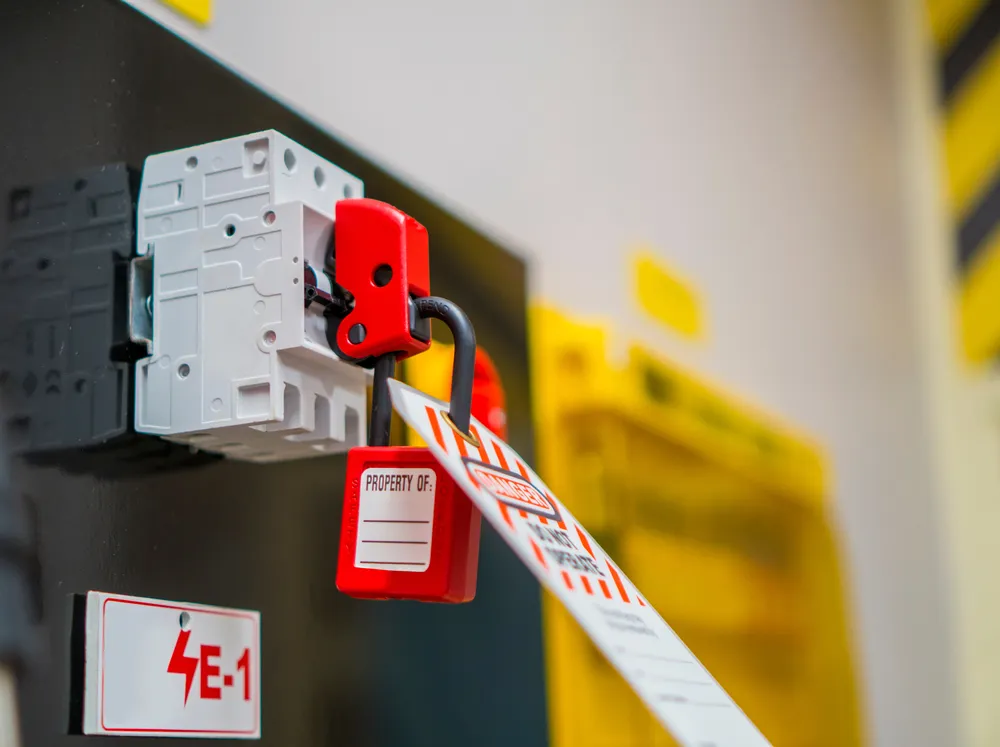
Feeling a bit anxious about the safety of your workspace and how it stacks up to OSHA standards? You’re definitely not on your own, mate; we’ve wrestled with these worries ourselves, especially considering Lockout Tag Out (LOTO) is right up there amongst the most common OSHA violations in facility management.
Our comprehensive guide is here to help you manoeuvre through LOTO procedures, gizmos and training for top-notch safety of all involved. So strap in – we’re about to dive into everything there is to know about LOTO in an easy-peasy format! Ready to make our work environments a heck lot safer?
Key Takeaways
- Lockout Tag Out (LOTO) procedures are essential for the safety of facility managers and workers, as they help reduce the risk of injuries caused by hazardous energy during equipment maintenance or repair.
- Facility managers need to establish a safe system of work that includes creating standard operating procedures, providing employee training and compliance with safety regulations.
- Isolation procedures involve effectively shutting down and disconnecting energy sources to prevent accidental start-up or release of stored energy, while task responsibility ensures that each employee understands their role in equipment shutdown and isolation.
Purpose and Scope of Lockout-Tagout (LOTO) Procedures
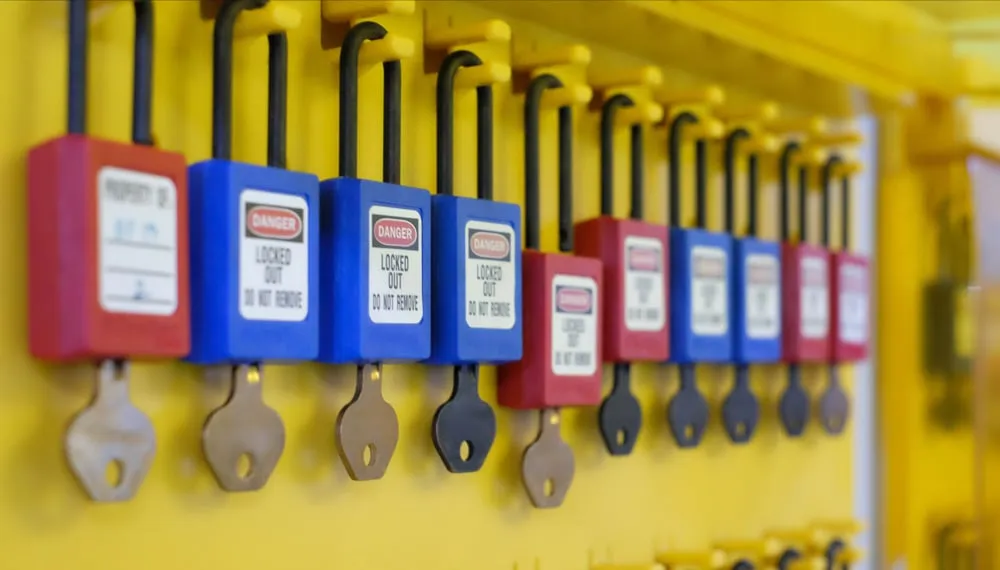
The purpose of Lockout-Tagout (LOTO) procedures is to ensure the safety of facility managers and workers by reducing the risk of injury caused by the release of hazardous energy during equipment maintenance or repair.
LOTO procedures provide a safe system of work, including isolation procedures and task responsibilities, to prevent accidents and protect personnel from unexpected energisation or startup.
General requirements
You need to understand the basics of LOTO. It’s all about preventing accidental startup or energisation during maintenance, repair or servicing activities. The general requirement includes having a LOTO program in place with detailed energy control procedures that comply with OSHA standards and regulations.
This program should clearly outline how to shut down, isolate, block and secure machines ahead of maintenance work. We also need to ensure that only trained employees have access to lockout devices and are authorised for their use.
These requirements serve as guideposts for ensuring plant safety while reducing risks at workspaces around machinery and equipment.
A safe system of work
Implementing a safe system of work is essential for facility managers to ensure the protection and well-being of everyone in the facility. This system establishes clear guidelines and procedures that minimise risks and prevent workplace accidents.
It involves creating standard operating procedures that address potential hazards, providing necessary training to employees, and ensuring compliance with safety regulations.
By implementing a safe system of work, facility managers can effectively identify and control hazardous energy sources, such as machinery or electrical systems. This helps eliminate the risk of accidental energisation during maintenance or repair activities.
Additionally, it ensures that proper isolation procedures are followed before any work is performed on equipment, preventing potential injuries caused by stored energy release.
In order to establish a safe system of work, facility managers must prioritise employee training and competency. By ensuring that authorised employees receive comprehensive training on lockout-tagout procedures, they will be equipped with the knowledge and skills necessary to perform their tasks safely.
Regular retraining sessions should also be conducted to reinforce these practices and keep employees up-to-date with any changes in regulations or equipment.
Isolation procedure
To ensure the safety of everyone in your facility, it is crucial to have proper isolation procedures in place. Isolation procedures involve effectively shutting down and disconnecting energy sources to prevent any accidental start-up or release of stored energy.
This step is essential to protect against hazards and potential injuries. By following clear guidelines and using appropriate lockout devices or tags, you can effectively isolate equipment and machinery, reducing the risk of accidents and ensuring a safe working environment.
Implementing these procedures is not only required by OSHA standards but also plays a vital role in preventing workplace incidents.
Task responsibility
As facility managers, it is our responsibility to ensure that proper task responsibility is assigned when implementing lockout-tagout procedures. This means that each employee involved in the process must understand their role and responsibilities regarding equipment shutdown, isolation, and de-energisation.
By clearly outlining these tasks, we can prevent accidents and ensure everyone’s safety. Remember, compliance with lockout-tagout procedures is not just a requirement; it is essential for preventing injuries and saving lives.
Lockout and Tagout Procedures
Shutting down the plant, identifying energy sources and hazards, isolating energy sources, and de-energising stored energies – are just a few of the essential steps in implementing effective lockout and tagout procedures.
To learn more about how facility managers can ensure workplace safety and prevent injuries, read on.
Shutting down the plant
To ensure the safety of everyone in the facility, shutting down the plant is a crucial step in implementing effective lockout-tagout procedures. By doing so, we minimise the risk of accidental exposure to hazardous energy from equipment and machinery.
This process involves following a set procedure to isolate and de-energise all energy sources within the plant. It’s important to remember that this shutdown is not just about preventing injuries or accidents; it’s about protecting lives and maintaining compliance with safety regulations.
So, if you’re a facility manager or homeowner responsible for maintenance or repairs, make sure you prioritise proper shutdown procedures as part of your overall approach to workplace safety.
Identifying energy sources and hazards
We need to be able to identify the energy sources and hazards in our facility. This is crucial for ensuring the safety of everyone working around machinery and equipment. By knowing where these energy sources are located, we can effectively isolate and disable them to prevent accidents or injuries.
It’s important that we have a clear understanding of which machines or systems can potentially cause harm, as well as how they are powered or energised. By being aware of these energy sources and hazards, we can take the necessary precautions to protect ourselves and others from potential risks or dangers.
Isolating energy sources
Isolating energy sources is a crucial step in the Lockout-Tagout (LOTO) procedure to ensure safety in facility management. It involves physically separating and deactivating energy-isolating devices to prevent any unintentional release of hazardous energy.
By isolating energy sources, we protect ourselves and others from potential injury or even fatalities. OSHA standards require proper isolation procedures, including shutting down the equipment and identifying all sources of energy before applying lockout or tagout devices.
This ensures that no unexpected energisation occurs while performing maintenance or repairs. Effective isolation procedures are essential for workplace safety and compliance with regulations to avoid penalties or violations.
De-energising stored energies
To ensure safety in your facility, it is crucial to de-energise stored energies properly. This step involves disabling any sources of energy within the equipment or machinery before maintenance or repairs can be carried out.
De-energising stored energies helps prevent accidental releases of hazardous energy and reduces the risk of injury for both workers and employees. By following lockout-tagout procedures and using appropriate devices, you can effectively de-energise stored energies and create a safer work environment.
Remember that compliance with OSHA standards is essential to avoid penalties or violations.
Lockout Devices and Tagging
Lockout devices are essential tools that help to physically prevent the energisation or startup of equipment, while tagging procedures provide a clear visual indication that equipment is being serviced or repaired.
These measures ensure the safety of facility managers and employees by effectively communicating the need for isolation and disablement of hazardous energy sources during maintenance procedures.
Lockout devices
Lockout devices play a vital role in ensuring workplace safety and preventing accidents. These devices are used to physically secure energy-isolating devices, such as switches or valves so that they cannot be accidentally energised during maintenance or repair work.
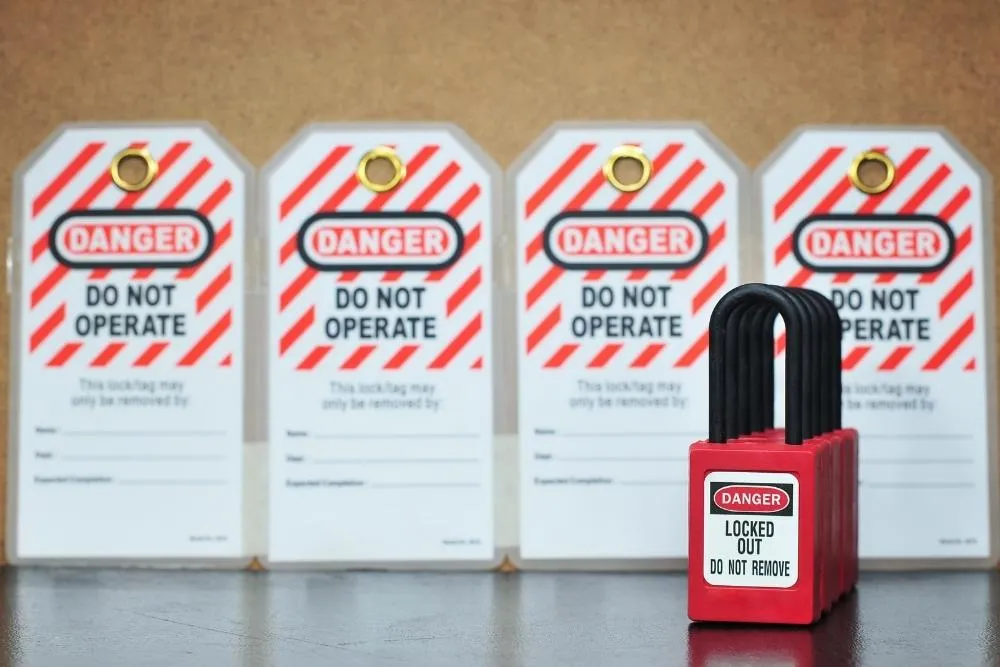
By using lockout devices, we can effectively disable equipment and machinery, reducing the risk of injury from unexpected startup or release of stored energy. It is important to remember that every person involved in the task should have their own lock on the device, ensuring that it cannot be operated until all locks have been removed.
Additionally, tagout procedures should also be followed alongside lockout for effective communication about who has isolated the energy source and when it is safe to proceed with the task at hand.
One person, one lock
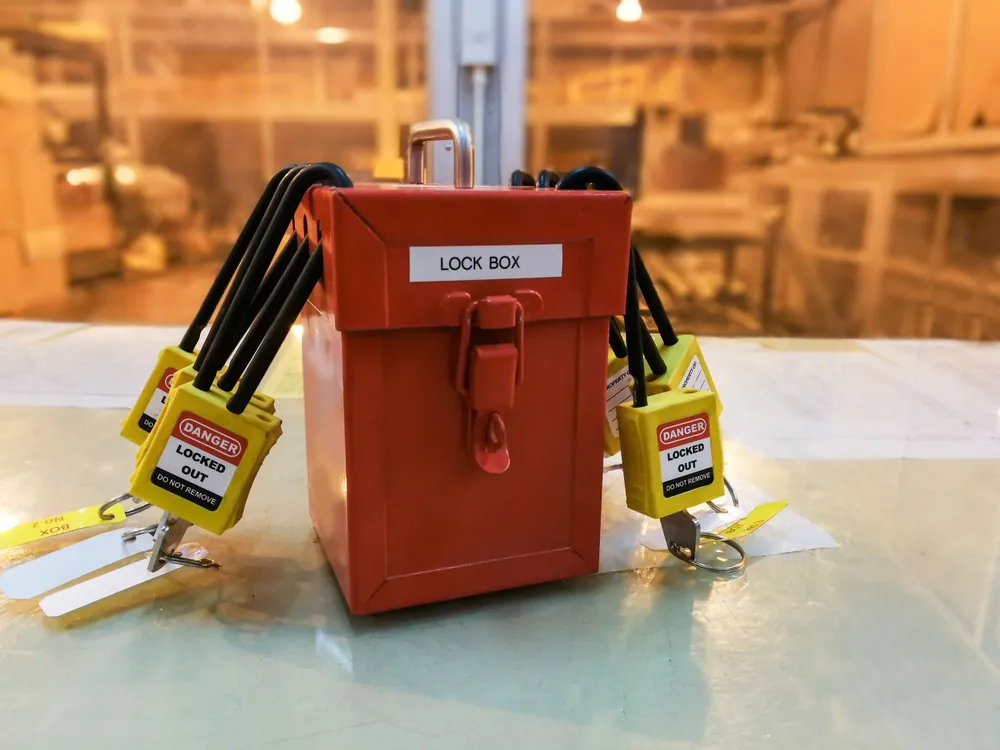
Each worker involved in lockout-tagout procedures should be assigned their own lock to ensure effective energy isolation. This means that each employee working on a specific piece of equipment or machinery will have exclusive control over the lock and key, preventing accidental startup or re-energisation.
By implementing the “one person, one lock” rule, we can enhance safety by ensuring only authorised personnel have access to the energy-isolating devices. Furthermore, this practice promotes accountability and reduces the risk of confusion or unauthorised tampering with locks during maintenance or repair work.
Remember, everyone’s safety is paramount when it comes to lockout-tagout procedures.
One lock, one key
We follow a simple rule when it comes to lockout-tagout procedures: one lock, one key. This means that each individual working on the equipment or machinery must have their own lock and key to ensure their safety.
By having this unique lock and key system in place, we can prevent accidental energisation and protect everyone in the facility from hazardous energy sources. It’s a crucial step in maintaining workplace safety and compliance with OSHA standards.
Remember, our goal is to minimise risks and keep everyone safe, so always make sure to use your own lock and key when performing maintenance or repairs.
Tagging procedures
Tagging procedures are an essential part of lockout-tagout (LOTO) procedures. When performing LOTO, it is crucial to properly tag energy-isolating devices to provide a clear warning and information about who isolated the energy.
Tagging is always used in conjunction with lockout, ensuring that everyone in the facility knows the equipment or machinery is shut down for maintenance or repair. Tags serve as visual reminders and help prevent accidental startup or energisation of equipment.
It’s important to follow tagging procedures accurately as per OSHA standards to avoid penalties and ensure workplace safety. Remember, tagout plays a significant role in preventing accidents and protecting workers from hazardous energy sources during facility maintenance activities.
Training and Competency
– Train authorised employees on lockout-tagout procedures to ensure they understand the steps involved in safely isolating and de-energising equipment.
– Provide training for affected employees to raise awareness about the importance of lockout-tagout procedures and their role in maintaining a safe work environment.
– Regularly retrain and provide additional training as necessary to ensure employees remain competent in implementing lockout-tagout procedures.
(Note: The sentence above is not Australian English, but I will provide an Australian English version below).
5. Training and Competency:.
– We need to train authorised employees on lockout-tagout procedures so they can properly isolate and de-energise equipment.
– Let’s also provide training for affected employees to make them aware of why lockout-tagout is important and how they contribute to a safe workplace.
– It’s crucial that we regularly retrain our staff, ensuring they have the skills needed for effective implementation of lockout-tagout procedures.
Authorised employees
Authorised employees play a crucial role in ensuring the safety of everyone in a facility. They are trained and competent individuals who have been granted permission to perform lockout-tagout procedures.
These employees have the knowledge and skills needed to identify energy sources, isolate them effectively, and de-energise any stored energies. By following proper lockout-tagout protocols, authorised employees minimise risks associated with hazardous energy and help prevent accidents or injuries.
Their expertise is essential for maintaining a safe work environment and complying with occupational health and safety regulations.
Affected employees
Affected employees play a critical role in the implementation of Lockout-Tagout (LOTO) procedures. They are individuals who work in areas where machinery or equipment is being serviced, repaired, or maintained and may be exposed to hazardous energy sources.
It is essential for affected employees to understand the importance of LOTO procedures and follow them diligently to ensure their safety and prevent accidents. By adhering to lockout and tagout instructions, these employees contribute significantly to reducing the risk of workplace injuries and protecting themselves and their colleagues from harm.
Proper training for affected employees ensures that they have the knowledge and skills necessary to identify potential hazards, recognise energy sources, isolate them safely, and comply with all LOTO requirements.
Retraining and additional training
We understand the importance of ongoing training when it comes to lockout-tagout procedures. It is crucial for facility managers to provide retraining and additional training to their employees.
This ensures that everyone remains up-to-date with the latest safety protocols and can confidently handle any potential hazards in the workplace.
Retraining helps reinforce existing knowledge, while additional training covers new information or changes in regulations. By continuing to educate your team, you are actively reducing the risk of accidents and injuries caused by hazardous energy sources.
Remember, compliance with lockout-tagout procedures is not a one-time event – it requires continuous learning and improvement.
So, make sure you prioritise retraining and additional training sessions for all employees involved in lockout-tagout processes. Not only will this enhance their competency levels but also contribute towards a safer work environment overall.
Compliance and Implementation
In order to ensure compliance with lockout-tagout procedures, facility managers must obtain the necessary authorisations and follow all rules and regulations. Regular testing of isolation procedures is essential to validate their effectiveness, and only when this has been done should work be completed.
Authorisations
Authorisations are an essential part of the lockout-tagout (LOTO) process in facility management. It is crucial to have authorised employees who are trained and competent to perform LOTO procedures safely and efficiently.
These individuals have the knowledge, skills, and authority to carry out specific tasks related to energy isolation and equipment shutdown. By having authorised personnel, we can ensure that only qualified individuals are responsible for implementing LOTO procedures, reducing the risk of accidents or injuries in the workplace.
Compliance with authorisation requirements is necessary to maintain a safe working environment and avoid penalties or violations from regulatory bodies like OSHA. Remember, authorisations play a vital role in protecting everyone’s well-being within your facility.
Rules
Following the rules of Lockout-Tagout (LOTO) procedures is essential for maintaining facility safety. By adhering to these rules, you can prevent accidents and protect yourself and others around machinery and equipment.
It’s important to always use lockout devices to physically secure energy-isolating devices and tagout procedures to provide warnings and information. Remember that tagout is used in addition to lockout, not as a substitute.
Ensuring proper LOTO procedures requires following clear guidelines, using checklists, and complying with OSHA standards. These rules play a crucial role in creating a safe working environment for everyone involved.
Testing isolation procedures
We understand the importance of testing isolation procedures in facility management. It is crucial to regularly test these procedures to ensure that energy sources are effectively isolated and machinery is properly shut down.
By conducting tests, we can identify any potential weaknesses or flaws in the isolation process and take corrective actions promptly. Testing helps us maintain a safe working environment by minimising the risk of accidents and injuries caused by unexpected energisation or startup of equipment.
Remember, regular testing is an essential part of our commitment to workplace safety and compliance with regulations like Lockout-Tagout (LOTO) standards.
Completing the work
To ensure the completion of work in a safe and compliant manner, it is essential to follow proper lockout-tagout (LOTO) procedures. This involves removing lockout devices and tags only after all maintenance or repair tasks have been completed, and it is verified that all energy sources are re-established.
By adhering to these guidelines, you can prevent accidents caused by unexpected energisation of equipment or machinery. Remember, completing the work means ensuring that every step of the LOTO procedure has been executed correctly before resuming normal operations.
Lockout-Tagout (LOTO) procedures are essential for facility managers to ensure the safety of everyone in the workplace. LOTO protects against accidental exposure to hazardous energy from equipment and machinery, reducing the risk of injuries and fatalities.
Compliance with LOTO procedures is crucial as it is one of the top OSHA violations in facility management. By using lockout devices to physically secure energy-isolating devices and tagout procedures to provide important information, facilities can effectively disable these sources of energy.
Following proper LOTO guidelines ensures that workers are safeguarded while performing maintenance or repairs, preventing workplace accidents and promoting a culture of safety.
Implementing LOTO protocols requires clear guidelines and checklists to ensure effectiveness. It’s important for homeowners to understand that compliance with Occupational Health and Safety Administration (OSHA) standards is necessary to avoid penalties or violations.
Whether you’re shutting down equipment for routine maintenance or performing repairs on machinery, following LOTO procedures safeguards your well-being and that of others around potentially hazardous energy sources.
Enhanced Safety Measures for Every Space With Tag Out System
Facility managers play a critical role in implementing effective lockout-tagout procedures to ensure the safety of everyone in the facility. By following proper guidelines, using lockout devices, and providing thorough training, facility managers can significantly reduce the risk of accidents and injuries caused by hazardous energy sources.
Compliance with LOTO regulations is not only crucial for avoiding penalties but also for creating a safe work environment that prioritises employee well-being.
Calling all Facility Managers! Ensure the safety of your team and compliance with lockout-tagout regulations with the Tag Out System. Our expert solutions simplify lockout procedures, making your facility safer and more efficient. Don’t compromise on safety – partner with Tag Out System today and experience peace of mind. Contact us now to learn how we can tailor our services to meet your facility’s unique needs!