
LockOut Equipment · 8 September 2023
Lockout Tag Out for Construction Sites
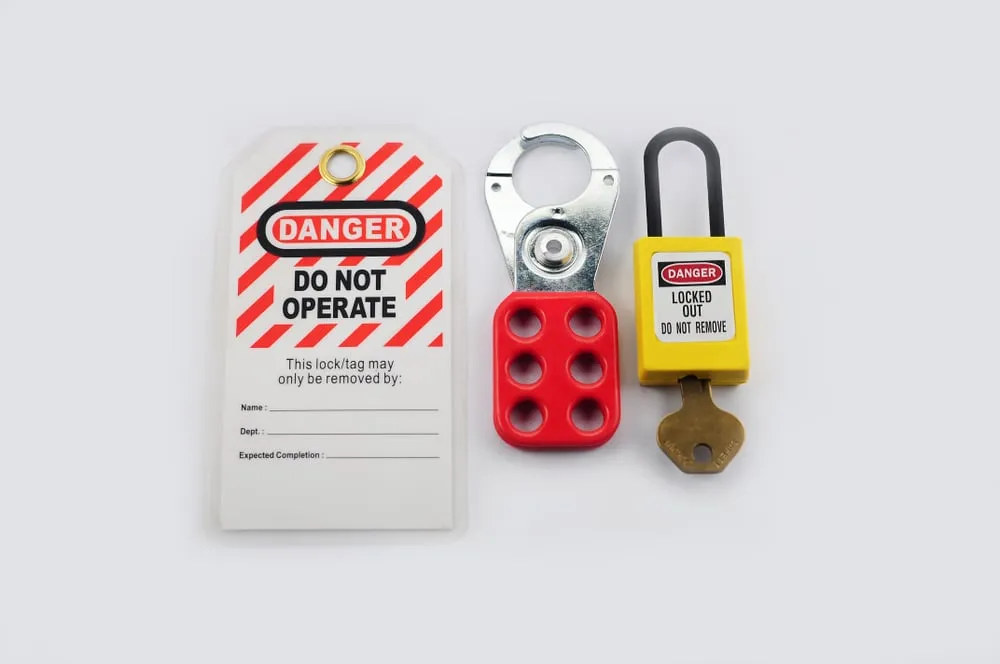
Ever found yourself pondering on the best ways to prevent construction site mishaps due to rampant energy release? You’re far from alone, mate. We’ve all come across those gut-wrenching stories, an issue that gives a fair share of people in the industry a run for their money.
But did you know there’s an ace up your sleeve called lockout/tagout or simply LOTO? This nifty method puts hazardous energy on-site firmly in its place. This article will take you on a walkthrough of understanding and putting into action LOTO for top-notch workplace safety.
Key Takeaways
- Lockout/tagout is crucial for construction sites to prevent accidents caused by unexpected energy releases from equipment.
- The main difference between lockout and tagout is that lockout physically disconnects the energy source, while tagout uses tags to communicate that the equipment must not be operated.
- Compliance with OSHA lockout/tagout standards is essential for maintaining a safe working environment on construction sites.
Understanding Lockout/Tagout for Construction Sites
Lockout/tagout is crucial for construction sites as it ensures worker safety by preventing accidents caused by unexpected energy releases from equipment. The main difference between lockout and tagout is that lockout involves physically disconnecting the energy source, while tagout uses tags to communicate that the equipment must not be operated.
OSHA has set standards for lockout/tagout procedures to be followed on construction sites.
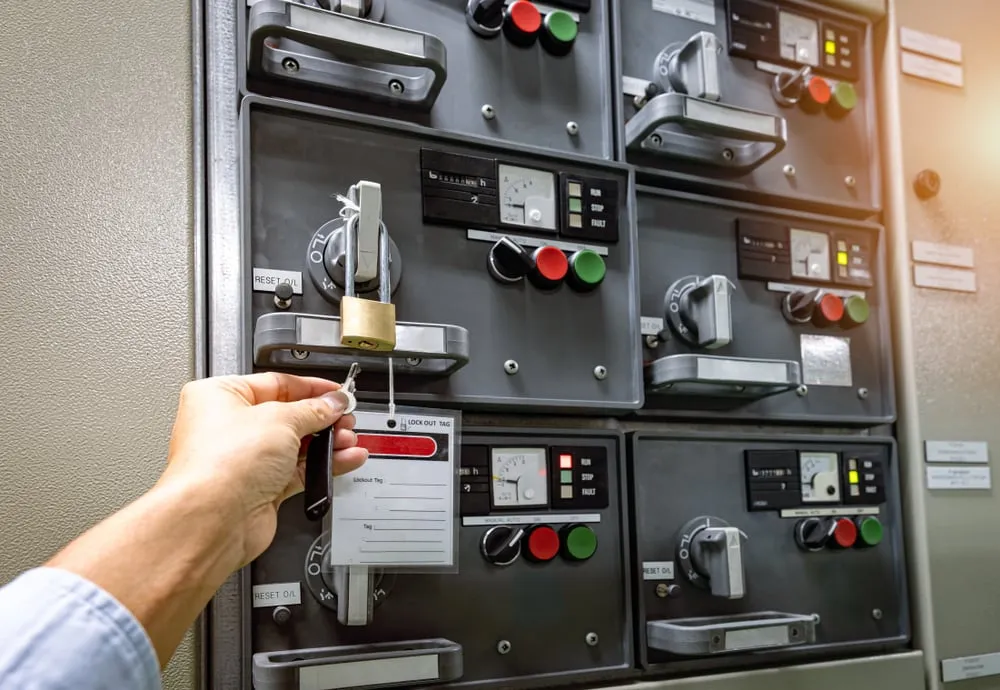
Importance of lockout/tagout
Lockout/tagout is a crucial safety measure on construction sites. It ensures workers’ safety by disabling, isolating, and securing hazardous energy sources. This practice prevents any accidental equipment startup or release of stored energy that could result in catastrophic consequences.
It’s more than just a procedure – it’s an essential part of the system that safeguards lives and promotes efficient operations on the site. You wouldn’t want accidents to disrupt the construction project you invested in heavily, would you? That’s why understanding lockout/tagout isn’t just for workers; homeowners like us should be aware too because our collaborators’ safety directly affects our projects’ success.
Difference between lockout and tagout
Lockout and tagout are two important practices in ensuring the safety of construction workers. Lockout involves physically disconnecting or isolating energy sources, such as shutting off power to a machine using a lock.
This prevents accidental startup and ensures that equipment cannot be turned on while maintenance or servicing is being done.
On the other hand, tagout uses tags to provide visual warnings and information about locked-out equipment. Tags alone are not enough to prevent accidental startup, so they should always be used with locks.
Tags indicate that machinery or equipment is undergoing maintenance or repair work, making others aware that it should not be operated.
OSHA lockout/tagout standard
The OSHA lockout/tagout standard is an important regulation that ensures the safety of workers on construction sites. It requires employers to establish procedures for disabling equipment and controlling hazardous energy sources.
This helps prevent accidental startup or release of stored energy, reducing the risk of workplace accidents. Compliance with the OSHA lockout/tagout standard is essential for maintaining a safe working environment and protecting workers from potential harm.
By following these guidelines, construction site owners can help ensure the well-being of their employees and promote a culture of safety on their projects.
Steps for Implementing a Lockout/Tagout Program on Construction Sites
To implement a lockout/tagout program on construction sites, there are several steps you need to follow. First, make sure to prepare and document the necessary procedures. Then, safely shut down the equipment and disconnect all energy sources.
Next, isolate and control hazardous energy through lockout/tagout procedures. Conduct a thorough check for any stored energy before re-energising the equipment. It is crucial to assign roles and responsibilities to authorised persons and affected employees.
Lastly, provide comprehensive training on lockout/tagout procedures and ensure effective communication throughout the construction site.
Preparation and documentation
To ensure safety on construction sites, proper preparation and documentation are essential steps in implementing a lockout/tagout program. As homeowners, it’s important to understand that this process involves gathering the necessary information about equipment shutdown and energy source disconnection.
This includes identifying all hazardous energy sources and creating clear procedures for isolating them. Additionally, documentation should be maintained to record each step of the lockout/tagout procedure, ensuring compliance with regulations and providing a reference for future work.
By prioritising preparation and documentation, we can effectively protect workers from accidents caused by unexpected energisation or release of stored energy.
Equipment shutdown
To ensure our safety on construction sites, it is crucial to properly shut down equipment before performing any maintenance or servicing. One main step in the lockout/tagout process is the equipment shutdown.
This involves turning off the power source and completely stopping the machine’s operation. By doing so, we prevent any accidental start-ups or release of stored energy that could pose a risk to workers.
When shutting down equipment, be sure to follow the manufacturer’s instructions and use proper procedures. Always identify the correct power switch or control panel to turn off the equipment.
It is also important to wait for all moving parts to come to a complete stop before proceeding with any further steps.
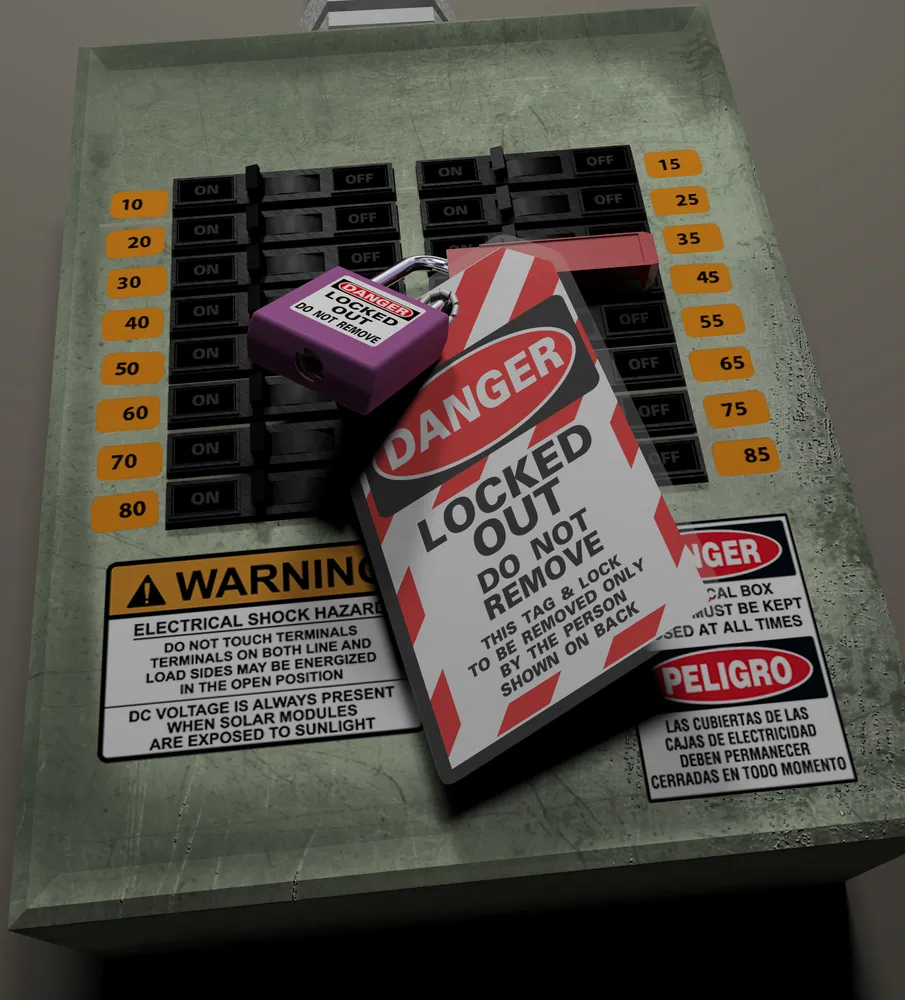
Isolation and energy control
Isolating and controlling energy sources is a critical step in implementing a lockout/tagout program on construction sites. It involves disconnecting equipment from its power source to prevent accidental start-up or the release of stored energy.
By doing so, we ensure the safety of workers and minimise the risk of accidents. Tags are used along with locks to clearly indicate that equipment is locked out, serving as a visual reminder for everyone on site.
Remember, never remove locks or tags that you did not install yourself – this helps maintain accountability and ensures proper safety precautions are followed. Taking the necessary steps to isolate and control energy sources is essential for preventing workplace injuries and creating a safe environment for all construction workers.
Lockout/tagout procedures
Lockout/tagout procedures are crucial for ensuring the safety of construction site workers. These procedures involve disabling, isolating, and securing hazardous energy sources to prevent accidental startup of equipment or release of stored energy.
To effectively implement lockout/tagout, it is important to follow the steps: prepare and document the process, shut down equipment, isolate and control energy sources, apply lockout/tagout devices according to established procedures, check for stored energy, and re-energise equipment only when it is safe to do so.
By strictly adhering to these procedures, we can minimise the risk of accidents and promote a safe working environment on construction sites.
Stored energy check
To ensure the safety of construction workers, it is crucial to perform a stored energy check as part of the lockout/tagout procedure. This involves verifying that all sources of hazardous energy have been effectively isolated and controlled before any maintenance or servicing work begins.
By conducting this important step, we can prevent accidental startup of equipment or release of stored energy, minimising the risk of workplace accidents. Safety should always be our top priority when working on construction sites.
Re-energising equipment
To ensure the safety of construction workers, it’s crucial to follow proper procedures when re-energising equipment. This step is taken after all necessary maintenance or servicing work has been completed.
Before re-energising, it’s important to double-check that all lockout and tagout devices have been removed and that there are no remaining hazards. By carefully following these steps, we can prevent accidents and keep everyone on the construction site safe.
Re-energising equipment involves taking the necessary precautions before allowing any power to flow back into machinery or systems. This is done in a controlled manner by authorised personnel who have verified that all repair work has been completed safely.
Roles and Responsibilities in Lockout/Tagout on Construction Sites
In this section, we will discuss the important roles and responsibilities that individuals have in implementing and following lockout/tagout procedures on construction sites. From authorised persons to affected employees, each person plays a critical role in ensuring the safety of everyone involved.
Read on to learn more about these essential positions in lockout/tagout implementation.
Authorised persons
Authorised persons play a critical role in lockout/tagout procedures on construction sites. These individuals are responsible for safely locking or tagging equipment to ensure that it is not accidentally started or energised while maintenance or servicing work is being performed.
By following the proper procedures and using locks and tags correctly, authorised persons help prevent accidents and keep everyone on the site safe. It’s important to always respect locks and tags that have been placed by others, as removing them without permission can have serious consequences.
Training all workers on lockout/tagout procedures is essential to maintain a culture of safety at construction sites. Remember, compliance with regulations such as those set by OSHA is necessary for workplace safety.
Affected employees
Affected employees play a crucial role in the successful implementation of a lockout/tagout program on construction sites. They are the ones who work directly with equipment and machinery that require servicing or maintenance.
These employees must be aware of and follow the lockout/tagout procedures to ensure their safety and the safety of others. They should never attempt to remove locks or tags without proper authorisation, as this can lead to serious accidents or injuries.
By understanding and complying with lockout/tagout regulations, affected employees contribute to creating a secure work environment and preventing workplace incidents.
Training and Communication
Lockout/tagout training is crucial for all construction site workers to ensure their safety. This includes understanding the lockout/tagout procedures and effective communication of these procedures to everyone on the site.
To learn more about how training and communication can help prevent accidents, keep reading.
Lockout/tagout training
Lockout/tagout training is a crucial component of ensuring safety on construction sites. By providing this training, we equip workers with the knowledge and skills needed to effectively implement lockout/tagout procedures.
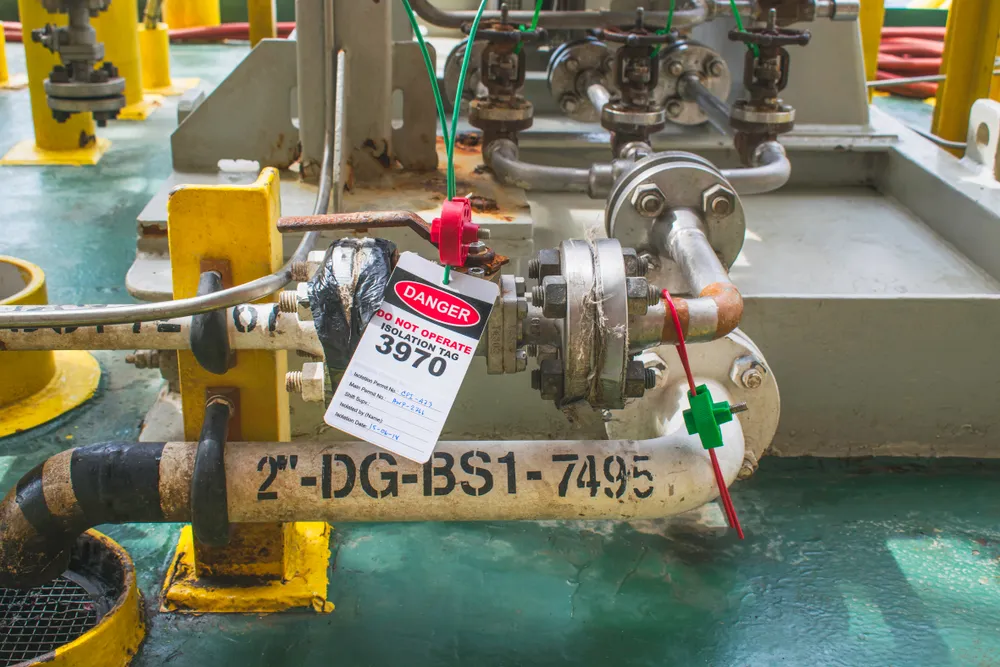
This includes understanding how to properly isolate energy sources and use lockout/tagout devices, as well as recognising the importance of never removing locks or tags that they did not install.
Training also emphasises the significance of compliance with lockout/tagout regulations set by organisations like OSHA. Ultimately, through comprehensive lockout/tagout training, we can prevent accidents and protect the well-being of everyone on the construction site.
Communication of procedures
We need to make sure that everyone on the construction site is aware of the lockout/tagout procedures. This means clearly communicating how equipment should be locked out and tagged, who is authorised to do it, and what steps to follow in case of an emergency.
By effectively communicating these procedures, we can ensure that all workers understand their role in preventing accidents and keeping the workplace safe. It’s important for homeowners to be aware of these protocols as well, so they know what safety measures are being taken during construction projects on their property.
Ensuring Compliance and Safety
To ensure compliance and safety on construction sites, it is essential to conduct periodic inspections and audits, enforce documentation and reporting, and utilise lockout/tagout software and resources.
By implementing these measures, we can effectively prevent accidents and protect the well-being of workers. Ready to learn more about lockout/tagout procedures in construction? Keep reading!
Periodic inspections and audits
Periodic inspections and audits play a crucial role in ensuring the effectiveness of a lockout/tagout program on construction sites. These regular assessments help identify any potential issues or gaps in the implementation of safety procedures.
Inspections involve thoroughly examining equipment, machinery, and work areas to ensure that all energy sources are properly disconnected and isolated. Audits focus on reviewing documentation, training records, and compliance with lockout/tagout regulations.
By conducting regular inspections and audits, homeowners can proactively address any deficiencies in their lockout/tagout program and prevent workplace accidents. These evaluations also provide an opportunity to reinforce training efforts and communicate any updates or changes in procedures to workers.
Enforcing documentation and reporting
We take enforcing documentation and reporting seriously when it comes to lockout/tagout procedures on construction sites. It is essential that all necessary paperwork, including lockout/tagout forms and checklists, are completed accurately and promptly.
By doing so, we ensure that every step of the process is properly documented for compliance purposes and to track the effectiveness of our lockout/tagout program. Additionally, reporting any incidents or near misses related to lockout/tagout helps us identify areas for improvement in order to prevent future accidents.
Our commitment to thorough documentation and reporting reinforces our dedication to worker safety and maintaining a secure work environment at all times.
Lockout/tagout software and resources
We understand that implementing and maintaining a lockout/tagout program on a construction site can be challenging. That’s why there are lockout/tagout software and resources available to assist you.
These tools can help streamline the process of creating procedures, training employees, and keeping track of equipment maintenance. By utilising lockout/tagout software and resources, you can ensure that your construction site is compliant with regulations and that workers are kept safe from potential accidents or injuries.
Remember, building a strong lockout/tagout program is crucial for workplace safety.
Lockout/Tagout, also known as LOTO, is a critical safety practice that should be implemented on construction sites to protect workers and prevent accidents. LOTO involves disabling, isolating, and securing hazardous energy sources, such as electrical circuits or equipment.
By doing so, it ensures that there is no accidental startup of machinery or release of stored energy that could harm workers.
To effectively implement a lockout/tagout program on a construction site, there are several key steps to follow. First, proper preparation and documentation are essential. This includes identifying all equipment that requires lockout/tagout procedures and creating clear instructions for employees to follow.
The next step is equipment shutdown, where the power source is disconnected or shut off before any servicing or maintenance work begins.
The third step involves isolation and energy control. This means physically locking out the equipment with padlocks and tags to indicate it should not be operated until servicing is complete.
Employees performing these tasks are known as authorised persons who have been trained in lockout/tagout procedures.
Finally, before re-energising the equipment after maintenance work is finished, a thorough check for stored energy must be conducted. This ensures no residual energy remains that could pose risks when the machine starts up again.
Implementing a robust lockout/tagout program on construction sites helps minimise workplace hazards and keeps workers safe from potential accidents caused by unexpected energisation of machinery or exposure to hazardous energy sources.
The outline has been simplified and condensed to focus on the essential information related to lockout/tagout on construction sites.
Lockout/tagout is a critical safety practice on construction sites. It involves disabling, isolating, and securing hazardous energy sources to prevent accidents and keep workers safe.
The outline of this article has been simplified and condensed to focus on the most important information about lockout/tagout procedures. By following these steps, you can ensure that equipment is properly shut down, energy sources are safely controlled, and all necessary precautions are taken before any maintenance or servicing work is performed.
Remember that compliance with lockout/tagout regulations is essential for workplace safety.
It’s important to note that tags should always be used in conjunction with locks when implementing lockout/tagout procedures. They serve as visual indicators that equipment has been locked out and should not be operated under any circumstances.
Only authorised employees should install locks or tags, and it’s crucial never to remove someone else’s locks or tags without their permission. By understanding these simplified guidelines for lockout/tagout on construction sites, you can contribute to creating a safer working environment for everyone involved.
Efficiency and Safety for Your Space
In conclusion, implementing a robust lockout/tagout program is vital for ensuring the safety of construction workers and preventing accidents on site. By properly shutting down equipment, isolating energy sources, and following lockout/tagout procedures, potential hazards can be effectively controlled.
Training employees on these procedures and maintaining compliance with regulations are crucial steps in promoting a safe work environment. Remember, when it comes to lockout/tagout, it’s better to be safe than sorry.
Secure your construction site and your crew’s safety with our top-tier Lockout Tag Out solutions! Don’t leave safety to chance. Implement our proven Lockout Tag Out procedures for construction sites and ensure a risk-free work environment. Contact Tag Out System today and build safely