
LockOut Equipment · 25 October 2023
Lockout Procedures for Maintenance Teams
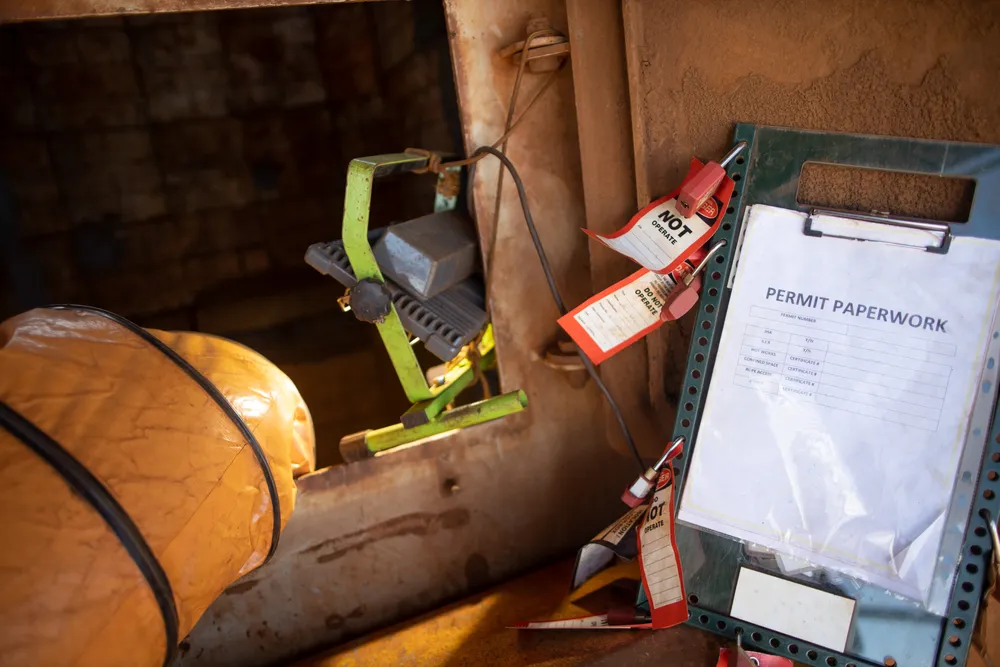
Ever wondered why maintenance work sometimes feels like you’re playing a bit of roulette? You’re certainly not the only one. We’ve had this nagging worry too, especially as we found out that many workplace mishaps happen during your everyday service and repair jobs.
This blog is going to give you the insider’s track to safer maintenance operations – and it’s all about lockout procedures. These are safety rules made in response to prevent accidental machinery operation or release of hazardous energy! Keep reading – it could mean the difference between safely wrapping up your tasks for the day or an unwelcome ride in the back of an ambulance.
Key Takeaways
- Lockout/TagOut (LOTO) is a safety procedure that protects maintenance workers from hazardous energy sources during equipment servicing and maintenance activities.
- LOTO involves isolating and de-energising machinery to prevent unexpected releases of energy and reduce the risk of workplace accidents.
- Following the six steps of LOTO safety procedures, including preparation, equipment shutdown, isolation, lock-out/tag-out, stored energy check, and isolation verification, ensures a safe approach to equipment maintenance.
- In group maintenance operations, implementing LOTO procedures is crucial for ensuring the safety of all team members. Communication and coordination are key in group lockout/tagout procedures.
Understanding LockOut/TagOut (LOTO) and its Importance in Maintenance
Lockout/TagOut (LOTO) is a crucial safety procedure in maintenance work, ensuring the protection of workers from hazardous energy sources during equipment servicing and maintenance activities.
It involves isolating and de-energising machinery to prevent unexpected releases of energy, reducing the risk of workplace accidents and injuries.
Definitions of LOTO
LOTO, short for LockOut/TagOut, is a standard safety protocol that prevents mishaps during maintenance work. It involves locking and tagging pieces of equipment to prevent hazardous energy from causing any harm.
This intentional step ensures machines or systems won’t accidentally start up or unleash stored energy potentially leading to accidents. This practice safeguards employees while boosting workplace safety compliance.
Purpose of LOTO Safety
The purpose of lockout/tagout (LOTO) safety is to protect maintenance workers and prevent accidents during equipment maintenance or repair work. LOTO procedures are designed to control hazardous energy sources, such as electricity, hydraulics, and pneumatics, by locking and tagging out the equipment.
This prevents unexpected startup or release of stored energy, which could cause serious injuries or even death. Following LOTO protocols helps ensure the safety of everyone involved in maintenance operations and reduces the risk of accidents.
It is important for homeowners to understand the purpose of LOTO safety to promote a safe working environment for their maintenance teams.
Related resources and courses
We have compiled a list of related resources and courses that can help you understand and implement lockout/tagout procedures for maintenance teams. These resources include comprehensive guides, online courses, and training materials that cover the importance of lockout/tagout protocols, steps to follow during maintenance activities, and compliance requirements.
By accessing these resources, you can enhance your knowledge of safety measures in equipment servicing and ensure the protection of both your assets and employees. Stay informed and up-to-date with the latest lockout/tagout techniques by exploring these valuable resources.
The 6 Steps of LOTO Safety Procedures
The six steps of LOTO safety procedures ensure a safe and systematic approach to equipment shutdown, isolation, and verification before maintenance activities can begin.
Preparation
Before starting any maintenance or repair work, it is crucial to be well-prepared.

Preparation involves gathering all the necessary information about the equipment you’ll be working on and ensuring that you have the appropriate tools and resources.
This includes reviewing work orders, identifying potential hazards, and understanding the specific lockout/tagout procedures for each piece of machinery. By taking these steps beforehand, you can ensure a smooth and safe maintenance process while minimising the risk of accidents or injuries occurring due to unexpected energy release or startup.
So let’s make sure we are fully prepared before we begin any maintenance tasks!
Equipment Shutdown
To ensure the safety of maintenance workers, one crucial step in lockout/tagout procedures is Equipment Shutdown. This involves properly turning off and deactivating the equipment before any maintenance or repair work begins.
By shutting down the machinery, we can prevent accidental startup and release of hazardous energy.
During Equipment Shutdown, it is important to follow specific steps to ensure proper procedure. We need to gather detailed information about the equipment and its shutdown requirements.
We must also notify all affected employees about the upcoming maintenance activities and inform them that they are not allowed near or operate the machinery during this time.
Remember, shutting down equipment correctly helps protect everyone involved in the maintenance process. It’s an essential part of maintaining a safe working environment and preventing accidents caused by unexpected machine activation or energy release.
Isolation
Isolation is a critical step in the lockout/tagout safety procedure. During isolation, the maintenance team ensures that all energy sources to the equipment are disconnected or shut off.
This includes electrical power, fuel supply, and other potential energy sources. By isolating these energy sources, we prevent any unexpected release of energy during maintenance work.
Isolation helps protect our team from hazardous situations and reduces the risk of accidents while working on machinery. It is an important part of our commitment to ensuring a safe working environment for everyone involved in maintenance activities.
Lock-Out/Tag-Out
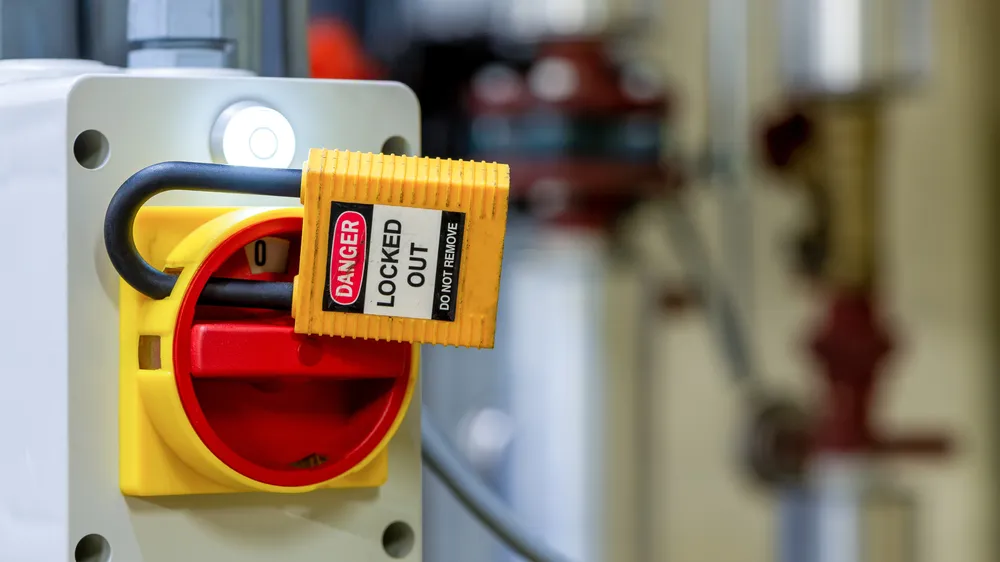
Lock-Out/Tag-Out is an important safety procedure used during maintenance work to protect workers and prevent accidents. It involves locking and tagging equipment to control hazardous energy and ensure it cannot be accidentally operated.
By following specific steps such as acquiring detailed equipment information, notifying affected employees, and properly shutting down equipment, lock-out/tag-out procedures effectively reduce the risk of injuries.
Adhering to these procedures is not only a legal requirement in many countries but also crucial for increasing safety compliance in facilities. So remember, when it comes to maintenance work, lock-out/tag-out is essential for ensuring the safety of everyone involved.
Stored Energy Check
To ensure the safety of maintenance teams, it is crucial to perform a stored energy check as part of the lockout/tagout procedure. This step involves identifying and controlling any sources of stored energy in machinery or equipment before maintenance work begins.
By doing so, we can prevent the accidental release or unexpected startup of hazardous energy that could lead to serious injuries or even fatalities. Examples of stored energy include electrical charges, pressurised fluids, or potential mechanical motion.
It is important to carefully follow the checklist provided in our lockout/tagout guide to ensure all sources are properly isolated and secured before starting any maintenance activities.
Isolation Verification
We must verify the isolation of equipment before starting any maintenance work. This crucial step ensures that all sources of hazardous energy have been effectively controlled and prevents accidents or unexpected equipment activation.
By confirming that the machinery is properly isolated, we can provide a safe working environment for our maintenance teams. It involves visually inspecting and testing the equipment to ensure it is completely shut down and cannot be inadvertently started up, minimising the risk of injury or damage.
During isolation verification, we carefully examine all energy control devices, such as switches and valves, to confirm they are in their off position and properly locked out. We also test the equipment by attempting to activate it using its usual operating controls to make sure it remains non-operational.
Additionally, we check for any signs of potential stored energy through visual inspections or other reliable means.
This step plays a vital role in preventing workplace accidents during maintenance activities. Proper isolation verification guarantees the safety of our team members by ensuring there is no unexpected release of hazardous energy while they are performing repair or servicing tasks on machinery or from accessing confined spaces where dangerous conditions may arise.
Group Lockout/Tagout Procedures
In group maintenance operations, implementing lockout/tagout procedures is crucial for ensuring the safety of all team members. Learn about the importance of LOTO in group settings and discover special considerations for effective group lockout/tagout.
Importance of LOTO in group maintenance operations
In group maintenance operations, implementing lockout/tagout procedures is of utmost importance. These procedures ensure the safety of workers when performing maintenance tasks on equipment.
By properly locking and tagging out equipment, hazardous energy sources are controlled and accidental operation is prevented. This helps protect employees from injury or even death caused by unexpected startup or release of stored energy.
Following lockout/tagout protocols not only keeps maintenance teams safe but also ensures compliance with legal requirements and reduces the risk of workplace accidents.
Special considerations for group lockout/tagout
In group maintenance operations, special considerations must be taken into account for lockout/tagout procedures. When multiple employees are working on the same equipment, it is important to have clear communication and coordination to ensure everyone’s safety.
Additionally, a designated person should be responsible for overseeing the entire process and ensuring that all necessary steps are followed. Remember, each employee involved in the group lockout/tagout procedure should have their own individual lock or tag to prevent accidental startup of the machinery.
By adhering to these special considerations, we can minimise the risk of accidents and create a safe working environment for all maintenance team members involved in the process.
Tips for Successful Machinery Lock-Out Procedures
Here are some quick and effective tips to ensure successful machinery lock-out procedures. Learn the proper preparation checklist, equipment shutdown procedures, and how to identify and isolate potential hazards.
Checklist for proper preparation
To ensure a safe and successful lockout/tagout procedure, it is important to follow a checklist for proper preparation. First, gather all the necessary equipment information, such as make and model numbers, so you know exactly what you’re working with.
Next, notify all affected employees about the maintenance work and the lockout/tagout process that will be followed. Make sure to properly shut down the equipment according to the manufacturer’s guidelines and any specific shutdown procedures required.
Finally, identify and isolate all potential hazards before proceeding with the lockout/tagout procedure. By ticking off these items on your checklist, you can help ensure that your lockout/tagout procedure is carried out effectively and safely.
Proper equipment shutdown procedures
To ensure the safety of maintenance teams, it is crucial to follow proper equipment shutdown procedures. This involves carefully switching off machinery, turning off power sources, and shutting down any relevant systems.
By consistently following these procedures, we can prevent unexpected startups or releases of hazardous energy that could potentially cause harm to workers. Remembering to always prioritise safety when performing maintenance tasks is essential for protecting both individuals and equipment alike.
Identifying and isolating hazards
To ensure the safety of maintenance teams, it is crucial to identify and isolate potential hazards before starting any work. By conducting a thorough assessment, we can identify risks such as electrical or mechanical malfunctions, hazardous substances, or environmental dangers.
Once identified, these hazards should be isolated by implementing control measures like shutting off power sources, closing valves, or fencing off dangerous areas. This proactive approach helps prevent accidents and ensures the well-being of everyone involved in maintenance activities.
Remember that regular hazard assessments are necessary to stay updated on any changes in equipment or processes that could pose new risks.
Importance of LOTO in Preventing Workplace Accidents
LOTO plays a crucial role in preventing workplace accidents by effectively controlling hazardous energy and ensuring the safety of maintenance teams.
Compliance and safety benefits
Following lockout/tagout procedures has significant compliance and safety benefits for maintenance teams. Compliance with these procedures ensures that your facility is meeting legal requirements to protect the safety of maintenance workers.
By implementing proper lockout/tagout protocols, you reduce the risk of accidents caused by unexpected startup or release of hazardous energy. These procedures also increase overall safety compliance in your facility, reducing the chances of workplace injuries and fatalities.
Remember, adhering to lockout/tagout rules is not only a legal obligation but also a crucial step towards creating a safe working environment for everyone involved in maintenance activities.
Common violations and how to prevent them
We want to ensure the safety of our maintenance teams by avoiding common violations. By following proper lockout/tagout procedures, we can prevent accidents and comply with regulations.
This includes conducting regular equipment inspections, properly training employees on lockout/tagout protocols, and ensuring that all necessary safety measures are in place before beginning any maintenance work.
We must also stay updated on any changes to equipment or processes and regularly review and update our lockout/tagout procedures as needed. Taking these preventative steps will help us create a safe working environment for our team members and avoid violations.
Be Informed of the Lockout Procedures
In conclusion, lockout procedures are a crucial aspect of ensuring the safety of maintenance teams. By following the proper steps and protocols, such as equipment shutdown, isolation, and verification, we can effectively control hazardous energy sources and prevent workplace accidents.
Compliance with lockout/tagout procedures is not only a legal requirement but also a vital measure in protecting the well-being of maintenance personnel. So let’s prioritise safety by implementing these procedures in our maintenance operations.