
LockOut Equipment · 2 September 2023
Lockout Equipment Selection and Best Practices
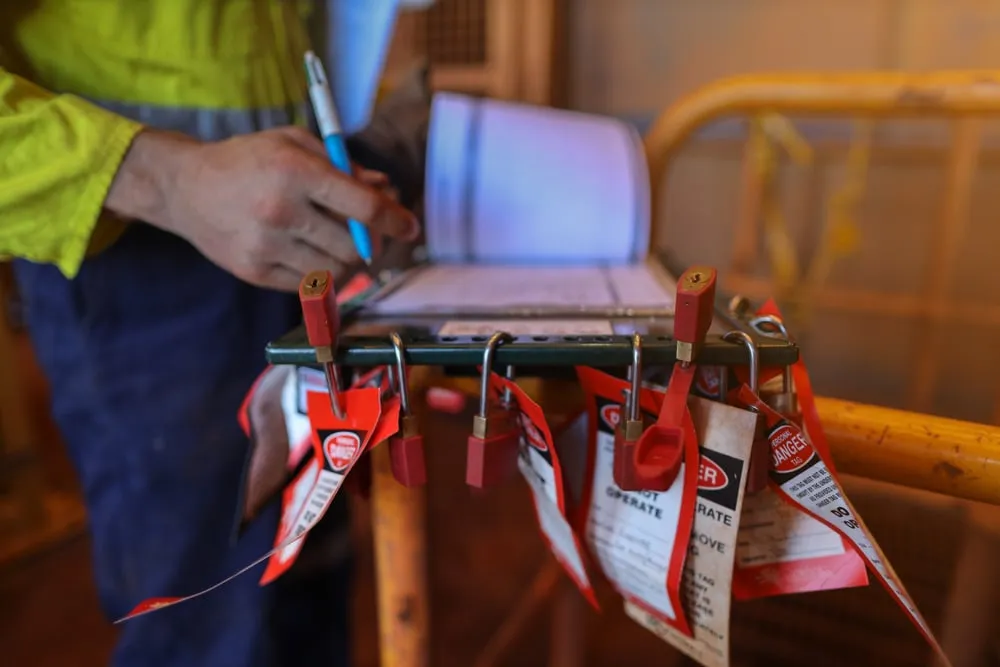
Choosing and effectively using LockOut equipment can feel a bit like you’re trying to crack an enigma. Don’t fret, aside from having been in your shoes before us, we also understand that the correct usage of this gear is absolutely critical for ensuring safety – indeed, not sticking to lockout/tagout procedures ranks as one of the top violations according to OSHA.
This article aims to guide you through picking appropriate LockOut devices while shedding light on how best to use them. Ready up for a deep dive into understanding these life-saving tools.
Key Takeaways
- Developing a written group lockout program is crucial for ensuring workplace safety and compliance with OSHA regulations.
- Proper selection and use of padlocks play a vital role in effectively preventing accidents, and injuries, and ensuring OSHA compliance.
- Structuring shutdown and startup procedures, ensuring accessibility of lockout information, and managing workers are all important best practices for implementing successful group lockout/tagout programs.

Group Lockout Best Practices
When it comes to group lockout, there are several best practices that should be followed to ensure safety and compliance. This includes developing a written group lockout program, selecting and using proper padlocks, structuring shutdown and startup procedures, ensuring accessibility of lockout information, and effectively managing workers and shift changes.
Development of a written group lockout program
Creating a written group lockout program serves as the cornerstone of ensuring workplace safety. This plan lays out detailed procedures on how to control hazardous energy when multiple workers are involved in servicing equipment.
Each procedure should include clear instructions for identifying and isolating energy sources, using lockout devices, and performing safe shutdown and startup operations. It’s vital that each team member understands their role within these procedures to prevent accidents or injuries during maintenance or service work.
Equipment-specific photos can further enhance comprehension by visually displaying energy isolation points. As part of this process, we also recommend incorporating sign-in/sign-out sheets for better accountability management across shifts.
Proper selection and use of padlocks
When it comes to ensuring workplace safety, one important aspect is the proper selection and use of padlocks. Lockout/tagout procedures require the use of lockout devices such as padlocks to securely isolate hazardous energy sources.
It is crucial to select padlocks that are durable, reliable, and easily distinguishable. Safety lockout padlocks should be used specifically for lockout/tagout purposes and have features like hardened steel shackles and keyways that are resistant to tampering or picking.
By using the right padlock and following proper lockout/tagout procedures, you can effectively prevent accidents, and injuries, and ensure OSHA compliance in your workplace.
Structuring shutdown and startup procedures
To ensure safety during shutdown and startup procedures, it is important to follow a structured approach. Start by developing clear and concise written procedures that outline the steps for shutting down and starting up equipment.
This should include identifying energy sources, isolating and locking them out using safety lockout padlocks, and tagging locked devices for easy identification. It is also crucial to notify affected workers about the shutdown or startup process so they can take necessary precautions.
By following proper structuring techniques, such as creating distinguishable locks and providing clear instructions, you can effectively prevent accidents and injuries in your workplace while complying with OSHA regulations.
Ensuring accessibility of lockout information
We understand the importance of making lockout information easily accessible to ensure workplace safety. One best practice is to have clear display and access to lockout procedures, including the use of group lock boxes and sign-in/sign-out sheets.
By implementing these practices, you can effectively communicate and manage the lockout/tagout process, keeping everyone informed and preventing accidents and injuries. Additionally, equipment-specific photos should also be included in lockout procedures, helping workers identify energy isolation points more efficiently.
Remember, accessibility to lockout information is crucial for maintaining a safe working environment while complying with OSHA regulations.
Managing workers and shift changes
We ensure the smooth implementation of lockout/tagout procedures by effectively managing workers and shift changes. Our team maintains clear communication channels to notify employees about equipment shutdowns, energy source isolation techniques, and lockout/tagout device requirements.
We prioritise workplace safety by conducting regular lockout/tagout training sessions and providing resources for workers to understand the procedures. With our efficient management strategies, we prevent accidents and injuries, ensuring compliance with OSHA regulations while minimising disruptions during shift changes.
Types of Group Lockout Devices
Lockout hasps and group lock boxes are two common types of group lockout devices used in the workplace.
Lockout hasps
Lockout hasps are essential devices for effectively implementing lockout/tagout procedures. These devices allow multiple workers to secure their own padlocks onto a single energy-isolating device, ensuring that the equipment remains locked out throughout the maintenance or repair process.

By using lockout hasps, homeowners can easily manage and control access to hazardous energy sources, minimising the risk of accidents and injuries. It is important to select durable lockout hasps that are compatible with different types of padlocks, providing an extra layer of safety and security during lockout situations.
Remember, when it comes to maintaining a safe workplace, using appropriate lockout hasps is crucial for complying with OSHA regulations and protecting both workers and property.
Group lock boxes
Group lock boxes are an important tool for implementing effective group lockout procedures in the workplace. These lock boxes provide a secure and centralised location for workers to store their individual padlocks during shutdown or maintenance activities.
By using group lock boxes, homeowners can ensure that all workers have easy access to their assigned locks and can easily see who is currently working on a specific piece of equipment.
This helps prevent accidental releases of hazardous energy and improves overall safety in the workplace. Proper utilisation of group lock boxes, along with other best practices such as clear signage and sign-in/sign-out sheets, can greatly enhance the effectiveness of your group lockout tagout program, protecting everyone involved and helping to prevent accidents and injuries.
When to Use Group Lock Boxes
Using group lock boxes is essential in situations where multiple workers are involved in a complex lockout/tagout procedure. Group lock boxes provide a secure and organised way to store the keys or padlocks used for locking out equipment.
This ensures that all workers involved can access and remove their locks only when it is safe to do so, preventing accidental equipment startup or energy release. Group lock boxes are particularly useful during shift changes or when there are several teams working on different sections of the same machine or equipment.
They help maintain accountability and prevent confusion by providing a clear visual indication of who is participating in the lockout/tagout process. By using group lock boxes, you can effectively coordinate with other workers, enhance workplace safety, and ensure compliance with OSHA standards for effective lockout/tagout procedures.
Remember: When implementing a group lockout/tagout program, always follow best practices for selecting and using appropriate padlocks or safety lockout devices.
Importance of Lockout/Tagout Procedures
Lockout/tagout procedures are crucial for ensuring workplace safety and compliance with OSHA regulations. Identifying energy sources, notifying affected workers, isolating and locking energy sources, tagging locked devices, and performing work safely are all essential steps in preventing accidents and injuries.
By following lockout/tagout procedures diligently, we can protect ourselves and our coworkers from hazardous energy incidents.
Identifying energy sources
Identifying energy sources is a crucial step in implementing effective lockout/tagout procedures. By knowing the sources of hazardous energy, such as electricity, gas, or steam, homeowners can better understand the potential dangers and take appropriate measures to prevent accidents and injuries.
Clear signage and equipment-specific photos can help identify these energy sources and ensure that lockout devices are properly applied to isolate them. Taking the time to carefully identify energy sources will greatly contribute to a safer work environment for everyone involved.
Notifying affected workers
We must ensure that all workers who may be affected by lockout/tagout procedures are properly notified. This is an important step to prevent accidents and injuries. By notifying affected workers, we can effectively communicate the shutdown and startup procedures, as well as any changes in shifts or work schedules.
It is crucial for everyone to understand when equipment will be locked out and the specific steps they need to take to ensure their safety. Clear communication and proper notification help create a safe work environment for all.
Isolating and locking energy sources
To ensure the safety of workers and prevent accidents, it is crucial to isolate and lock energy sources before performing any maintenance or repairs on equipment. This helps to eliminate the risk of unexpected startup or release of hazardous energy.
Lockout/tagout procedures should include clear instructions on how to identify and isolate energy sources, such as electrical switches or valves. By following these procedures and using proper lockout devices, you can effectively protect yourself and others from potential harm.
Remember, compliance with lockout/tagout regulations not only meets OSHA requirements but also ensures a safe working environment for everyone involved.
Tagging locked devices
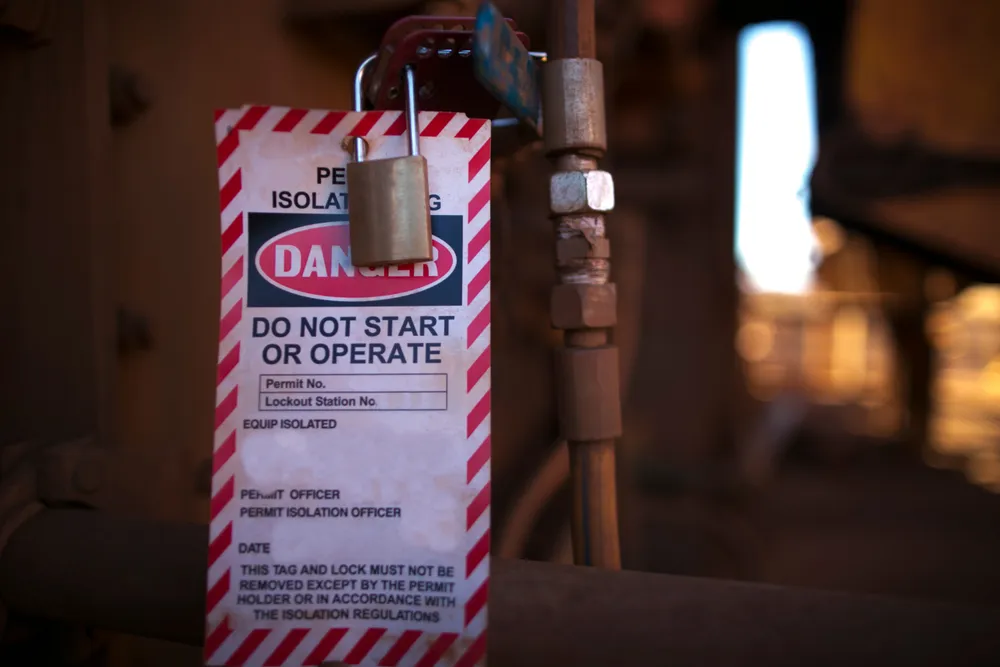
When locking out devices during the lockout/tagout process, it is important to also use tags. Tags provide an additional visual reminder that a device or piece of equipment is locked and should not be operated.
These tags are typically bright in colour and display clear warning messages such as “Do Not Operate” or “Danger.” Tagging locked devices, helps to prevent any confusion or accidents by clearly indicating that the equipment is currently being worked on and should not be used.
This simple step can significantly contribute to the overall effectiveness of your lockout/tagout procedures, ensuring the safety of everyone in your facility.
Remember, when using tags alongside locks, they must always be securely attached to the device or equipment being locked out. Additionally, tags should never be removed until all work has been completed and it is safe to operate the machinery again.
Performing work safely
We prioritise performing work safely to prevent accidents and injuries. Following lockout/tagout procedures is crucial for ensuring workplace safety. By properly isolating and locking energy sources, we create a secure environment for maintenance or repairs.
Using distinguishable locks and tags helps workers identify locked devices easily. Also, adhering to OSHA guidelines and receiving proper training on lockout/tagout procedures enhances our ability to perform work safely while protecting ourselves and others in the facility.
Remember, compliance with best practices is essential for preventing hazards and maintaining a safe working environment.
Restoring equipment and removing lockout/tagout devices
Once the work is completed and it’s time to restore equipment, it is important to follow proper procedures for removing lockout/tagout devices. This ensures that all energy sources are safely reconnected and the equipment can be operated without any risks.
Workers should carefully unlock and remove all padlocks or other lockout devices before starting up the equipment. By doing so, we prevent accidents, injuries, and potential OSHA violations.
It’s crucial to take this step seriously in order to maintain a safe workplace environment for everyone involved.
Simplify Space Management with Tag Out System!
In conclusion, selecting the right lockout equipment and following best practices is crucial for ensuring workplace safety. By implementing a written group lockout program, using proper padlocks, structuring shutdown procedures, maintaining accessibility to lockout information, and managing workers effectively, accidents and injuries can be prevented.
Remember to always comply with OSHA regulations and prioritise employee safety above all else. Stay vigilant and make lockout/tagout procedures a top priority in your workplace.
Unlock safety and precision in your workplace with Tag Out System’s expert guidance on Lockout Equipment Selection and Best Practices. Our team of professionals is dedicated to helping you choose the right tools and establish industry-best procedures for a safer work environment. Don’t leave safety to chance – Contact Tag Out System today to elevate your lockout-tagout practices and protect your team!