
LockOut Equipment · 16 September 2023
Lockout Equipment Inspection and Maintenance
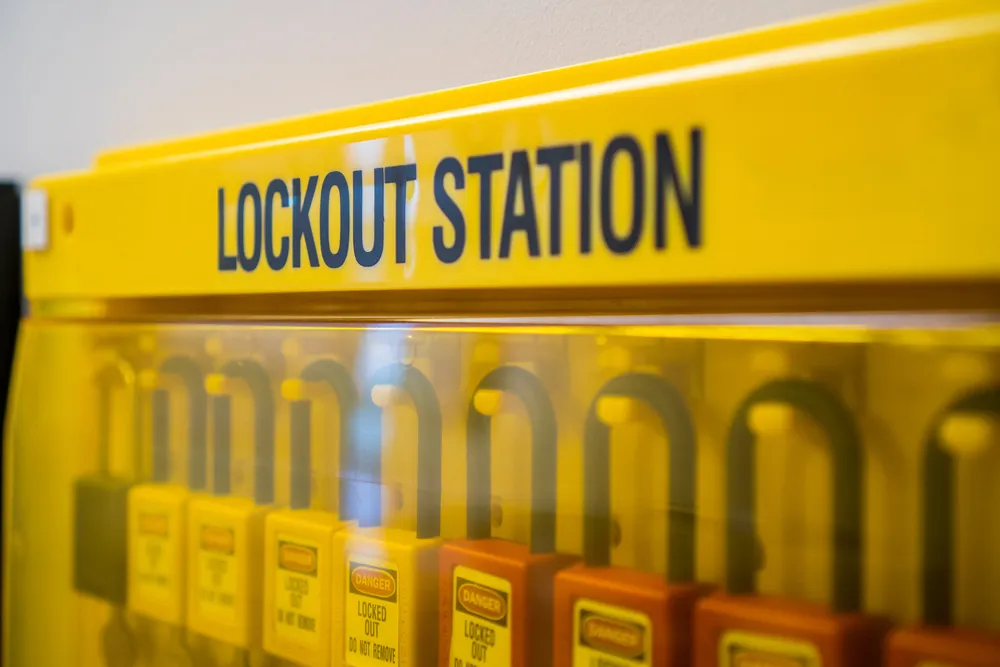
Finding it a bit tricky to navigate through the complexities of managing your lockout equipment for maintenance and inspection, mate? You’re not alone. Figuring out how to maintain a safe domestic environment can feel like venturing into the bush without a map or compass.
In fact, you’d be shocked as an old hat to know that WHS regulations mandate that all lockout/tagout procedures should cop at least an annual once-over. This blog post aims to tackle the nitty-gritty details of lockout gear inspection and maintenance, offering tips on best practices to help keep your home as safe as houses.
Key Takeaways
- Regular maintenance and inspection of lockout equipment is essential for ensuring the safety of workers and compliance with WHS regulations.
- Lockout/tagout procedures help control hazardous energy sources during maintenance or repair work, preventing accidents and injuries.
- Proper training on lockout procedures is crucial for employees to understand the potential hazards associated with equipment maintenance and how to protect themselves.
- Annual reviews and inspections of the lockout system are necessary to ensure its effectiveness in keeping individuals safe.
Importance of Lockout Equipment Inspection and Maintenance
Regular maintenance and inspection of lockout equipment is essential to ensure the safety of workers and compliance with WHS regulations.
General maintenance
General maintenance of lockout/tagout equipment is crucial for safety around the house. As homeowners, we ensure to service and inspect our lockout devices frequently. The purpose of this frequent attention is to keep these essential tools functioning at their best possible efficiency.
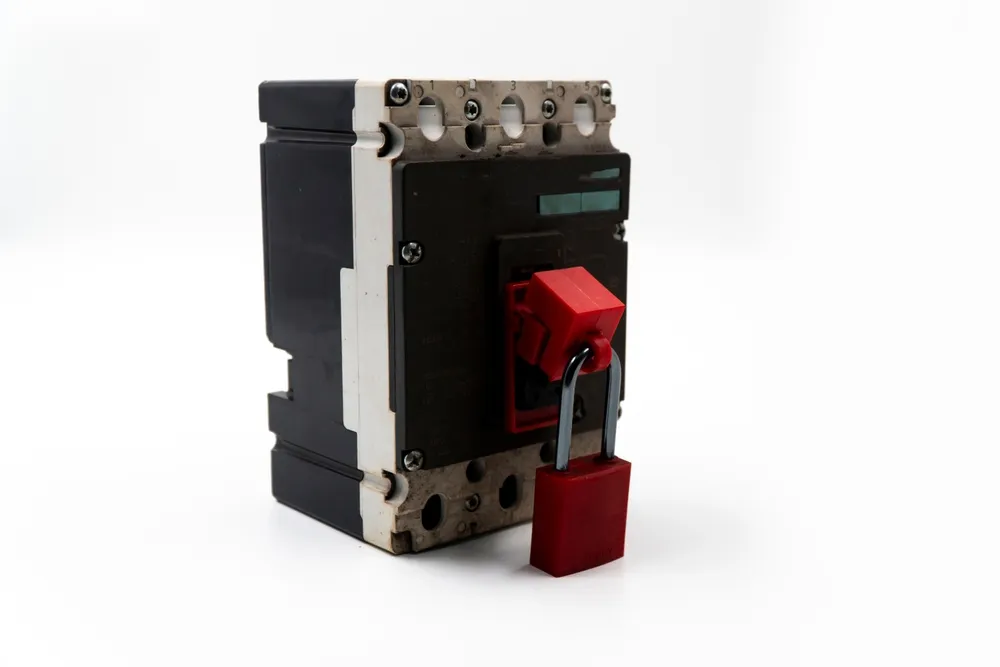
Deterioration or malfunction in any part can have serious implications for our homes and personal safety. Frequent examination also helps detect potential issues early, allowing us to address them before they escalate into bigger problems.
Thus, general maintenance forms a vital step towards guaranteeing a safer environment within our dwellings.
Periodic inspection
Periodic inspection of lockout equipment is crucial to ensure its effectiveness and the safety of workers. Regular inspections help identify any signs of wear and tear, damage, or malfunctioning devices that could jeopardise the effectiveness of the lockout system.
By conducting periodic inspections, homeowners can proactively address any issues with their lockout equipment before they become a safety hazard.
During a periodic inspection, it is important to thoroughly check all locks, tags, and lockout devices for proper functionality. This ensures that they are in good condition and can securely isolate energy sources during maintenance or repair work.
Additionally, homeowners should review their compliance with WHS regulations during these inspections to ensure that their lockout equipment meets legal requirements.
By conducting regular periodic inspections of your lockout equipment, you can maintain a safe working environment for yourself and anyone performing maintenance tasks on your property.
Inspection of locks, tags, and lockout devices
Inspecting locks, tags, and lockout devices is a crucial part of ensuring the effectiveness of your lockout/tagout program. Regular inspections help to identify any potential issues or malfunctions that could compromise safety during equipment maintenance or servicing.
By checking that locks are secure and functioning properly, tags are clearly visible and legible, and lockout devices are in good working condition, you can have peace of mind knowing that hazardous energy sources are effectively controlled and employees are protected from accidents or injuries.
Don’t neglect this important step in maintaining a safe work environment.
Compliance with WHS regulations
We must prioritise compliance with WHS regulations when it comes to lockout equipment inspection and maintenance. These regulations are in place to ensure the safety and well-being of employees, which is essential in any workplace.
By adhering to WHS regulations, we can protect ourselves and others from potential hazards during equipment servicing or maintenance. It is crucial that we stay updated on these regulations and strictly follow them to maintain a safe working environment for everyone involved.
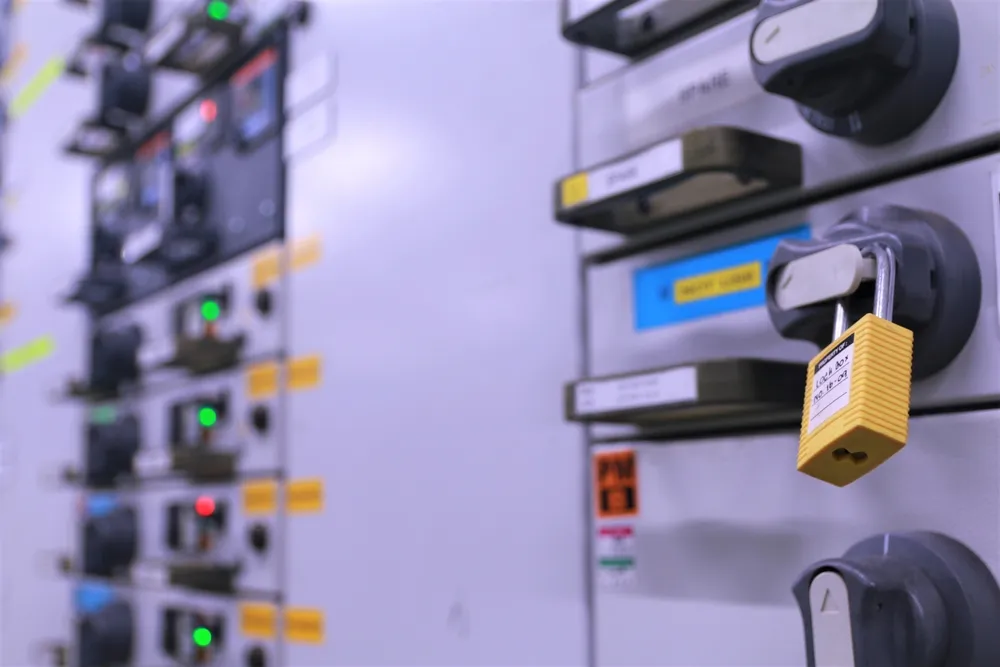
Training and Education on Lockout Procedures
Proper training and education on lockout procedures are crucial for ensuring the safety of employees. Learn more about the importance of training and how it contributes to compliance with WHS regulations.
Importance of proper training
Proper training is of utmost importance when it comes to lockout procedures. As homeowners, we need to ensure that our employees are well-educated and knowledgeable about lockout/tagout practices.
This includes understanding the relevant WHS regulations and knowing how to use locks, tags, and other lockout devices correctly. Good training helps employees understand the potential hazards associated with equipment maintenance and how to protect themselves from accidents or injuries.
It also ensures compliance with safety regulations and promotes a safe work environment for everyone involved. By providing proper training on lockout procedures, we can prevent accidents, minimise risks, and create a culture of safety in our homes or workplaces.
Employee education on lockout procedures
We believe that it is crucial for employees to receive proper education on lockout procedures. This training ensures that they understand the importance of lockout/tagout and how to effectively implement these procedures.
By educating employees, we are empowering them with the knowledge and skills necessary to keep themselves safe in the workplace. It’s important for all employees to be aware of the potential hazards associated with equipment maintenance and the steps they need to take to protect themselves.
Lockout/tagout training not only promotes a safer work environment but also ensures compliance with safety regulations outlined by WHS.
Review of WHS regulations
To ensure the safety of our employees and comply with workplace health and safety (WHS) regulations, it is important to review and understand the lockout/tagout procedures. These regulations outline the necessary steps to take when locking out or tagging equipment for maintenance or servicing.
By familiarising ourselves with these guidelines, we can effectively protect our workforce and prevent accidents during equipment inspection and maintenance. Remember, WHS regulations are in place to keep everyone safe and must be followed at all times.
The Role of Lockout/Tagout in Safety During Maintenance
Lockout/tagout plays a crucial role in ensuring safety during maintenance activities by controlling hazardous energy and preventing accidents or injuries.
Controlling hazardous energy
Controlling hazardous energy is crucial for ensuring the safety of workers during maintenance and service tasks. Hazardous energy sources, such as electricity, hydraulic pressure, or stored mechanical energy, can pose serious risks if not properly controlled.
Lockout/tagout procedures are designed to physically disable equipment and prevent it from being turned on while repairs or adjustments are being made. This involves using lockout devices, like padlocks and tags, to indicate that equipment is locked out and should not be operated.
By implementing these measures, employers can effectively mitigate the risk of accidents caused by unexpected energisation or startup of machinery.
In addition to protecting employees from harm, controlling hazardous energy also helps companies comply with workplace health and safety regulations. Organisations have a legal responsibility to provide a safe work environment for their employees.
Lockout/tagout procedures form an integral part of this commitment by ensuring that proper precautions are taken during equipment maintenance activities. Regular inspections of lockout systems should be conducted at least annually to confirm their effectiveness in controlling hazardous energy sources.
Equipment-specific energy control procedures
We implement equipment-specific energy control procedures to ensure the safety of our employees during maintenance and servicing. These procedures are designed to effectively control hazardous energy sources, such as electricity, gas, or steam, that may be present in different types of equipment.
By following these procedures, we can prevent accidents and injuries by making sure that all energy sources are isolated and locked out before any work is performed. This involves identifying the specific energy sources in each piece of equipment and using appropriate lockout devices to securely isolate them.
Our trained technicians have a thorough understanding of these procedures and follow them diligently to maintain a safe working environment for everyone involved.
Preventing accidents and injuries
To ensure the safety of everyone involved, preventing accidents and injuries is a top priority when it comes to lockout equipment inspection and maintenance. Lockout/tagout procedures physically disable equipment, making sure that it cannot be inadvertently turned on while repairs or adjustments are being made.
By controlling hazardous energy sources through lockout/tagout, we can significantly reduce the risk of accidents during maintenance work. This essential safety measure involves using padlocks and tags to clearly indicate that equipment is locked or tagged, ensuring that everyone knows it is unsafe to operate.
So remember, by following proper lockout procedures, you can protect yourself and others from potential harm.
Best Practices for Lockout Equipment Inspection and Maintenance
Proper maintenance and inspection procedures ensure the effectiveness of lockout equipment, preventing accidents and injuries.
Proper maintenance and inspection procedures
We believe that proper maintenance and inspection procedures for lockout equipment are crucial to ensure the safety of your home and protect against accidents. Regular maintenance helps to keep lockout devices in good working condition, ensuring they will effectively control hazardous energy sources during servicing or repairs.
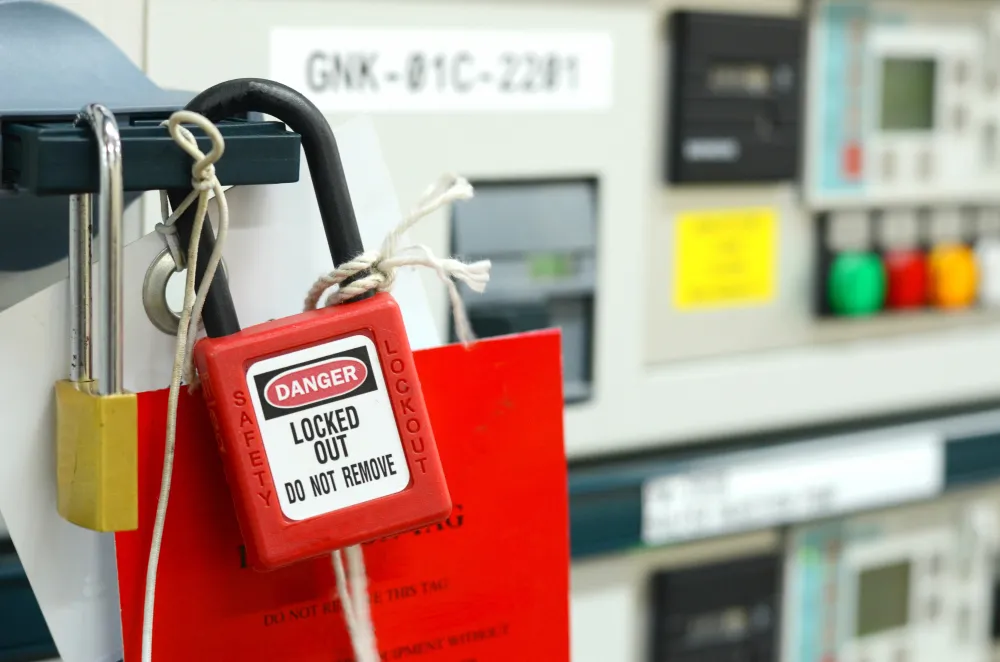
It is important to inspect all locks, tags, and lockout devices on a periodic basis to make sure they are functioning correctly and meet safety standards. By complying with these maintenance and inspection procedures, you can have peace of mind knowing that your lockout system is in optimal condition when it matters most.
Annual reviews and inspections of the lockout system
We conduct annual reviews and inspections of the lockout system to ensure its effectiveness in keeping you safe. During these inspections, we thoroughly check all locks, tags, and lockout devices to make sure they are in good working condition.
We also assess if our lockout procedures comply with WHS regulations. By regularly reviewing and inspecting our lockout system, we can identify any areas that need improvement take proactive measures to prevent accidents and protect you during equipment inspection and maintenance.
Use of lockout/tagout procedure templates
We highly recommend using lockout/tagout procedure templates to ensure the safety of your equipment during maintenance. These templates provide step-by-step instructions on how to properly lock or tag your equipment, minimising the risks associated with hazardous energy sources.
By following these templates, you can easily identify and control potential hazards, protecting both yourself and your property. Remember, using lockout/tagout procedure templates is an essential practice for preventing accidents and injuries during equipment inspection and maintenance.
Efficiency and Safety for Your Space
In conclusion, regular inspection and maintenance of lockout equipment are crucial for ensuring workplace safety. By adhering to proper procedures and regulations, employers can protect their employees from accidents and injuries during equipment servicing or maintenance.
Remember, lockout/tagout is a vital measure that should never be overlooked when it comes to workplace safety.
Don’t compromise on the safety of your workplace. Ensure the reliability of your lockout equipment with Tag Out System’s expert inspection and maintenance services. Safety is an ongoing commitment, and it’s time to act. Contact us today to schedule an inspection and maintenance session for your lockout equipment. Trust Tag Out System to keep your equipment in top-notch condition, ensuring it performs flawlessly when it matters most. Don’t leave safety to chance, prioritise it with regular maintenance from Tag Out System. Act now to safeguard your workforce and prevent potential accidents. Schedule your maintenance today!