
LockOut Equipment · 9 October 2023
Lockout Equipment for Pneumatic and Hydraulic Systems
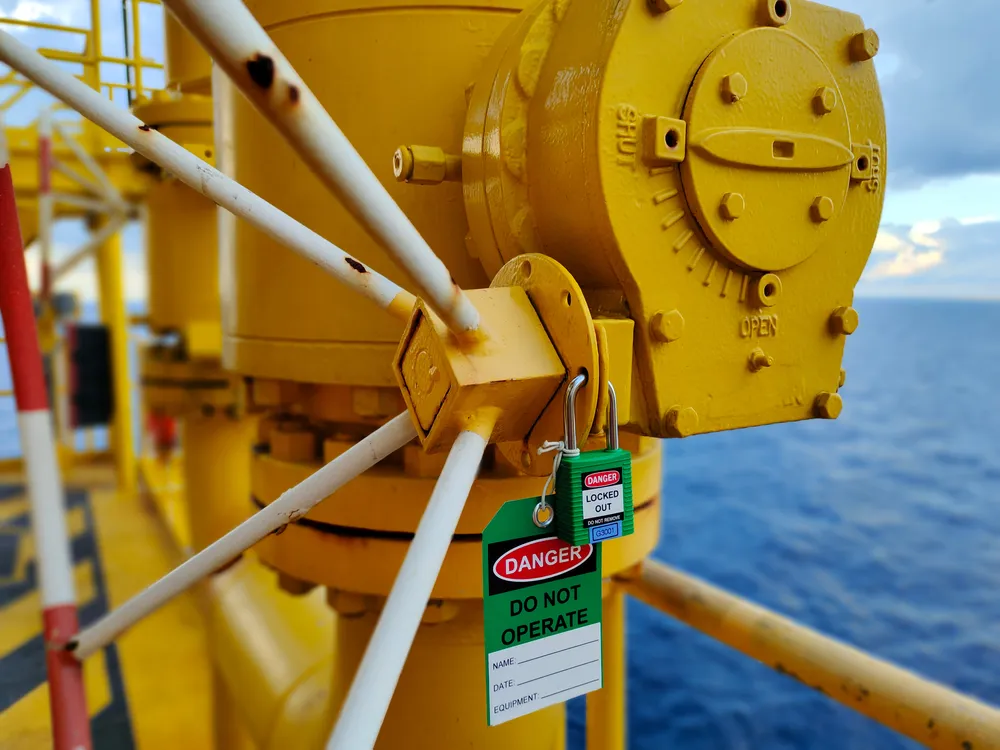
Taking a crack at pneumatic and hydraulic systems can be enough to give anyone a case of the pip – you’re certainly not on your pat Malone there. It’s an issue many of us have wrestled with, leading us down the rabbit hole in search of the best lockout equipment for these tricky but critical systems.
This article aims to help you get your head around using lockout/tagout devices on pneumatic and hydraulic systems, ensuring everyone’s safety during any maintenance or repairs. So let’s jump right in – we’re going to tackle this little bugbear together!
Key Takeaways
- Lockout/tagout procedures are essential for the safety of workers when working with pneumatic and hydraulic systems.
- Lockout devices, such as locks and tags, help isolate energy sources and prevent accidental energisation during maintenance or repair work.
- Following proper lockout/tagout procedures is crucial in maintaining a safe workplace environment.
Understanding Lockout/Tagout Procedures
Lockout/tagout procedures are essential safety protocols that involve locking and tagging equipment to prevent accidental energisation during maintenance or repair work.
What is lockout/tagout?
Lockout/tagout is a vital safety procedure involving the deactivation and isolation of equipment during servicing or maintenance.
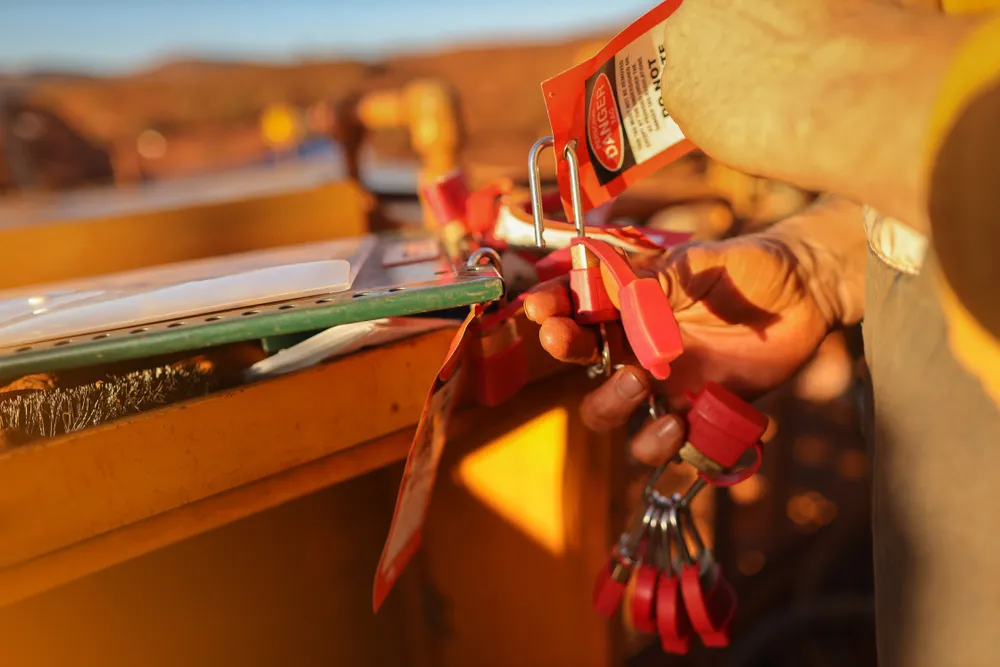
It implies using specific devices designed to keep systems off, effectively preventing unintentional re-energisation.
This process safeguards workers against hazardous energy releases from hydraulic and pneumatic systems during repair work. Different lockout devices are used in this process including locks, tags, keys and more intricate mechanisms for complex types of machinery.
Its purpose is to eliminate accidents caused by unexpected startups of machinery or uncontrolled release of energy while individuals perform tasks on these machines such as repairing faults or conducting routine maintenance checks.
Lockout/tagout procedures are not just useful; they’re life-saving precautions taken seriously across industries worldwide due to their importance in workplace safety.
Purpose of lockout/tagout
Lockout/tagout procedures serve an important purpose in ensuring the safety of workers and preventing accidents. The main purpose of lockout/tagout is to disable machinery or equipment by isolating energy sources, such as hydraulic or pneumatic systems, to prevent the release of hazardous energy.
By implementing proper lockout/tagout procedures, machines can be kept completely off and parts that could move due to loss of pressure are blocked. This helps protect workers from unexpected start-ups or movements that could lead to serious injuries.
Lockout/tagout is a crucial process for workplace safety and plays a vital role in preventing accidents during maintenance and repair work.
Importance of lockout/tagout
Lockout/tagout is of utmost importance when it comes to ensuring the safety of workers and preventing accidents in pneumatic and hydraulic systems. By following proper lockout/tagout procedures, you can effectively isolate energy sources and disable machinery or equipment, thereby eliminating the risk of hazardous energy release.
This not only protects the workers but also ensures that machines remain completely off during maintenance or repair work. Lockout equipment plays a crucial role in this process by blocking moving parts and keeping lines bled and vent valves open.
Remember, lockout/tagout procedures are essential for workplace safety, so always prioritise them to prevent unnecessary risks and promote a secure environment.
Differences Between Pneumatic and Hydraulic Systems
Pneumatic systems use compressed air to transmit and control power, while hydraulic systems use pressurised fluid, usually oil or water, to achieve the same purpose.
How do they work?
Lockout equipment works by isolating the energy in pneumatic and hydraulic systems to ensure safety during maintenance and repair. It uses devices like locks and keys to keep machines completely off, preventing any accidental energisation.
For hydraulic systems, lockout devices block moving parts which could be dangerous if pressure is lost. During lockout procedures, the lines in these systems are bled and vent valves are left open.
The same principle applies to pneumatic systems as well. By following proper lockout/tagout procedures, hazardous energy is controlled, machinery is de-energised, and workers are protected from accidents.
Potential hazards and risks
Locking and tagging procedures for hydraulic and pneumatic equipment are crucial to protect against potential hazards and risks. When working with these systems, it’s important to be aware of the dangers they present.
Hydraulic systems, for example, can create a significant amount of stored energy that needs to be controlled during maintenance or repair. If not properly locked out, sudden movements of equipment or uncontrolled releases of pressure can lead to serious injuries or even fatalities.
Similarly, pneumatic systems can pose risks due to the high pressures involved and the potential for accidental movement if proper precautions are not taken. By using lockout devices and following proper procedures, homeowners can ensure their safety when dealing with these types of equipment.
Lockout Equipment for Pneumatic Systems
Lockout equipment for pneumatic systems includes various types of lockout devices specifically designed to ensure the safe isolation and immobilisation of pneumatic equipment.
Types of lockout devices
Lockout devices play a crucial role in ensuring the safety of hydraulic and pneumatic systems. There are various types of lockout devices available, each serving a specific purpose.
One common type is the lockout valve, which is used to isolate and control energy flow in hydraulic systems. Another type is air hose lockouts, which prevent the accidental release of compressed air in pneumatic systems.
Additionally, there are supplementary locking systems that provide an extra layer of protection during maintenance or repair work. These lockout devices are essential for preventing accidents and protecting workers from potential dangers associated with these systems.
Importance of lockout devices for pneumatic systems
Lockout devices play a crucial role in ensuring the safety of pneumatic systems. These devices are designed to isolate energy sources and prevent the accidental activation of machinery or equipment during maintenance or repairs.
By using lockout devices, homeowners can effectively block moving parts in pneumatic systems that could pose a risk if pressure is lost. This helps to protect both workers and property from potential accidents by ensuring that machines remain completely off and cannot be accidentally turned on.
Lockout devices for pneumatic systems are an essential tool for maintaining a safe working environment and preventing hazardous energy release.
Lockout Equipment for Hydraulic Systems
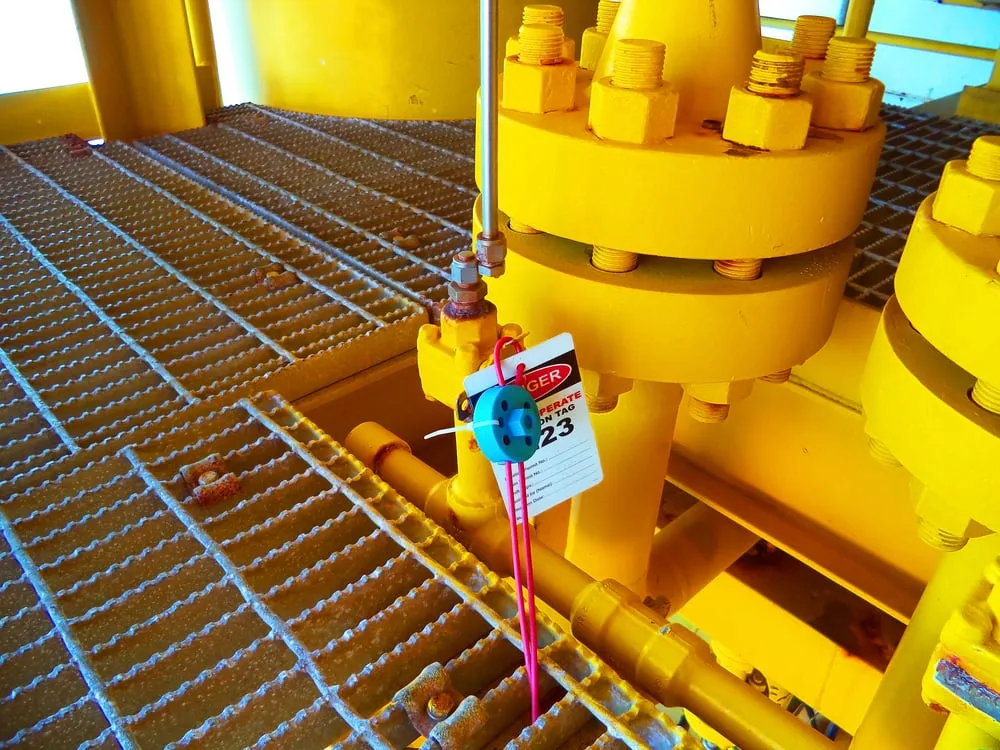
Lockout equipment for hydraulic systems is essential in preventing accidents and ensuring the safe maintenance of machinery.
Benefits of using lockout devices for hydraulic systems
Using lockout devices for hydraulic systems offers a range of benefits.
Firstly, it ensures the safety of individuals working on or around these systems by preventing accidental energisation and the release of hazardous energy.
Lockout devices help to effectively isolate parts in hydraulic systems that could move due to loss of pressure, reducing the risk of injury. Additionally, lockout procedures provide a clear visual indication that maintenance or repairs are taking place, alerting others to potential dangers and minimising the chance of accidents.
By following proper lockout procedures and using lockout devices specifically designed for hydraulic systems, homeowners can enhance workplace safety and protect themselves from unnecessary risks.
Best Practices for Proper Lockout/Tagout Procedures
Train and educate employees on lockout/tagout procedures, conduct regular maintenance checks, and emphasise the importance of following proper procedures for the safety of everyone involved.
Training and Education
We believe that training and education are crucial when it comes to lockout/tagout procedures for pneumatic and hydraulic systems. It is important to stay informed on the proper techniques and protocols to ensure safety during maintenance and repair work.
By receiving the right training, you can learn how to effectively use lockout equipment, understand the potential hazards of working with these systems, and follow proper procedures for isolating energy.
This knowledge will help you protect yourself and others from accidents or injuries caused by unexpected energisation or unplanned movements in hydraulic and pneumatic equipment. Remember, staying educated is key to maintaining a safe working environment.
Regular maintenance and checks
We understand the importance of regular maintenance and checks when it comes to ensuring the safety of your pneumatic and hydraulic systems. By conducting these routine inspections, you can identify any potential issues or problems before they escalate into serious hazards.
Regular maintenance allows you to keep your lockout equipment in proper working order, ensuring its effectiveness when it is needed most. Additionally, by performing regular checks, you can ensure that all lockout devices are securely in place and functioning correctly.
This helps prevent accidental energisation and keeps workers protected from hazardous energy releases. Remember, regular maintenance and checks are essential for maintaining a safe working environment and preventing accidents.
Importance of following proper procedures
Following proper lockout/tagout procedures is of utmost importance when working with pneumatic and hydraulic systems. By adhering to these procedures, you are taking the necessary steps to ensure your safety and prevent accidents.
Proper procedures involve isolating energy sources, de-energising machinery, and using lockout devices to secure equipment in an off position. This helps protect workers by preventing accidental energisation or movement of parts that could lead to serious injuries.
Remember, following proper lockout/tagout procedures is a crucial part of maintaining a safe working environment.
Improve Your Security Today
In conclusion, lockout equipment plays a crucial role in ensuring the safety of workers when working with pneumatic and hydraulic systems. By effectively isolating energy and preventing accidental energisation, lockout devices help protect against potential hazards and reduce the risk of accidents.
Following proper lockout/tagout procedures is vital for maintaining a safe work environment and preventing injuries. Stay informed about the different types of lockout devices available to keep yourself and others safe while working with these systems.